Loading video…


 11 Concepts
 2.2K views

Video Summary: What are Valuation of Bonds
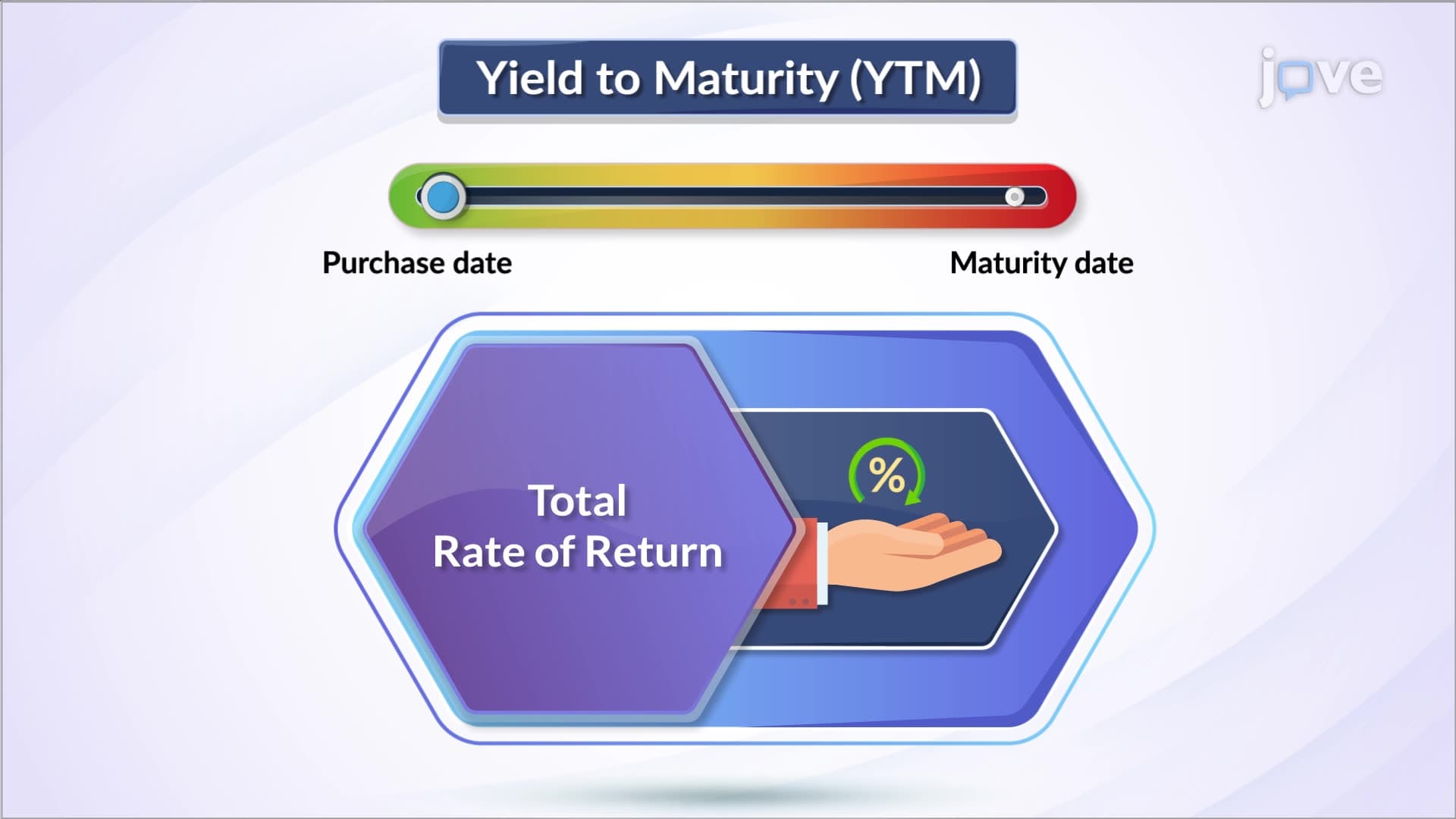
When Apple issued $7 billion in corporate bonds in 2023, institutional investors relied on precise valuation bonds methodologies to determine fair pricing. Valuation of bonds involves calculating present value of future cash flows-coupon payments plus principal repayment-discounted at appropriate rates. The yield to maturity (YTM) represents the discount rate equating present value to current market price, serving as the bond's total expected return. Understanding inverse relationships between bond prices and interest rates enables strategic investment decisions across changing market conditions. Watch the full video on JoVE Coach to master this concept with expert-led visuals and step-by-step explanations.
When Microsoft's CFO evaluates refinancing $50 billion in outstanding debt, the valuation of bonds becomes mission-critical for stakeholder value creation. Bond valuation represents the cornerstone of fixed-income analysis, determining fair value through systematic present value calculations of all future cash flows.
The valuation bonds methodology centers on discounting two primary cash flow components: periodic coupon payments and final principal repayment. Consider a scenario where Johnson & Johnson issues 10-year bonds with 4.5% coupon rates during a rising interest rate environment. Investment professionals calculate present value using appropriate discount rates reflecting current market conditions, credit risk, and duration exposure.
The mathematical relationship follows: Bond Value = Σ[Coupon Payment/(1+r)^t] + Face Value/(1+r)^n, where 'r' represents the required rate of return and 't' denotes time periods. This formula enables portfolio managers to evaluate thousands of securities systematically, comparing relative value across corporate issuers, municipalities, and treasury securities.
Yield-to-maturity (YTM) serves as the internal rate of return for bond investments, assuming reinvestment of all coupon payments at the same rate. When Goldman Sachs analysts evaluate distressed corporate debt, YTM calculations reveal expected returns incorporating default probability and recovery assumptions.
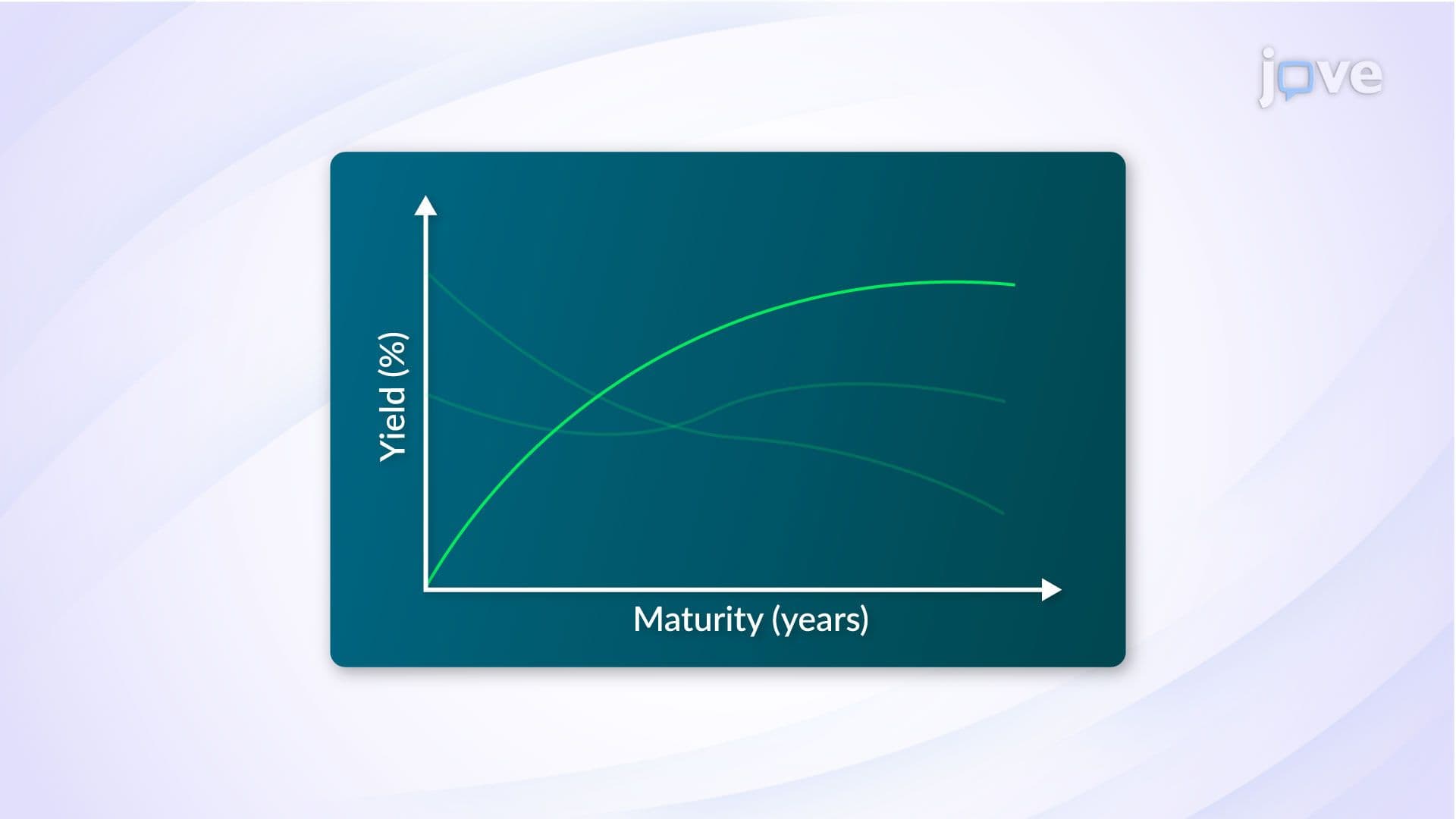
The inverse relationship between bond prices and interest rates creates strategic opportunities for treasury management teams. During Federal Reserve tightening cycles, existing bonds with lower coupon rates trade at discounts, while new issuances command higher yields. Sophisticated corporate finance teams leverage these dynamics for liability management, potentially repurchasing discounted debt to improve balance sheet efficiency.
Investment committees at Fortune 500 companies utilize bond valuation principles for multiple strategic decisions: optimizing debt capital structure, evaluating acquisition financing alternatives, and managing pension fund fixed-income allocations. Understanding duration risk-how bond prices respond to interest rate changes-enables CFOs to match asset-liability profiles and minimize earnings volatility.
Related Micro-courses