Loading subject page…


2,159 views


Video Summary: What Is Bond Features and Prices
Understanding bond features prices is crucial when Apple issued $7 billion in corporate bonds to fund share buybacks, demonstrating how major corporations leverage debt securities for strategic capital allocation. Bond features and prices definition explained encompasses the fundamental characteristics that determine a bond's value: face value, coupon rate, maturity period, and payment structure. These elements directly impact investment returns and corporate financing costs. For instance, when interest rates rise, existing bond prices fall, affecting both corporate borrowing strategies and institutional portfolio performance. Watch the full video on JoVE Coach to master this concept with expert-led visuals and step-by-step explanations.
When Microsoft's CFO decides to issue $2.25 billion in bonds rather than use cash reserves, the decision hinges on understanding how bond features and prices work together to optimize capital costs. This strategic choice illustrates why finance professionals must master these fundamentals to drive effective corporate financing decisions.
Bond features directly influence market pricing through several key mechanisms. The face value establishes the principal amount-typically $1,000 for corporate bonds-that investors receive at maturity. The coupon rate determines periodic income payments, calculated as a percentage of face value. A 4.5% coupon rate on a $1,000 bond generates $45 annually, usually paid semi-annually as $22.50 payments.
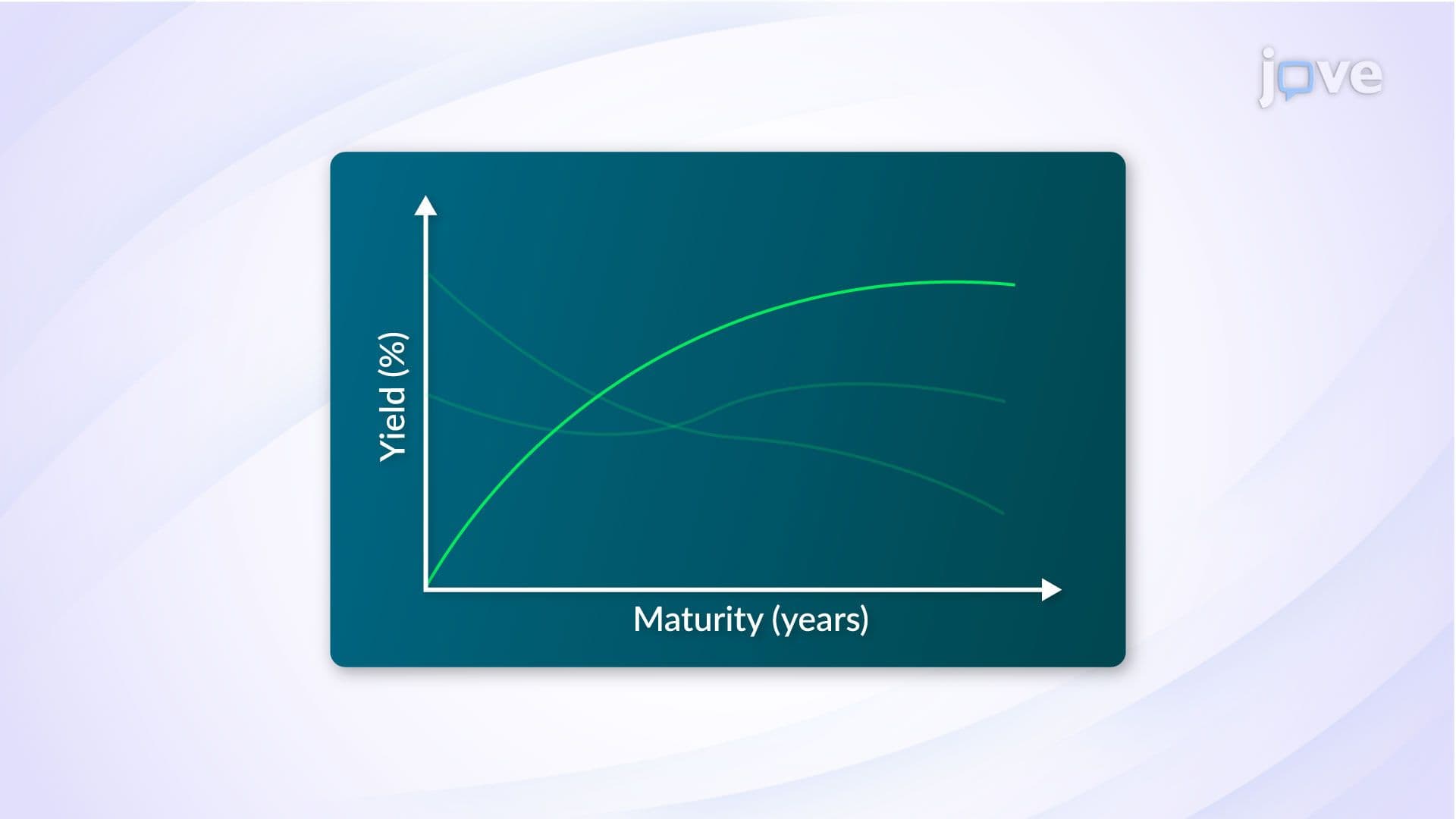
Maturity periods create the timeframe for principal repayment, ranging from short-term notes (under 3 years) to long-term bonds (10+ years). This duration significantly impacts price sensitivity to interest rate changes-longer maturities exhibit greater price volatility when market rates fluctuate.
Bond pricing reflects the inverse relationship between interest rates and bond values. When the Federal Reserve raises rates, existing bonds with lower coupon rates become less attractive, causing their market prices to decline below par value. Conversely, falling rates increase existing bond prices above face value.
This dynamic affects corporate strategy: companies like Amazon time bond issuances to capitalize on favorable rate environments, while portfolio managers adjust holdings based on anticipated rate movements. Understanding this relationship enables professionals to optimize financing costs and investment returns.
Corporate treasurers use bond features to structure debt that aligns with business cycles. Variable-rate bonds provide protection against falling interest rates but expose companies to rising rate risk. Fixed-rate bonds offer payment predictability but may result in higher costs if rates decline post-issuance.
Investment professionals leverage these characteristics to construct portfolios matching client objectives: income-focused strategies emphasize higher coupon rates, while total return approaches balance current income with capital appreciation potential through strategic maturity selection.
Related Micro-courses