Loading subject page…


2,159 views

Video Summary: What Is the Bond Indenture
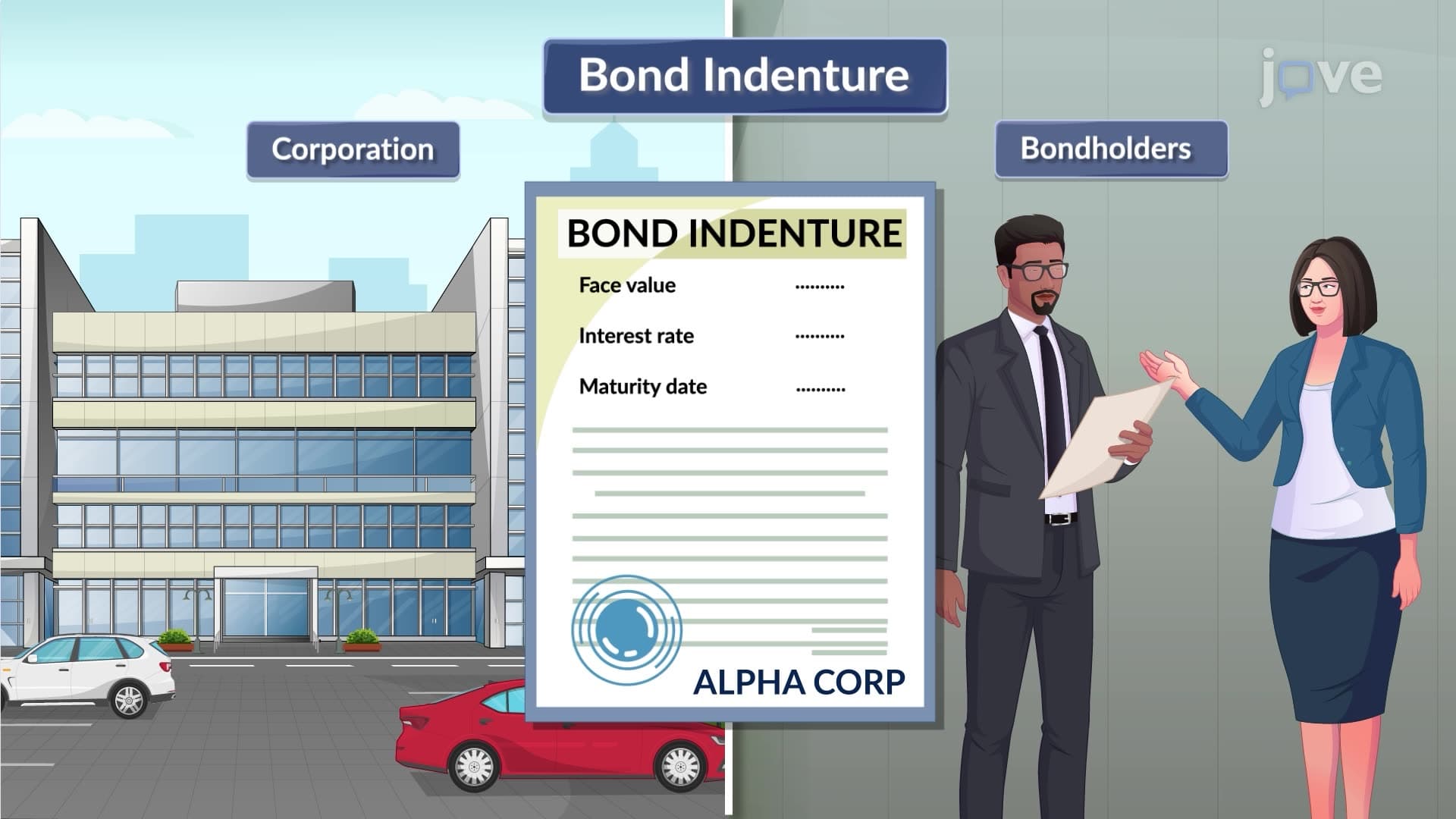
When JPMorgan Chase issues corporate bonds to fund expansion, institutional investors demand detailed legal protections before committing capital. The bond indenture serves as the comprehensive contract defining these critical terms, from collateral requirements to covenant restrictions that safeguard investor interests. This legal framework determines everything from repayment schedules to call provisions that can impact portfolio performance. Understanding the bond indenture is essential for treasury professionals, investment managers, and corporate finance leaders making strategic capital allocation decisions. Watch the full video on JoVE Coach to master this concept with expert-led visuals and step-by-step explanations.
Corporate finance professionals regularly encounter situations where understanding bond indentures becomes mission-critical. When Apple issued $17 billion in bonds in 2013-the largest corporate bond offering in history at that time-the indenture details determined not only investor appetite but also Apple's ongoing operational flexibility. The bond indenture represents far more than legal documentation; it's a strategic blueprint that balances issuer needs with investor protections.
The bond indenture encompasses several interconnected elements that directly impact both corporate strategy and investment performance. Security provisions determine whether bonds are backed by specific assets-like when General Motors pledged manufacturing facilities as collateral-or issued as unsecured debt based purely on creditworthiness. This distinction fundamentally alters risk profiles and pricing dynamics.
Repayment mechanisms within the indenture create different cash flow implications for both parties. Sinking fund requirements force issuers to set aside periodic payments, reducing default risk but potentially constraining working capital. Alternatively, bullet maturity structures concentrate repayment risk at the end of the bond's life, offering operational flexibility but requiring robust refinancing capabilities.
Protective covenants embedded in bond indentures often become the most contentious negotiation points, directly impacting future strategic flexibility. Debt-to-equity ratio restrictions can limit acquisition financing, while dividend payout limitations affect shareholder return policies. When Verizon issued bonds to finance its Vodafone acquisition, covenant negotiations balanced investor protection with the operational flexibility needed to execute the integration successfully.
Call provisions represent another critical strategic element, allowing issuers to refinance when interest rates decline but creating reinvestment risk for bondholders. The timing and pricing of call options can significantly impact total returns, making these provisions essential considerations for portfolio managers and corporate treasurers alike.
For working professionals, bond indenture analysis supports multiple business functions. Treasury teams use covenant analysis to model future financing capacity, while investment committees rely on security provisions to determine appropriate allocation percentages. Corporate development professionals must understand how existing indenture restrictions might impact M&A strategies, ensuring deal structures comply with existing debt agreements.
Risk management frameworks increasingly incorporate indenture analysis to assess counterparty exposure and portfolio concentration limits. This comprehensive approach enables more sophisticated capital allocation decisions and enhanced client advisory capabilities across institutional finance roles.
Related Micro-courses