Loading subject page…


2,159 views


Video Summary: What Is the Fisher Effect
When the Federal Reserve adjusts rates or inflation expectations shift, corporate treasurers at companies like JPMorgan Chase must quickly recalibrate bond portfolio strategies. The Fisher Effect explains how nominal interest rates adjust for expected inflation to preserve real returns-a critical framework for investment decisions and corporate financing. This relationship directly impacts everything from corporate bond issuance timing to pension fund allocations. Watch the full video on JoVE Coach to master this concept with expert-led visuals and step-by-step explanations.
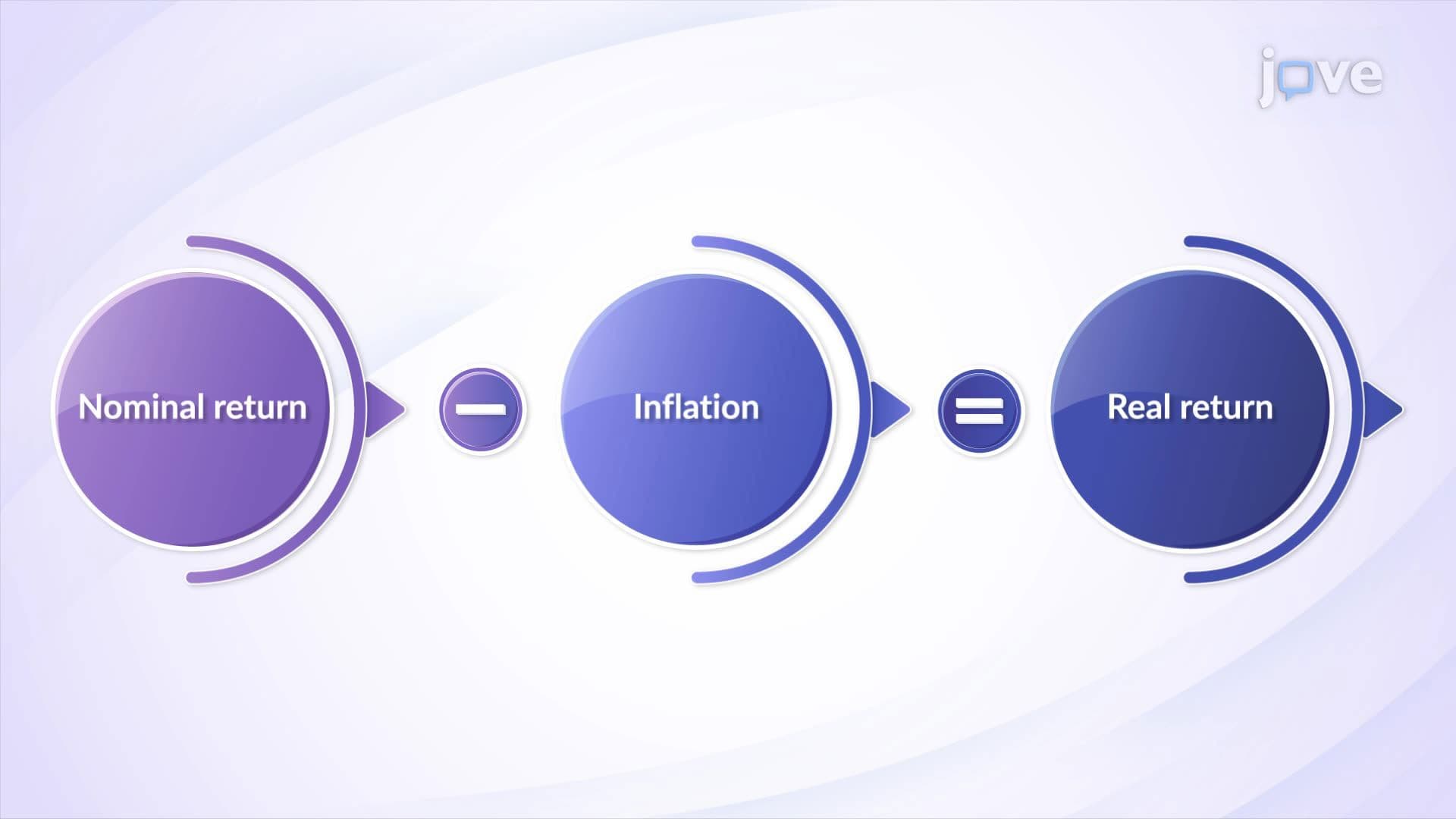
When Apple issued $7 billion in corporate bonds in 2023, their treasury team relied heavily on Fisher Effect principles to structure optimal pricing. The Fisher Effect demonstrates that nominal interest rates reflect both the real rate of return investors demand and their expectations for future inflation. This relationship, expressed as: Nominal Rate = Real Rate + Expected Inflation, forms the backbone of fixed-income investment strategy.
Corporate treasurers use the Fisher Effect to optimize debt financing timing. When Goldman Sachs analysts project rising inflation expectations, companies often accelerate bond issuances before nominal rates increase. This proactive approach can save millions in interest expenses over the life of the debt.
The concept also guides pension fund management at major corporations. Boeing's pension administrators, for instance, must ensure their fixed-income allocations generate real returns that preserve retirees' purchasing power. When inflation expectations rise from 2% to 3%, portfolio managers seek bonds with correspondingly higher nominal yields to maintain real return targets.
Professional fund managers at Vanguard and Fidelity continuously monitor Fisher Effect dynamics to optimize bond portfolio performance. When market conditions create disconnects between nominal rates and inflation expectations, these present arbitrage opportunities for sophisticated investors.
The relationship becomes particularly crucial during Federal Reserve policy shifts. When the Fed signals changing inflation targets, bond traders immediately recalibrate pricing models using Fisher Effect calculations to avoid being caught on the wrong side of rate movements.
Understanding the Fisher Effect provides competitive advantages in business planning. When Caterpillar's finance team projects future borrowing costs, they factor in both current real rates and inflation forecasts to model optimal capital allocation timing. Companies that master this relationship can significantly outperform competitors in financing efficiency.
Related Micro-courses