Loading subject page…


2,914 views

Video Summary: Calculating Weighted Average Cost of Capital Explained
Investment committees at companies like Microsoft regularly use calculating weighted average cost as their hurdle rate for capital allocation decisions. This metric determines whether potential projects will generate sufficient returns to satisfy both equity investors and debt holders. The calculating weighted average cost of capital explained framework combines debt and equity costs proportionally, creating a single benchmark that guides strategic investment decisions across business units. Watch the full video on JoVE Coach to master this concept with expert-led visuals and step-by-step explanations.
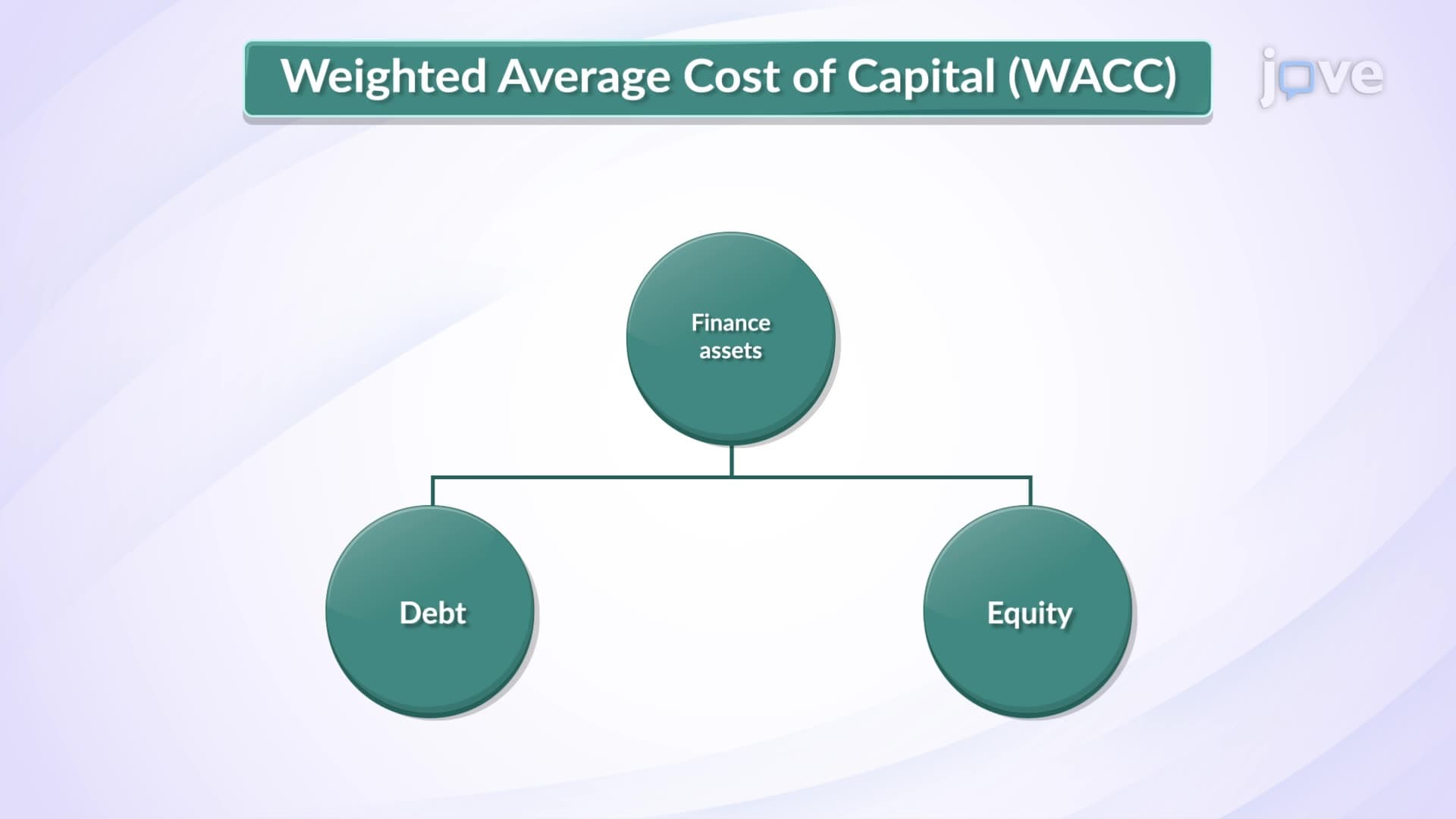
When Amazon's leadership evaluates whether to build new fulfillment centers or invest in cloud infrastructure, they rely on weighted average cost of capital as their financial North Star. This metric represents the blended cost of all financing sources-debt and equity-weighted by their respective proportions in the company's capital structure. Unlike academic exercises, real-world WACC calculations drive billion-dollar decisions that shape competitive positioning and shareholder returns.
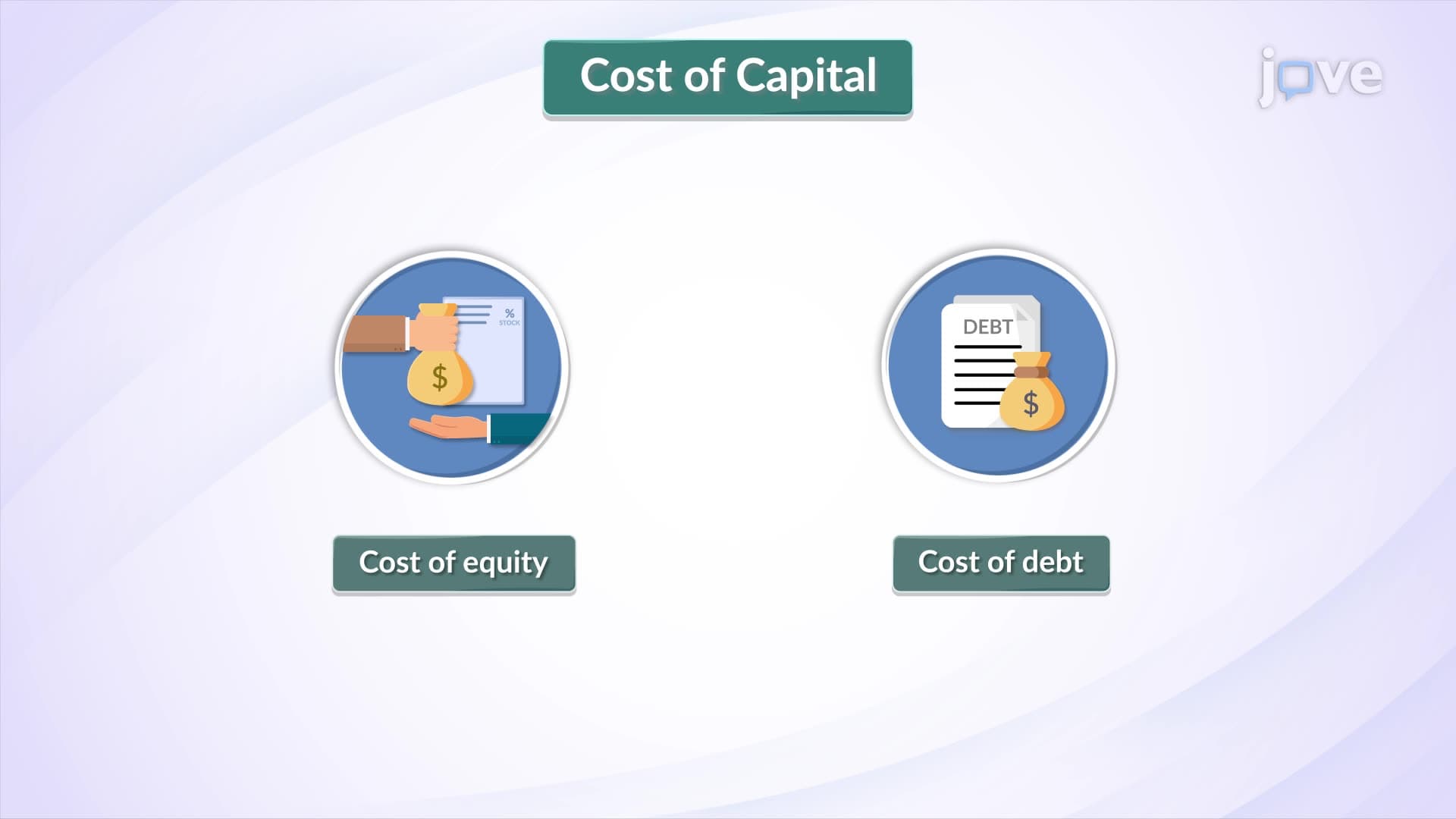
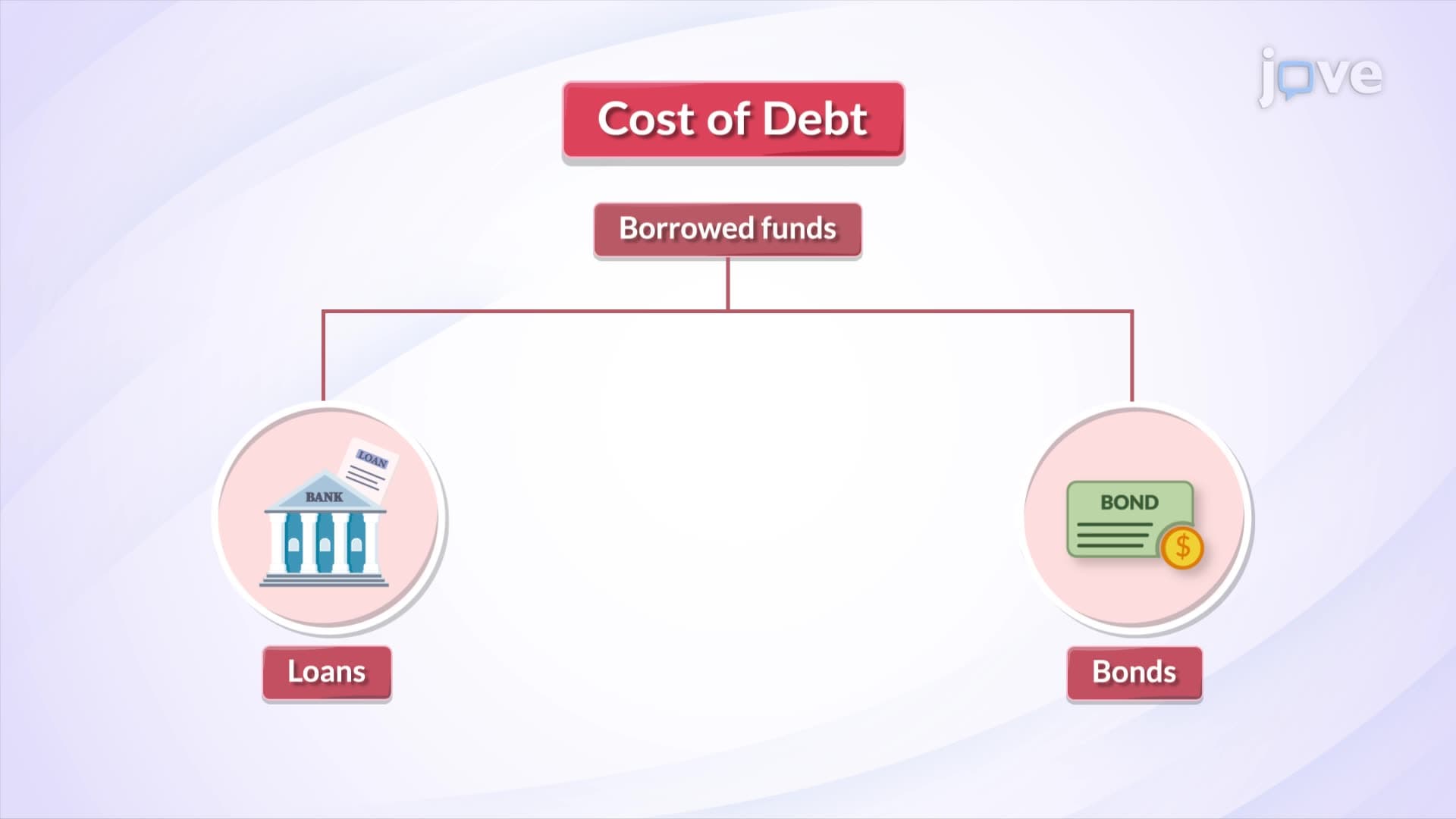
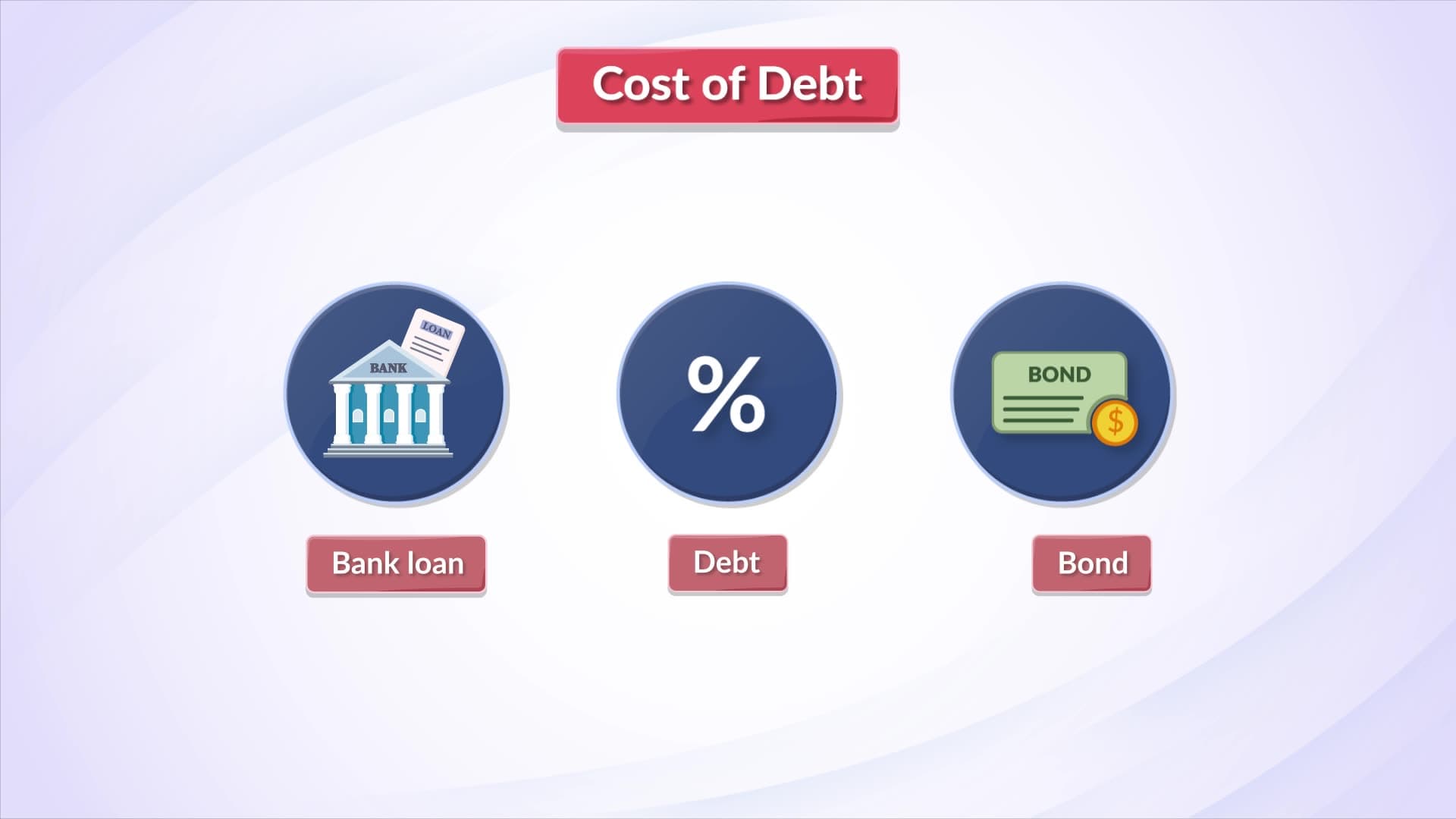
The formula balances two critical financing costs: equity and debt. Cost of equity reflects investor return expectations based on market risk, typically calculated using the Capital Asset Pricing Model (CAPM). For established companies like Coca-Cola, this might range from 8-12% depending on market conditions. Cost of debt represents borrowing rates, but with a crucial advantage-interest payments are tax-deductible, creating the "tax shield" effect that reduces the effective cost of debt financing.
Consider how Apple manages its capital structure despite holding massive cash reserves. The company strategically issues debt at low rates (often 2-4%) while maintaining equity financing, creating an optimal WACC that supports both dividend payments and share buyback programs. The weighted calculation ensures that management understands the true cost of capital deployment across different financing scenarios.
WACC serves multiple strategic functions beyond simple project evaluation. Investment banking teams use it for valuation models in M&A transactions. Corporate development professionals apply it when assessing internal rate of return thresholds for new market entry. Treasury departments leverage WACC insights to optimize debt refinancing timing and structure. The metric also influences dividend policy decisions, as distributions must compete against reinvestment opportunities that exceed the weighted average cost threshold.
Smart managers recognize that WACC isn't static-it fluctuates with market conditions, credit ratings, and capital structure changes. Companies like Tesla have seen dramatic WACC shifts as their credit profile improved and borrowing costs declined, fundamentally altering their investment opportunity landscape.
Related Micro-courses