Loading video…


 10 Concepts
 2.9K views

Video Summary: Concept of Cost of Capital Explained
Smart capital allocation decisions separate thriving companies from struggling ones-yet many managers lack clarity on the concept cost capital fundamentals driving these choices. The concept of cost of capital explained reveals how companies like Apple balance equity and debt financing costs to maximize shareholder returns. When Microsoft evaluates multi-billion-dollar acquisitions, understanding this benchmark ensures projects generate value beyond investor expectations. Watch the full video on JoVE Coach to master this concept with expert-led visuals and step-by-step explanations.
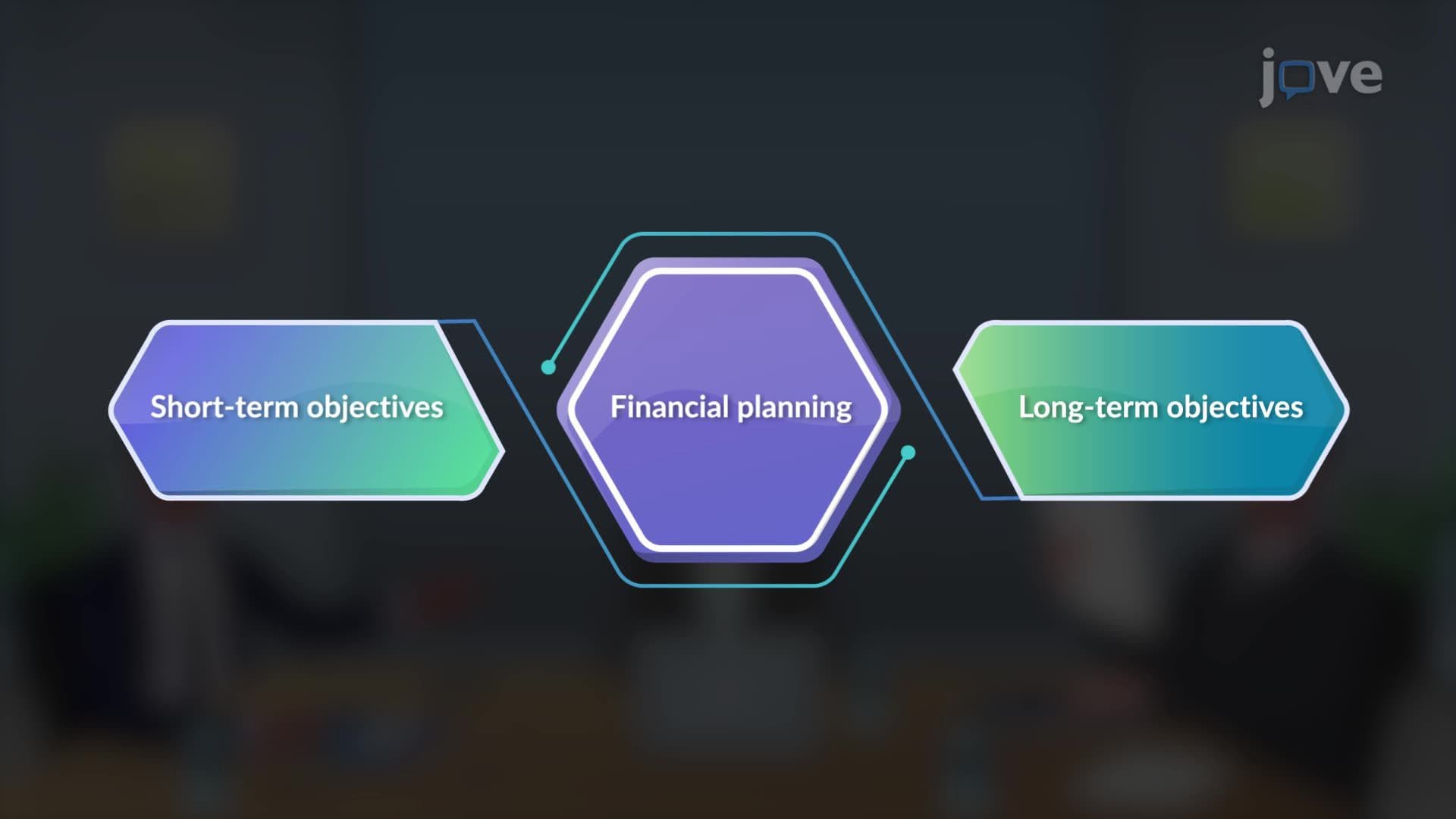
When Amazon's leadership evaluates whether to build new fulfillment centers or Tesla decides to expand manufacturing capacity, they rely on a fundamental financial principle: the concept cost capital. This metric represents the minimum return threshold that justifies any investment, balancing the expectations of both debt holders and equity investors who fund business operations.
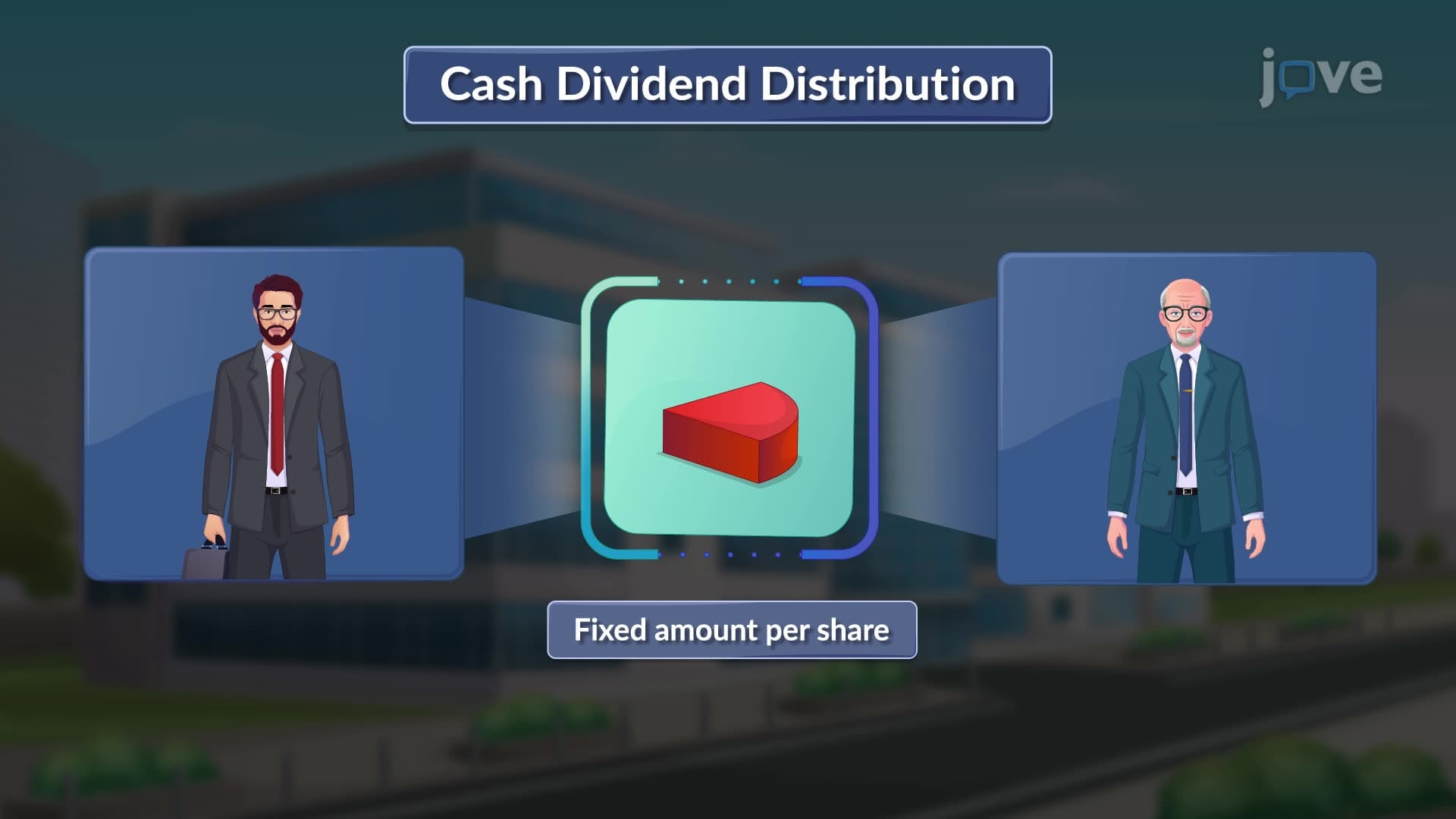
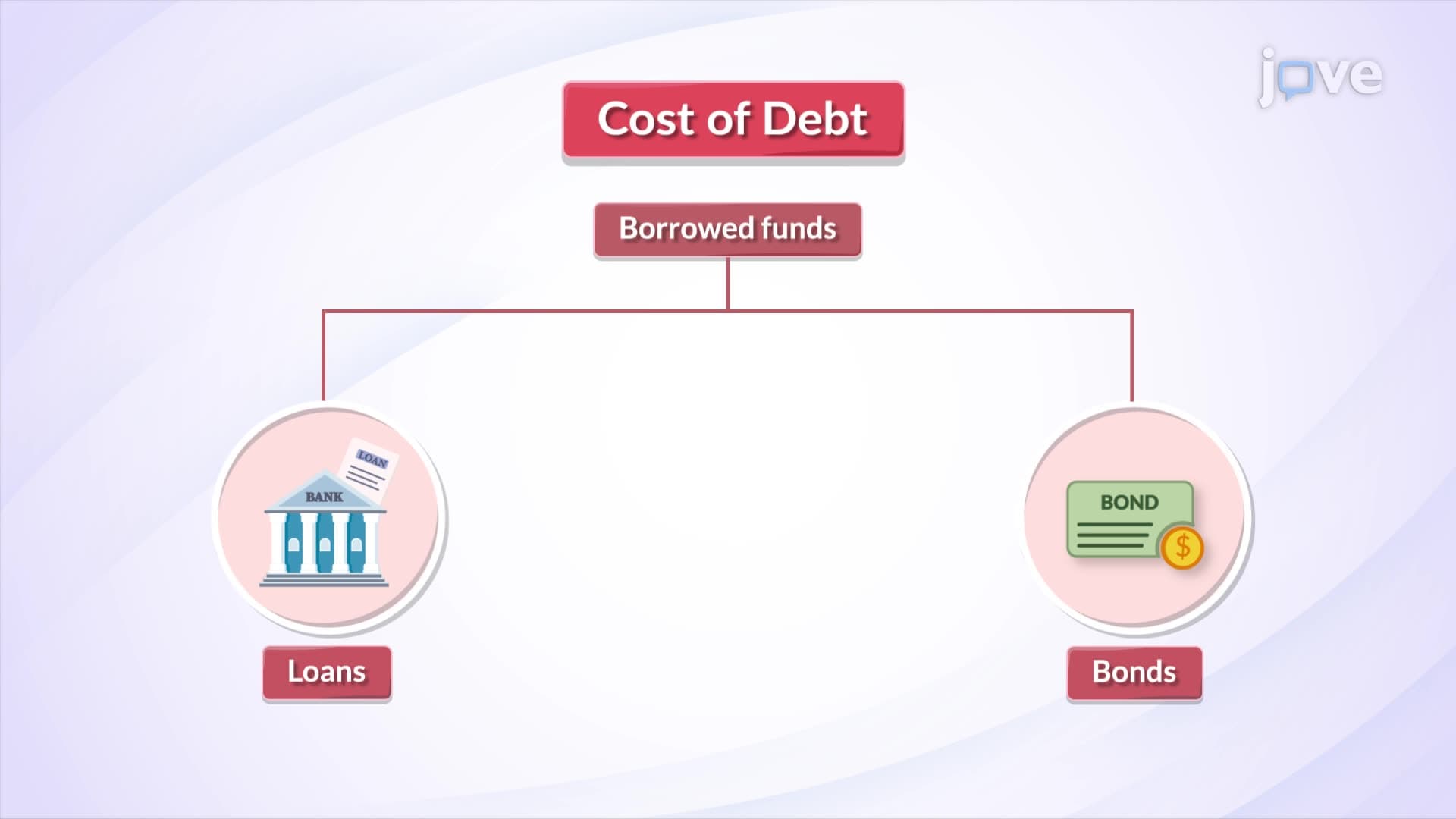
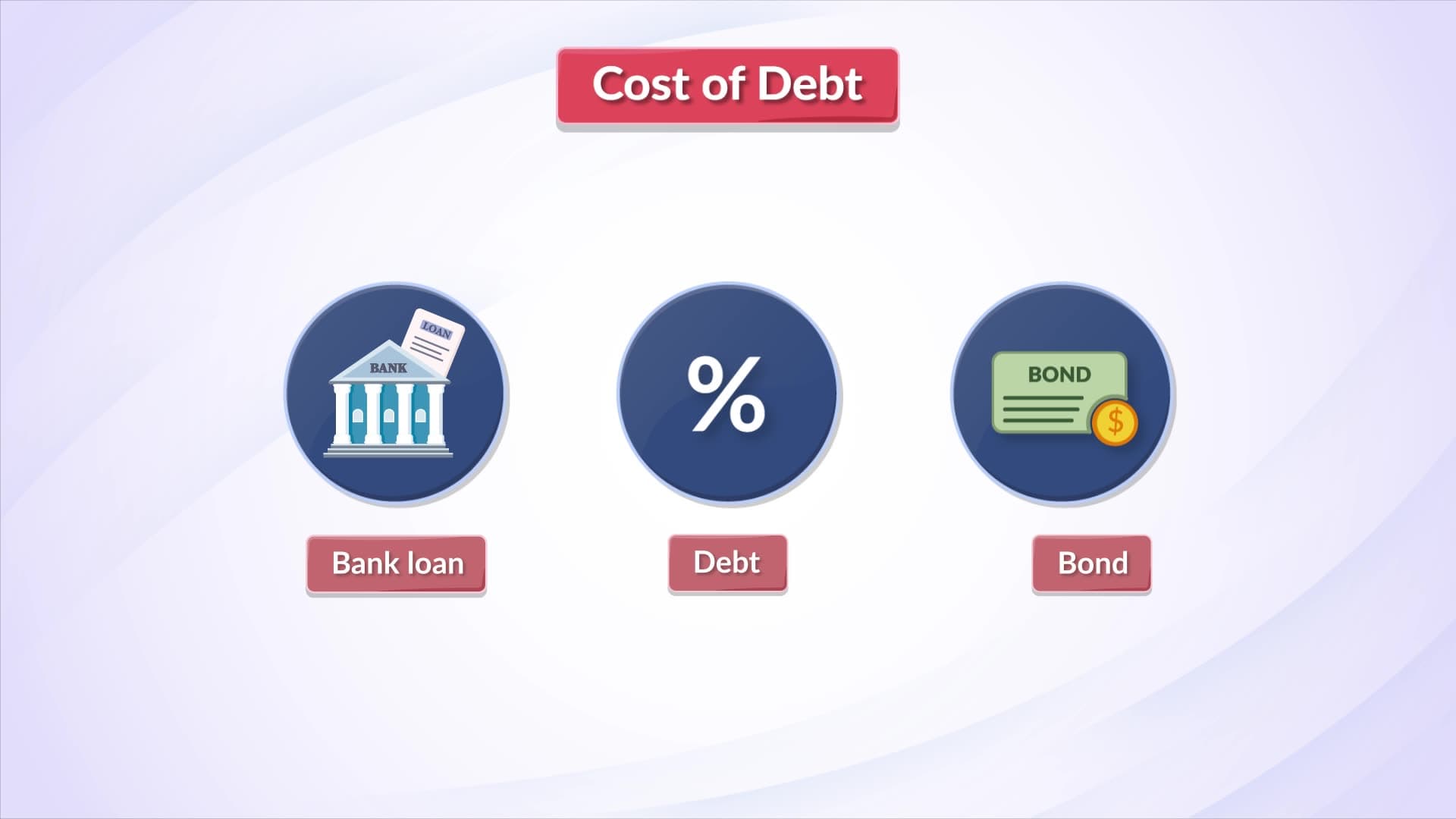
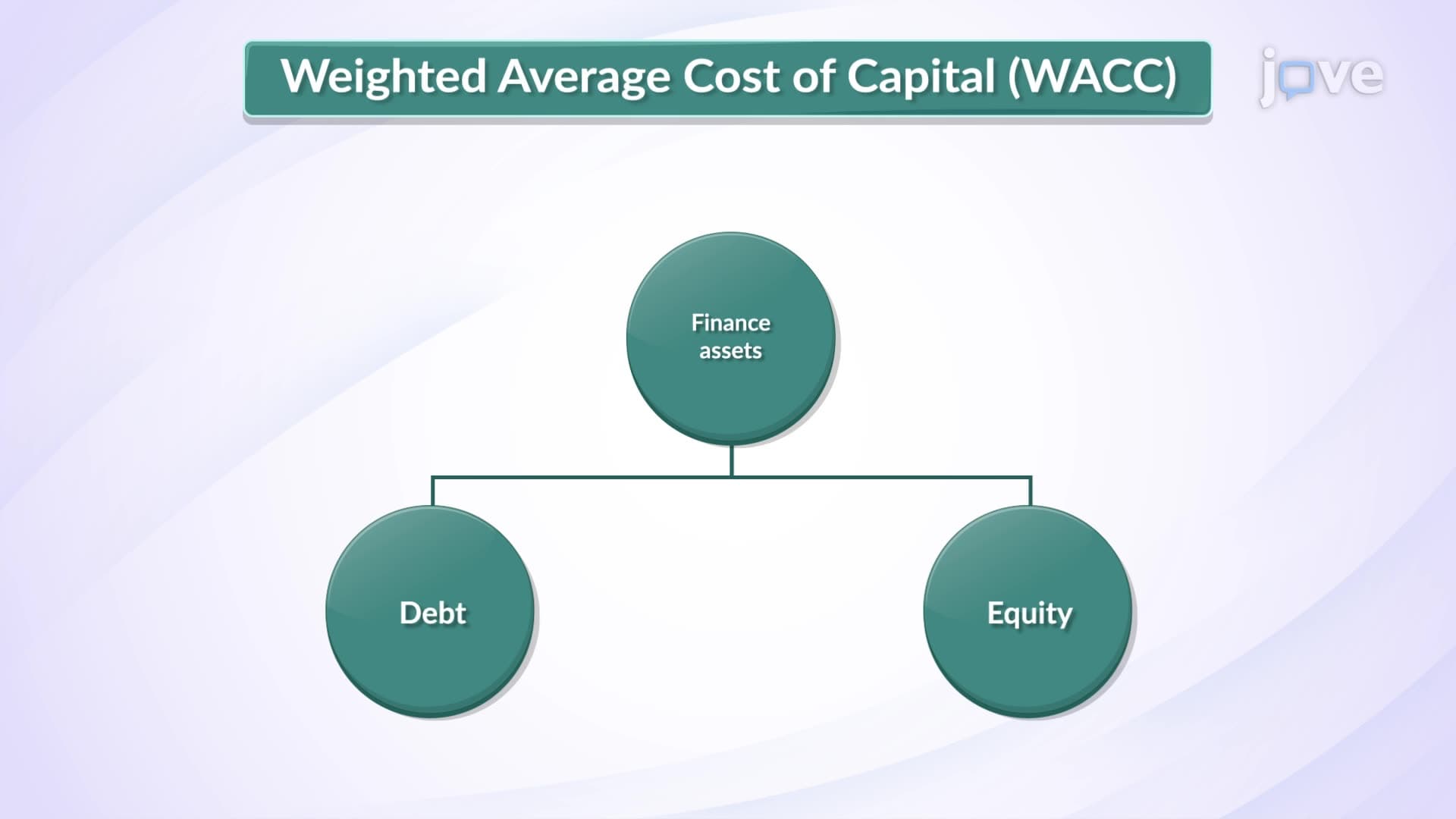
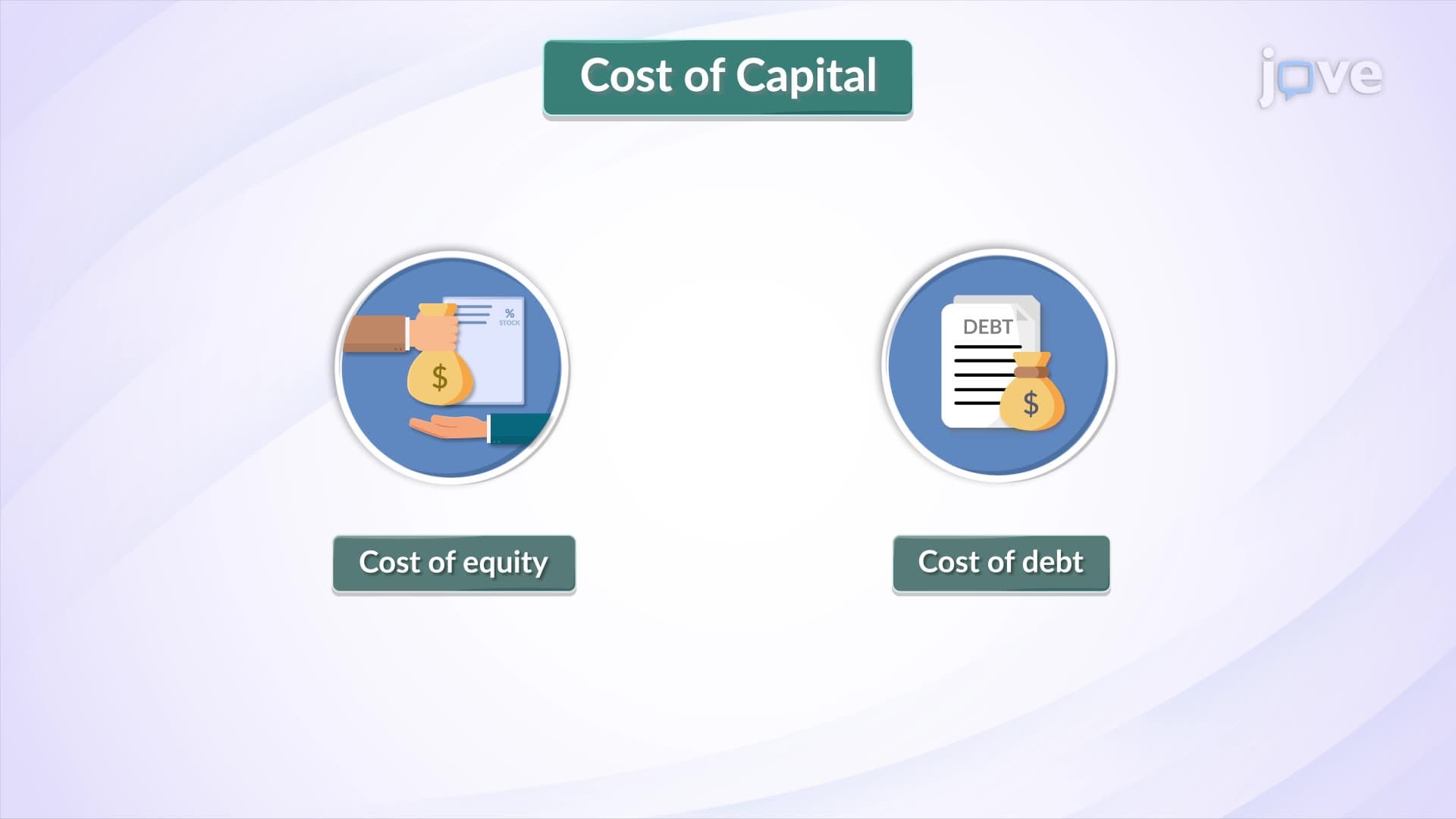
The concept of cost of capital explained encompasses two primary components that reflect different financing sources. Equity cost represents the return shareholders demand for accepting ownership risk-typically higher than debt costs due to subordinated claims on company assets. For instance, tech companies like Google often maintain higher equity costs reflecting growth expectations and market volatility. Debt cost, conversely, represents the interest rate on borrowed funds, influenced by credit ratings and market conditions. Companies like Berkshire Hathaway leverage their AAA credit ratings to access lower-cost debt financing.
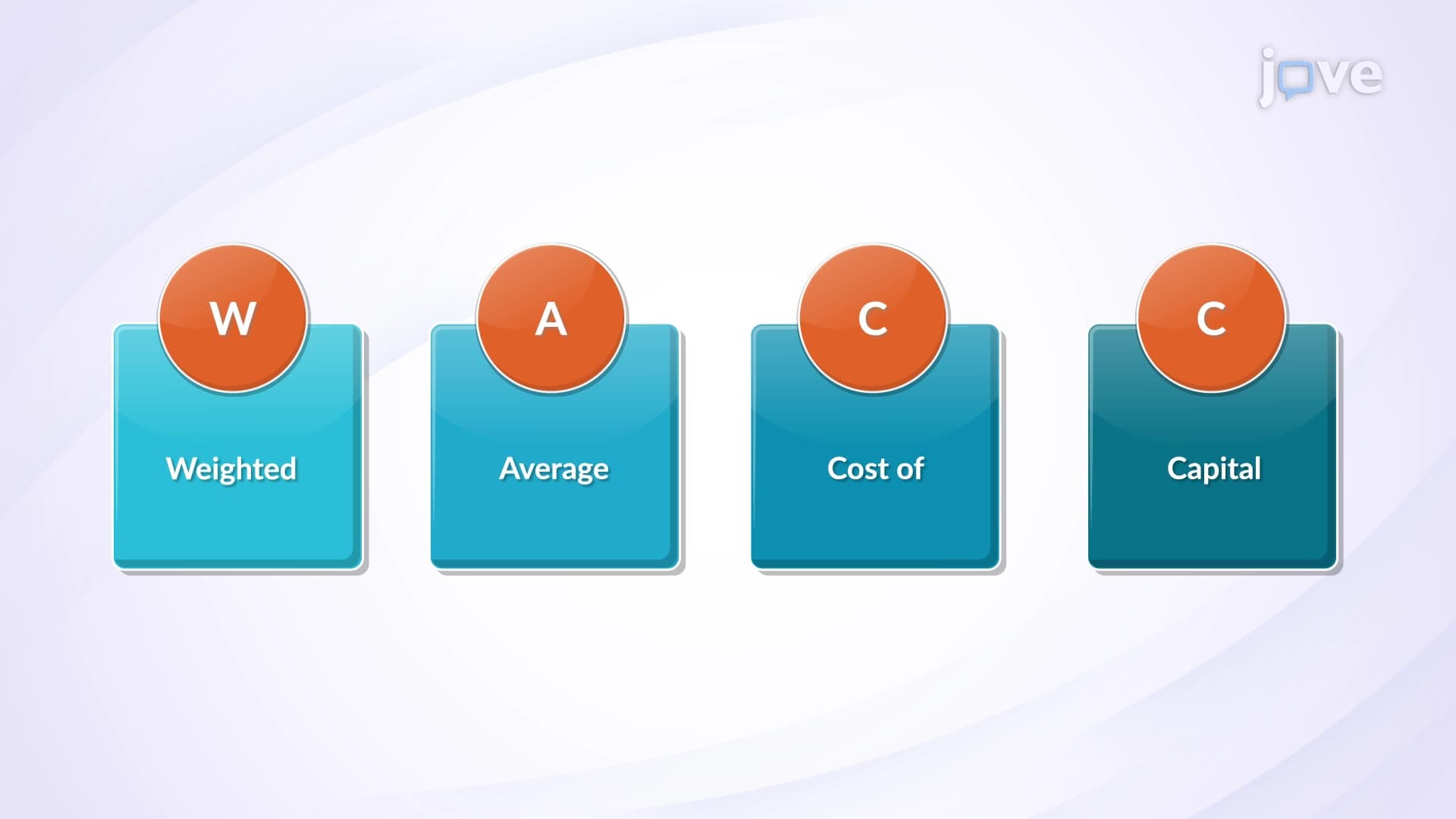
Understanding what is concept of cost capital enables executives to make data-driven resource allocation decisions. When Ford Motor Company evaluates electric vehicle investments, project returns must exceed the weighted average cost of capital (WACC) to create shareholder value. Projects returning below this threshold destroy value, regardless of revenue generation. This framework prevents common strategic errors where companies pursue growth without considering financing costs.
The concept cost capital directly impacts competitive positioning through capital efficiency metrics. Companies with lower capital costs gain strategic advantages in pricing, acquisition capabilities, and market expansion. Walmart's historically low cost of capital enabled aggressive expansion strategies that competitors couldn't match. Similarly, utilities like NextEra Energy leverage stable cash flows to maintain lower capital costs, supporting infrastructure investments that enhance long-term competitive moats.
Related Micro-courses