Loading subject page…


2,914 views


Video Summary: Required Return Vs Cost of Capital Explained
Corporate finance executives face critical capital allocation decisions daily, with required return cost capital calculations determining whether billion-dollar projects move forward or get shelved. When Amazon evaluates new fulfillment centers or AWS data centers, leadership must ensure projected returns exceed both investor expectations and financing costs. Required return vs cost of capital explained through practical frameworks helps finance professionals make defensible investment decisions that drive shareholder value. Watch the full video on JoVE Coach to master this concept with expert-led visuals and step-by-step explanations.
Corporate treasurers and CFOs navigate a fundamental tension: balancing investor return expectations against the actual cost of raising capital. This dynamic shapes every major business decision, from R&D investments to acquisition strategies. When Microsoft commits $10 billion to AI infrastructure, finance teams must demonstrate that expected returns exceed both the company's weighted average cost of capital and the specific risk-adjusted returns that institutional investors demand.
Required return represents the minimum return threshold that investors demand for bearing investment risk. Pension funds investing in Apple stock might require 8-10% annual returns, while venture capital firms backing early-stage biotechnology companies demand 25-30% returns due to higher risk profiles. These expectations directly influence stock valuations and determine whether companies can access capital markets on favorable terms.
Professional investors use sophisticated models like the Capital Asset Pricing Model (CAPM) to calculate required returns: Risk-free rate + Beta × Market risk premium. When the 10-year Treasury yields 4% and equity market premiums average 6%, a technology stock with a beta of 1.5 faces required returns around 13%.
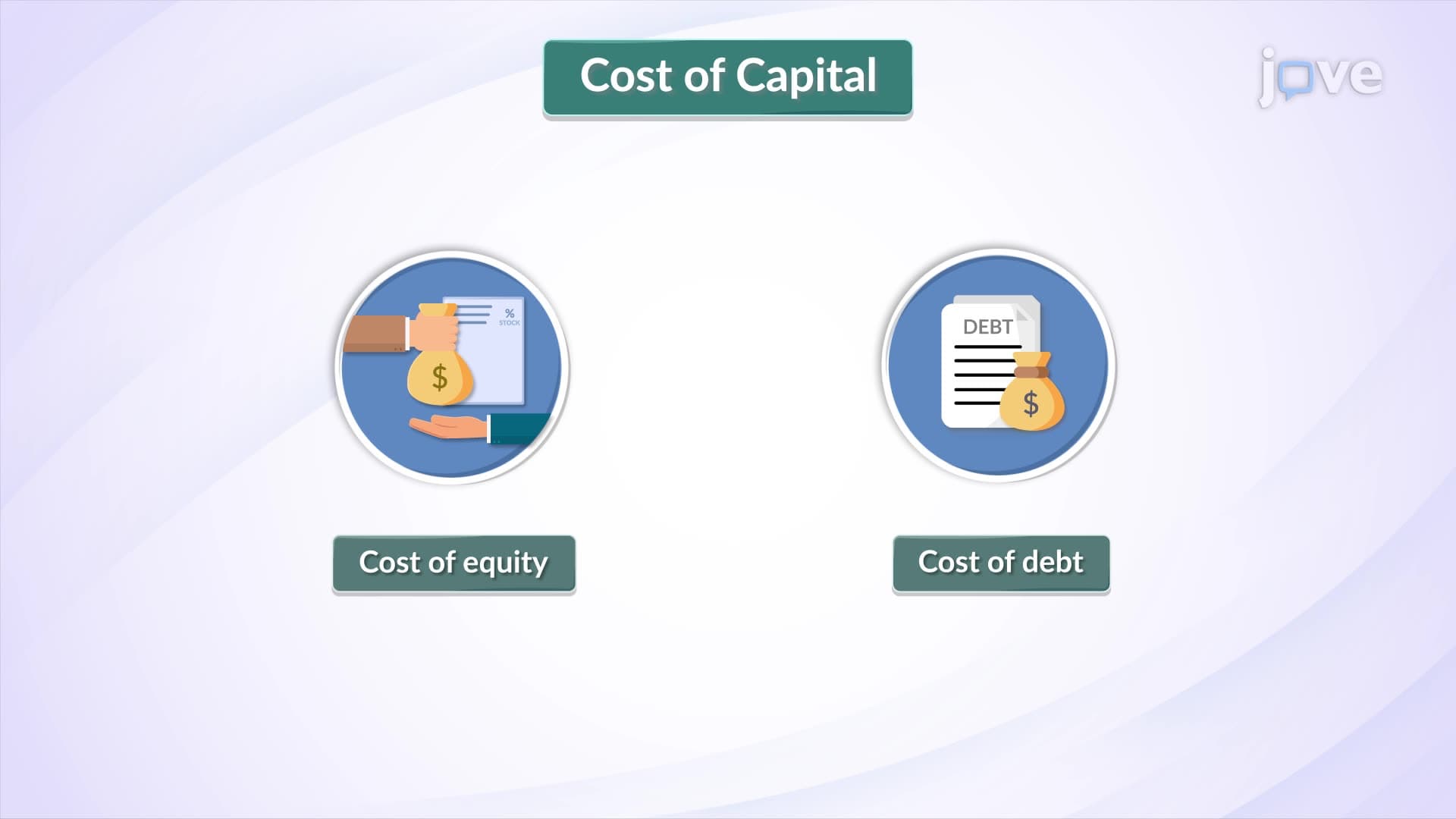
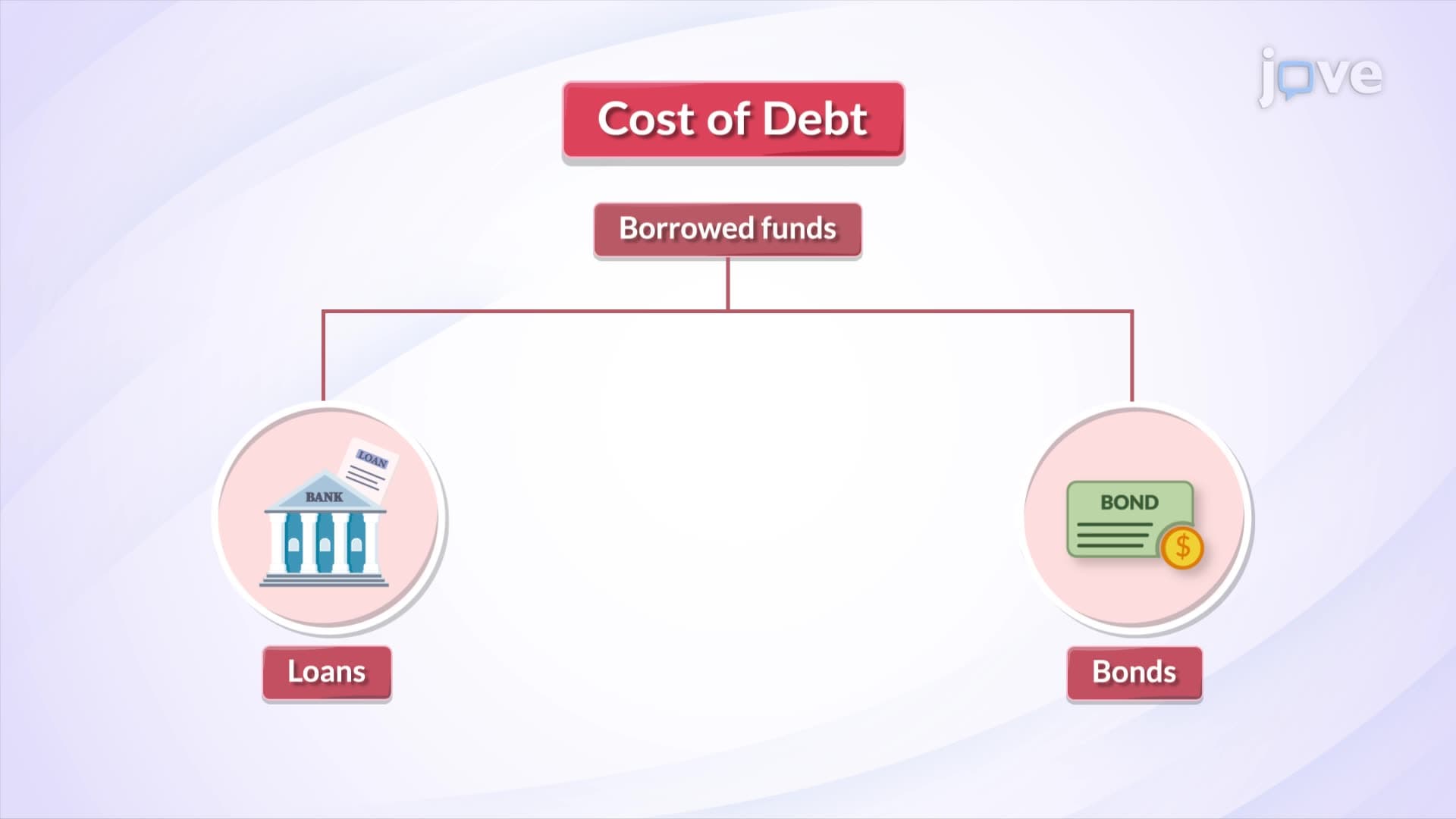
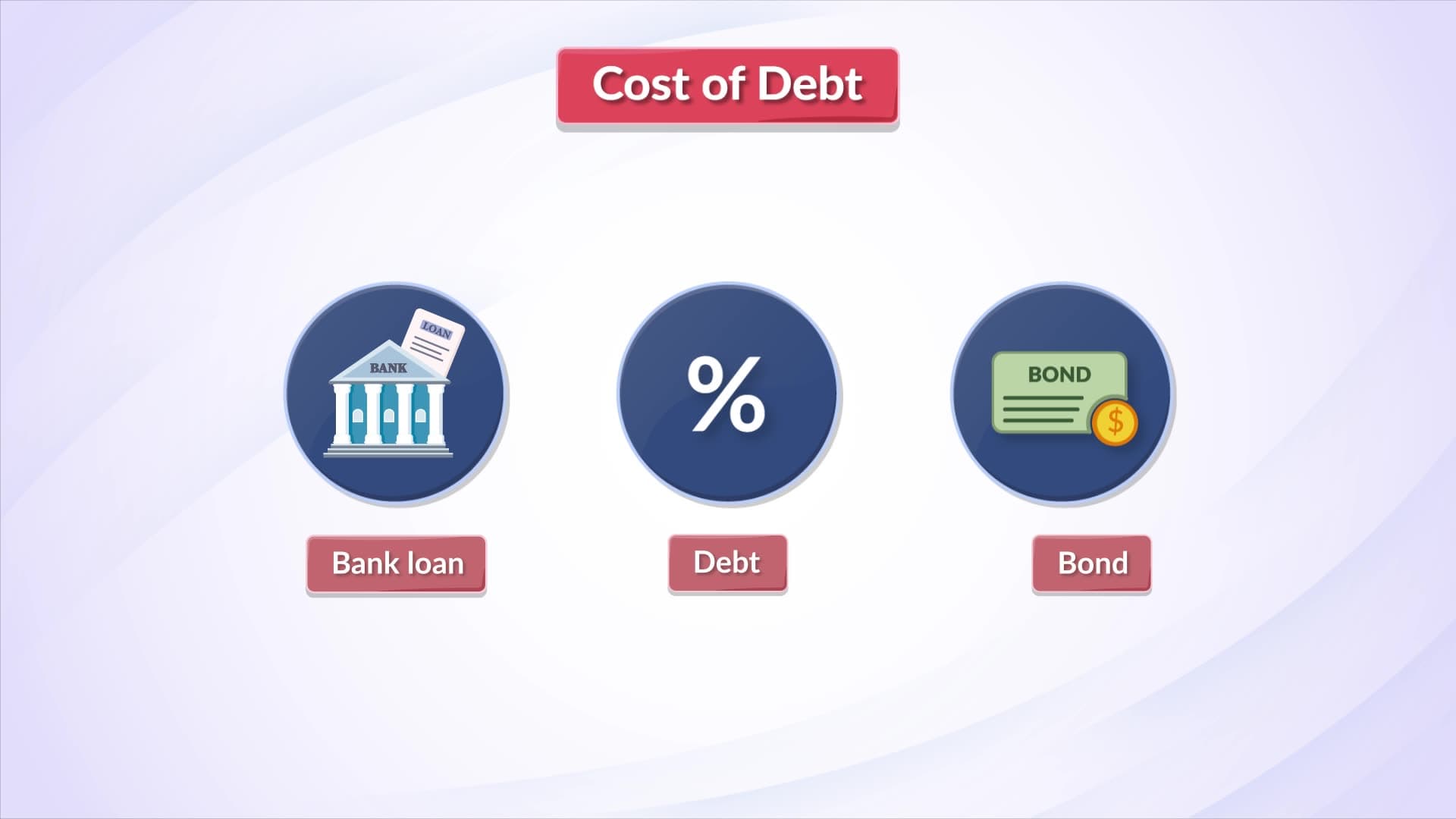
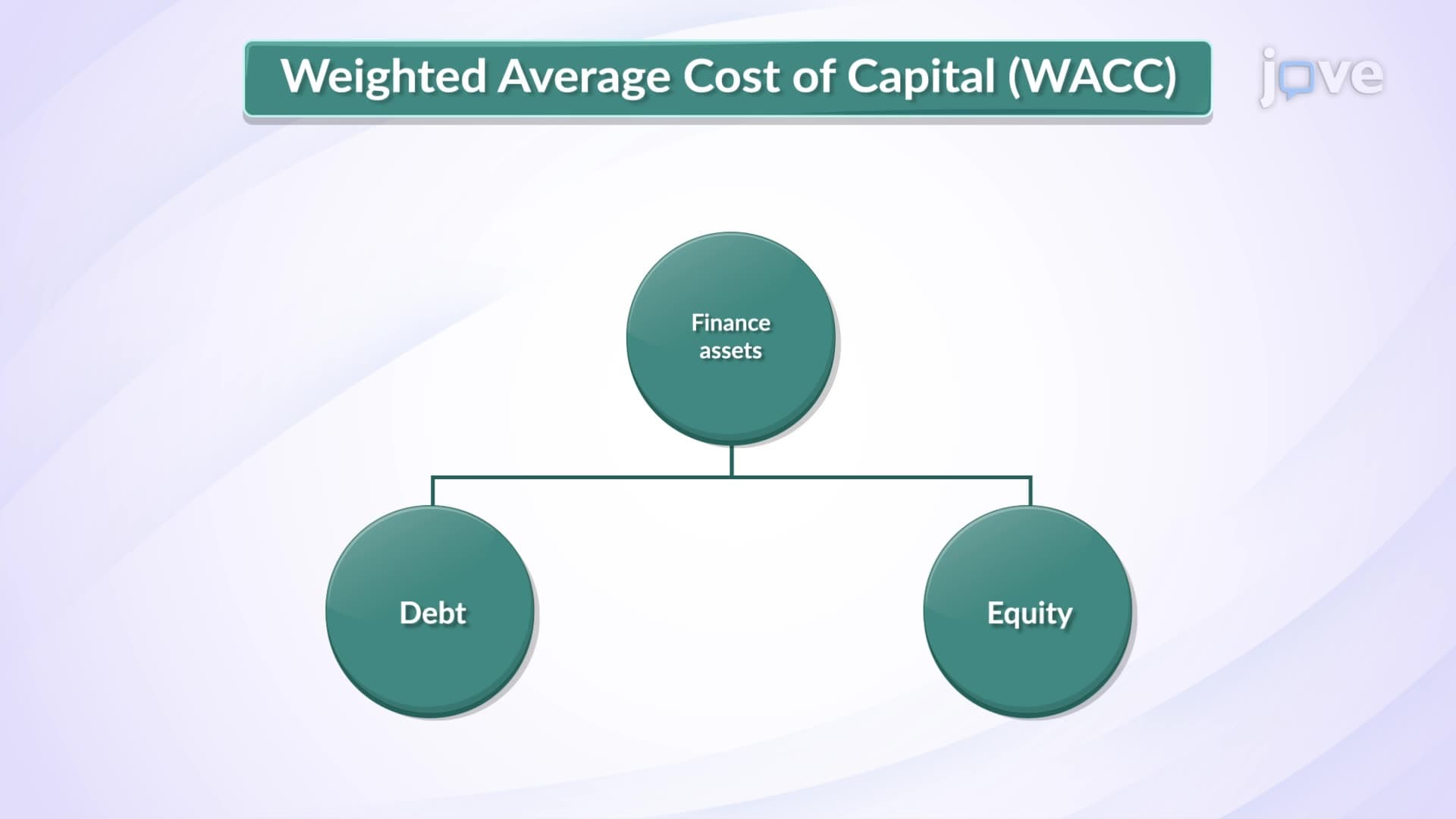
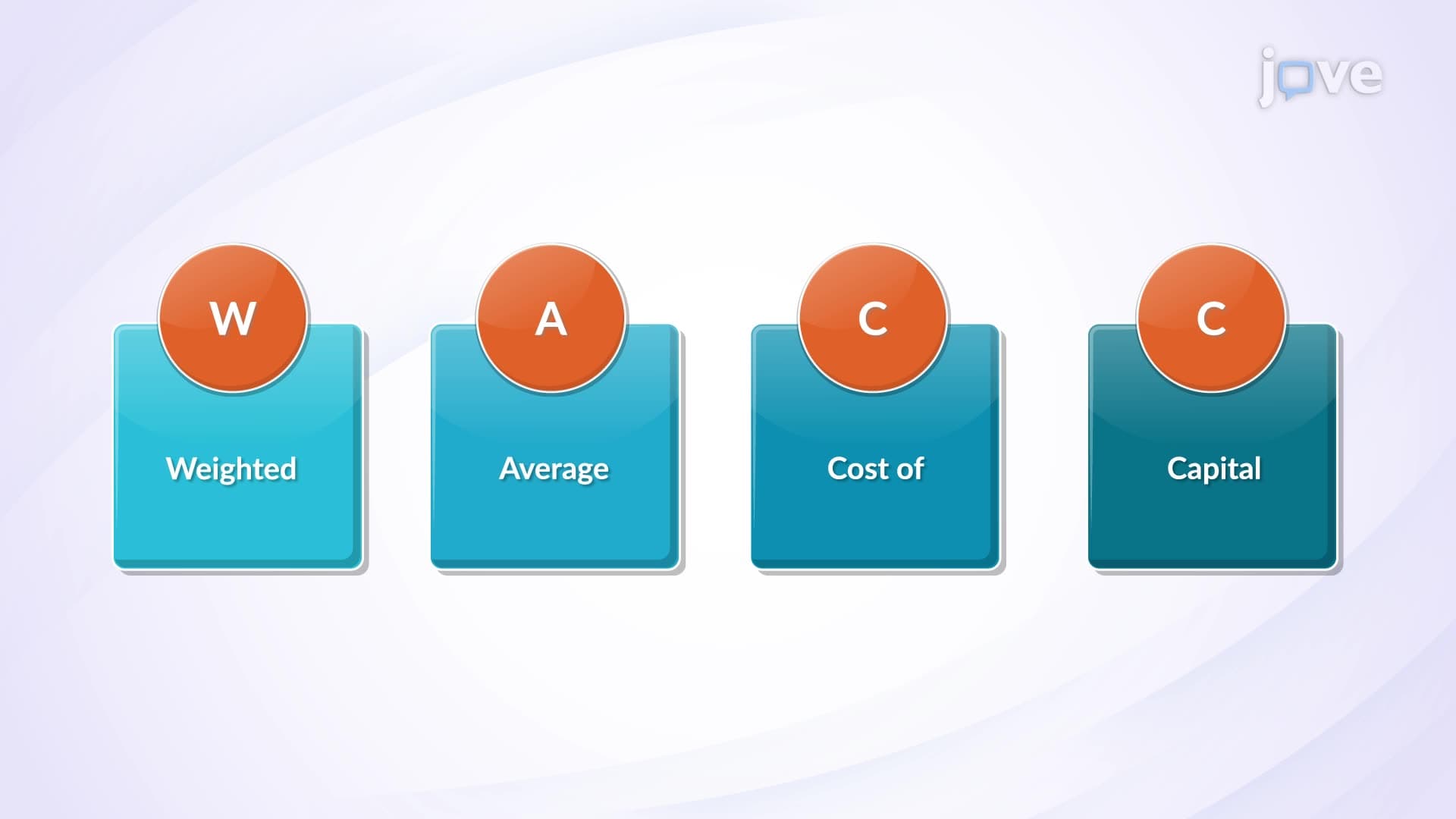
Cost of capital reflects the blended expense of debt and equity financing. Investment-grade corporations like Johnson & Johnson might secure bonds at 4-5% interest rates, while their equity holders expect 7-9% returns. The weighted average cost of capital (WACC) formula combines these components: (Cost of Debt × Debt Weight) + (Cost of Equity × Equity Weight).
Strategic finance teams continuously optimize this mix. During low interest rate environments, companies often increase debt ratios to reduce overall capital costs. Conversely, when credit spreads widen during economic uncertainty, maintaining strong equity positions becomes paramount for financial flexibility.
Investment committees use these metrics to evaluate competing projects systematically. When Walmart considers new distribution centers, each proposal must demonstrate returns exceeding the company's WACC of approximately 6-7%. Projects generating 8-10% internal rates of return create shareholder value, while those falling short destroy capital regardless of operational benefits.
This framework extends beyond capital expenditures to strategic initiatives like digital transformation investments, where quantifying returns proves challenging but financial discipline remains essential.
Related Micro-courses