Loading video…


 10 Concepts
 2.9K views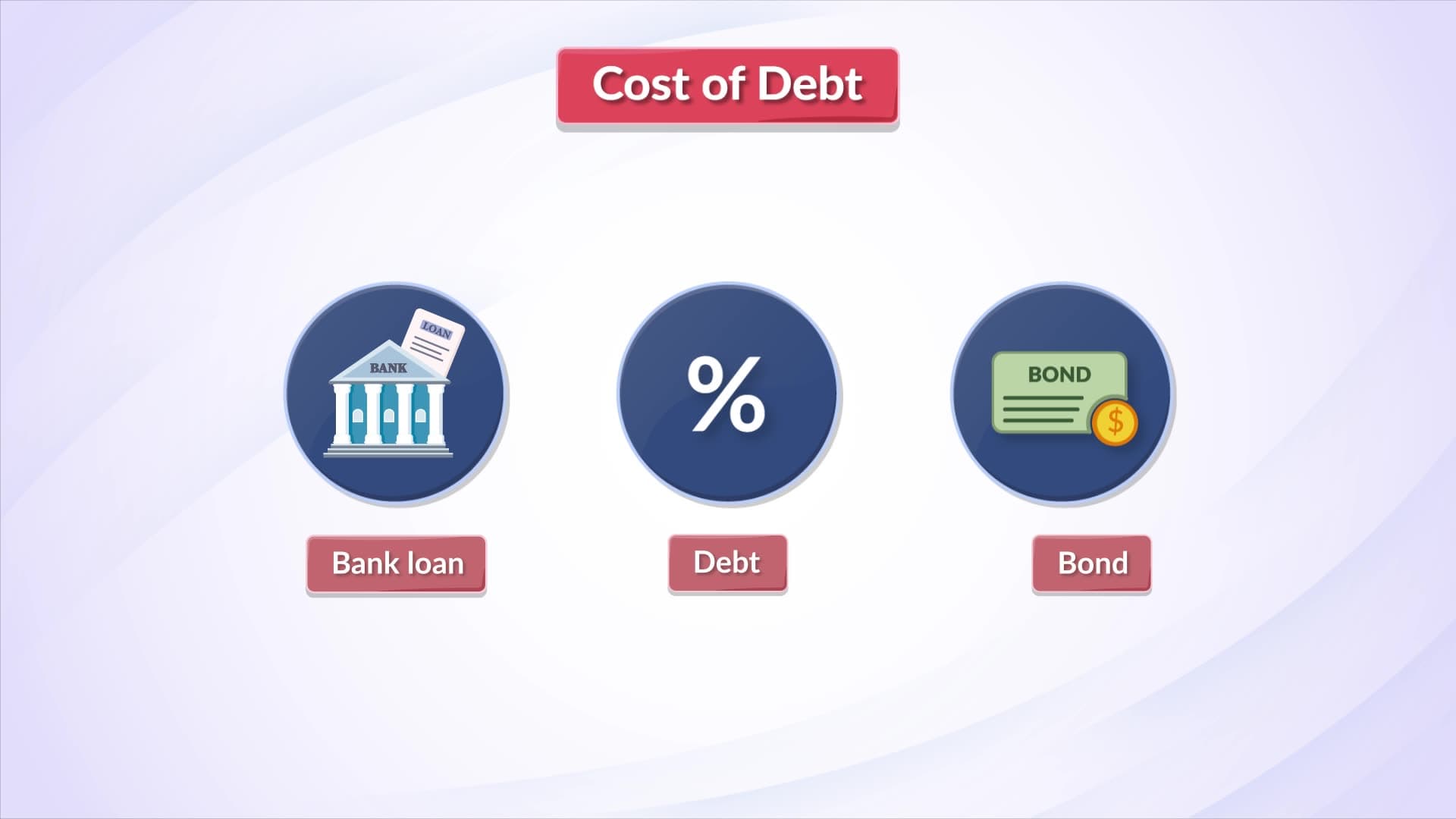

Video Summary: What Is Calculating Cost of Debt
Calculating cost debt determines the true financial impact of borrowing after tax benefits, a critical metric for CFOs evaluating capital structure decisions. Companies like General Electric routinely calculate their effective debt costs to optimize financing strategies and improve shareholder returns. What is calculating cost of debt becomes essential when comparing financing options or presenting cost of capital analyses to boards of directors. The calculation adjusts gross interest rates for tax deductibility, revealing the actual burden on cash flows and profitability. Watch the full video on JoVE Coach to master this concept with expert-led visuals and step-by-step explanations.
When Walmart's treasury team evaluates a $500 million bond issuance, they don't simply look at the coupon rate. The calculating cost debt process reveals the true economic burden after accounting for tax benefits, directly impacting shareholder returns and competitive positioning. This metric drives critical decisions from board-level capital allocation to day-to-day working capital management.
The calculating cost of debt definition explained centers on the tax deductibility of interest payments. Unlike dividend payments to shareholders, interest expenses reduce taxable income dollar-for-dollar. For a company in the 25% corporate tax bracket paying 6% on debt, the effective cost drops to 4.5% after tax benefits. This tax shield makes debt financing particularly attractive for profitable companies with substantial tax liabilities.
Consider Microsoft's approach to capital structure optimization. With billions in annual profits, the company leverages the tax deductibility of interest to reduce its overall cost of capital. The calculating cost debt formula becomes: Effective Cost = Interest Rate × (1 - Tax Rate). This simple calculation drives complex strategic decisions about optimal leverage ratios and financing mix.
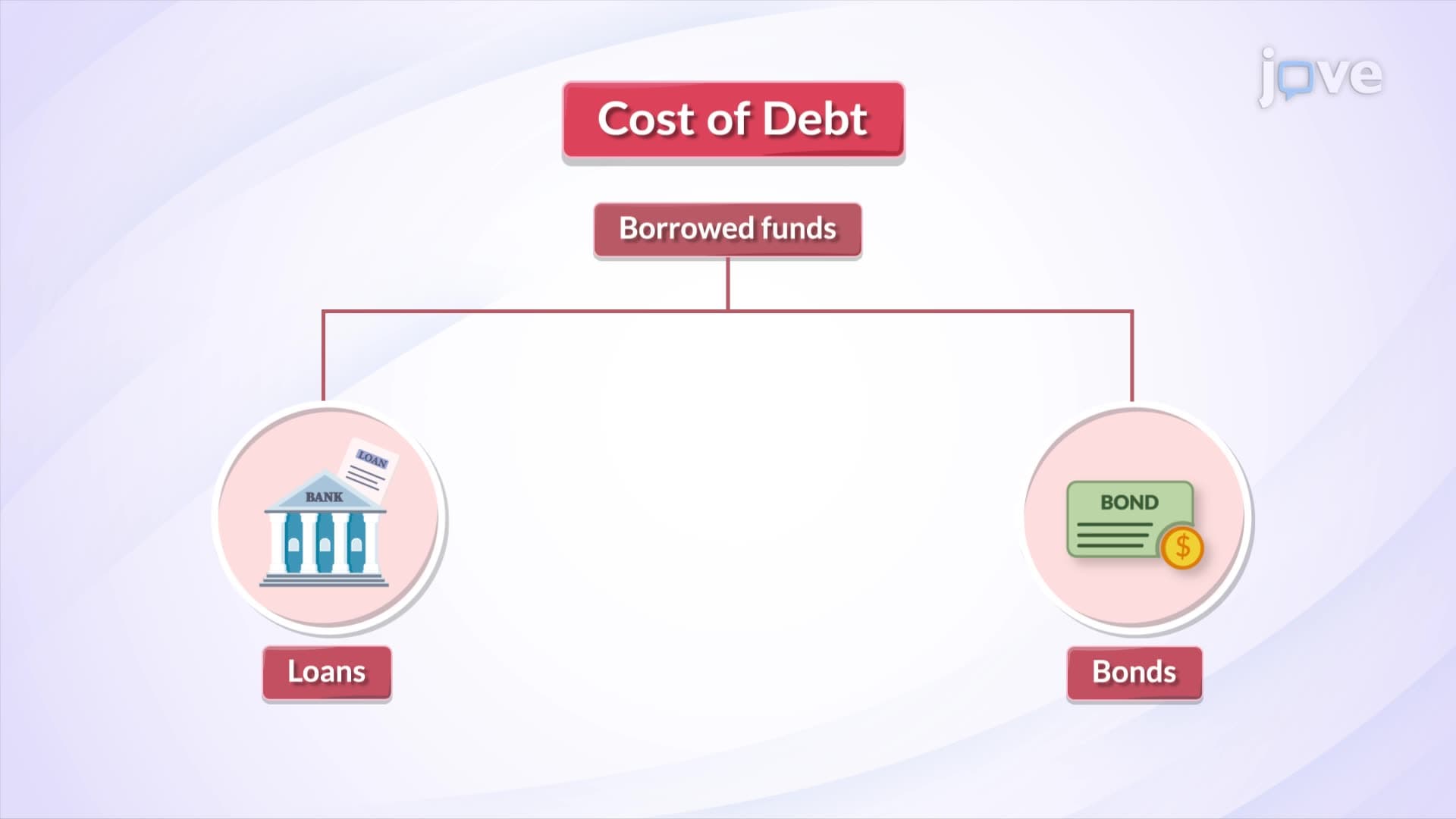
The calculating cost of debt concept explained extends beyond basic financial calculations into strategic territory. Private equity firms use these metrics to structure leveraged buyouts, maximizing returns through optimal debt-to-equity ratios. Corporate development teams apply debt cost analysis when evaluating acquisition financing options, comparing bank loans, corporate bonds, and alternative lending sources.
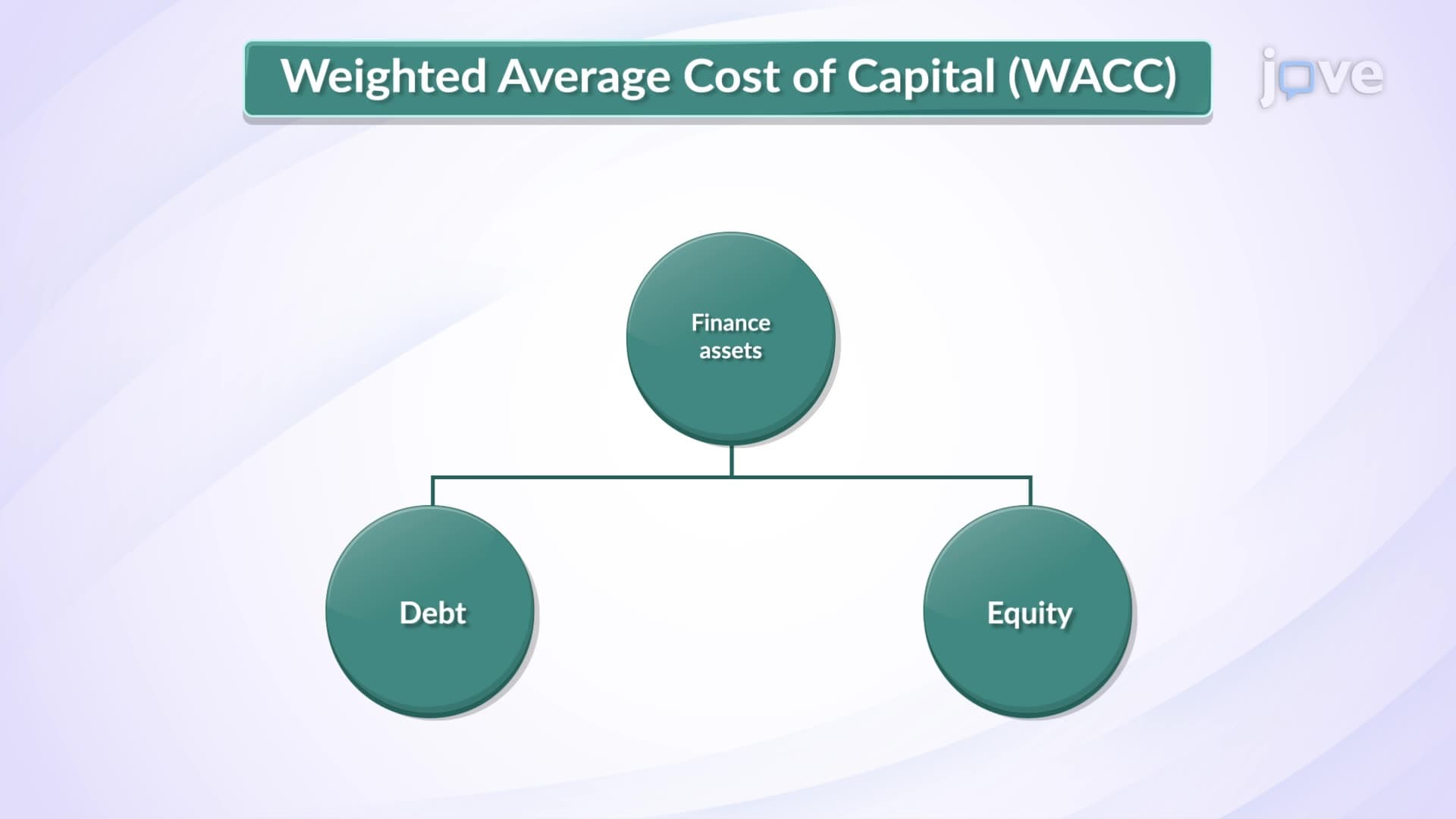
Investment committees rely on accurate debt cost calculations for hurdle rate determinations and project approval processes. When Amazon evaluates new warehouse investments, the after-tax cost of debt partially determines the weighted average cost of capital used in NPV analyses. This calculating cost debt process ensures capital allocation decisions reflect true economic costs.
Different industries exhibit varying debt cost profiles based on business models, asset bases, and cash flow predictability. Utilities like Consolidated Edison typically maintain higher leverage ratios and lower debt costs due to regulated revenue streams and substantial fixed assets serving as collateral. Technology companies often show different patterns, with firms like Apple maintaining minimal debt despite low borrowing costs, preferring financial flexibility over tax optimization.
Related Micro-courses