Loading video…


 10 Concepts
 2.9K views

Video Summary: What Is Calculating Cost of Equity
When Walmart evaluates multi-billion dollar expansion projects, calculating cost of equity becomes mission-critical for maintaining shareholder value. This fundamental financial metric determines the minimum return required to compensate equity investors for market risks. The Capital Asset Pricing Model (CAPM) provides the industry-standard framework: cost of equity equals risk-free rate plus beta multiplied by market risk premium. Watch the full video on JoVE Coach to master this concept with expert-led visuals and step-by-step explanations.
Consider Microsoft's treasury team preparing for a $10 billion cloud infrastructure investment. They must determine whether projected returns justify the equity capital deployment-a decision requiring precise cost of equity calculations. This metric represents the compensation rate equity investors demand for bearing company-specific and market-wide risks.
The Capital Asset Pricing Model provides the mathematical foundation: Cost of Equity = Risk-Free Rate + (Beta × Market Risk Premium). Each component carries strategic implications. The risk-free rate, typically the 10-year U.S. Treasury yield, establishes the baseline return for zero-risk investments. Currently hovering around 4-5%, this rate fluctuates with Federal Reserve policy and economic conditions.
Beta measures stock price volatility relative to broader market movements. A beta above 1.0 indicates higher volatility than the S&P 500, suggesting greater business or financial risk. Technology companies like Tesla often exhibit betas exceeding 1.5, while utilities like Consolidated Edison typically maintain betas below 1.0, reflecting their stable, regulated business models.
The market risk premium represents additional returns investors expect for choosing equities over risk-free government bonds. Historically averaging 5-6% in U.S. markets, this premium expands during economic uncertainty and contracts during bull markets. Companies operating in volatile sectors-energy, biotechnology, or emerging technologies-face higher implied risk premiums.
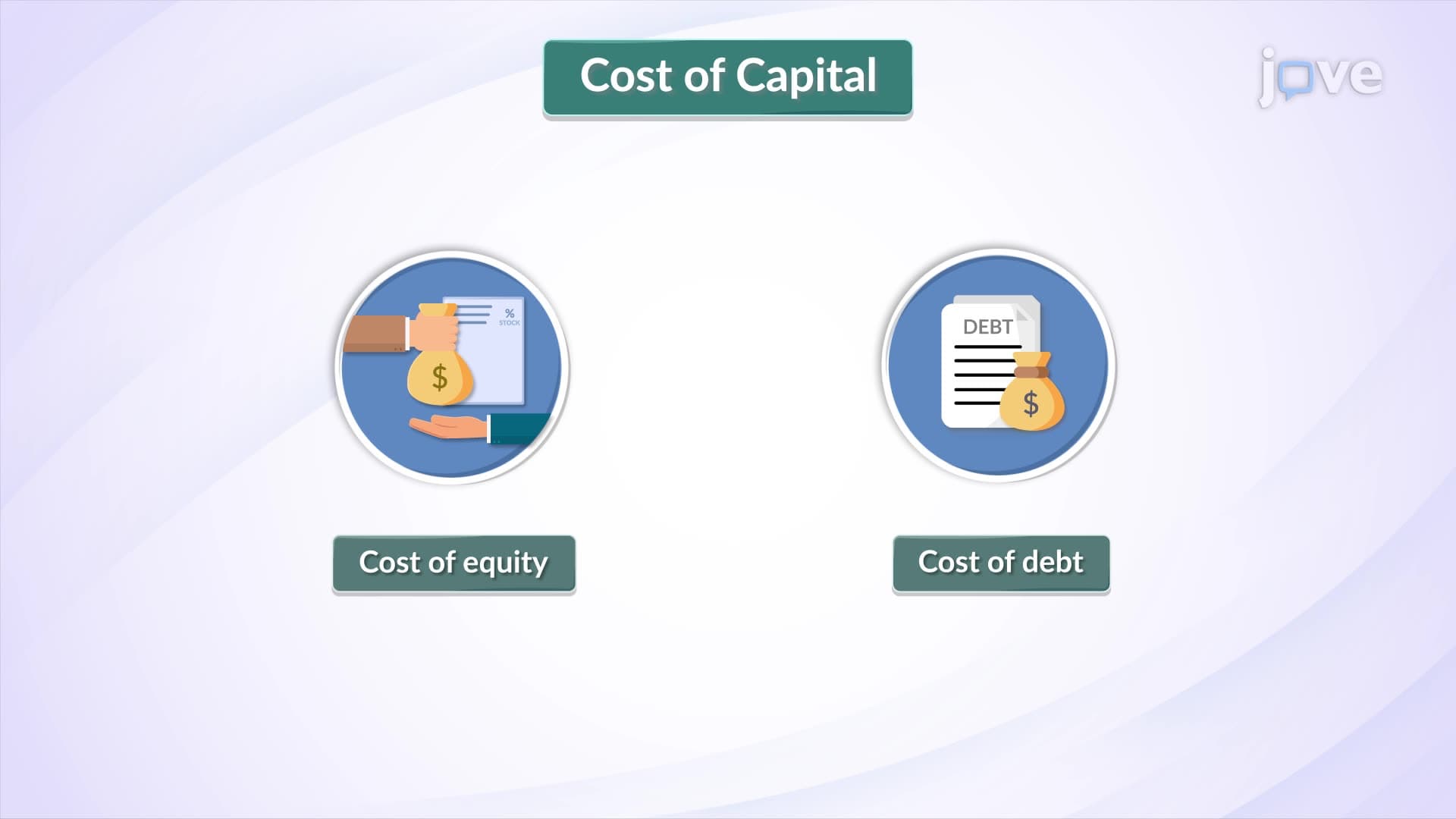
Cost of equity calculations drive critical business decisions beyond project evaluation. During capital structure optimization, finance teams compare debt costs against equity costs to determine optimal leverage ratios. In dividend policy decisions, boards consider whether cash returns to shareholders exceed reinvestment opportunities that clear the cost of equity hurdle.
Investment banking professionals use cost of equity in discounted cash flow models for M&A valuations. Private equity firms apply these calculations when setting return targets for portfolio companies. Even startup entrepreneurs benefit from understanding how venture capitalists evaluate required returns based on perceived risk profiles.
Related Micro-courses