Loading video…


 10 Concepts
 2.9K views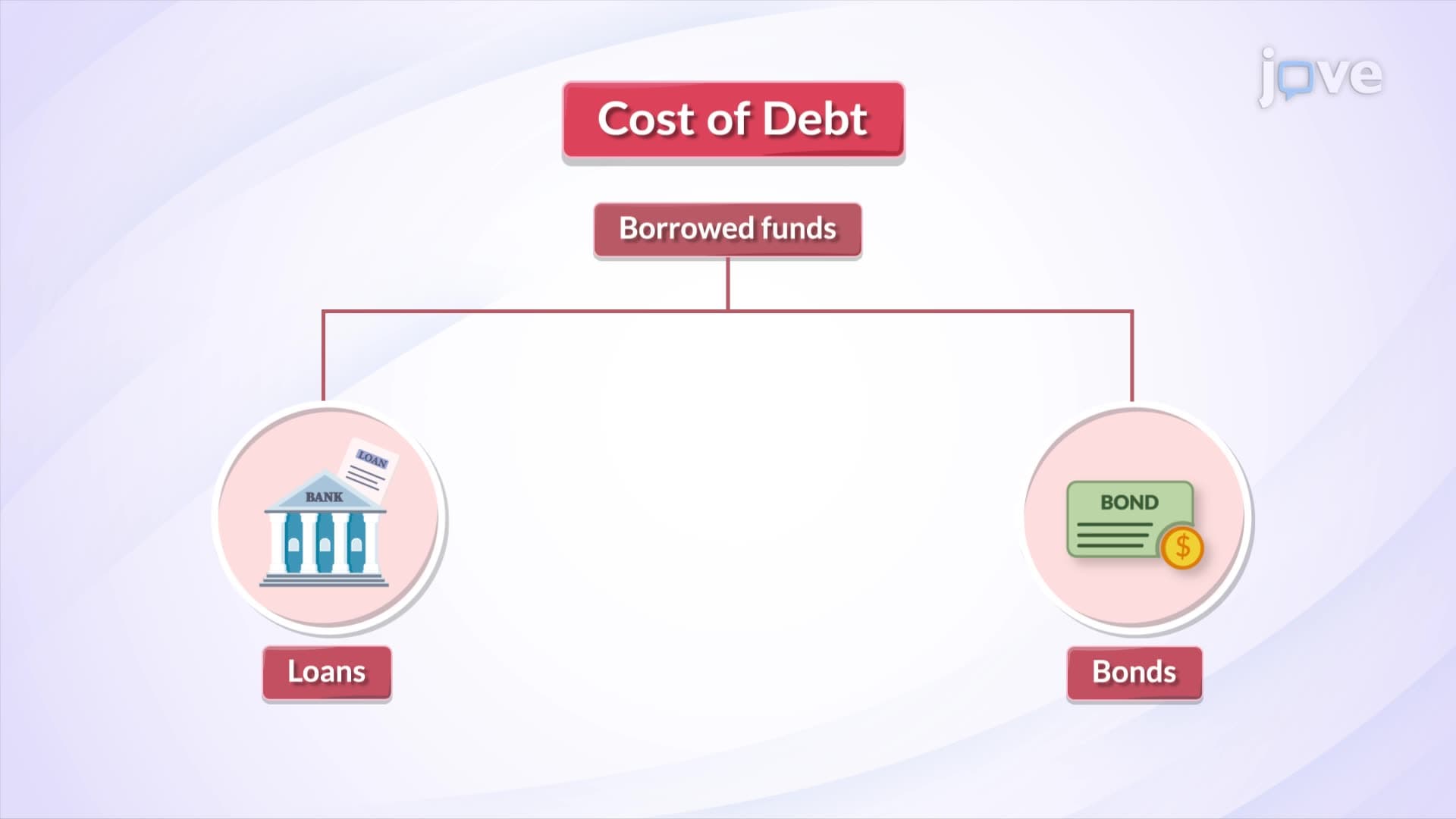

Video Summary: What Is Cost of Debt
Smart CFOs leverage cost of debt calculations to make strategic financing decisions that can save millions annually. When Microsoft issued $19.75 billion in bonds at historically low rates in 2020, they demonstrated how understanding cost of debt enables companies to optimize capital structure and reduce overall financing expenses. The cost of debt represents the effective interest rate companies pay on borrowed capital, factoring in tax benefits that make debt financing attractive compared to equity. This fundamental concept drives critical decisions around corporate expansion, acquisitions, and working capital management. Watch the full video on JoVE Coach to master this concept with expert-led visuals and step-by-step explanations.
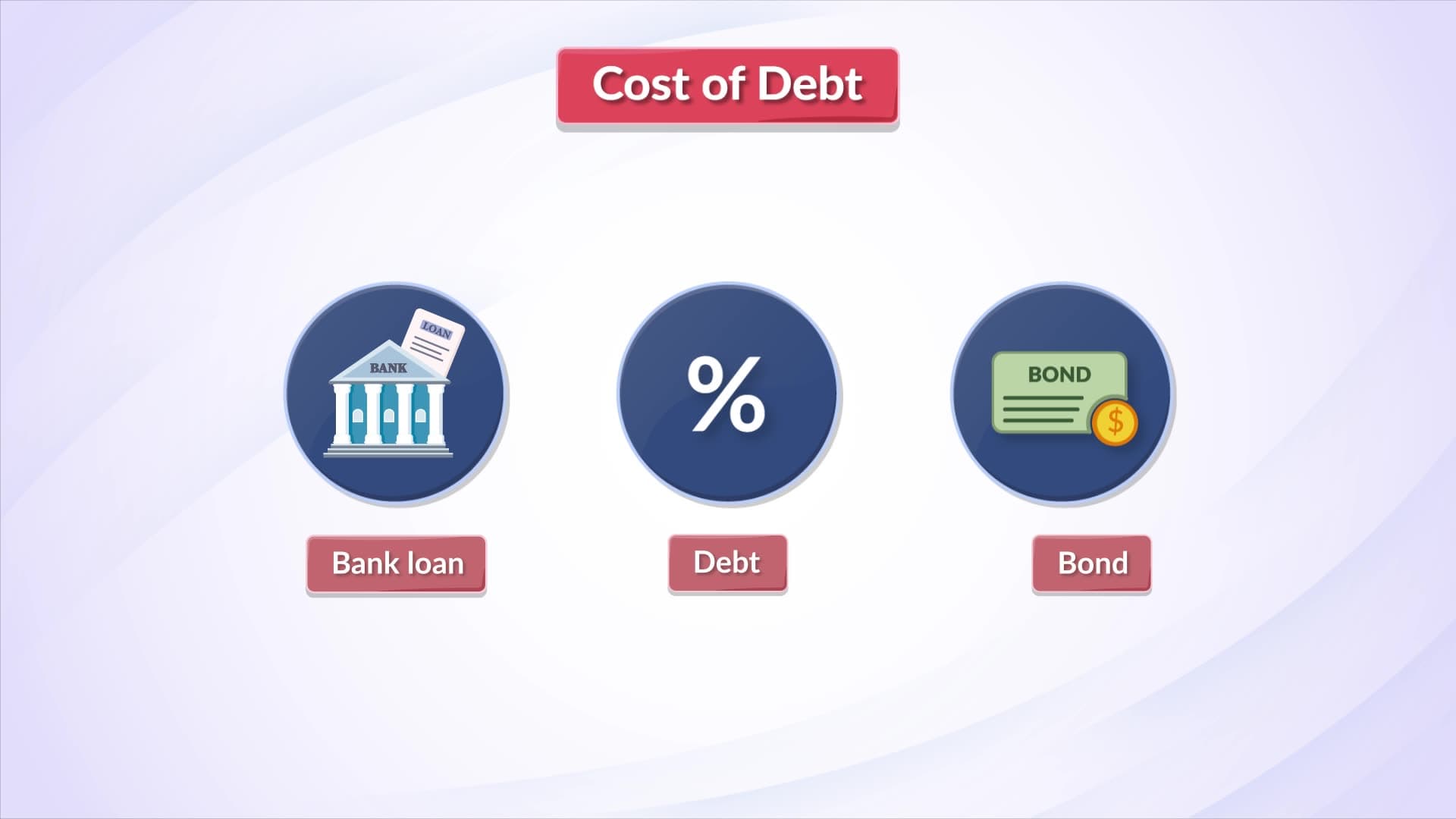
When Amazon's CFO evaluates financing options for new fulfillment centers, the cost of debt calculation directly impacts whether the company issues bonds, takes bank loans, or uses internal cash reserves. This fundamental metric represents the true economic cost of borrowed capital after accounting for tax benefits, making it essential for strategic financial planning.
The most compelling aspect of debt financing lies in its tax deductibility. Corporate interest payments reduce taxable income, creating a "tax shield" that effectively lowers borrowing costs. For a company in the 21% federal tax bracket paying 5% on corporate bonds, the after-tax cost of debt drops to just 3.95%. This tax advantage explains why profitable companies like Apple maintain substantial debt levels despite massive cash reserves-the after-tax borrowing cost often falls below returns from alternative investments.
While debt financing offers cost advantages, excessive leverage introduces operational constraints and default risk. Companies must maintain sufficient cash flow to service debt obligations regardless of business cycles. Tesla's aggressive debt financing during its Model 3 production ramp exemplified this balance-leveraging debt to accelerate growth while managing liquidity risks that could have threatened operations.
Finance leaders use cost of debt analysis to determine optimal capital structure across different business scenarios. During economic expansion, companies might increase leverage to fund growth initiatives at attractive after-tax rates. Conversely, during uncertain periods, maintaining lower debt levels provides operational flexibility. Successful CFOs continuously monitor credit markets, company credit ratings, and tax implications to time debt issuances strategically and minimize long-term financing costs.
Related Micro-courses