Loading video…

 10 Concepts
 2.9K views

Video Summary: What Is Cost of Preferred Stock
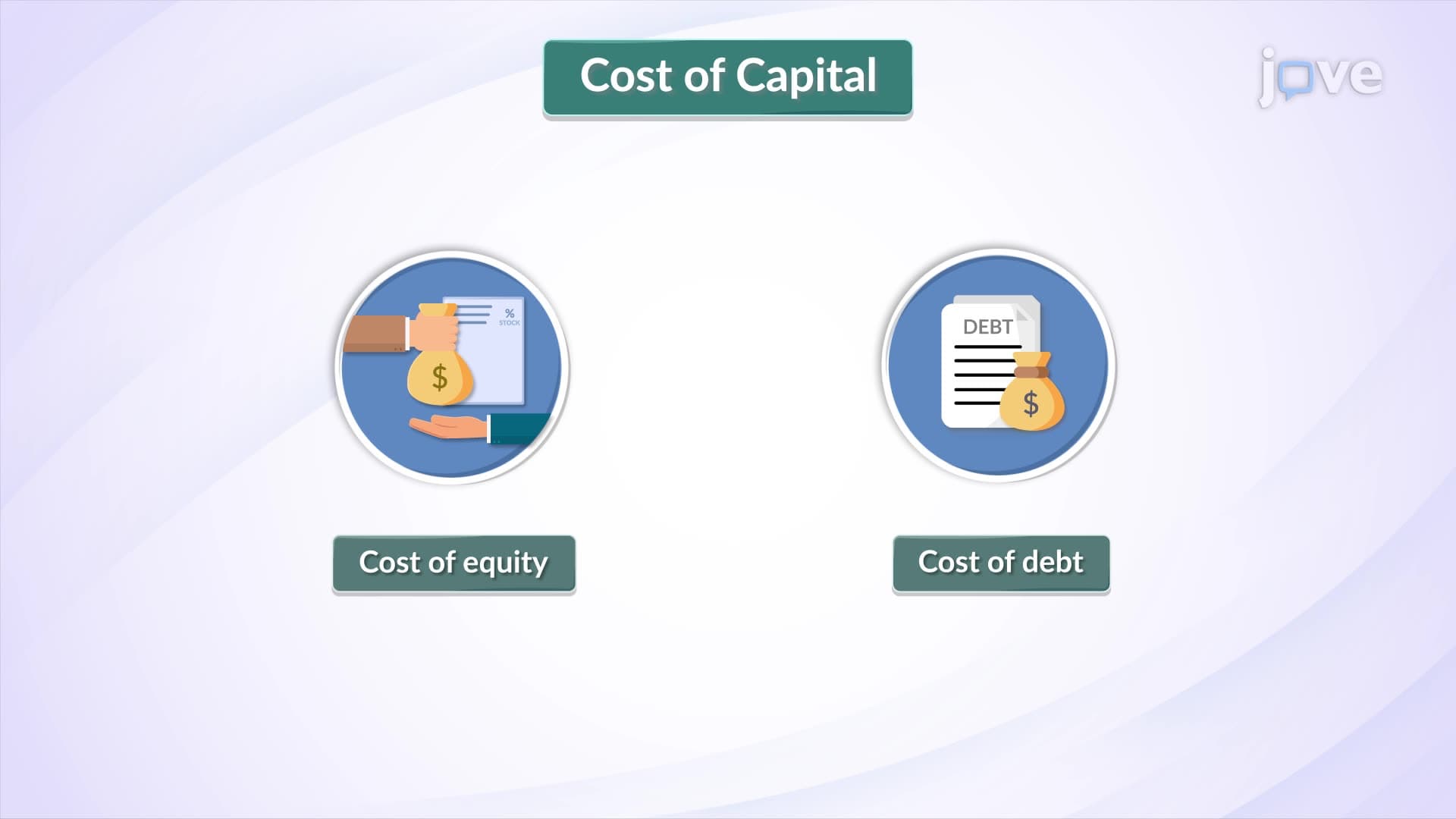
When JPMorgan Chase evaluates raising $2 billion in capital, understanding the cost of preferred stock becomes critical for optimal capital structure decisions. The cost of preferred stock represents the required return investors demand, calculated as annual dividend divided by current market price. This metric directly impacts your company's weighted average cost of capital and competitive positioning in debt versus equity financing markets. Finance leaders use this calculation to compare preferred stock against bonds or common equity when determining the most cost-effective funding strategy. Watch the full video on JoVE Coach to master this concept with expert-led visuals and step-by-step explanations.
When Wells Fargo's treasury team evaluated raising $3.5 billion through preferred stock in 2023, they needed precise cost calculations to justify this financing choice over issuing additional common stock or corporate bonds. The cost of preferred stock represents the annual return rate that investors require to hold these hybrid securities, serving as a critical input for capital allocation decisions and strategic financial planning.
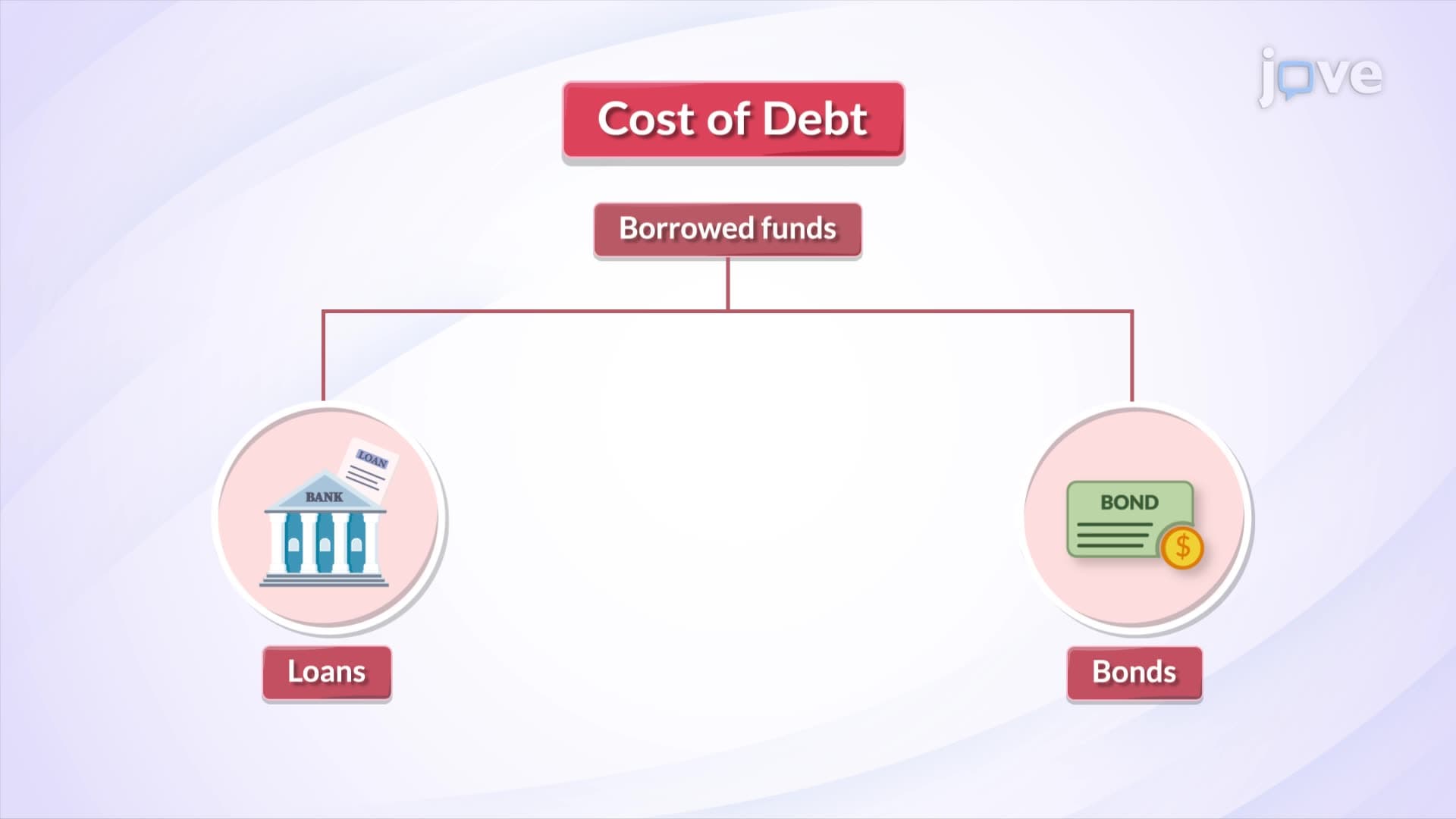
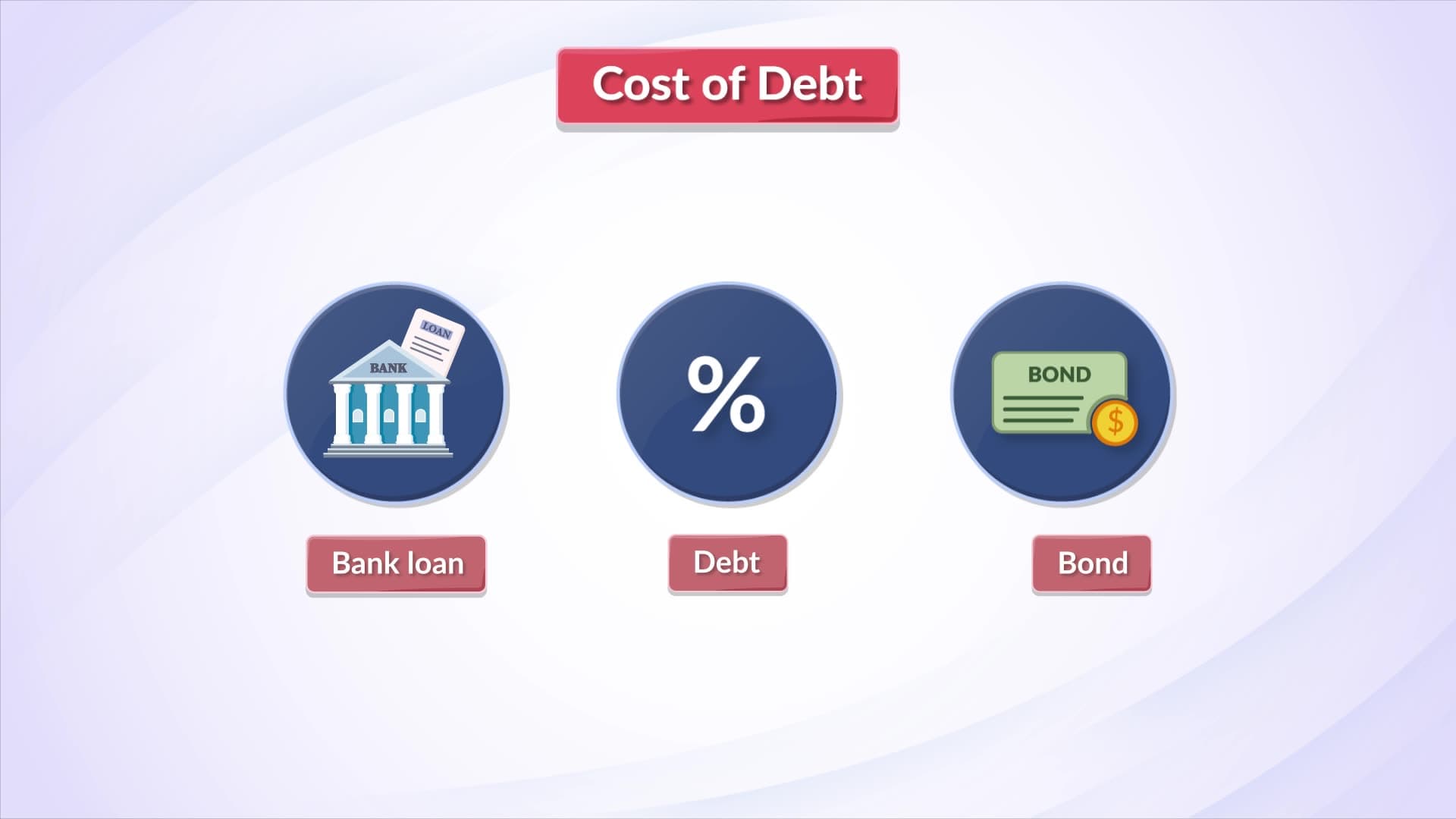
The cost of preferred stock formula appears straightforward: Cost = Annual Dividend ÷ Current Market Price. However, its strategic implications run deep. Consider a Fortune 500 company issuing preferred stock with a $100 par value, paying $6 annual dividends. If market price trades at $95, the cost equals 6.32%. This 6.32% becomes your benchmark for evaluating whether preferred stock offers competitive financing compared to 10-year corporate bonds yielding 4.8% or common equity with a 12% cost of equity.
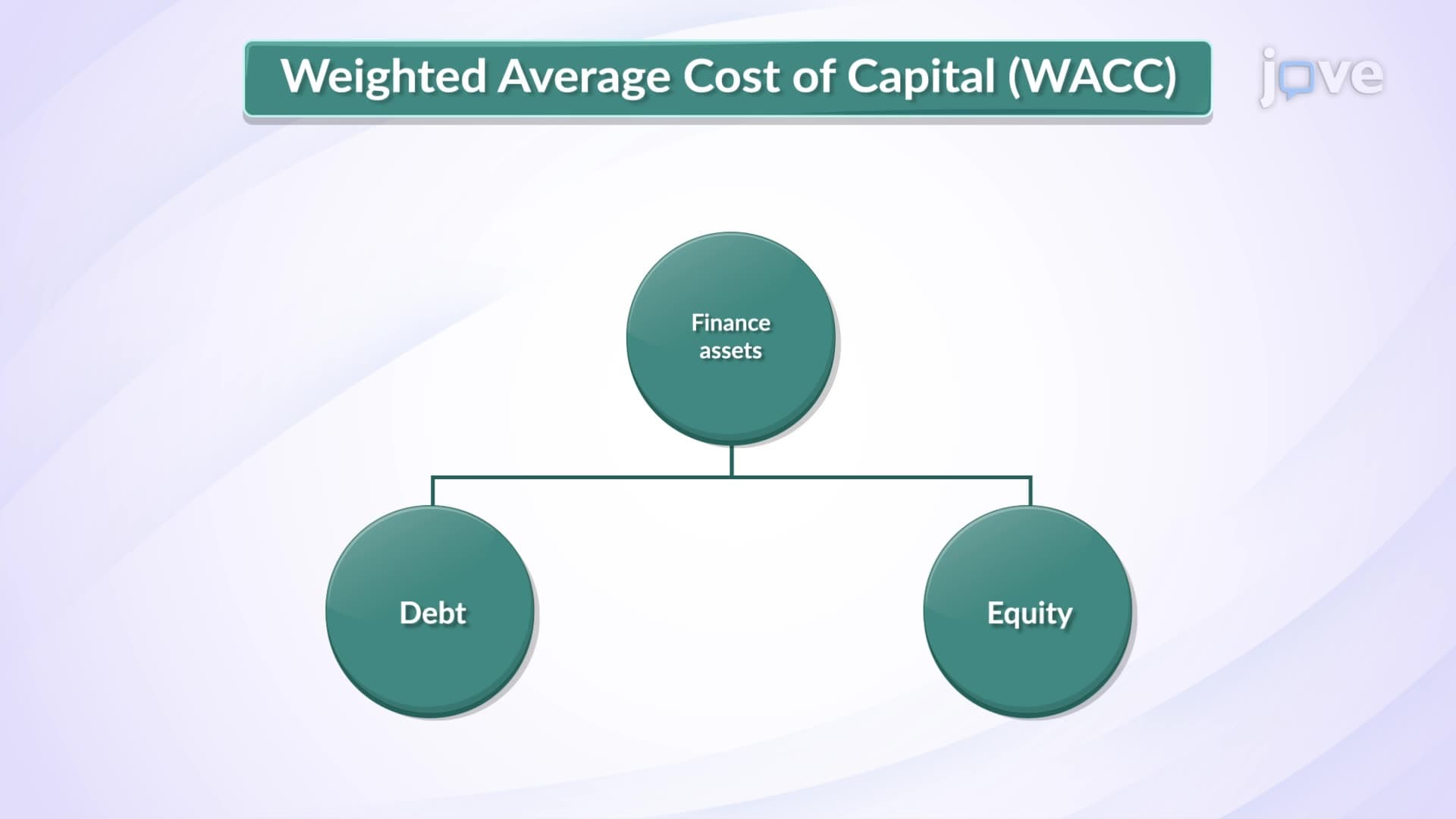
Finance executives use preferred stock costs in multiple decision frameworks. During merger and acquisition discussions, investment bankers analyze target companies' preferred stock costs to assess capital structure efficiency and refinancing opportunities. Private equity firms evaluate preferred stock costs when structuring leveraged buyouts, determining optimal mixes of debt, preferred equity, and common equity. Corporate development teams incorporate these costs into discounted cash flow models, ensuring accurate WACC calculations for project approval processes.
Interest rate environments significantly impact preferred stock costs and strategic value. When Federal Reserve rates rise, preferred stock becomes more expensive relative to debt financing, potentially shifting capital structure preferences toward traditional bonds. Conversely, during credit market stress, preferred stock offers flexibility that straight debt cannot provide-no mandatory principal repayment and potential for deferred dividends during financial distress. Companies like Bank of America have strategically used preferred stock to satisfy regulatory capital requirements while maintaining financial flexibility during economic uncertainty.
Related Micro-courses