Loading subject page…


4,600 views

Video Summary: What are Self Help Support Groups
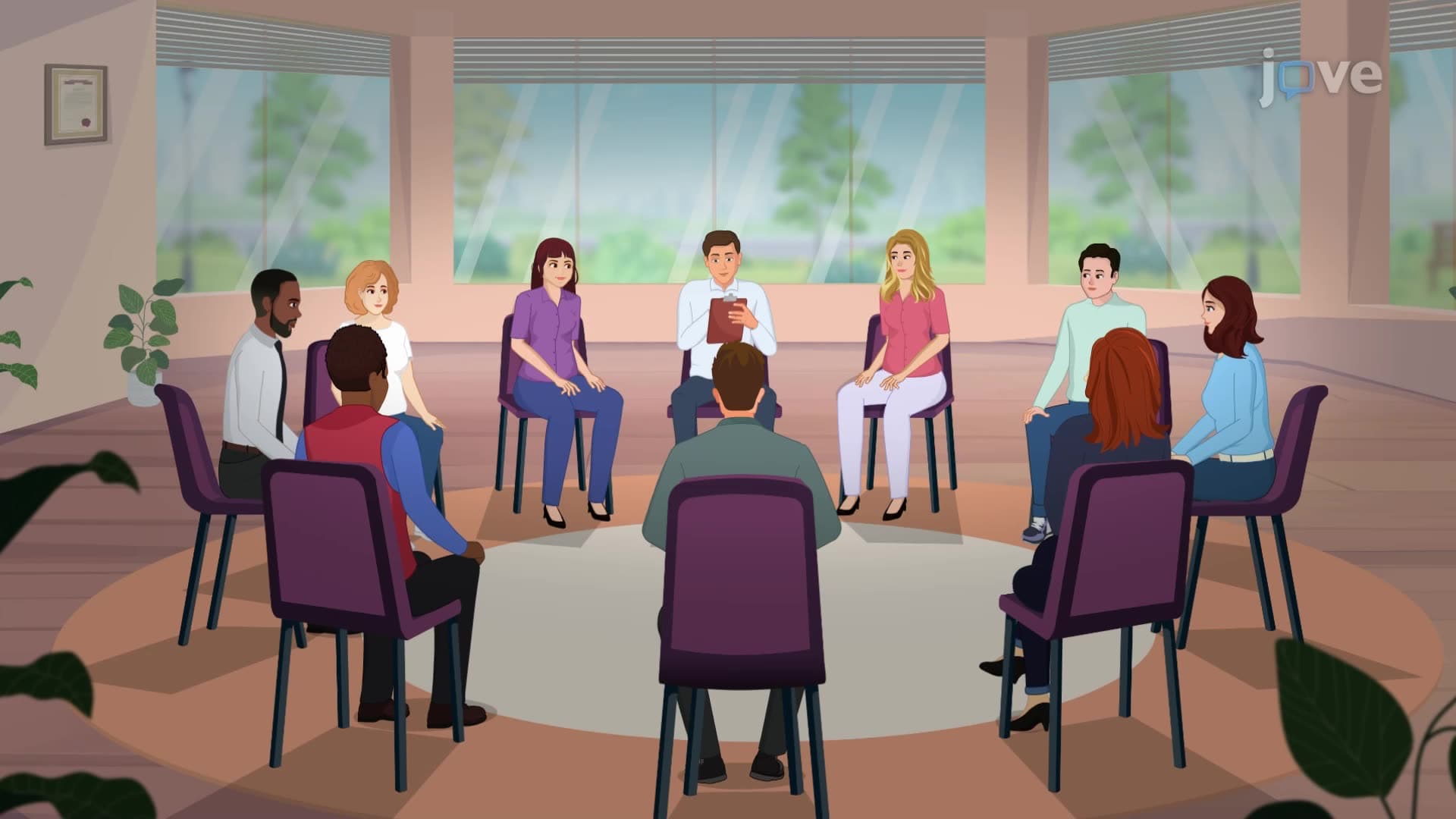
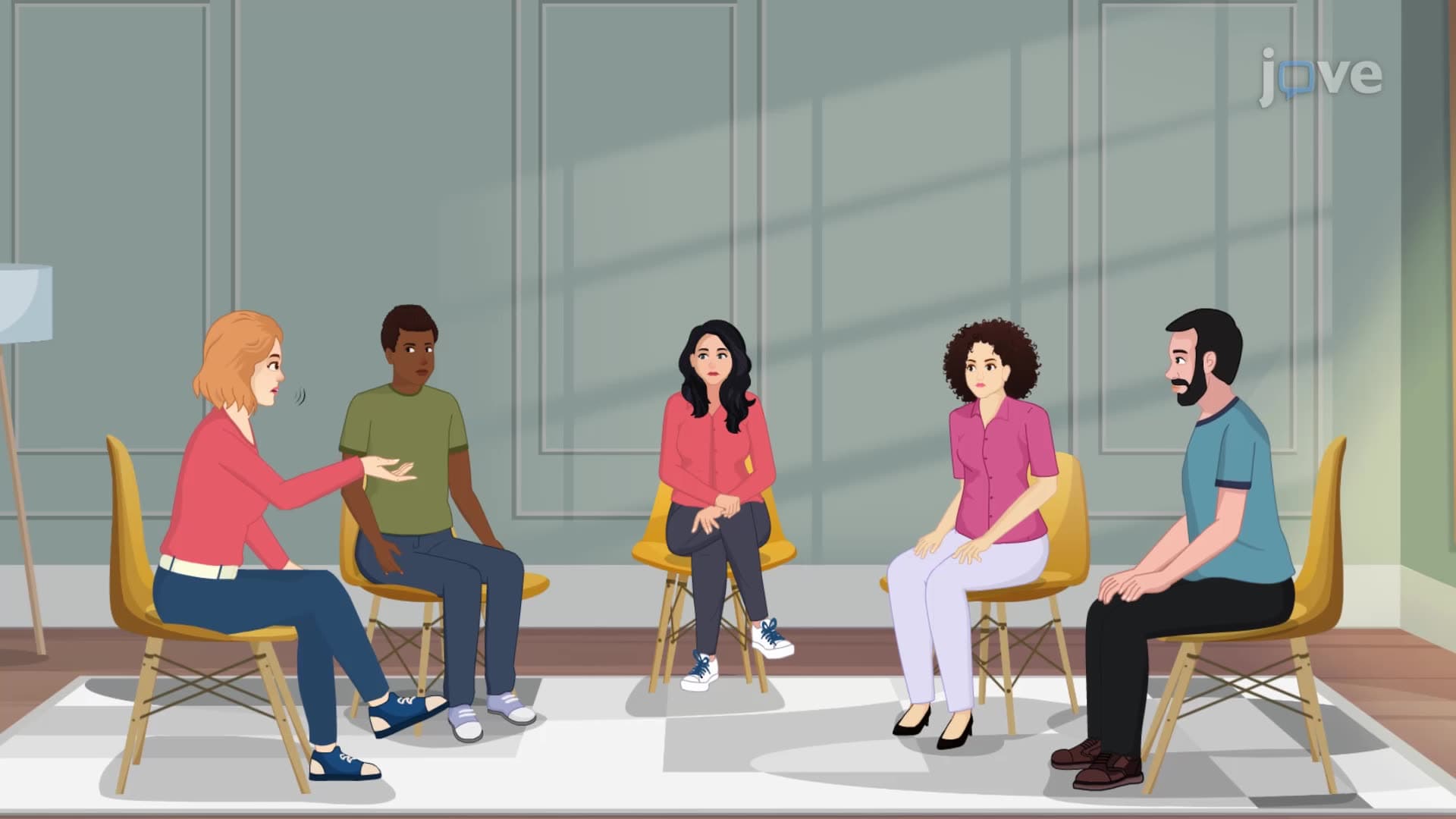
Did you know that nearly 25 million Americans participate in self help support groups each year? Self help support groups are voluntary organizations where people with shared experiences meet regularly to provide mutual support and practical solutions. These community-based groups, like Alcoholics Anonymous which operates in over 100,000 locations across the United States, offer an affordable alternative to professional therapy while building powerful social networks among participants. Watch the full video on JoVE Coach to master this concept with expert-led visuals and step-by-step explanations.
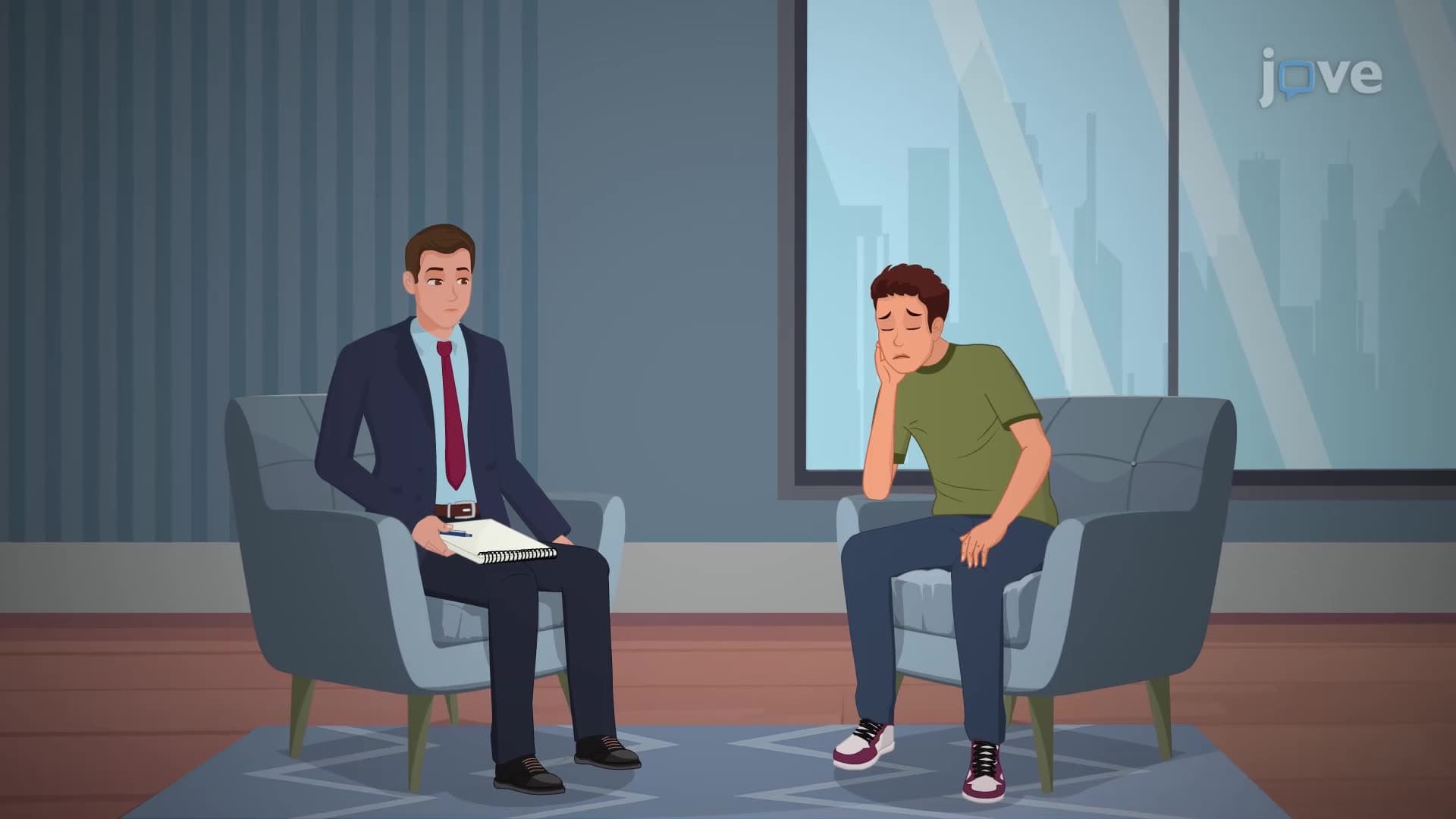
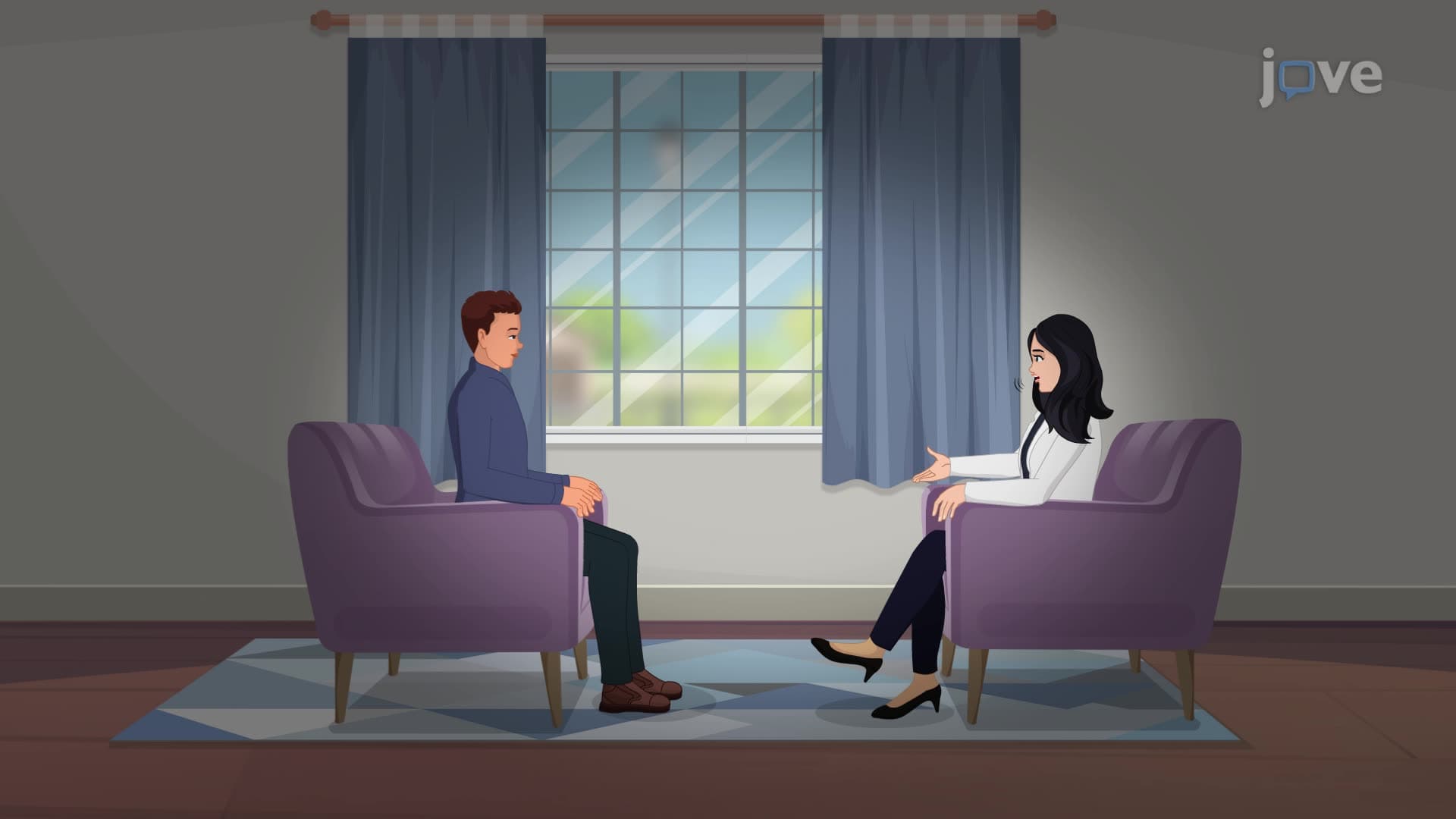
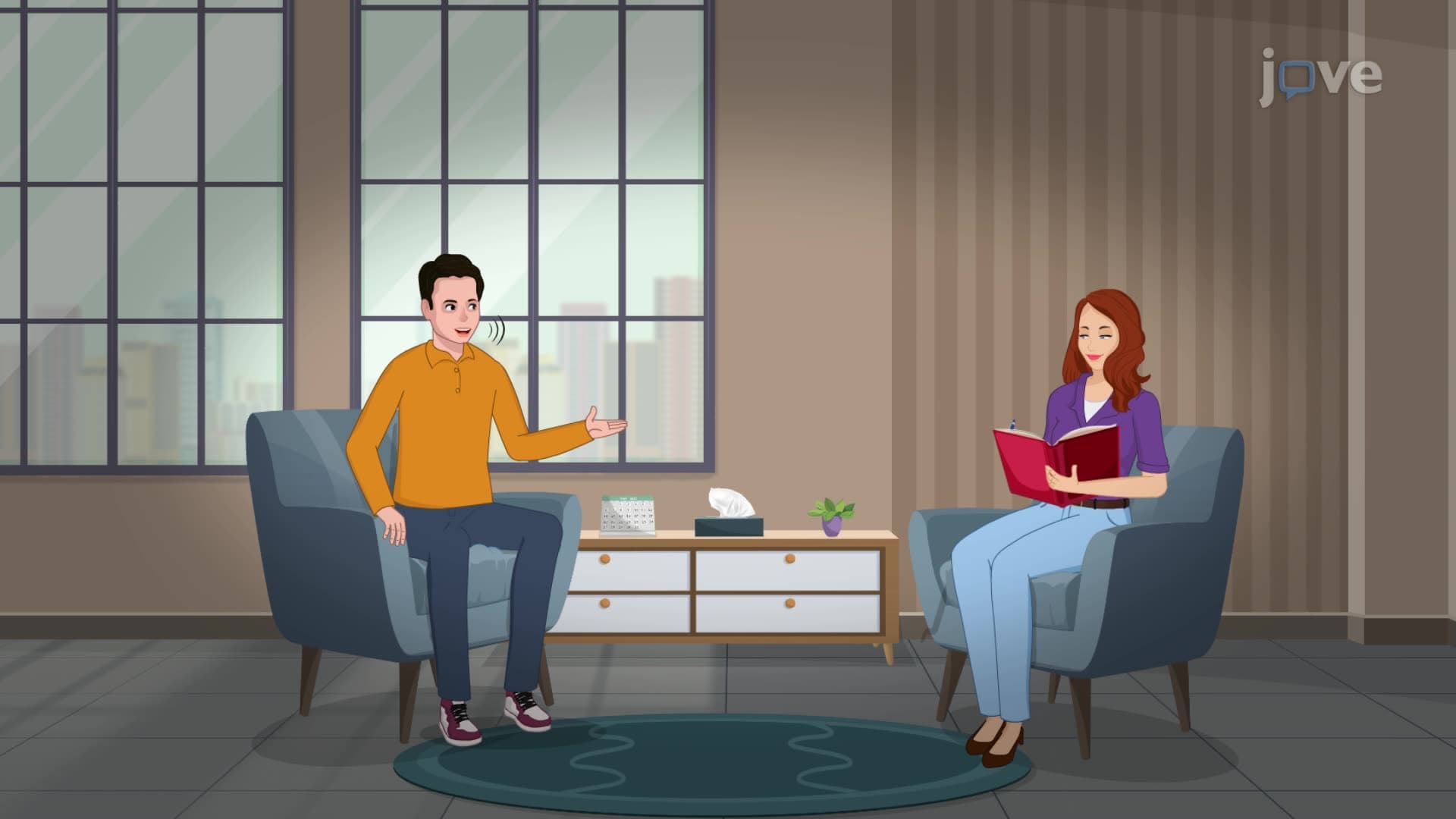
What are self help support groups fundamentally? These are voluntary, community-based organizations where individuals facing similar challenges gather regularly to share experiences and provide mutual assistance. Unlike professional therapy sessions, these groups operate on the principle of peer support, where members both give and receive help from others who truly understand their situation. The leadership typically comes from trained paraprofessionals or experienced group members rather than licensed therapists, making these groups more accessible and affordable for diverse populations.
The landscape of self help support groups encompasses numerous specialized categories. Substance abuse groups, exemplified by Alcoholics Anonymous and Narcotics Anonymous, focus on addiction recovery through the famous 12-step program. Medical support groups serve individuals with chronic conditions like diabetes, cancer, or heart disease, often meeting in hospitals or community centers nationwide. Mental health support groups address conditions such as depression, anxiety, and bipolar disorder, while grief support groups help individuals process loss. Trauma-focused groups assist survivors of domestic violence, sexual assault, or combat experiences, with organizations like the National Alliance on Mental Illness (NAMI) hosting local chapters across all 50 states.
Self help support groups achieve their effectiveness through several key mechanisms that psychology research has validated. Social support creates a safety net that reduces isolation and provides emotional validation. Role modeling occurs when members observe others who have successfully navigated similar challenges, inspiring hope and providing concrete strategies. The shared experience factor builds instant credibility-a combat veteran discussing PTSD symptoms carries different weight than a textbook definition. These groups also facilitate practical problem-solving, where members share resources, coping strategies, and real-world solutions that professional settings might not address.
Understanding self help support groups proves essential for students pursuing careers in psychology, social work, nursing, and public health. On the MCAT, questions about community-based interventions frequently reference these groups as cost-effective healthcare solutions. AP Psychology students encounter this concept when studying social psychology and therapeutic approaches. College-level abnormal psychology and community psychology courses examine these groups as alternatives to traditional treatment models, particularly relevant given current healthcare accessibility challenges in American communities.
Related Micro-courses