Loading video…


 20 Concepts
 4.6K views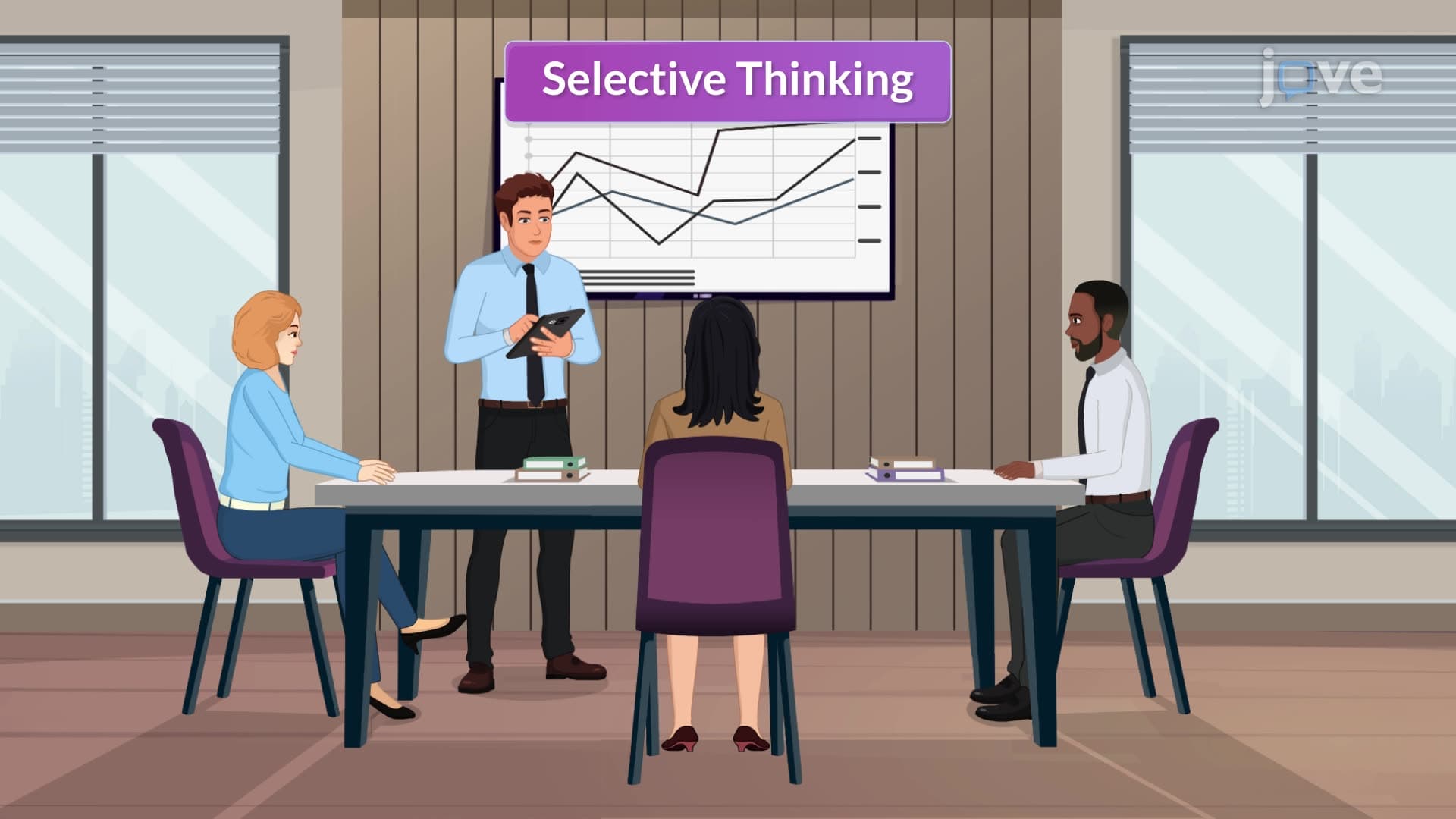

Video Summary: What Is Becks Cognitive Therapy
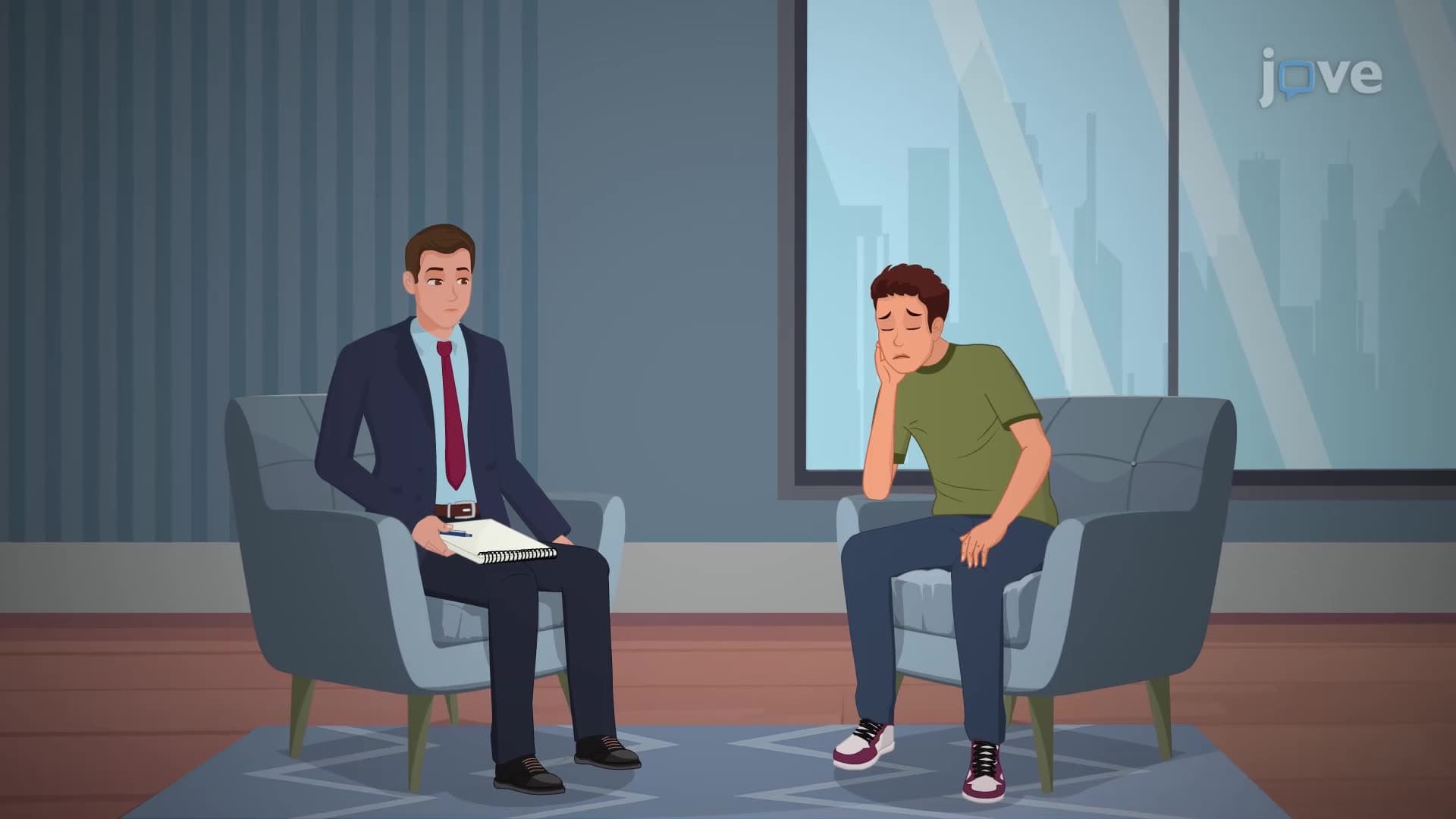
Did you know that the way you think about failing a math test could predict whether you'll struggle with depression? Beck's cognitive therapy revolutionized mental health treatment by identifying how distorted thinking patterns fuel emotional distress. For instance, a student at UCLA might catastrophize a single poor grade, believing it means they'll never succeed academically. This therapeutic approach teaches people to recognize and challenge these harmful thought patterns. Watch the full video on JoVE Coach to master this concept with expert-led visuals and step-by-step explanations.
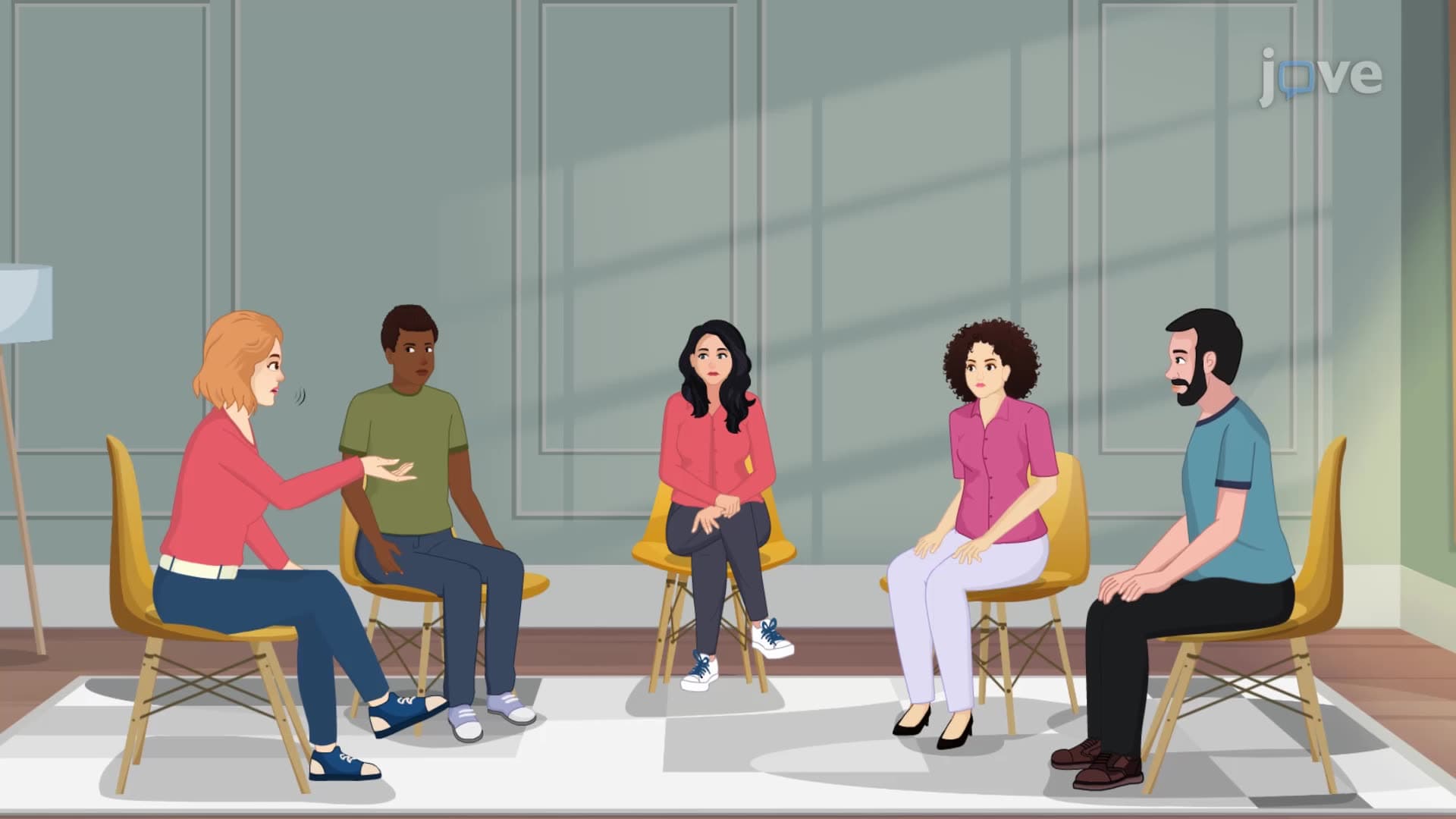
Beck's cognitive therapy represents a groundbreaking approach to treating depression and other mental health conditions by targeting the root cause: distorted thinking patterns. Developed by psychiatrist Aaron T. Beck in the 1960s, this therapeutic model operates on the principle that our thoughts, emotions, and behaviors are interconnected. When students encounter this concept in AP Psychology or college abnormal psychology courses, they learn that cognitive therapy doesn't just treat symptoms-it addresses the underlying thought processes that create and maintain psychological distress.
The therapy's foundation rests on the cognitive triangle, which demonstrates how thoughts influence feelings, which in turn affect behaviors. For example, a high school student who thinks "I'm terrible at everything" (thought) may feel hopeless (emotion) and avoid trying new activities (behavior). This cycle perpetuates itself until intervention breaks the pattern.
Beck's cognitive therapy overview identifies five primary distortions that commonly occur in depression. Arbitrary inference involves reaching conclusions without adequate evidence-like a Stanford student assuming their professor dislikes them because they received tough feedback on one assignment. This distortion frequently appears on MCAT psychology sections and college clinical psychology exams.
Selective thinking, also called mental filtering, occurs when individuals focus exclusively on negative aspects while ignoring positive elements. A high school athlete might fixate on missing one shot during a basketball game while disregarding their overall strong performance. Understanding this concept proves crucial for students preparing for AP Psychology free-response questions about cognitive approaches to mental health.
Overgeneralization represents perhaps the most destructive cognitive distortion, where individuals draw sweeping conclusions from isolated incidents. A college freshman who struggles in their first chemistry lab might conclude they're "not cut out for science," potentially derailing an entire academic path. This distortion frequently appears in USMLE Step 1 questions about psychiatric conditions.
Magnification and minimization work together like a psychological funhouse mirror, enlarging problems while shrinking achievements. A Harvard medical student might catastrophize a single poor exam score (magnification) while dismissing years of academic excellence (minimization). Beck's cognitive therapy study guide materials emphasize recognizing these paired distortions because they're particularly damaging to self-esteem and motivation.
Personalization occurs when individuals assume responsibility for events beyond their control. A teenager might blame themselves for their parents' divorce or a friend's bad mood, creating unnecessary guilt and anxiety. Mental health professionals trained in Beck's cognitive therapy basics work with clients to identify these patterns and develop more realistic thinking styles.
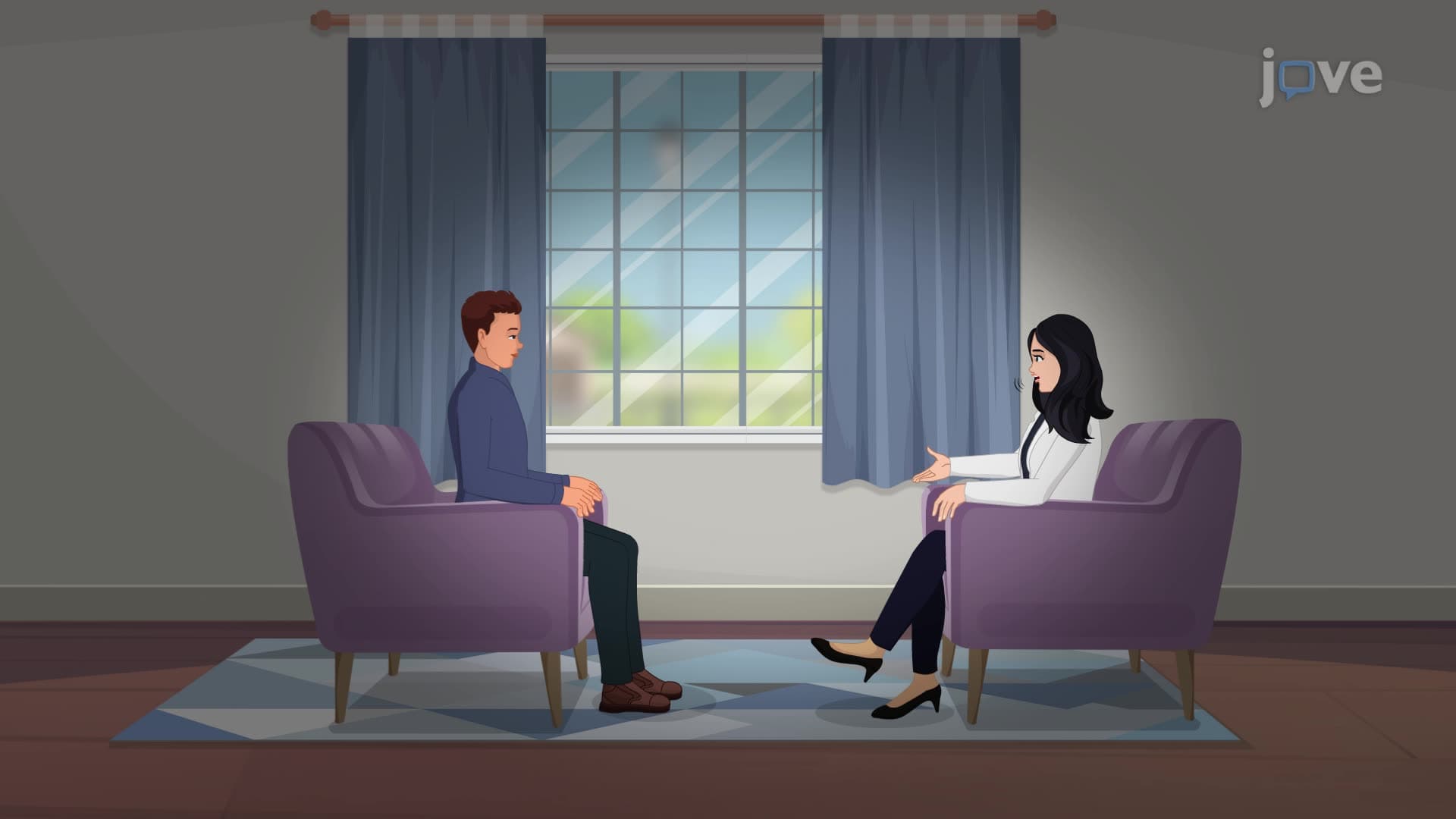
In clinical practice, therapists use techniques like thought records and cognitive restructuring to help patients challenge distorted thinking. Students studying for the NCLEX or other healthcare certification exams should understand that Beck's cognitive therapy concept forms the foundation for many evidence-based interventions used in psychiatric nursing and clinical psychology today.
Related Micro-courses