Loading subject page…


4,600 views


Video Summary: What Is Behavior Therapy
Did you know that behavior therapy helped NASA astronauts overcome claustrophobia before space missions? Behavior therapy uses scientific learning principles like classical and operant conditioning to systematically change unwanted behaviors and responses. For instance, Veterans Affairs hospitals across the United States successfully treat PTSD using exposure therapy techniques that gradually help patients confront traumatic memories. What is behavior therapy, and how do these evidence-based methods transform lives? Watch the full video on JoVE Coach to master this concept with expert-led visuals and step-by-step explanations.
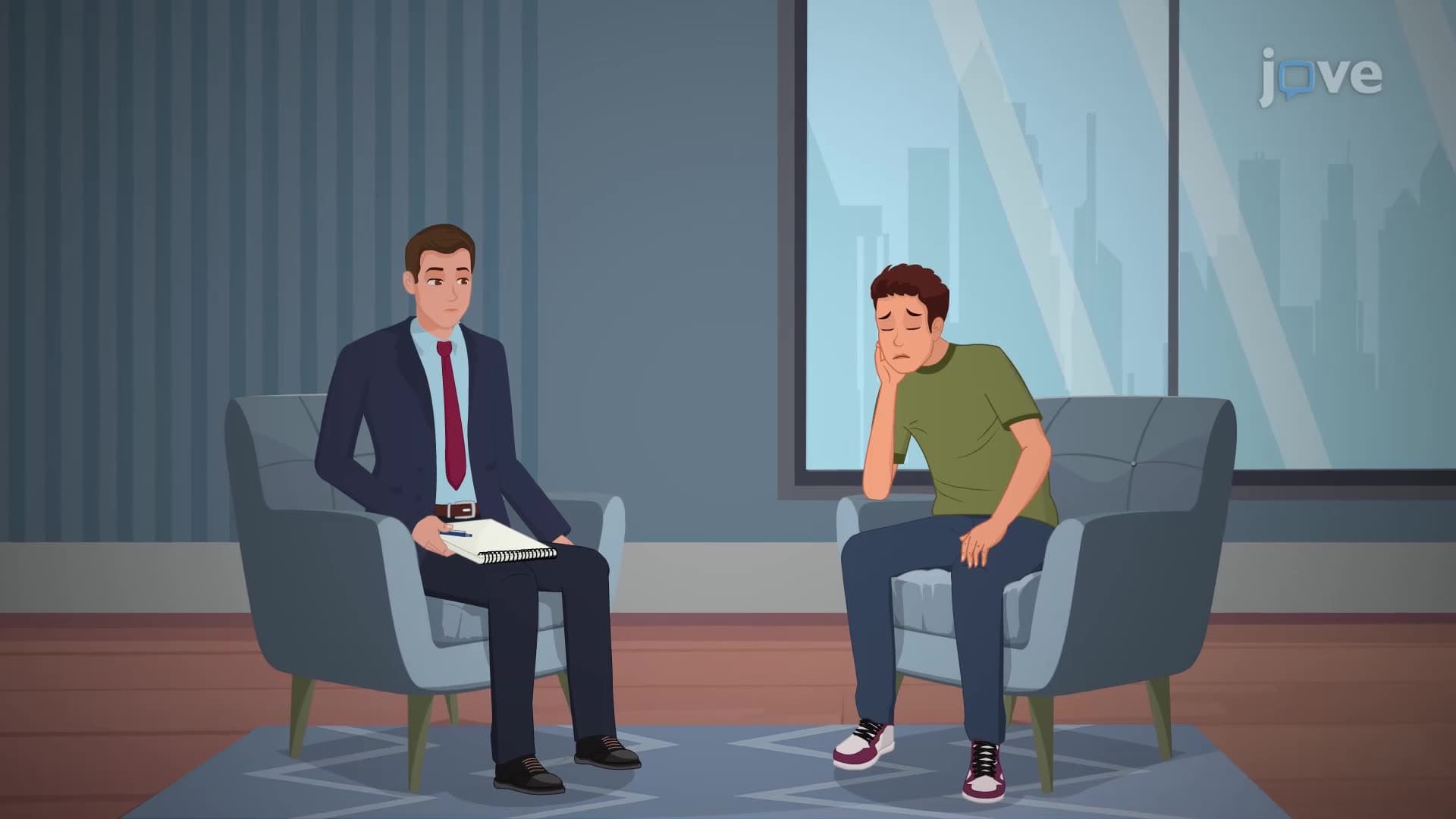
Behavior therapy represents a systematic, evidence-based approach to psychological treatment that leverages fundamental learning principles to create lasting behavioral change. Unlike traditional talk therapies that focus on unconscious processes, behavior therapy emphasizes observable behaviors and measurable outcomes. This therapeutic approach emerged from decades of research conducted at major US institutions like Yale University and Harvard Medical School, where scientists demonstrated that human behavior follows predictable patterns of learning and conditioning.
The behavior therapy definition encompasses techniques rooted in both classical conditioning (discovered by Ivan Pavlov) and operant conditioning (developed by B.F. Skinner at Harvard). Classical conditioning explains how we develop automatic responses to stimuli, while operant conditioning shows how consequences shape future behavior. Understanding behavior therapy requires grasping these foundational concepts, which frequently appear on AP Psychology exams and college-level abnormal psychology courses.
Exposure therapy stands as one of behavior therapy's most powerful tools, particularly effective for anxiety disorders and phobias. The Mayo Clinic and Cleveland Clinic extensively use these methods to treat patients with PTSD, social anxiety, and specific phobias. In exposure therapy, patients gradually face their fears in a safe, controlled environment. For example, someone with arachnophobia might begin by looking at cartoon spiders, progress to photographs, then observe live spiders from a distance, and eventually handle a tarantula under supervision.
Systematic desensitization offers a gentler approach by pairing relaxation techniques with gradual exposure. A patient with flight anxiety might practice deep breathing while imagining boarding a plane, then visiting an airport, and finally taking a short flight. This behavior therapy overview demonstrates how systematic pairing of relaxation with feared stimuli reduces anxiety responses over time. Conversely, flooding involves immediate, intense exposure to the most feared stimulus, though this approach requires careful professional supervision and isn't suitable for all patients.
Today's behavior therapy concept extends far beyond traditional settings into innovative applications. Virtual reality exposure therapy, pioneered at institutions like USC and Emory University, allows patients to confront fears in completely controlled digital environments. Military veterans receive treatment for combat-related PTSD through VR simulations, while patients with height phobias practice in virtual skyscrapers.
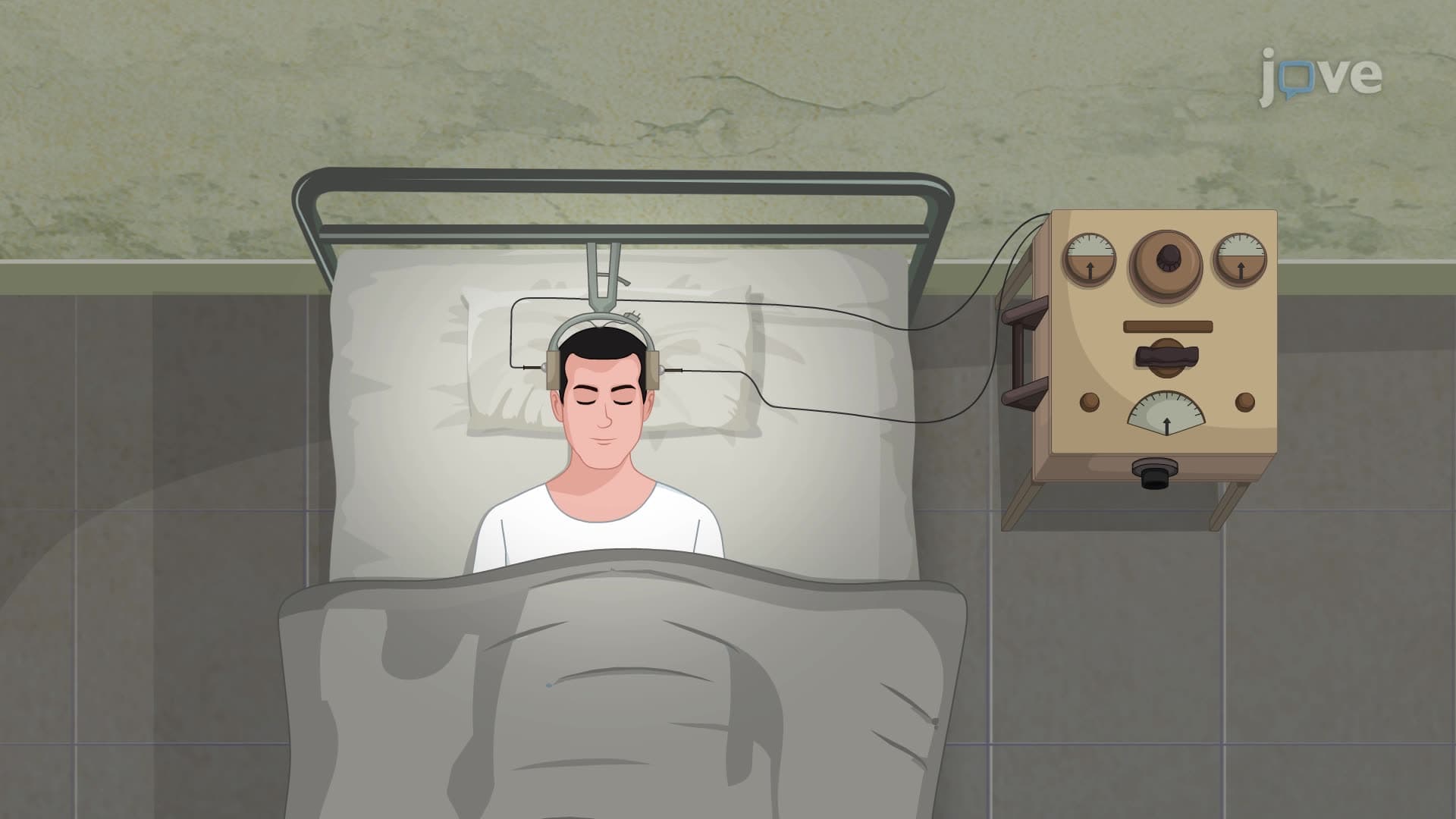
Aversive conditioning, though used sparingly, helps break harmful behavioral patterns by associating unwanted behaviors with unpleasant consequences. Addiction treatment centers across the United States employ modified aversive techniques alongside comprehensive support programs. For students preparing for the MCAT or pursuing psychology degrees, understanding these applications provides crucial context for both academic success and future clinical practice.
Related Micro-courses