Loading subject page…


4,600 views


Video Summary: What Is Cognitive Therapy
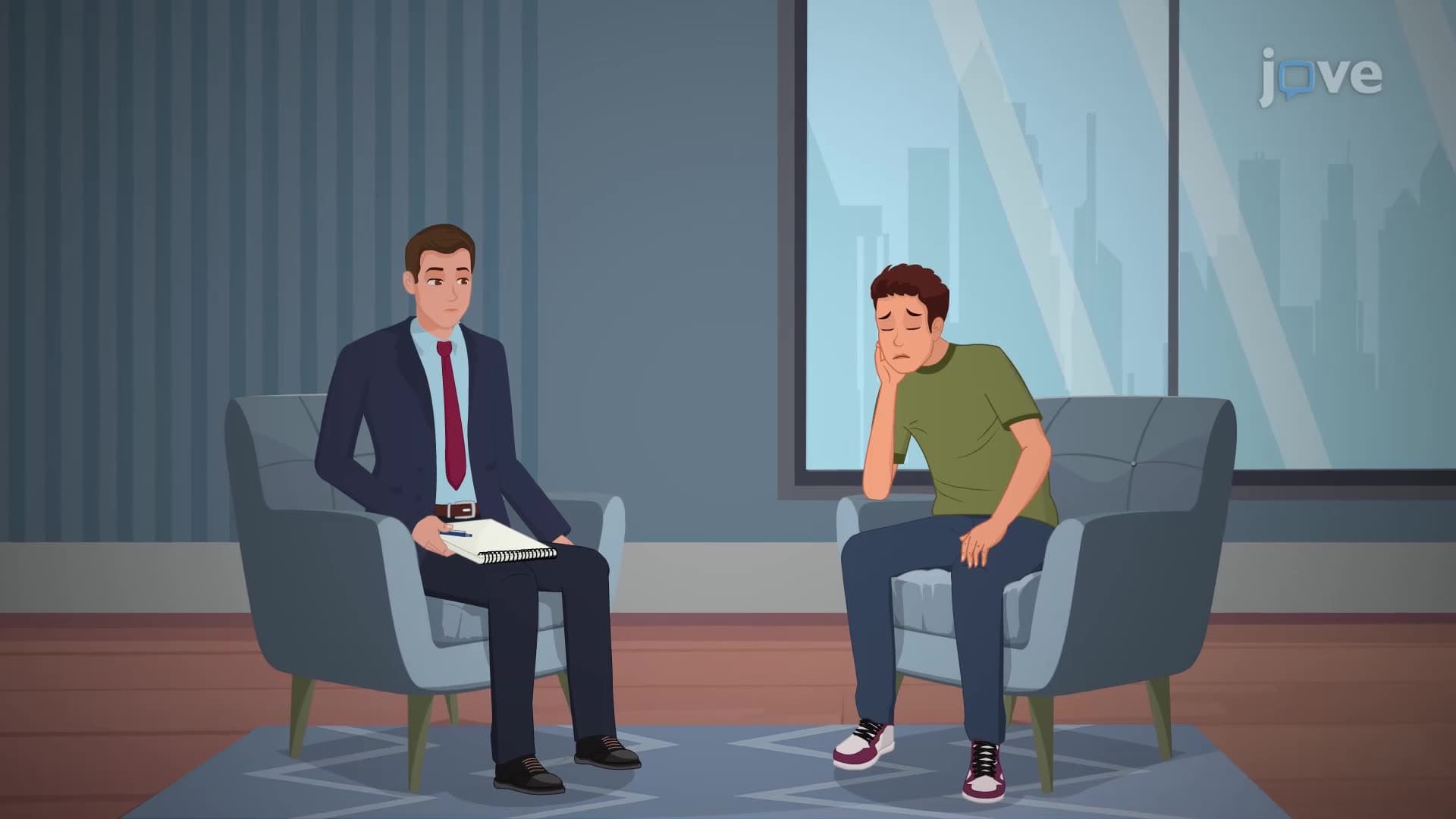
Ever wonder why two students can face the same failed test yet react completely differently-one bouncing back while the other spirals into self-doubt? Cognitive therapy reveals how our thoughts directly shape our emotional responses and behaviors. Developed by psychiatrist Aaron T. Beck at the University of Pennsylvania, this therapeutic approach helps clients like anxious college students replace catastrophic thinking patterns with balanced, realistic perspectives. Watch the full video on JoVE Coach to master this concept with expert-led visuals and step-by-step explanations.
Cognitive therapy represents a revolutionary shift in mental health treatment that emerged from Aaron T. Beck's groundbreaking work at the University of Pennsylvania in the 1960s. Unlike traditional psychoanalytic approaches that focus on unconscious conflicts, cognitive therapy operates on a straightforward premise: our thoughts directly influence our emotions and behaviors. This evidence-based approach has become a cornerstone of modern psychological treatment, particularly effective for depression, anxiety disorders, and various behavioral problems.
The foundation of cognitive therapy rests on cognitive restructuring, a systematic process where clients learn to identify and challenge distorted thinking patterns. Consider a high school student who thinks, "If I don't get into an Ivy League school, I'm a complete failure." Through cognitive restructuring, a therapist would help this student recognize this all-or-nothing thinking pattern and develop more balanced thoughts like, "There are many excellent universities where I can succeed and thrive."
This therapeutic process involves several key steps: identifying automatic negative thoughts, examining evidence for and against these thoughts, and developing more realistic alternative perspectives. Clients learn to recognize common cognitive distortions such as catastrophizing, overgeneralization, and mind-reading-thinking errors that contribute to emotional distress.
Cognitive therapy has demonstrated remarkable effectiveness across diverse populations and settings. At major medical centers like Johns Hopkins and Mayo Clinic, cognitive therapy protocols are standard treatment for major depressive disorder, with success rates comparable to antidepressant medications. The therapy typically involves 12-20 structured sessions where clients practice identifying thought patterns, complete homework assignments, and develop coping strategies for real-world situations.
What sets cognitive therapy apart from psychoanalytic and humanistic approaches is its focus on present-moment thinking patterns rather than past experiences or self-actualization. While psychoanalysts might explore childhood trauma for months, cognitive therapists concentrate on current thought distortions that maintain psychological symptoms. This structured, goal-oriented approach makes cognitive therapy particularly appealing to students preparing for psychology exams like the AP Psychology test or MCAT, where understanding therapeutic modalities is crucial for success.
Related Micro-courses