Loading subject page…


4,600 views


Video Summary: What Is Community Based Intervention
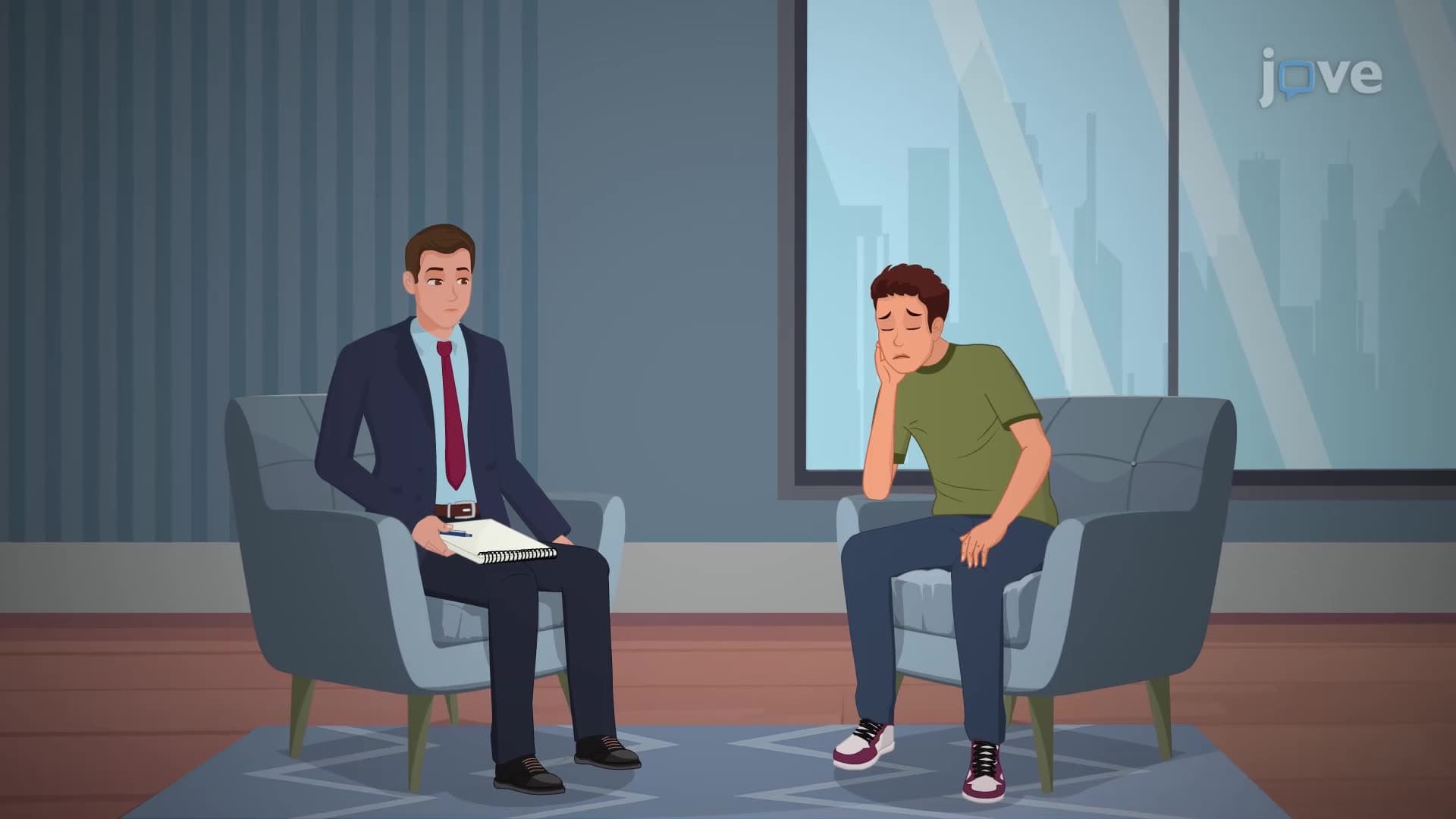
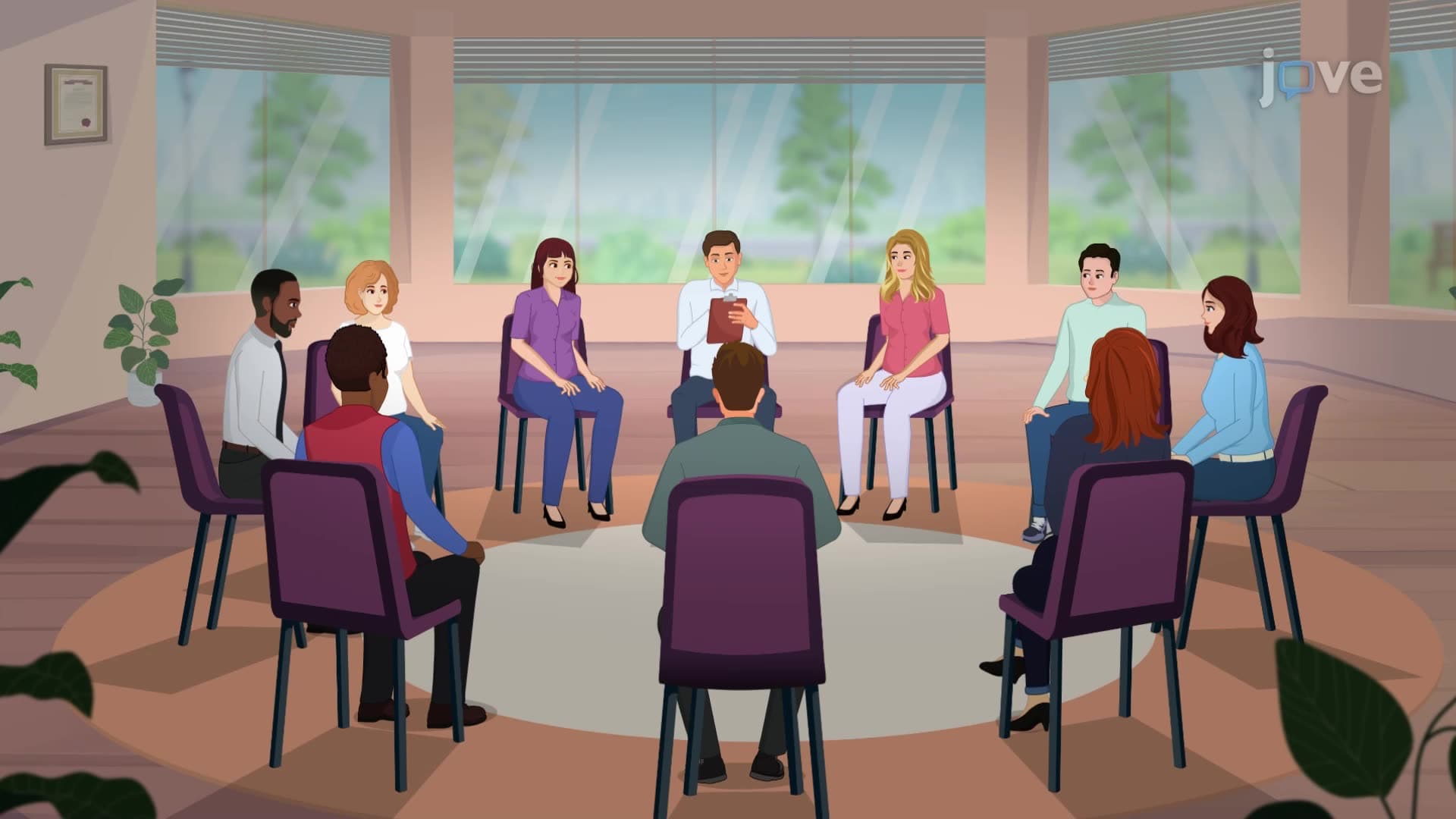
Did you know that over 40 million Americans experience mental health challenges each year, yet many receive care in their own neighborhoods rather than distant institutions? Community based intervention represents a revolutionary shift in mental healthcare delivery, bringing treatment directly to familiar environments like schools, community centers, and local clinics. For example, programs in Los Angeles County train teachers and community volunteers to provide basic counseling and stress management workshops in their neighborhoods. This approach emphasizes empowerment and inclusion, helping individuals with psychological disorders integrate into supportive community settings rather than being isolated in institutional care. Watch the full video on JoVE Coach to master this concept with expert-led visuals and step-by-step explanations.
Community based intervention represents a paradigm shift from traditional institutional mental healthcare to treatment delivered within individuals' natural social environments. This approach recognizes that healing occurs most effectively when people remain connected to their families, communities, and familiar support systems. Rather than isolating individuals in distant psychiatric facilities, community-based models bring professional mental health services directly to neighborhoods, schools, workplaces, and community centers.
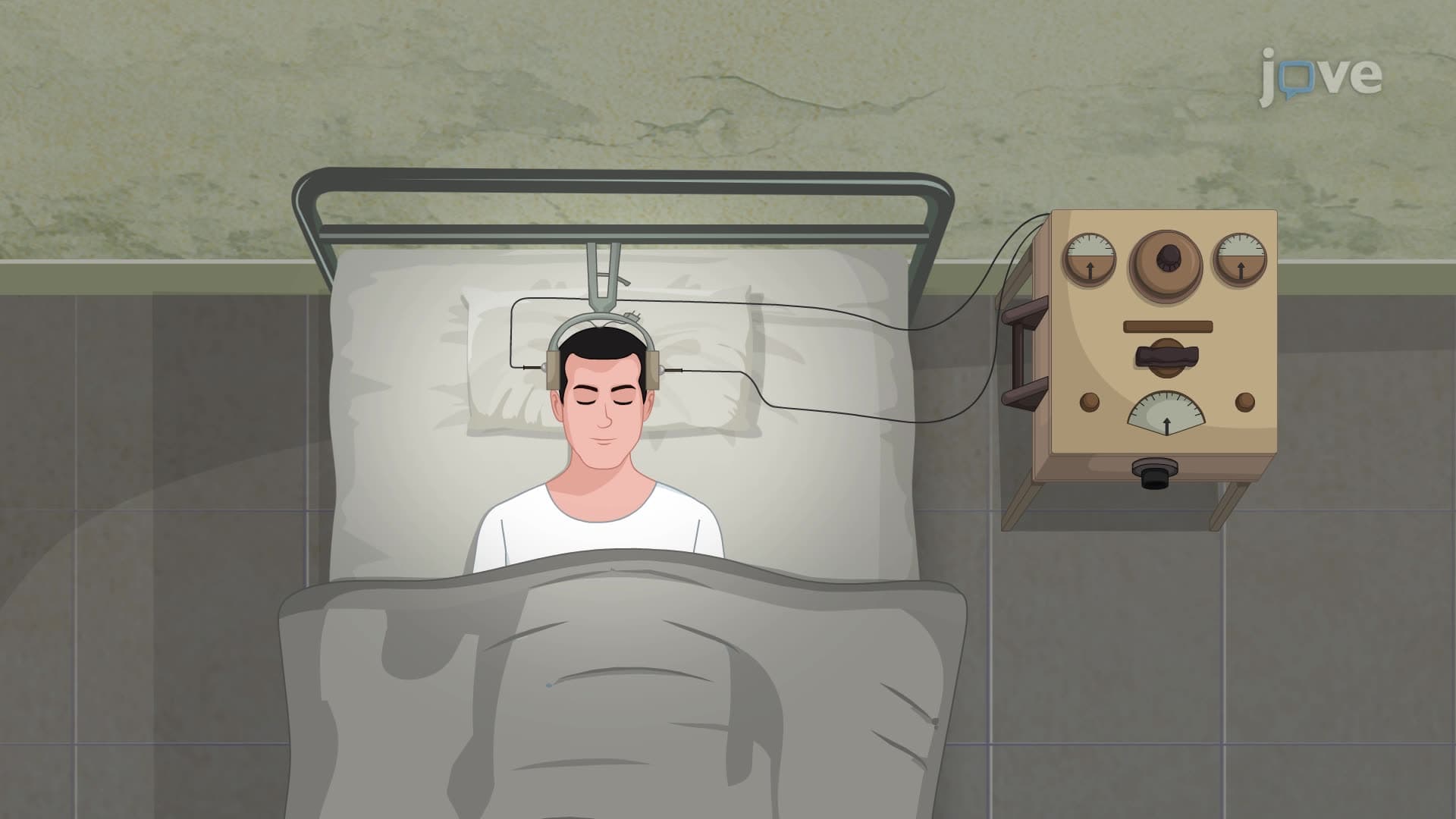
The modern community based intervention framework emerged from the landmark 1963 Community Mental Health Act, signed by President John F. Kennedy. This legislation responded to widespread concerns about inhumane conditions in state psychiatric hospitals and the enormous financial burden of long-term institutional care. The act initiated a massive deinstitutionalization movement, transitioning hundreds of thousands of Americans from psychiatric institutions to community-based facilities and programs.
This shift wasn't merely about changing locations-it represented a fundamental reimagining of mental healthcare philosophy. Instead of viewing psychological disorders as requiring permanent segregation from society, the community-based model emphasized integration, normalization, and the therapeutic value of maintaining social connections.
Effective community based intervention programs typically include several key elements. Training initiatives form the backbone of these programs, educating teachers, nurses, family physicians, and other community members to provide basic counseling services and recognize mental health warning signs. For instance, the Mental Health First Aid program, active in all 50 states, has trained over 4 million Americans to provide initial support for mental health crises.
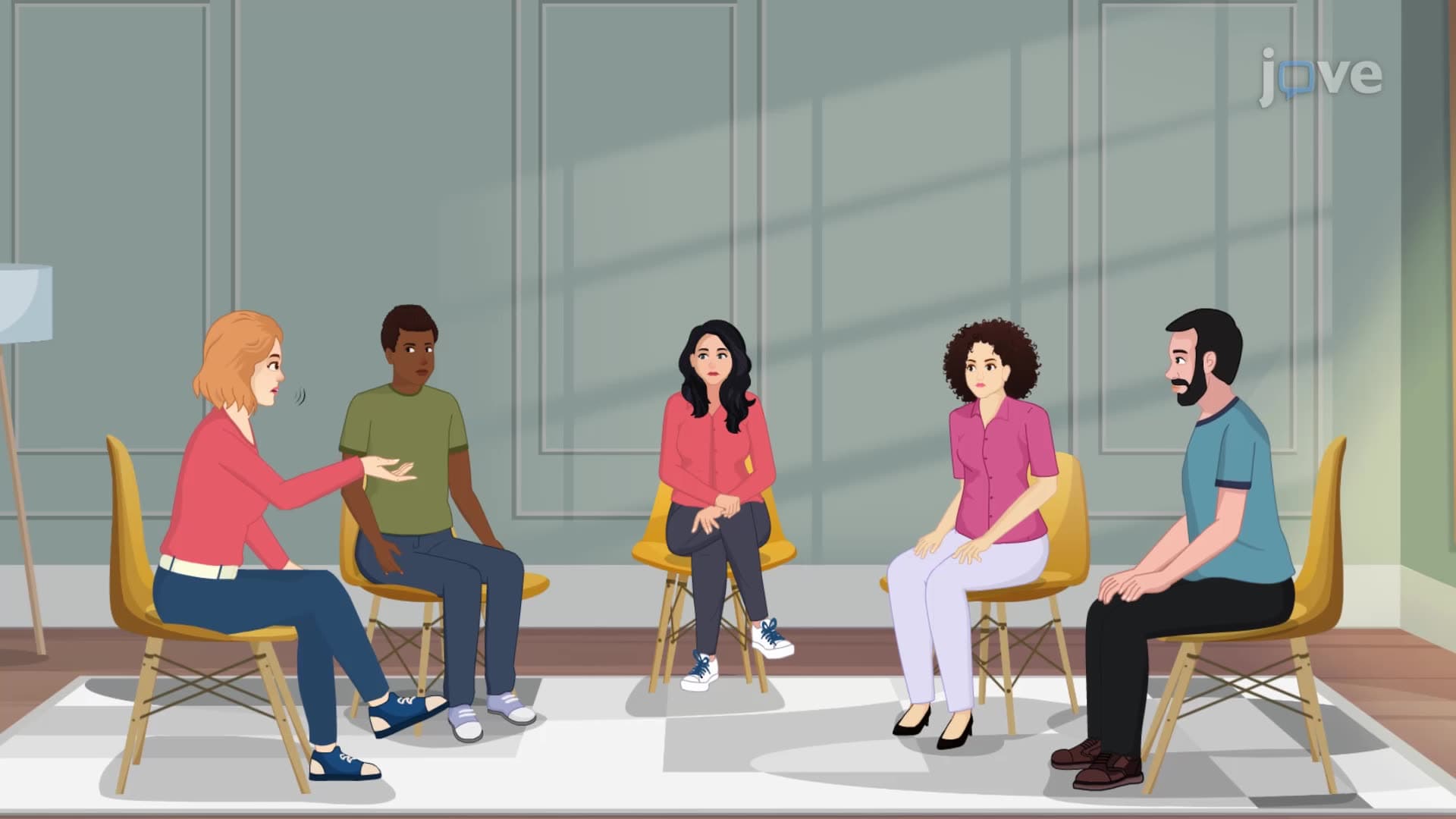
Community workshops focus on practical skills like stress management, substance abuse prevention, and improving interpersonal relationships. These programs often target specific populations, such as veterans returning from deployment, elderly individuals facing social isolation, or teenagers navigating academic pressure.
The community based intervention approach prioritizes empowerment, helping individuals and groups take active roles in improving their lives and communities. This philosophy recognizes that sustainable mental health improvements occur when people develop agency and self-efficacy within their existing social networks.
For students preparing for AP Psychology exams or college coursework, understanding this concept proves crucial for comprehending broader themes in abnormal psychology and treatment approaches. MCAT test-takers frequently encounter questions about community psychology principles, particularly regarding health disparities and intervention strategies for underserved populations.
Related Micro-courses