Loading subject page…


4,600 views


Video Summary: What Is Couples Therapy
Did you know that nearly 50% of marriages in the United States end in divorce, yet couples who attend therapy have a 70% success rate in improving their relationships? Couples therapy is a specialized form of psychological intervention that helps partners in intimate relationships resolve conflicts and strengthen their emotional bonds. For instance, therapists at the Gottman Institute in Seattle have developed evidence-based techniques to help couples navigate challenges ranging from communication breakdowns to infidelity recovery. What is couples therapy encompasses various therapeutic approaches designed to transform relationship dynamics and create healthier partnership patterns. Watch the full video on JoVE Coach to master this concept with expert-led visuals and step-by-step explanations.
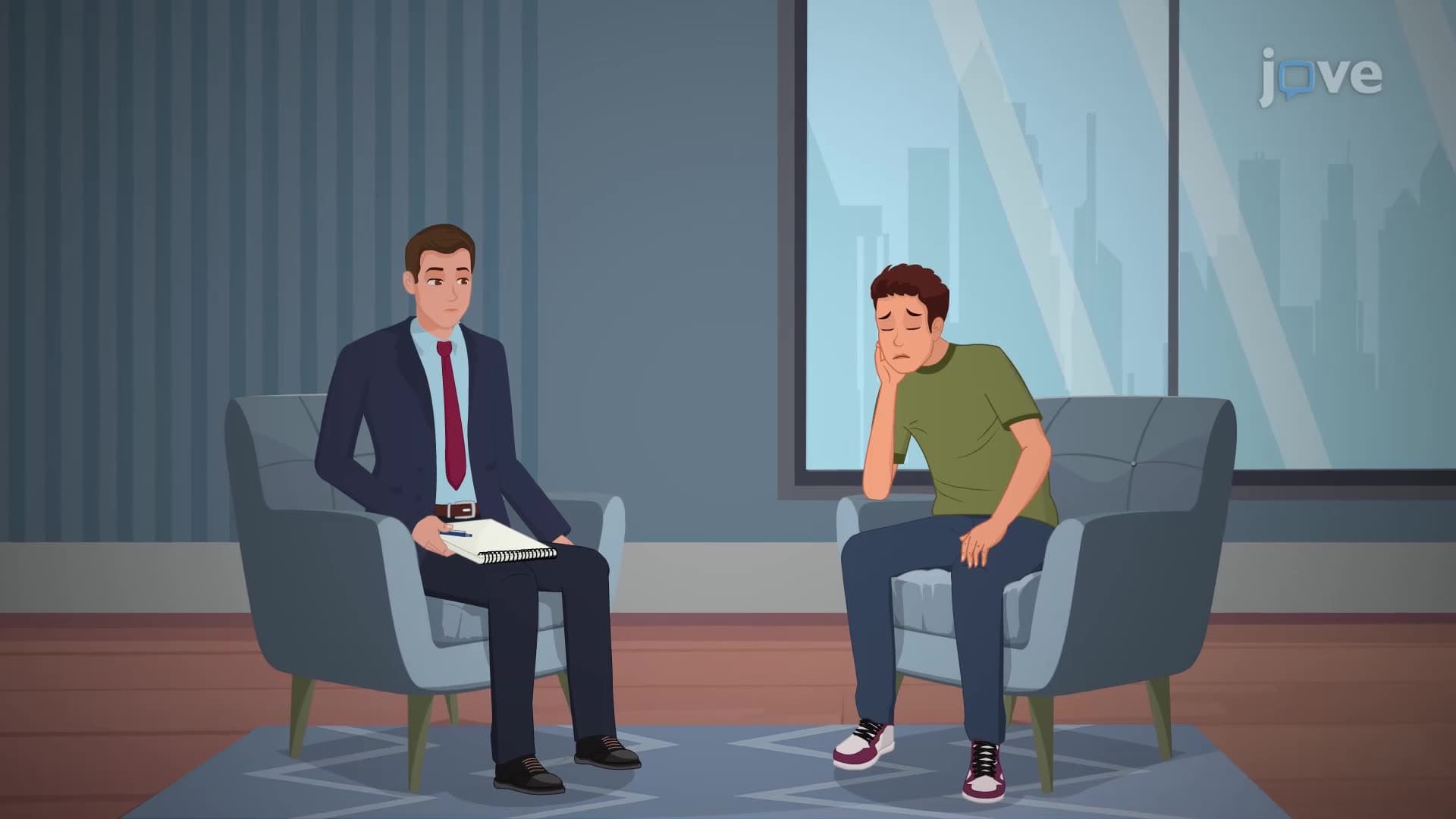
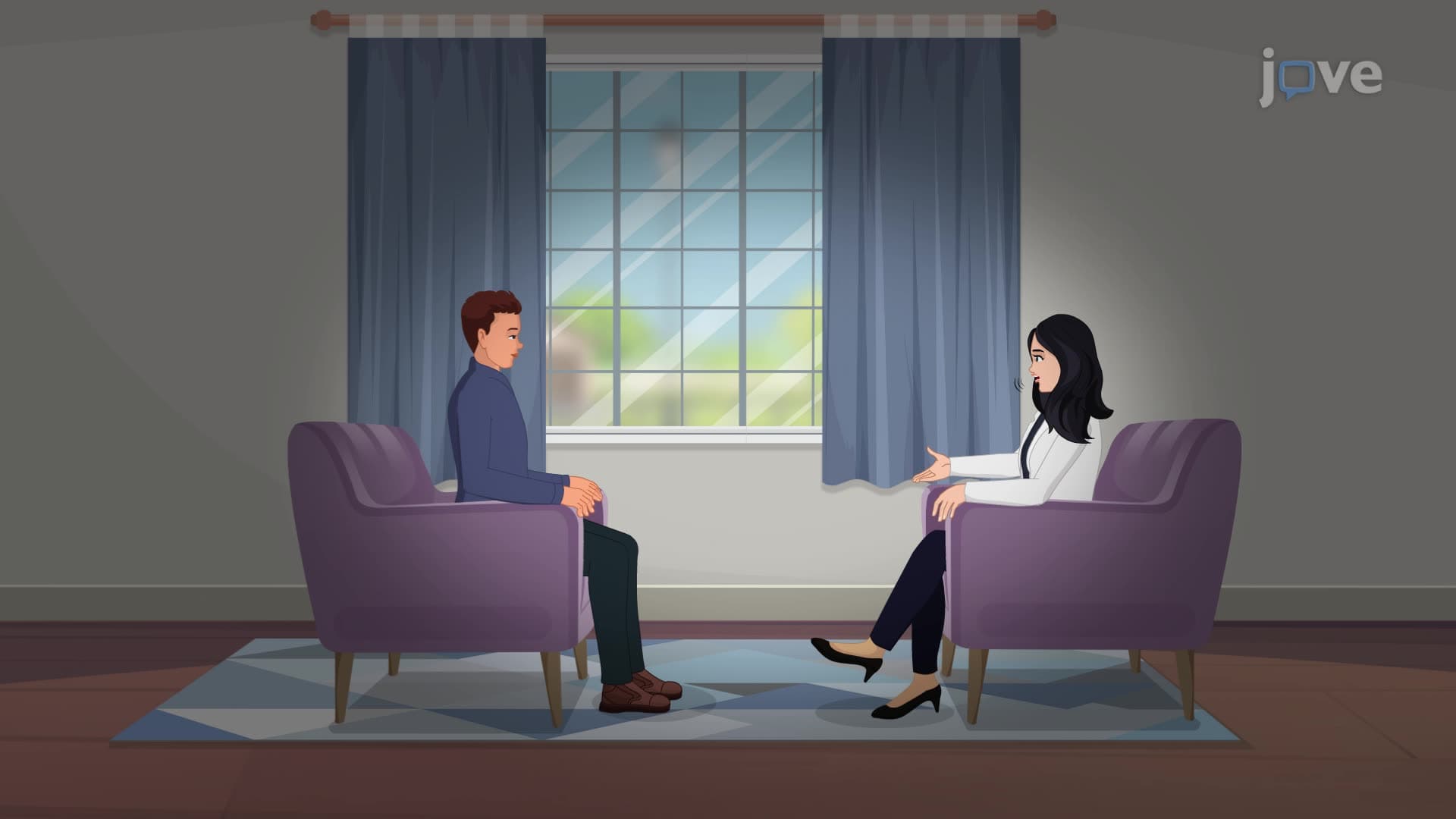
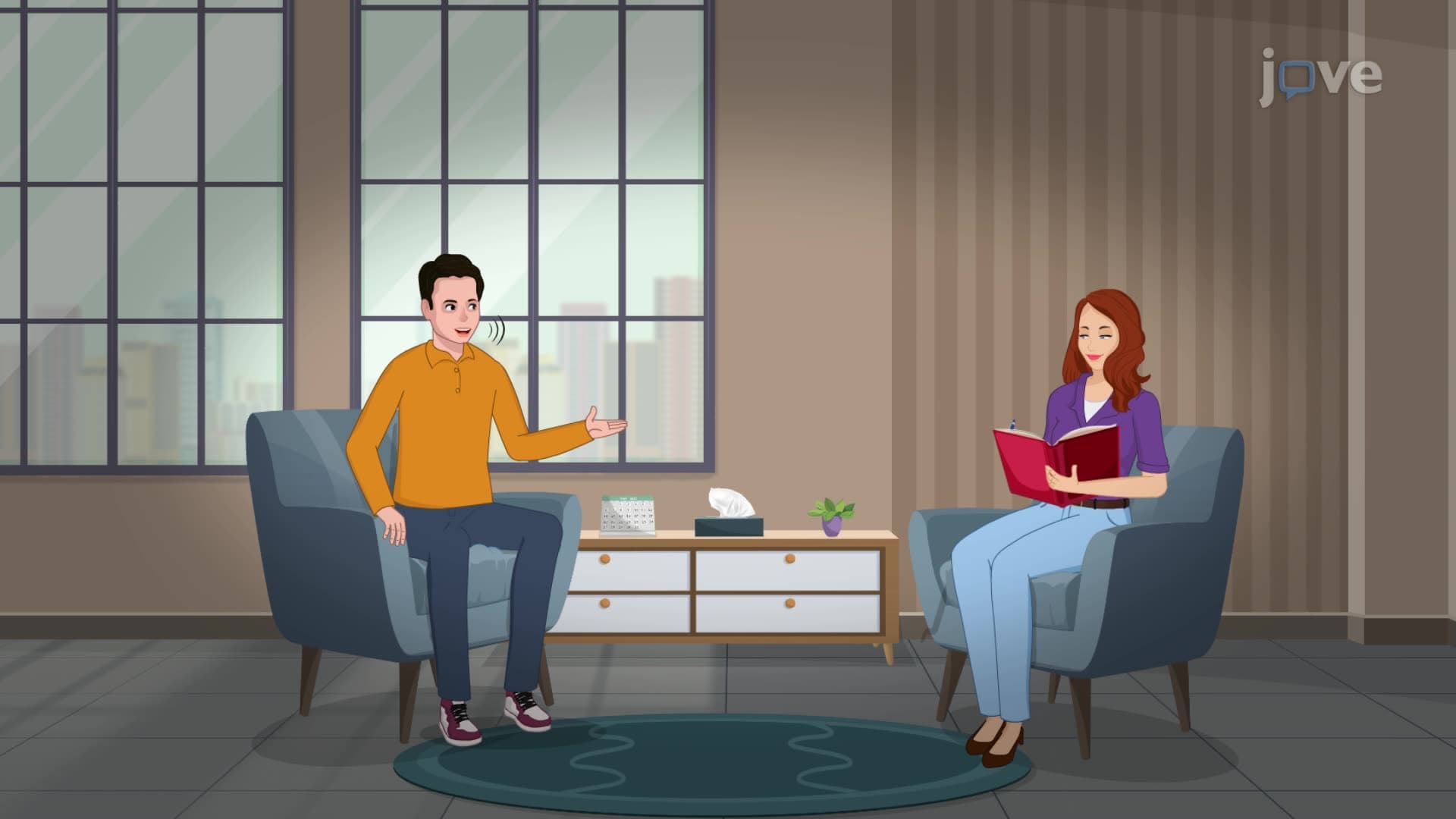
Couples therapy represents a specialized branch of psychotherapy designed to help romantic partners navigate relationship challenges and strengthen their emotional connection. Unlike individual therapy, this approach focuses on the dynamic between two people, treating the relationship itself as the primary patient. Licensed Marriage and Family Therapists (LMFTs) across the United States employ evidence-based techniques to address everything from minor communication hiccups to major relationship crises.
The theoretical foundation often draws from cognitive-behavioral therapy (CBT) principles, which emphasize identifying negative thought patterns and behaviors that damage relationships. For students preparing for AP Psychology exams or college-level abnormal psychology courses, understanding these CBT applications provides crucial insight into how psychological principles translate to real-world interventions.
Couples therapy definition encompasses treatment for diverse relationship challenges that affect millions of American families. Communication breakdowns represent the most frequent presenting problem, often manifesting as criticism, defensiveness, contempt, or stonewalling-what renowned researcher Dr. John Gottman calls the "Four Horsemen of the Apocalypse" in relationships.
Therapists also address complex issues like infidelity recovery, sexual dysfunction, financial disagreements, and challenges specific to modern American families, such as dual-career stress or blended family dynamics. For instance, when a couple at Stanford University's counseling center struggles with academic pressure affecting their relationship, therapists help them develop coping strategies that honor both individual goals and partnership needs.
The couples therapy concept involves several key interventions that students should understand for MCAT psychology sections or graduate coursework. Validation techniques help partners acknowledge each other's emotional experiences without necessarily agreeing, fostering empathy and reducing defensive responses.
Reframing represents another crucial skill where therapists help couples view problems as shared challenges rather than individual failings. For example, instead of labeling one partner as "the angry one," therapists might reframe anger as a protective response to feeling unheard or undervalued.
Structural change involves actively reorganizing how couples interact, breaking cycles of negative communication. Detriangulation addresses situations where external factors-like children, in-laws, or work stress-become focal points that distract from core relationship issues. When parents at a Chicago family therapy clinic focus obsessively on their teenager's behavioral problems, therapists might redirect attention to underlying marital tensions that contribute to family dysfunction.
Research from institutions like UCLA and the University of Washington demonstrates that couples therapy achieves significant improvement rates, with many couples reporting enhanced satisfaction and reduced conflict after treatment. For students interested in clinical psychology careers, understanding these outcomes helps appreciate the field's practical impact on American families' wellbeing.
Related Micro-courses