Loading video…


 20 Concepts
 4.6K views

Video Summary: What Is Drug Therapy
Did you know that over 40 million American adults take antidepressants like Prozac or Zoloft? Drug therapy represents one of the most significant breakthroughs in treating mental health conditions, offering hope to millions struggling with anxiety, depression, and psychotic disorders. From emergency rooms using Xanax to calm panic attacks to psychiatrists prescribing mood stabilizers for bipolar disorder, understanding what is drug therapy reveals how medications can literally change brain chemistry to improve lives. Watch the full video on JoVE Coach to master this concept with expert-led visuals and step-by-step explanations.
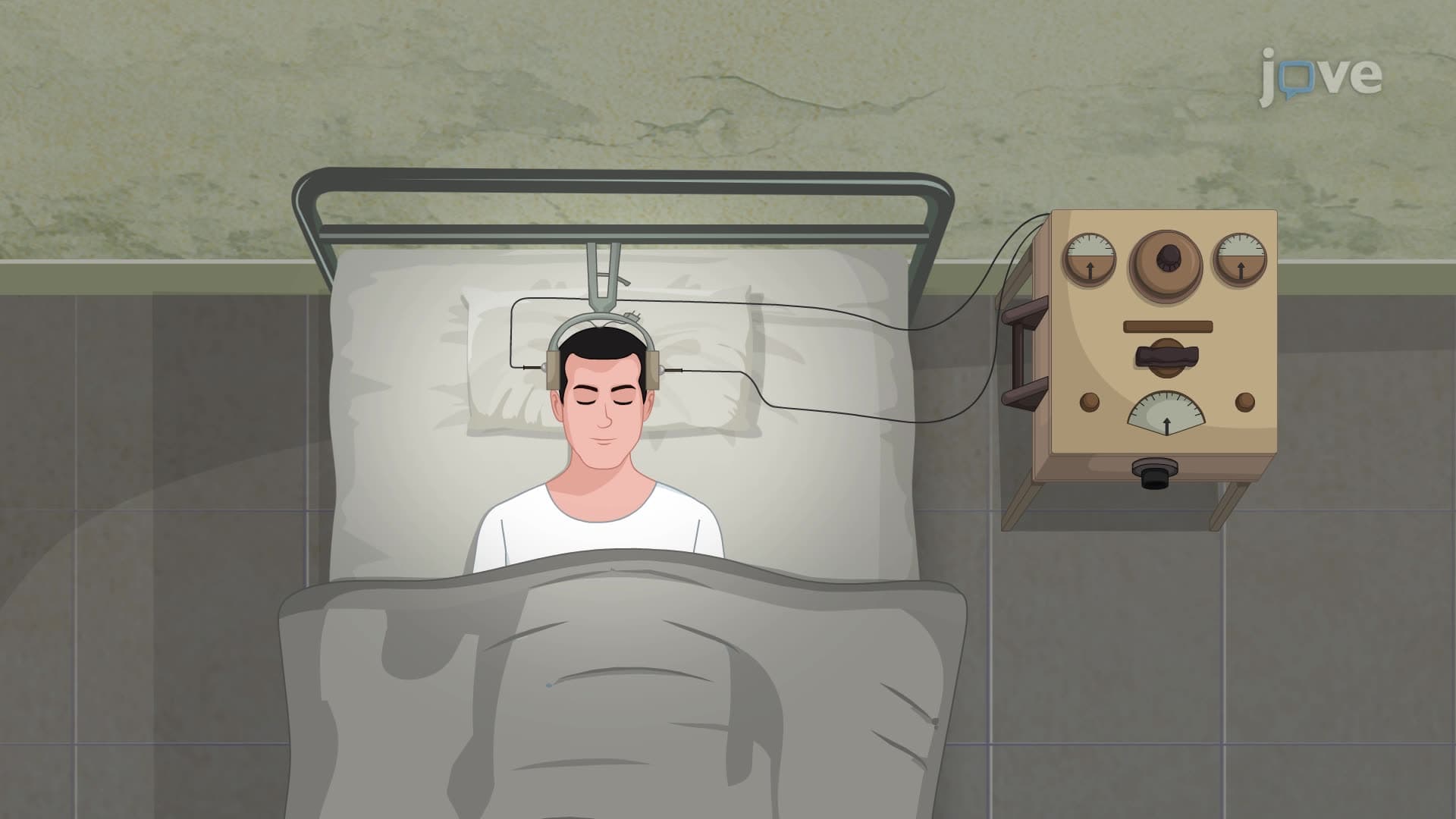
Drug therapy, also known as pharmacotherapy, represents the systematic use of medications to treat mental health disorders by modifying brain chemistry. This drug therapy definition encompasses how specific medications target neurotransmitter systems to alleviate symptoms of anxiety, depression, bipolar disorder, and schizophrenia. The drug therapy concept revolutionized psychiatry in the 1950s when chlorpromazine became the first effective antipsychotic, leading to the deinstitutionalization movement that allowed millions of patients to live in communities rather than psychiatric hospitals.
When exploring what is drug therapy in detail, antianxiety medications provide an excellent starting point. Benzodiazepines like alprazolam (Xanax) and diazepam (Valium) enhance gamma-aminobutyric acid (GABA) neurotransmitter activity, producing rapid calming effects within 30-60 minutes. Emergency departments across the United States routinely use lorazepam (Ativan) to manage acute panic attacks or agitation. However, these medications carry significant risks: physical dependence can develop within 2-4 weeks of regular use, and withdrawal symptoms can be life-threatening. This explains why the Drug Enforcement Administration classifies benzodiazepines as Schedule IV controlled substances.
The drug therapy overview of antidepressants reveals two major categories. Tricyclic antidepressants like amitriptyline (Elavil) block reuptake of both serotonin and norepinephrine but cause significant side effects including dry mouth, constipation, and cardiac arrhythmias. Selective serotonin reuptake inhibitors (SSRIs) like fluoxetine (Prozac) and sertraline (Zoloft) specifically target serotonin reuptake, offering comparable efficacy with fewer side effects. The FDA requires black box warnings on all antidepressants regarding increased suicide risk in patients under 25, making this crucial knowledge for AP Psychology and college-level abnormal psychology courses.
Lithium carbonate remains the gold standard for bipolar disorder treatment, requiring regular blood monitoring to maintain therapeutic levels between 0.6-1.2 mEq/L. The narrow therapeutic window means the difference between ineffective treatment and toxic side effects can be minimal. Modern atypical antipsychotics like risperidone (Risperdal) and olanzapine (Zyprexa) block both dopamine and serotonin receptors, reducing positive symptoms of schizophrenia while minimizing the movement disorders associated with older medications like haloperidol (Haldol). This drug therapy basics knowledge appears frequently on MCAT psychology sections and NCLEX-RN examinations.
Related Micro-courses