Loading subject page…


4,600 views

Video Summary: What Is Electroconvulsive Therapy
Did you know that electroconvulsive therapy can achieve a 70% improvement rate in severe depression cases within just weeks? This life-saving psychiatric treatment, also known as ECT or shock therapy, uses controlled electrical pulses to induce brief seizures under anesthesia. Major medical centers like Johns Hopkins and Mayo Clinic regularly use ECT for treatment-resistant depression when medications fail. Understanding what is electroconvulsive therapy reveals how this controversial yet effective procedure has evolved from ancient observations to modern precision medicine. Watch the full video on JoVE Coach to master this concept with expert-led visuals and step-by-step explanations.
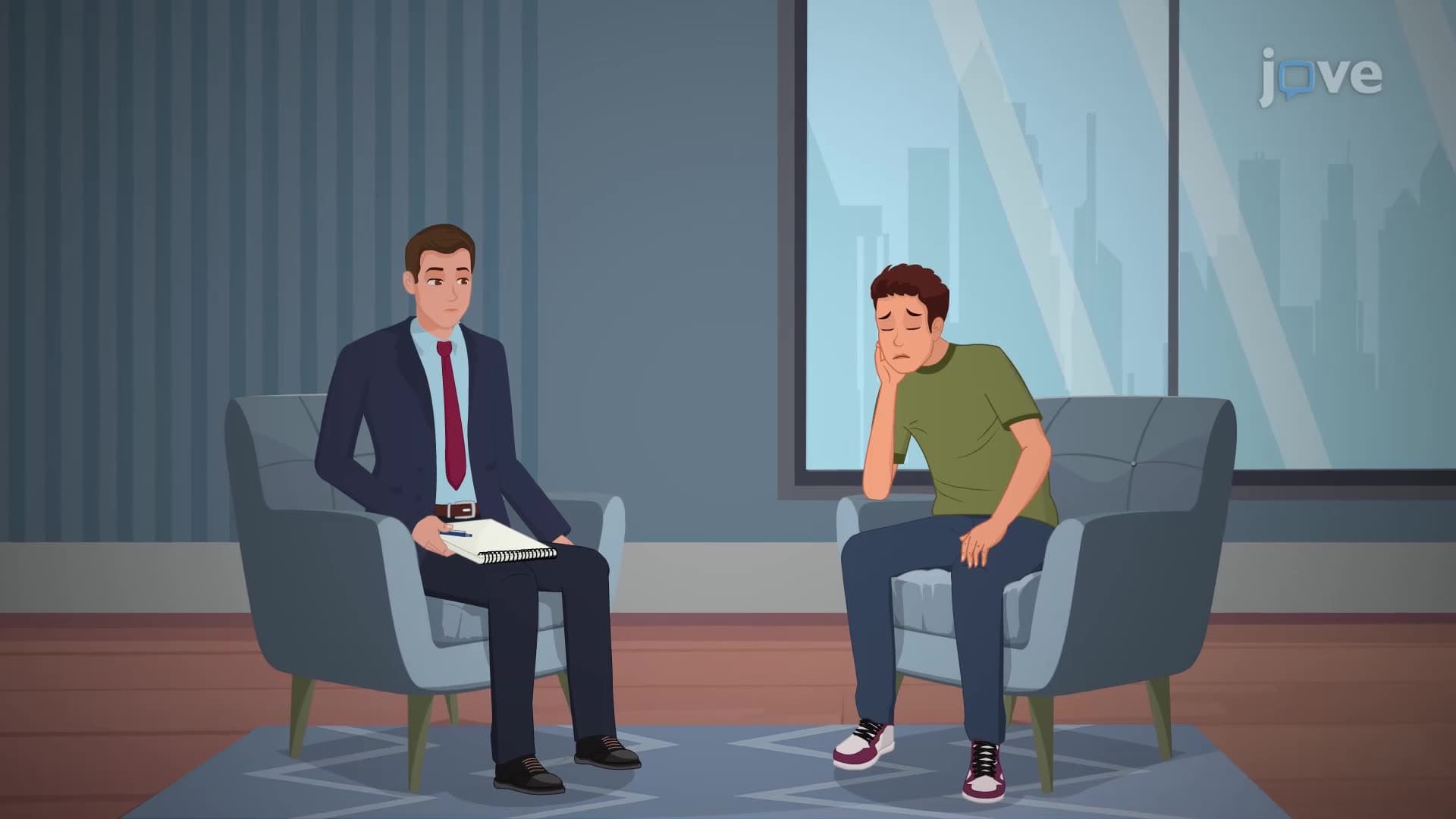
Electroconvulsive therapy represents one of psychiatry's most effective yet misunderstood treatments. This medical procedure involves delivering a brief electrical stimulus to the brain while the patient is under general anesthesia, inducing a controlled seizure lasting approximately 60 seconds. The electroconvulsive therapy definition encompasses both its mechanism-controlled electrical brain stimulation-and its primary indication: severe, treatment-resistant depression.
Modern ECT bears little resemblance to its historical portrayal in media. Patients receive general anesthesia and muscle relaxants, eliminating the dramatic physical convulsions once associated with the procedure. This evolution addresses the fundamental question of what is electroconvulsive therapy in detail: a precisely controlled medical intervention performed in sterile hospital settings across major US medical centers.
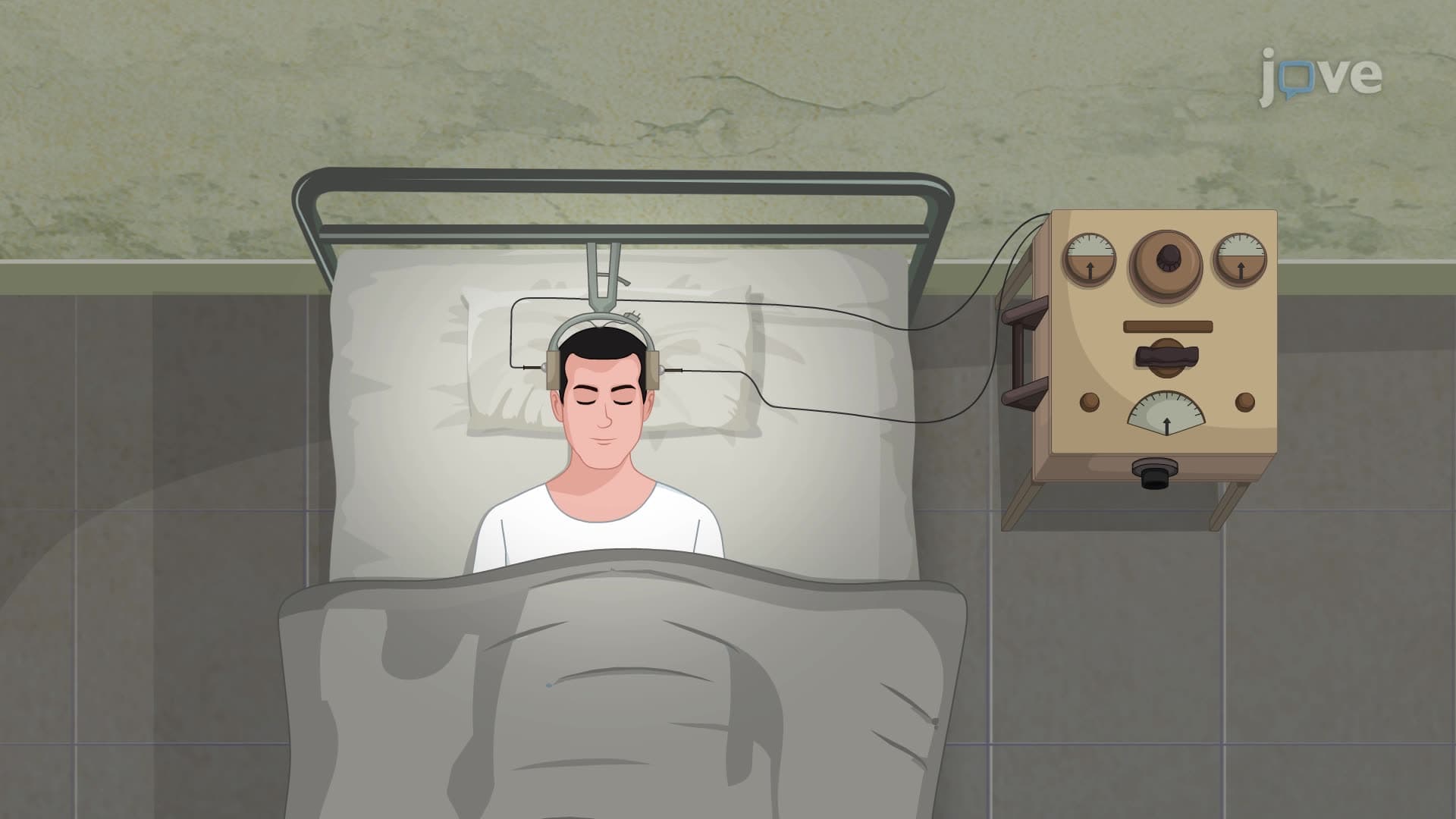
The electroconvulsive therapy overview begins with ancient Greek physician Hippocrates, who observed that malaria-induced seizures sometimes improved mental illness symptoms. This observation lay dormant until 1938, when Italian neurologist Ugo Cerletti developed the first controlled electrical method. American psychiatrists quickly adopted the technique, and by the 1940s, ECT became widespread in US psychiatric hospitals.
The electroconvulsive therapy basics evolved significantly through decades of research. Early bilateral electrode placement, while effective, caused substantial memory problems. The development of unilateral ECT in the 1970s-placing electrodes on the right temple and crown-dramatically reduced memory side effects while maintaining therapeutic efficacy. This advancement exemplifies how the electroconvulsive therapy concept has been refined through evidence-based medicine.
Today's ECT serves as a critical intervention for severe psychiatric conditions, particularly when standard treatments fail. The procedure demonstrates remarkable efficacy: over 70% of patients show significant improvement within 2-4 weeks. This rapid response proves crucial for patients with acute suicidal ideation, where immediate intervention can be life-saving.
Understanding electroconvulsive therapy requires recognizing its specific indications. Major US medical centers like Massachusetts General Hospital and Cleveland Clinic primarily use ECT for treatment-resistant depression, severe bipolar disorder, and catatonia. The procedure typically involves 6-12 treatments over several weeks, with maintenance sessions for some patients.
For students preparing for the MCAT, AP Psychology, or undergraduate coursework, ECT represents a crucial intersection of neuroscience, psychiatry, and medical ethics. The electroconvulsive therapy study guide approach should emphasize understanding both the biological mechanism and the ethical considerations surrounding informed consent and patient autonomy.
College psychology courses often examine ECT as a case study in treatment efficacy versus public perception. The controversy surrounding ECT-despite its proven effectiveness-illustrates how scientific evidence and social attitudes can diverge, making it an excellent topic for critical thinking exercises in pre-med and psychology curricula.
Related Micro-courses