Loading video…


 20 Concepts
 4.6K views


Video Summary: What Is Family Therapy
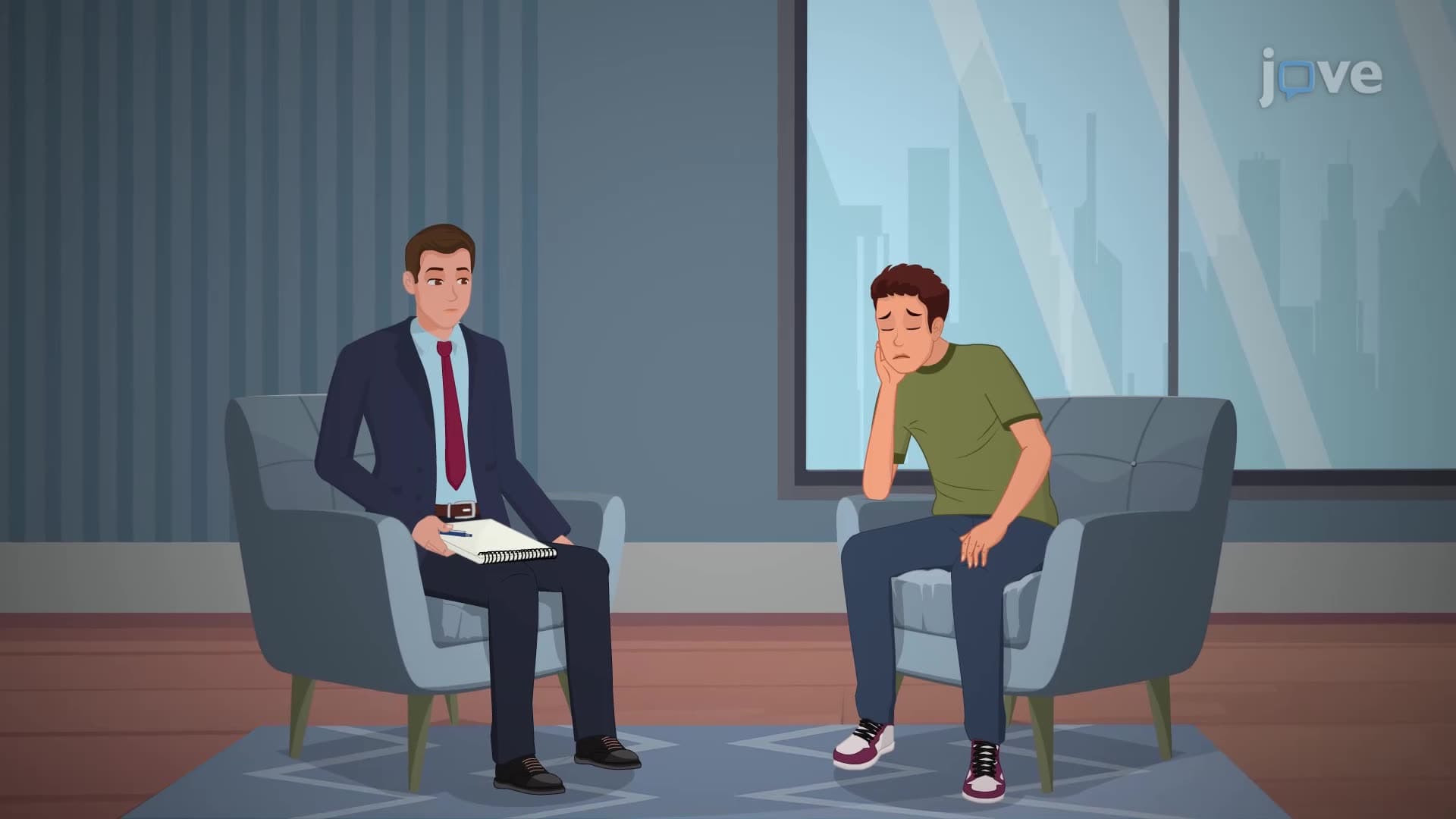
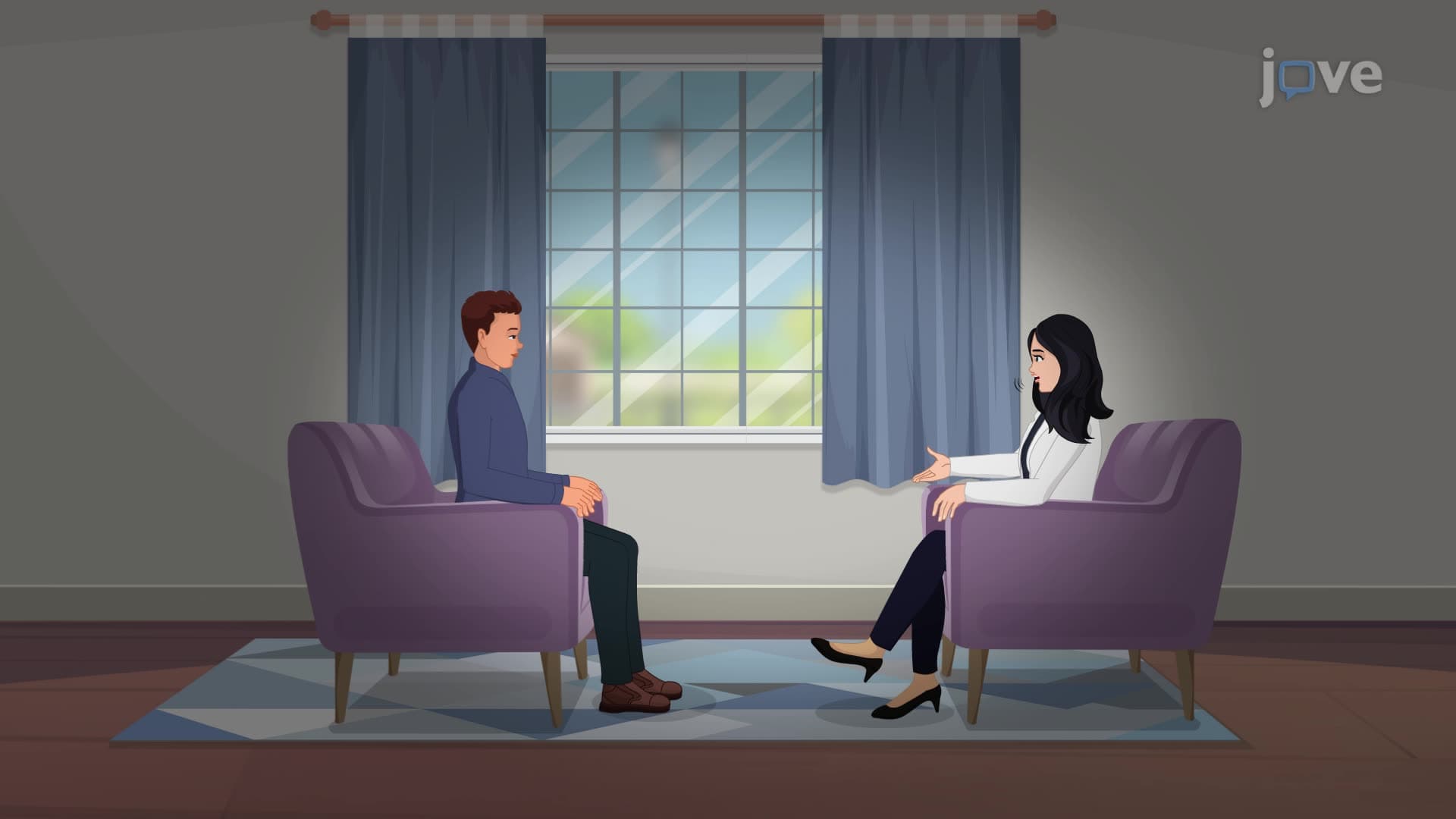
Did you know that roughly 50% of marriages in America end in divorce, yet families who engage in family therapy show significantly improved communication and relationship outcomes? Family therapy approaches psychological problems by examining the entire family system rather than focusing solely on individual issues. For example, when a teenager at Roosevelt High School in Chicago struggles with academic performance, a family therapist might work with parents, siblings, and the student together to identify communication patterns affecting the teen's success. Watch the full video on JoVE Coach to master this concept with expert-led visuals and step-by-step explanations.
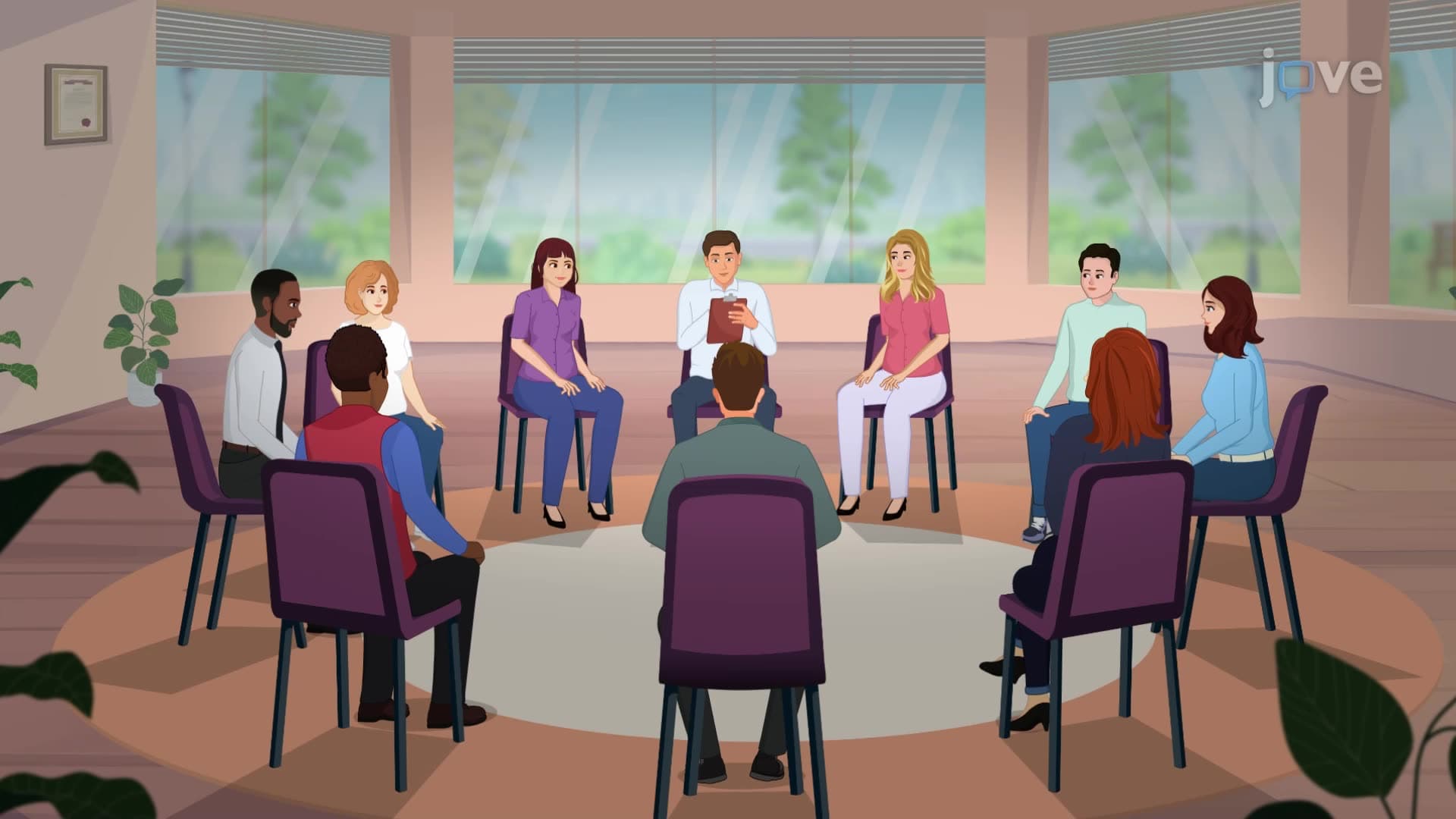
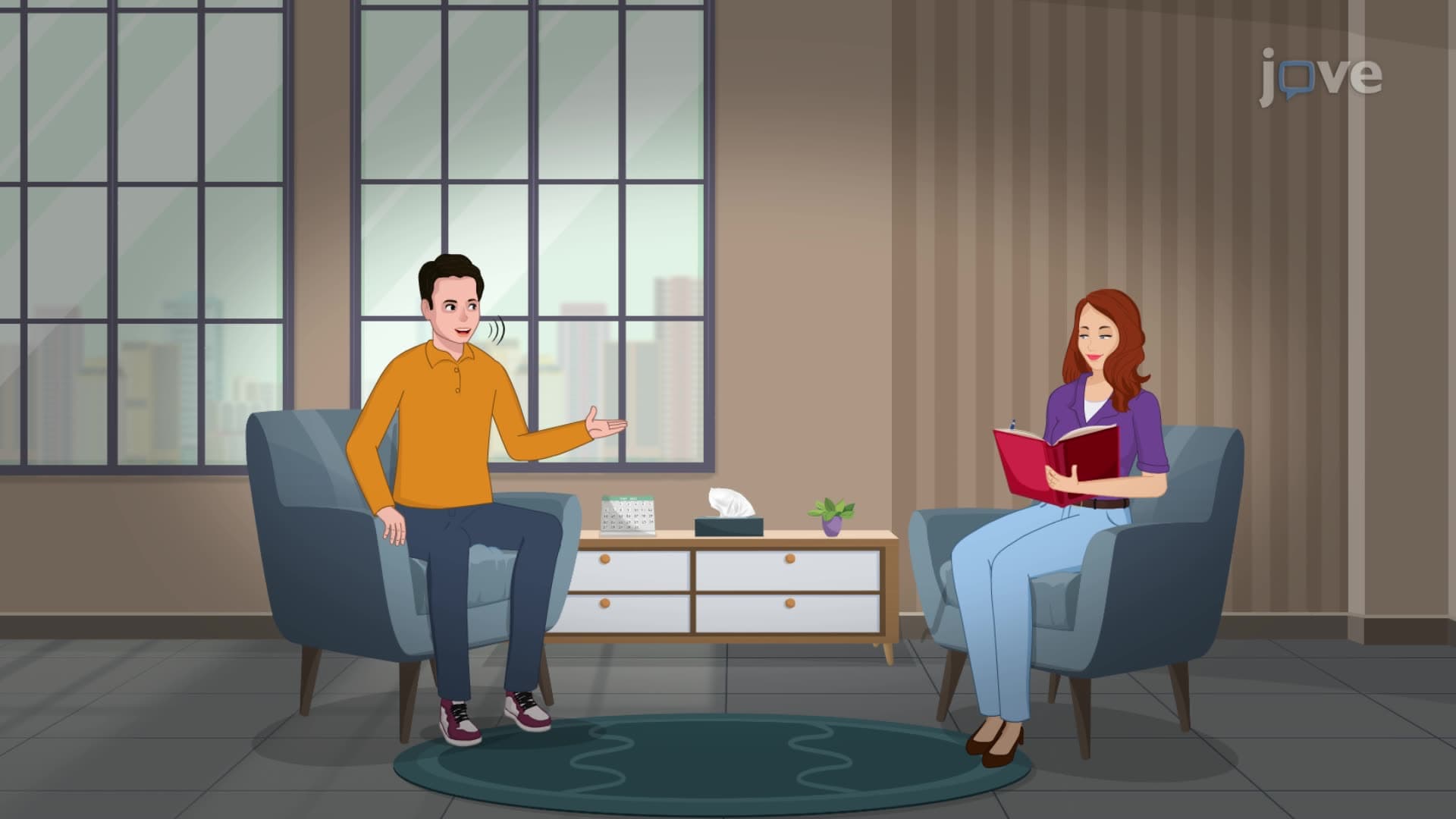
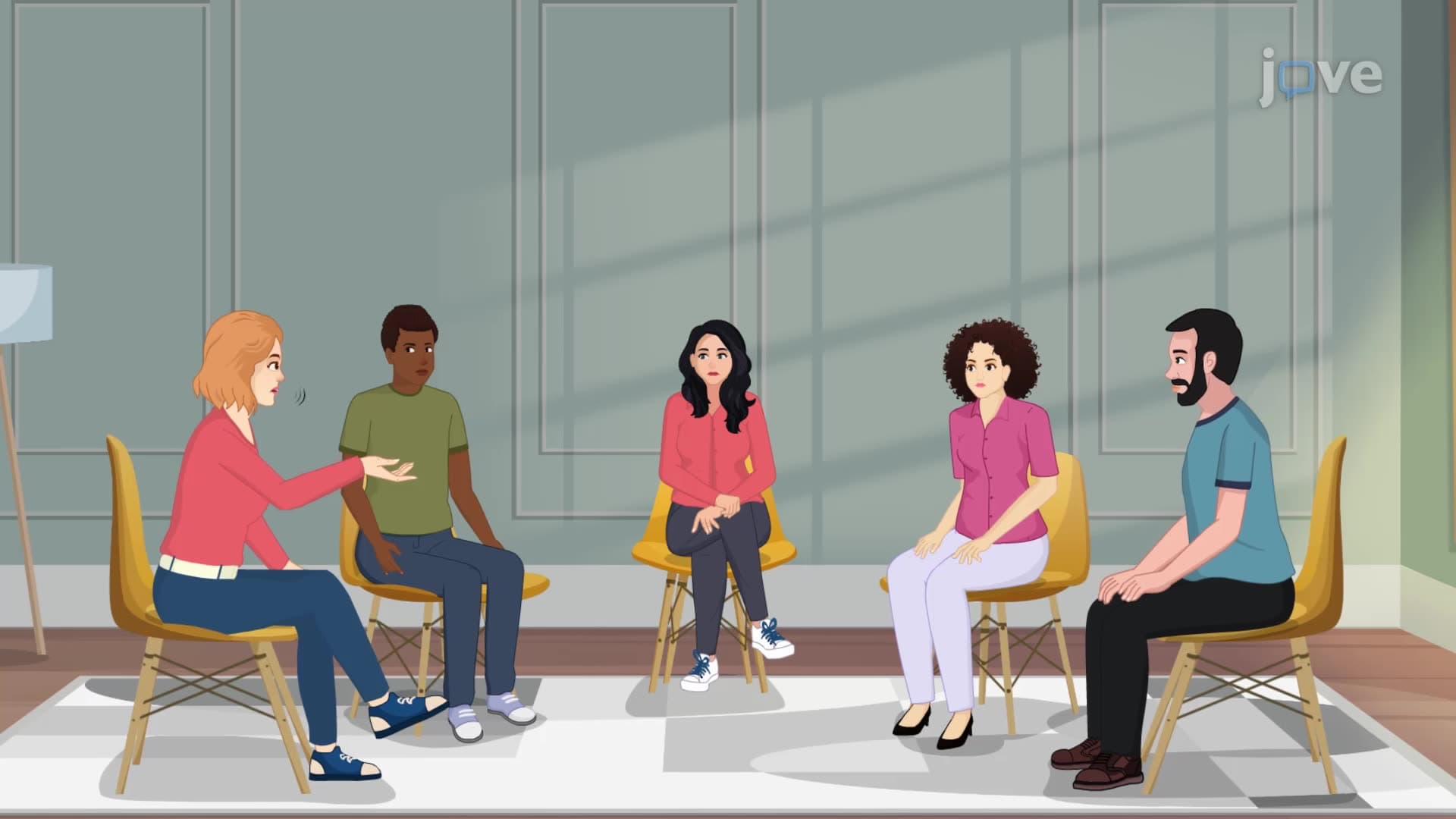
Family therapy represents a revolutionary shift from traditional individual-focused psychological treatment. Rather than viewing mental health issues as residing within a single person, this therapeutic approach examines the complex web of relationships, communication patterns, and behavioral dynamics that exist within family systems. The family therapy definition encompasses interventions designed to improve functioning across the entire family unit, recognizing that individual symptoms often reflect broader systemic problems.
Strategic family therapy employs sophisticated techniques to address dysfunctional communication patterns. Therapists utilize carefully crafted directives-structured tasks designed to interrupt problematic family interactions. One powerful technique involves paradoxical interventions, where therapists might actually prescribe the problematic behavior. For instance, when treating a family in Denver where parents and their teenage daughter engage in daily screaming matches, a strategic therapist might instruct them to schedule specific "argument times." This counterintuitive approach often reduces conflict as family members recognize the absurdity of their patterns and develop healthier communication alternatives.
Structural family therapy focuses intensively on family organization, examining how boundaries between family members either facilitate or hinder healthy functioning. Therapists actively participate in family interactions, observing patterns firsthand and implementing real-time interventions. Consider a Milwaukee family where a 16-year-old has developed eating restrictions to gain parental attention. A structural therapist would work to establish clearer generational boundaries, help parents provide appropriate attention through positive interactions, and teach the teenager direct communication skills to express needs without using food-related behaviors.
Family therapy concepts frequently appear on AP Psychology exams, particularly in questions about treatment approaches and psychological perspectives. College students studying clinical psychology, social work, or counseling will encounter these principles in abnormal psychology courses and therapeutic intervention classes. The systems perspective has also influenced modern understanding of conditions like anxiety disorders, depression, and behavioral problems in adolescents, making this knowledge essential for MCAT preparation and graduate school applications in psychology-related fields.
Related Micro-courses