Loading subject page…


4,600 views

Video Summary: What Is Group Therapy
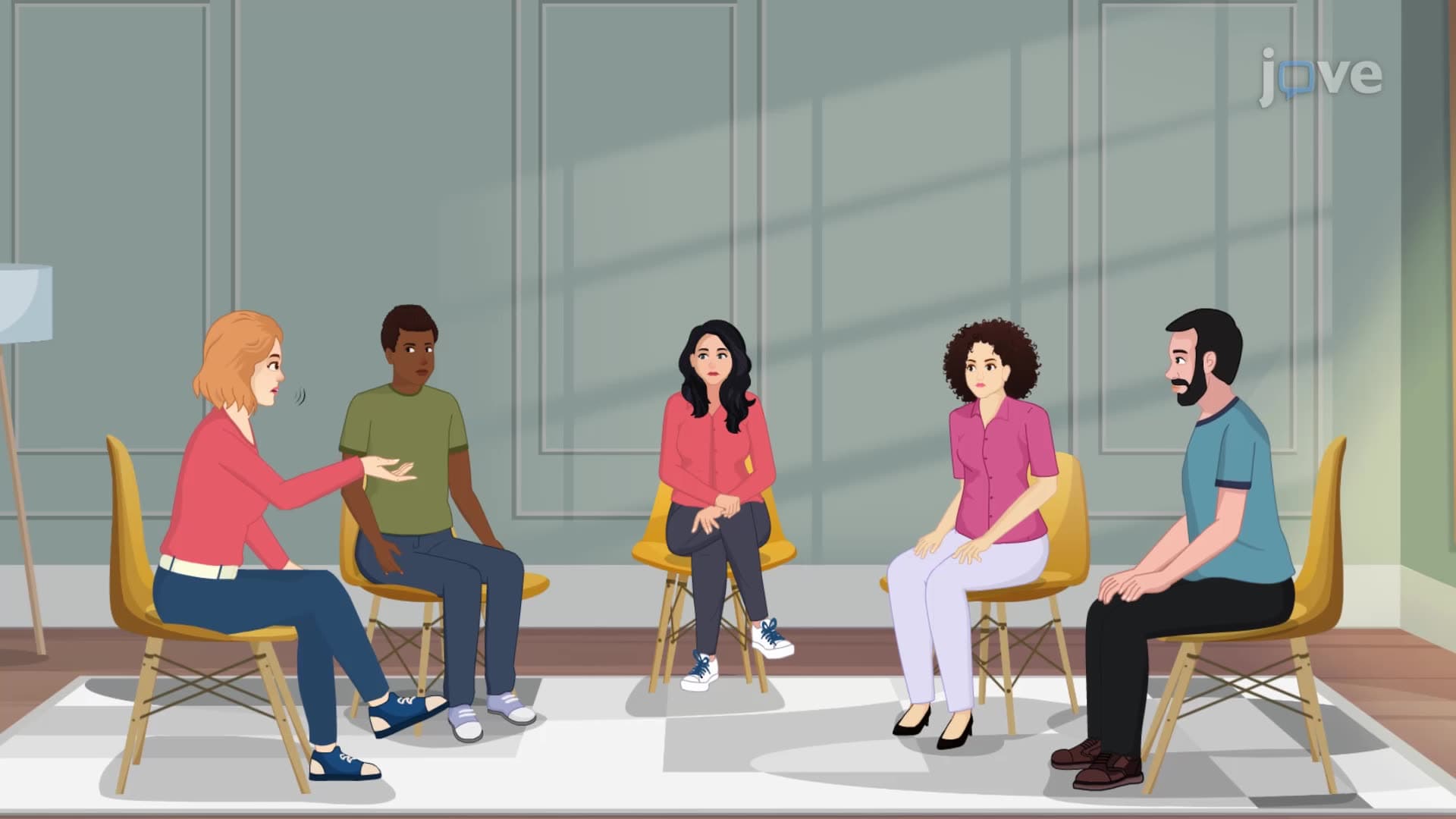
Did you know that over 75% of Americans who participate in group therapy report feeling less isolated about their mental health struggles? Group therapy brings together individuals facing similar psychological challenges in structured sessions led by trained therapists. This therapeutic approach helps participants realize they're not alone-whether it's teenagers dealing with anxiety at Roosevelt High School in Chicago or college students managing depression at UCLA. Group therapy creates a supportive environment where members learn from each other's experiences and develop crucial coping skills. Watch the full video on JoVE Coach to master this concept with expert-led visuals and step-by-step explanations.
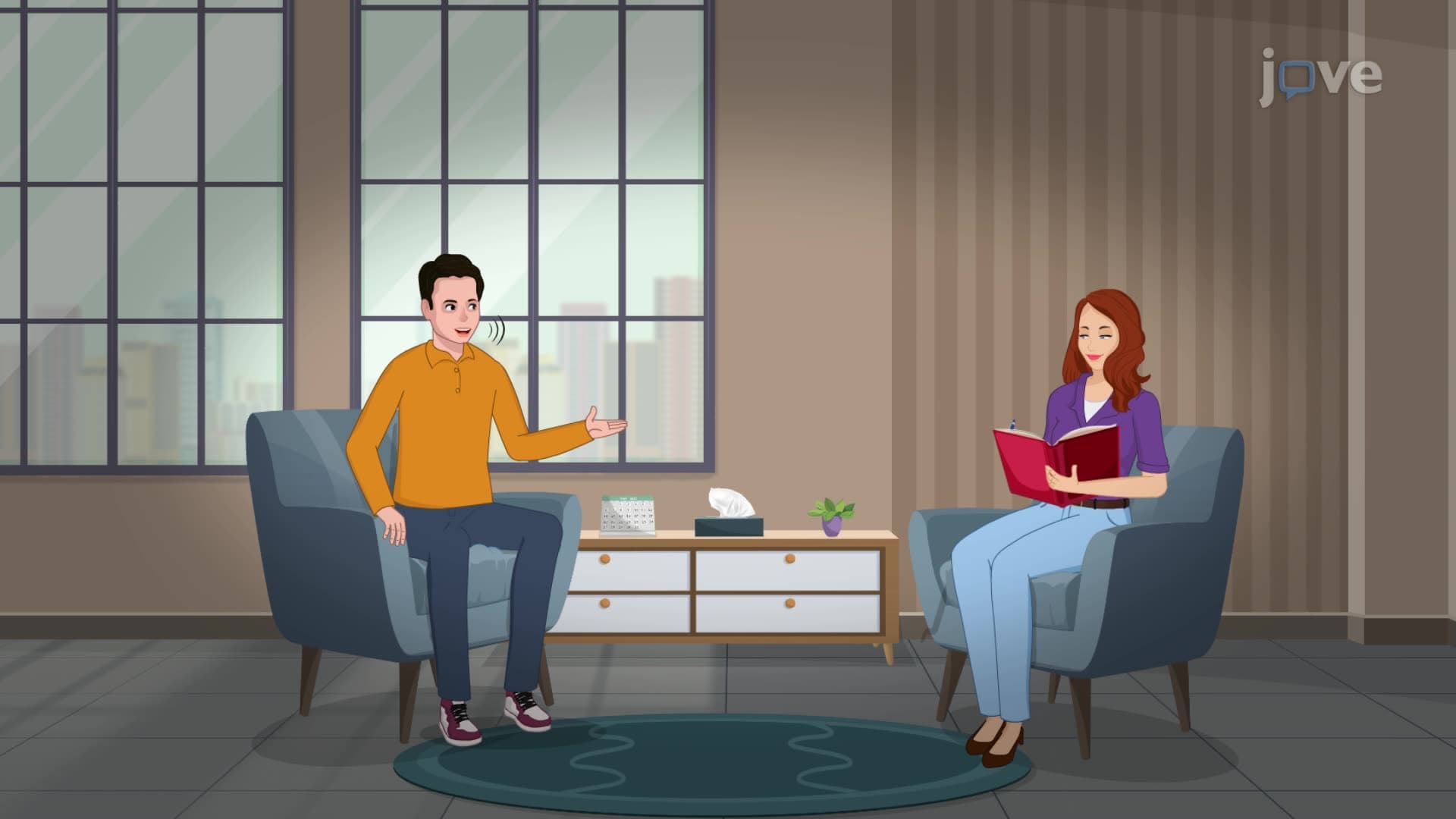
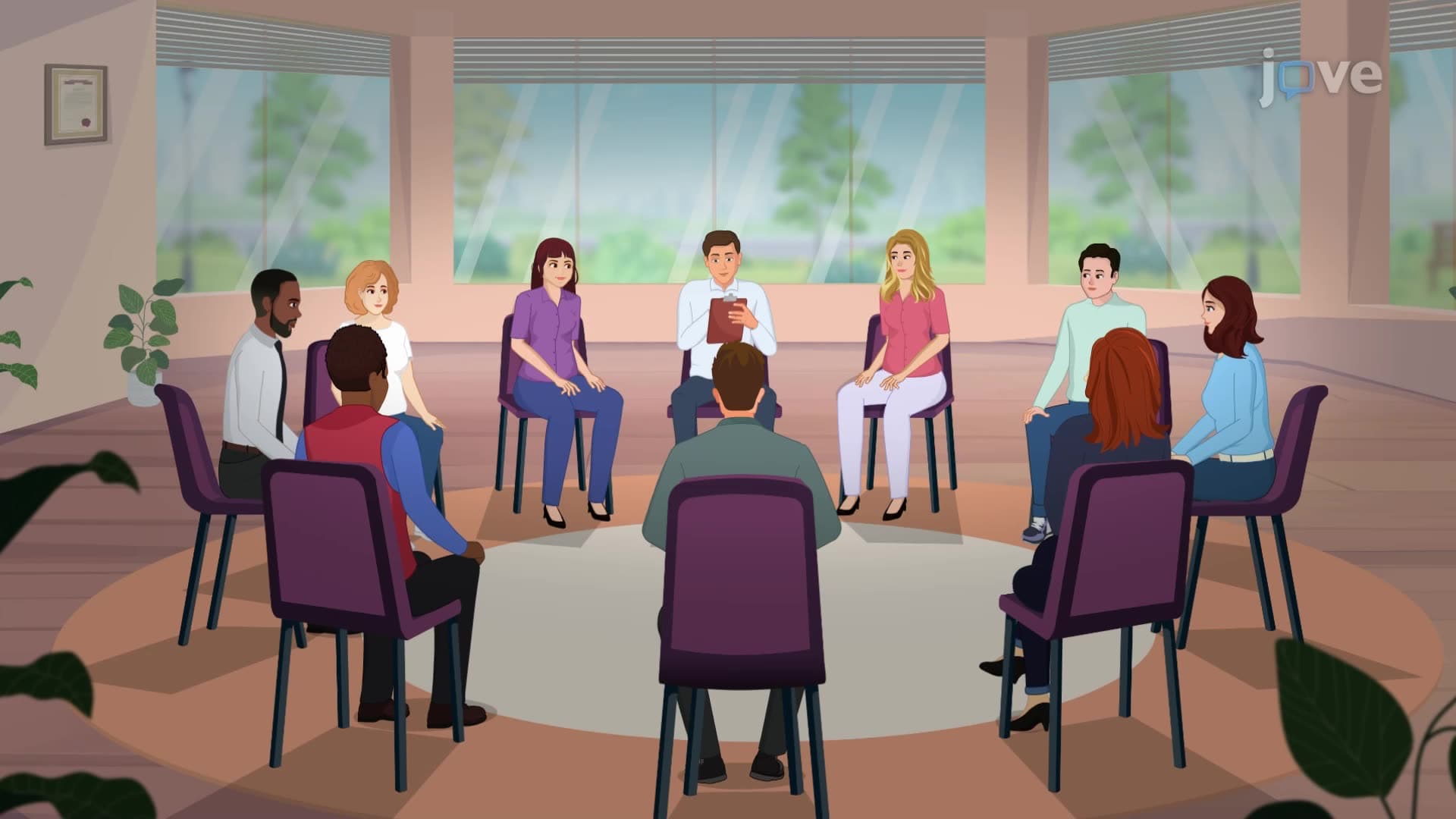
Group therapy represents a powerful sociocultural approach to mental health treatment that harnesses the collective healing power of shared experiences. Unlike traditional one-on-one therapy, this method brings together 6-12 individuals facing similar psychological challenges under the guidance of a licensed mental health professional. The approach recognizes that many mental health struggles-from addiction to trauma to depression-thrive in isolation but weaken when exposed to the light of shared understanding.
The effectiveness of group therapy stems from several key psychological principles. Universality occurs when participants realize their struggles aren't unique, breaking down the walls of shame and isolation. A veteran dealing with PTSD at a VA hospital in Phoenix might discover that other service members share identical nightmares and triggers. Altruism emerges as members recognize they can help others, restoring their sense of purpose and self-worth. This dual role-both receiving and giving support-accelerates healing in ways individual therapy cannot replicate.
Group sessions vary dramatically in structure and focus. Educational groups might teach coping strategies for managing panic attacks, while process groups focus on exploring interpersonal patterns. Family therapy groups at institutions like the Mayo Clinic often recreate family dynamics, allowing participants to practice new communication patterns in a safe environment. Members develop crucial social skills through real-time feedback from peers, which often carries more weight than therapist observations alone.
Despite its benefits, group therapy presents unique challenges that students should understand for AP Psychology exams and college coursework. Confidentiality becomes more complex with multiple participants, requiring careful boundary-setting. Personality conflicts can disrupt group cohesion, and some individuals may struggle with the vulnerability required for group participation. Social anxiety, ironically, can initially worsen in group settings before improving. Successful group therapy requires careful screening and skilled facilitation to navigate these complexities while maintaining therapeutic momentum.
Related Micro-courses