Loading video…


 20 Concepts
 4.6K views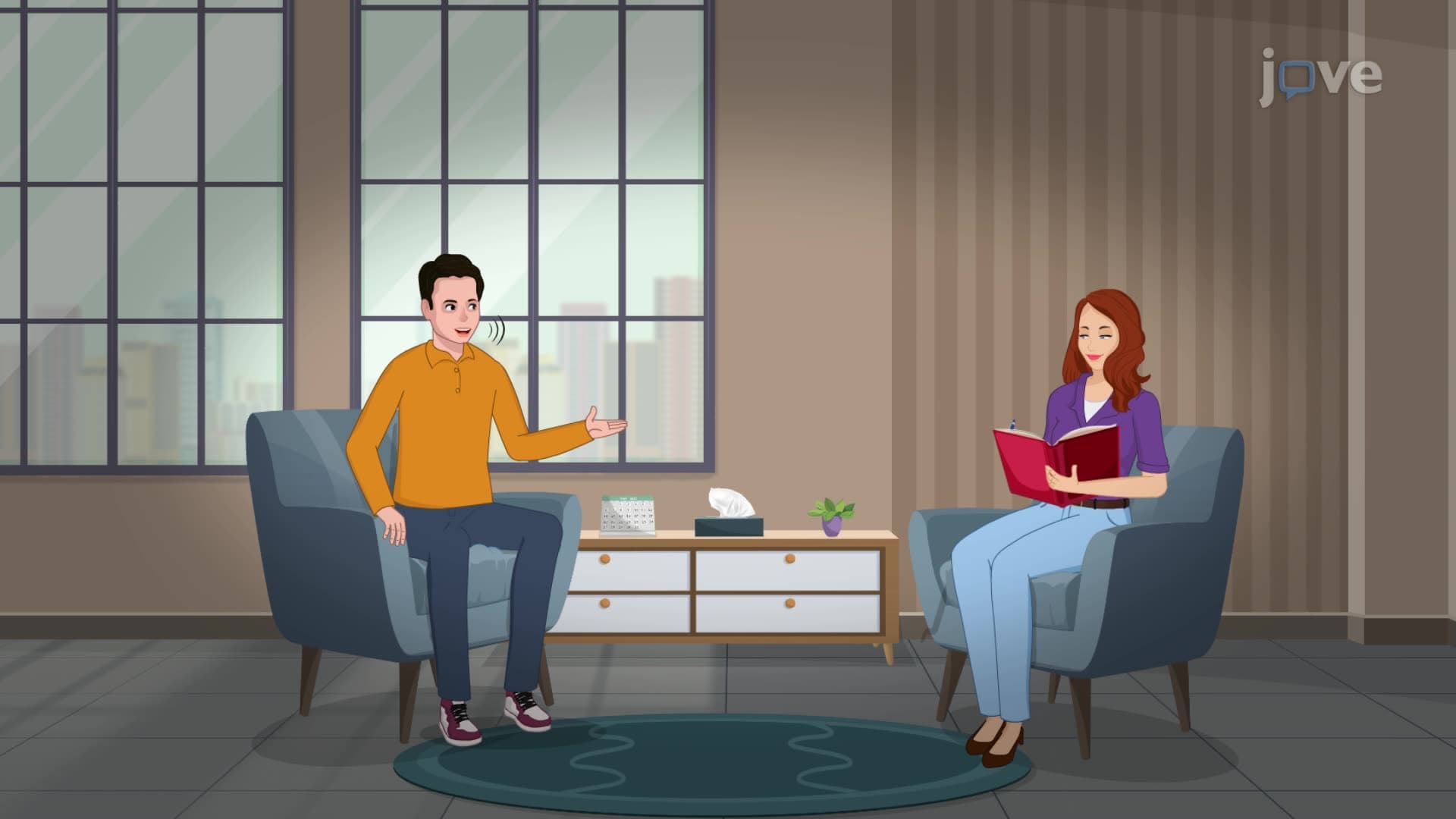

Video Summary: What Is Interpersonal Psychotherapy
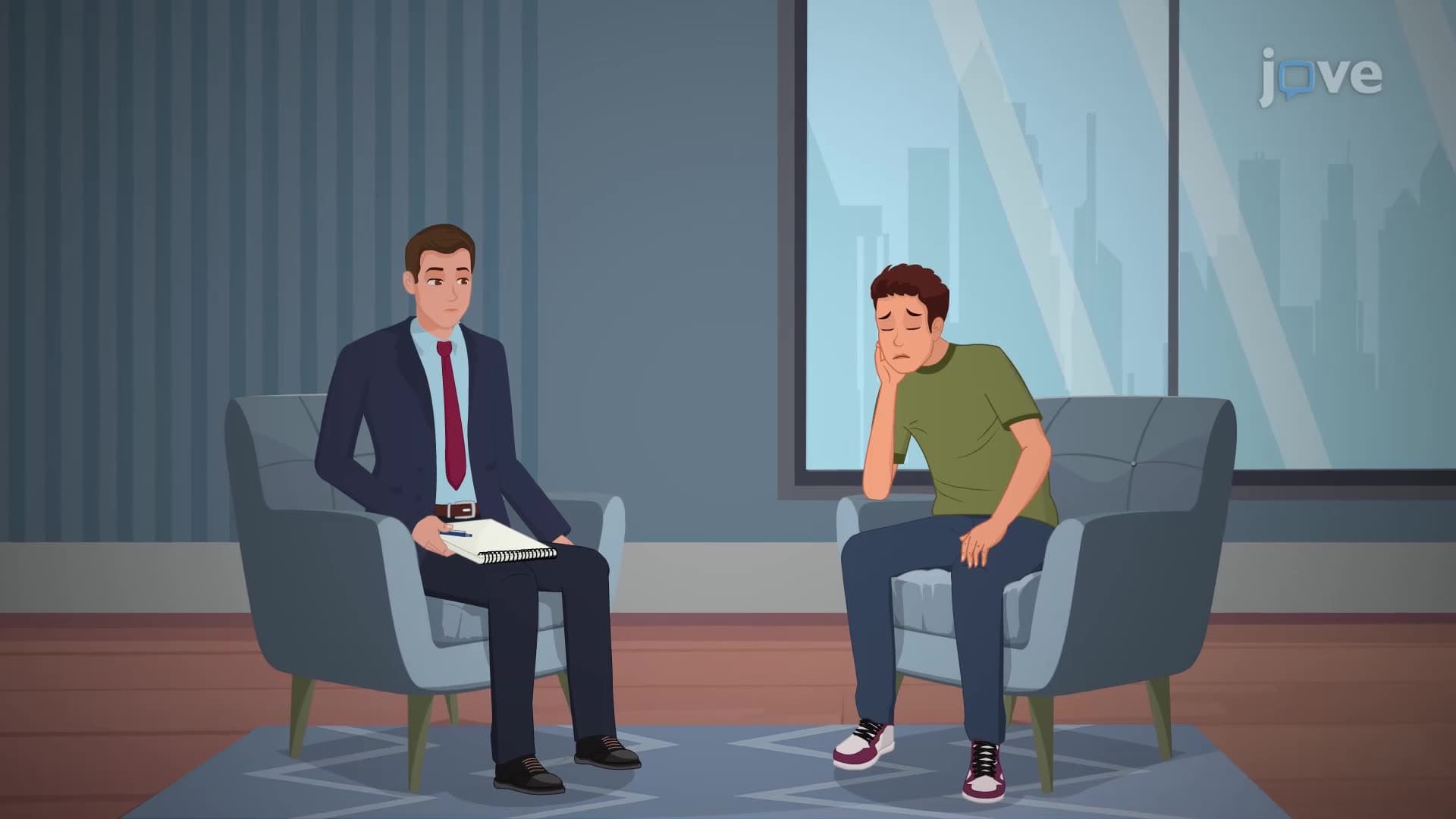
Did you know that relationship problems can literally change your brain chemistry and trigger depression? Interpersonal psychotherapy (IPT) is a proven therapeutic approach that addresses how our relationships directly impact our mental health and emotional well-being. For instance, when college students at UCLA struggle with roommate conflicts or family tensions, IPT therapists help them develop better communication skills and resolve interpersonal issues within just 12-16 sessions. Watch the full video on JoVE Coach to master this concept with expert-led visuals and step-by-step explanations.
Interpersonal psychotherapy represents a revolutionary approach to mental health treatment that recognizes the fundamental connection between our relationships and our psychological well-being. Developed in the 1970s by Gerald Klerman and Myrna Weissman, this evidence-based therapy draws from the groundbreaking work of psychiatrist Adolph Meyer, who emphasized social and interpersonal factors in mental illness, and Harry Stack Sullivan's interpersonal theory of psychiatry. The integration of John Bowlby's attachment theory provides additional depth, explaining how early relationship patterns influence our adult emotional responses and coping mechanisms.
The interpersonal psychotherapy definition centers on a structured, time-limited approach that typically spans 12-16 sessions. Unlike open-ended psychoanalysis, IPT maintains a clear focus on present-day relationship issues rather than extensively exploring childhood experiences. Therapists adopt a "participant observer" role, actively engaging with clients while maintaining professional boundaries. This collaborative approach empowers clients to become active participants in their healing process, developing practical skills for managing interpersonal challenges.
IPT addresses four primary problem areas: grief and loss, interpersonal role disputes (such as marital conflicts or workplace disagreements), role transitions (like graduating college, starting a new job, or becoming a parent), and interpersonal deficits (difficulty forming and maintaining relationships). Students preparing for the MCAT or psychology AP exams should understand that these categories provide a systematic framework for addressing relationship-related mental health concerns.
Research consistently demonstrates IPT's effectiveness, particularly for treating major depressive disorder. The National Institute of Mental Health's Treatment of Depression Collaborative Research Program found IPT as effective as cognitive-behavioral therapy and antidepressant medication for treating depression. Major medical schools, including Harvard Medical School and Johns Hopkins, incorporate IPT training into their psychiatry residency programs, reflecting its clinical importance.
Beyond depression, IPT has shown promising results for treating bulimia nervosa, substance abuse disorders, and postpartum depression. For example, new mothers experiencing postpartum depression at institutions like the Mayo Clinic often receive IPT to address role transition challenges and relationship strain. College counseling centers across the United States, from Stanford University to the University of Michigan, frequently utilize IPT to help students navigate academic stress, relationship difficulties, and major life transitions.
What makes IPT particularly valuable is its eclectic nature, borrowing effective elements from multiple therapeutic traditions. While rooted in psychodynamic understanding of unconscious processes, it incorporates cognitive-behavioral techniques for problem-solving and humanistic emphasis on client empowerment. This integration makes IPT accessible to diverse populations and adaptable to various clinical settings, from private practice to community mental health centers throughout the United States.
Related Micro-courses