Loading subject page…


4,600 views


Video Summary: What Is Modeling in Therapy
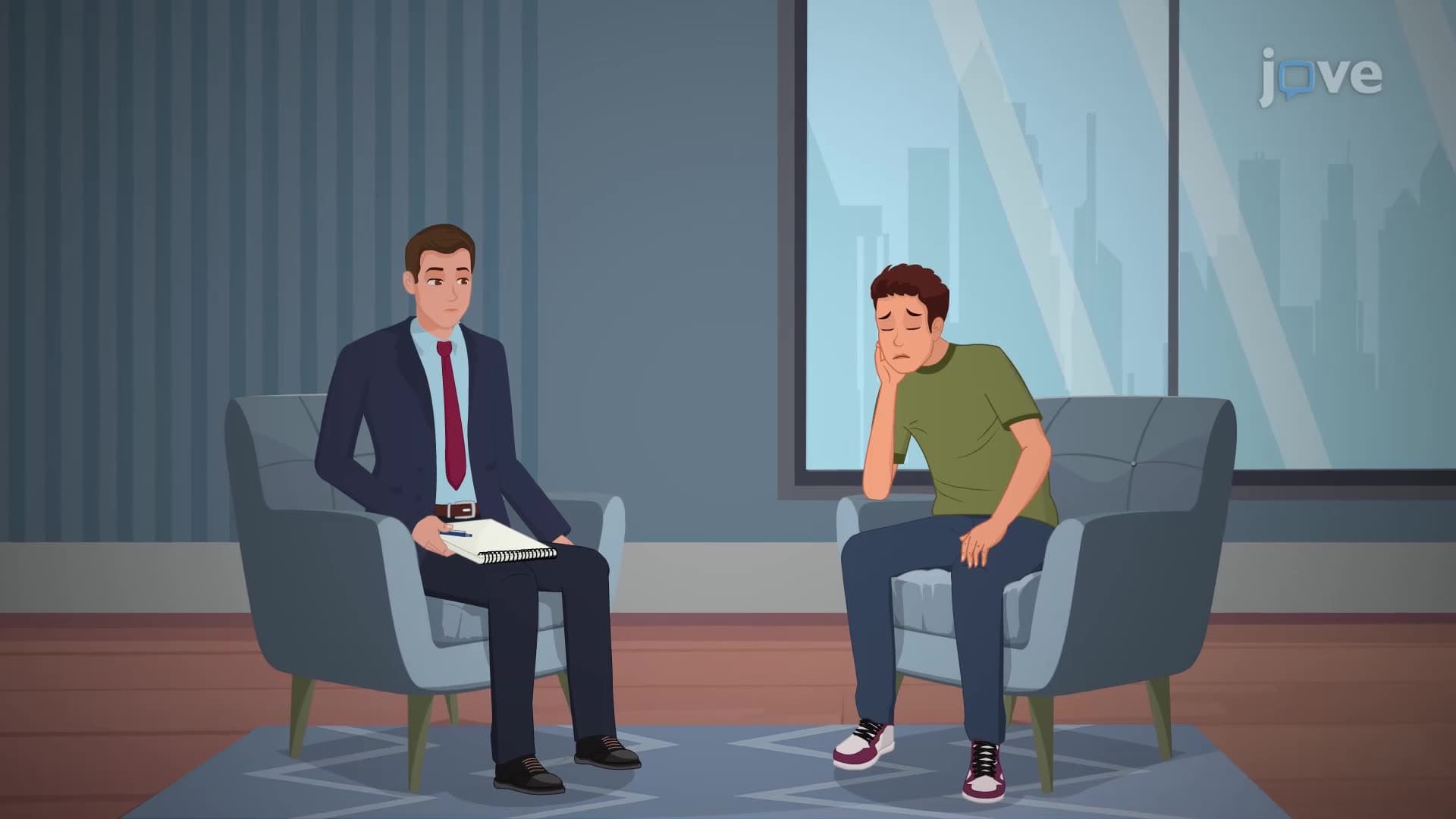
Did you know that therapists can help patients overcome phobias simply by demonstrating courage? Modeling in therapy is a powerful behavioral technique where clients learn by observing and imitating their therapist's positive behaviors and coping strategies. For example, a therapist might demonstrate how to confidently ride an elevator to help a client with claustrophobia gradually overcome their fear. This evidence-based approach helps individuals develop essential social skills, assertiveness, and emotional regulation through guided observation and practice. Watch the full video on JoVE Coach to master this concept with expert-led visuals and step-by-step explanations.
Modeling in therapy represents a cornerstone of behavioral intervention, rooted in Albert Bandura's social learning theory. This therapeutic approach leverages the fundamental human capacity to learn through observation, allowing clients to acquire new behaviors, skills, and coping mechanisms by watching their therapist demonstrate appropriate responses to challenging situations.
The theoretical foundation rests on the principle that humans naturally learn by observing others' behaviors and their consequences. In therapeutic settings, this translates to structured opportunities where therapists model adaptive behaviors, emotional regulation techniques, and effective communication strategies. This approach proves particularly valuable for students preparing for psychology courses, including AP Psychology exams and undergraduate abnormal psychology classes.
Participant modeling involves therapists directly confronting feared situations alongside their clients. For instance, a therapist treating someone with social anxiety might demonstrate how to initiate conversations at a coffee shop, gradually encouraging the client to participate. This technique proves especially effective for phobia treatment and anxiety reduction.
Assertion training focuses on teaching clients to express their needs and boundaries appropriately. Students studying for the MCAT or preparing for clinical psychology graduate programs should understand that this technique helps individuals navigate the delicate balance between passive and aggressive communication styles. A therapist might model how to decline extra work assignments respectfully while maintaining professional relationships.
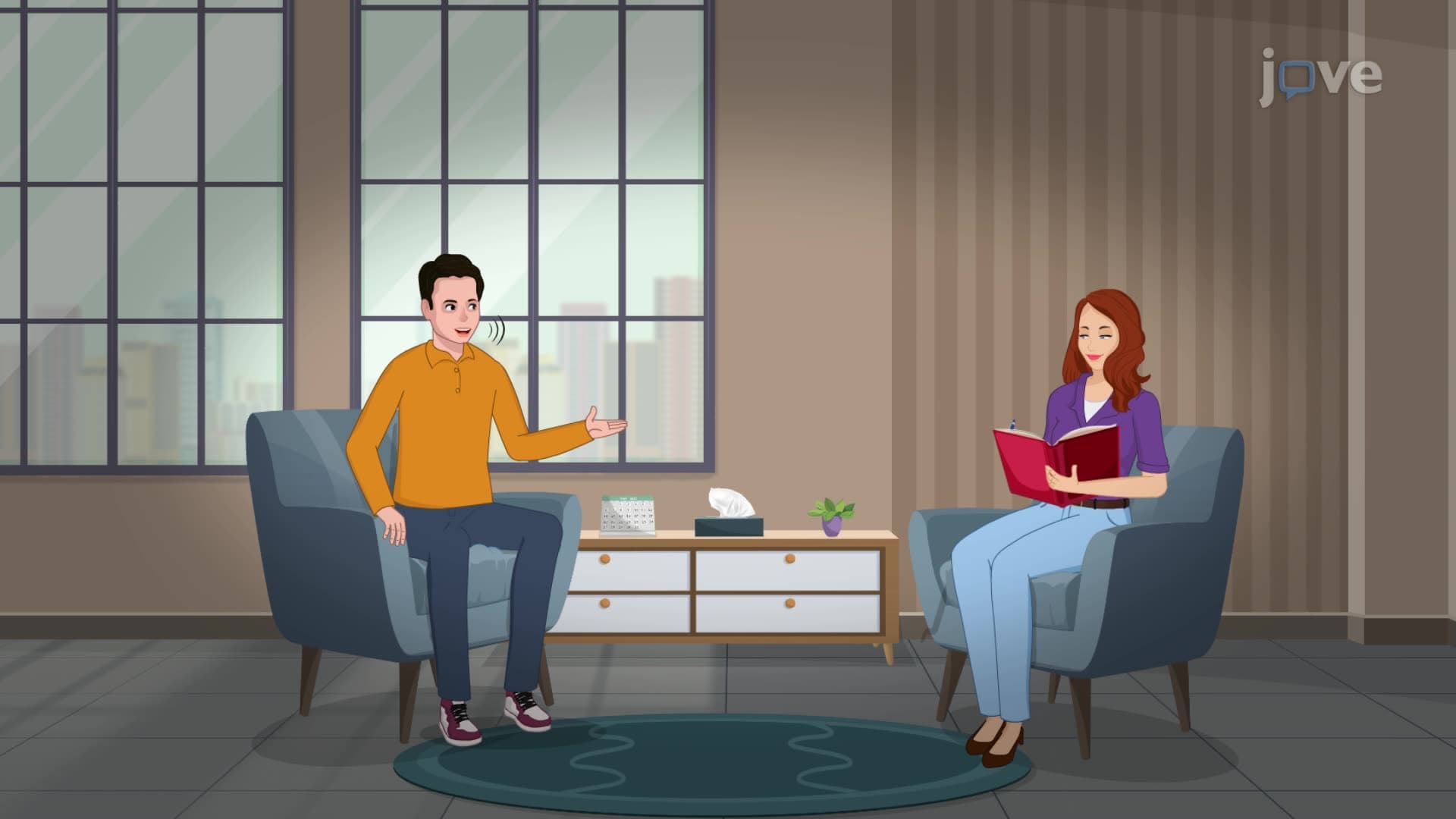
Behavioral rehearsal extends modeling through role-playing exercises where clients practice newly observed behaviors in simulated environments. Therapists often take on the role of significant figures in clients' lives-supervisors, family members, or peers-to provide realistic practice opportunities. Role reversal techniques allow clients to model behaviors for the therapist, reinforcing learning through teaching.
Research consistently demonstrates modeling's effectiveness across diverse psychological conditions. For individuals with autism spectrum disorders, modeling helps develop social communication skills essential for educational and workplace success. Students with ADHD benefit from observing organizational strategies and impulse control techniques demonstrated by their therapists.
Depression treatment often incorporates modeling of healthy coping mechanisms, such as problem-solving approaches and mood regulation strategies. Therapists might demonstrate how to challenge negative thought patterns or engage in self-care activities, providing concrete examples for clients to emulate.
Understanding modeling techniques proves crucial for students pursuing careers in mental health, education, or healthcare administration. College courses in developmental psychology, therapeutic interventions, and behavioral analysis frequently examine modeling as both a learning mechanism and therapeutic tool. Students preparing for graduate school entrance exams should recognize modeling's connections to broader psychological theories, including cognitive-behavioral therapy and humanistic approaches.
Related Micro-courses