Loading video…


 20 Concepts
 4.6K views

Video Summary: What Is Psychosurgery
Psychosurgery once involved irreversibly damaging healthy brain tissue in over 50,000 Americans, including President Kennedy's sister Rosemary, who was left permanently incapacitated after a lobotomy at age 23. This controversial medical practice has evolved from crude 1940s procedures to today's precise, computer-guided interventions for severe mental illness. Watch the full video on JoVE Coach to master this concept with expert-led visuals and step-by-step explanations.
Psychosurgery represents one of medicine's most controversial chapters, involving the deliberate destruction or removal of brain tissue to treat severe psychological disorders. Unlike reversible treatments such as medication or psychotherapy, psychosurgery permanently alters brain structure, making it an irreversible intervention reserved for the most severe cases where all other treatments have failed.
The psychosurgery definition encompasses both historical procedures like lobotomies and contemporary precision techniques. Modern practitioners at institutions like Johns Hopkins and Mayo Clinic use computer-guided systems to create tiny lesions in specific brain regions, dramatically different from the crude ice-pick methods popularized in 1940s America.
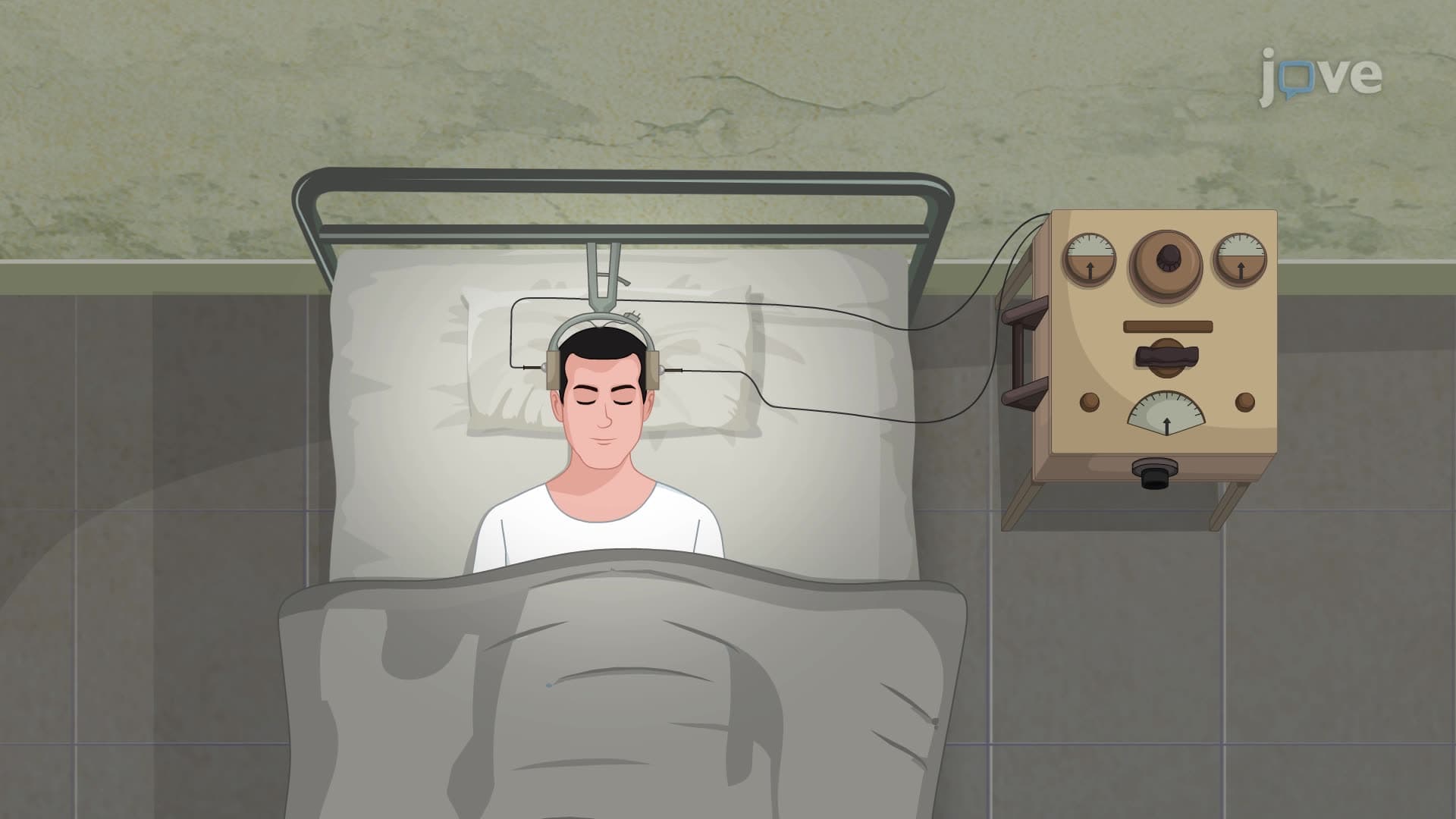
The dark history of psychosurgery in America began with Portuguese neurologist Antonio Egas Moniz's work in the 1930s, but Walter Freeman transformed it into a widespread practice. Freeman performed over 3,000 lobotomies across the United States, including the infamous procedure on Rosemary Kennedy in 1941. These operations severed connections between the frontal lobe and thalamus, often leaving patients with severe cognitive impairment, loss of creativity, and emotional blunting.
By the 1960s, mounting evidence of devastating side effects and the introduction of psychiatric medications like chlorpromazine led to lobotomy's decline. The procedure's fall from grace serves as a cautionary tale about medical ethics and the importance of rigorous scientific evaluation-concepts frequently tested on the MCAT and in AP Psychology courses.
Today's psychosurgery bears little resemblance to historical lobotomies. Contemporary procedures use stereotactic surgery, MRI guidance, and computer modeling to target specific brain regions like the anterior cingulate cortex or amygdala. These techniques treat severe, treatment-resistant conditions including obsessive-compulsive disorder, major depression, and bipolar disorder.
Institutional Review Boards (IRBs) now oversee all psychosurgical procedures, ensuring rigorous ethical standards. The approval process includes evaluating medical necessity, obtaining informed consent, assessing surgeon competence, and conducting comprehensive preoperative and postoperative evaluations. Major US medical centers like Massachusetts General Hospital and Cleveland Clinic maintain strict protocols, performing fewer than 100 such procedures annually nationwide.
Understanding psychosurgery's evolution from crude lobotomies to precision medicine illustrates broader themes in medical ethics, informed consent, and evidence-based practice-key concepts for students preparing for healthcare careers or advanced psychology coursework.
Related Micro-courses