Loading video…


 20 Concepts
 4.6K views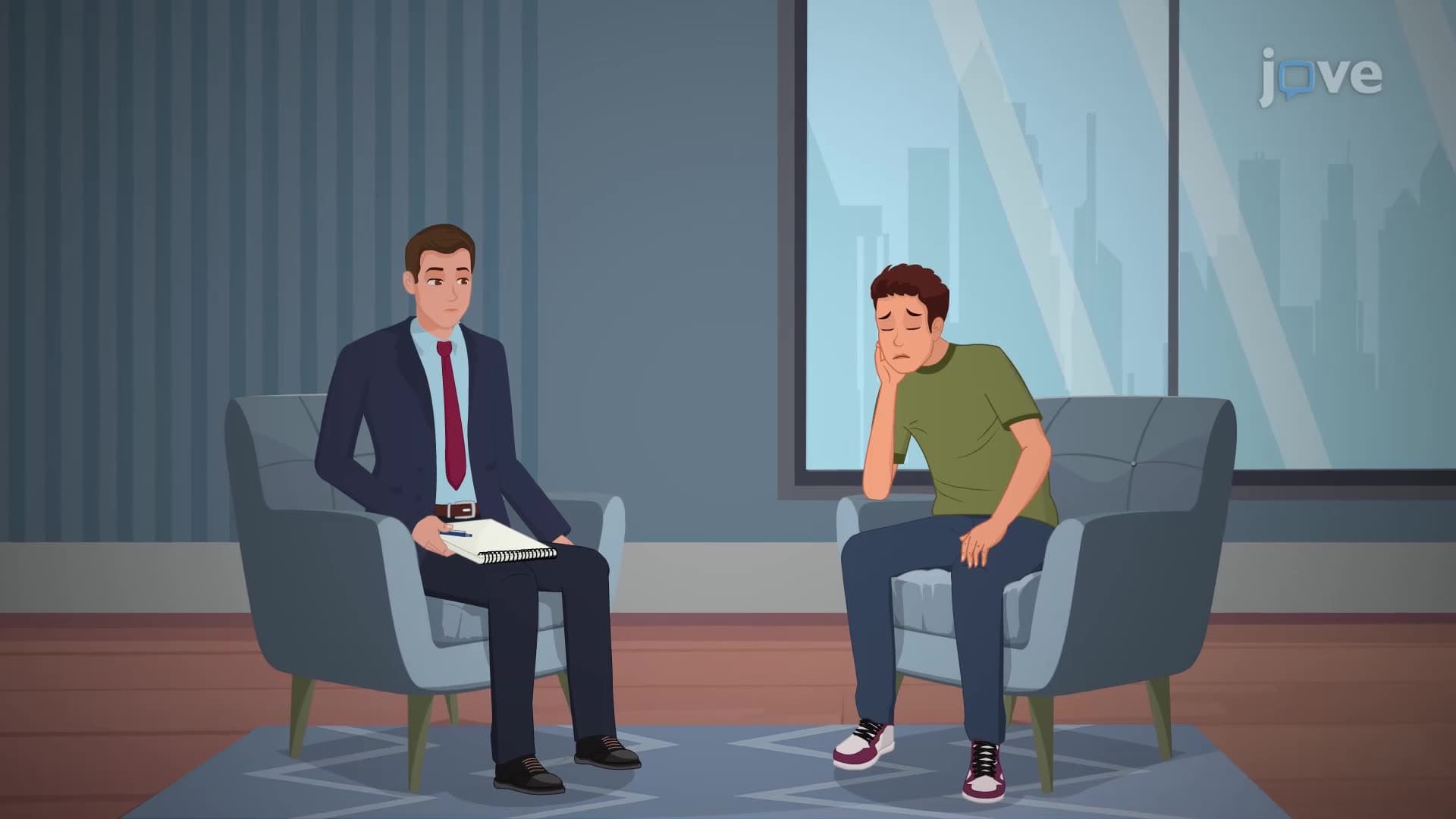

Video Summary: What Is Psychotherapy
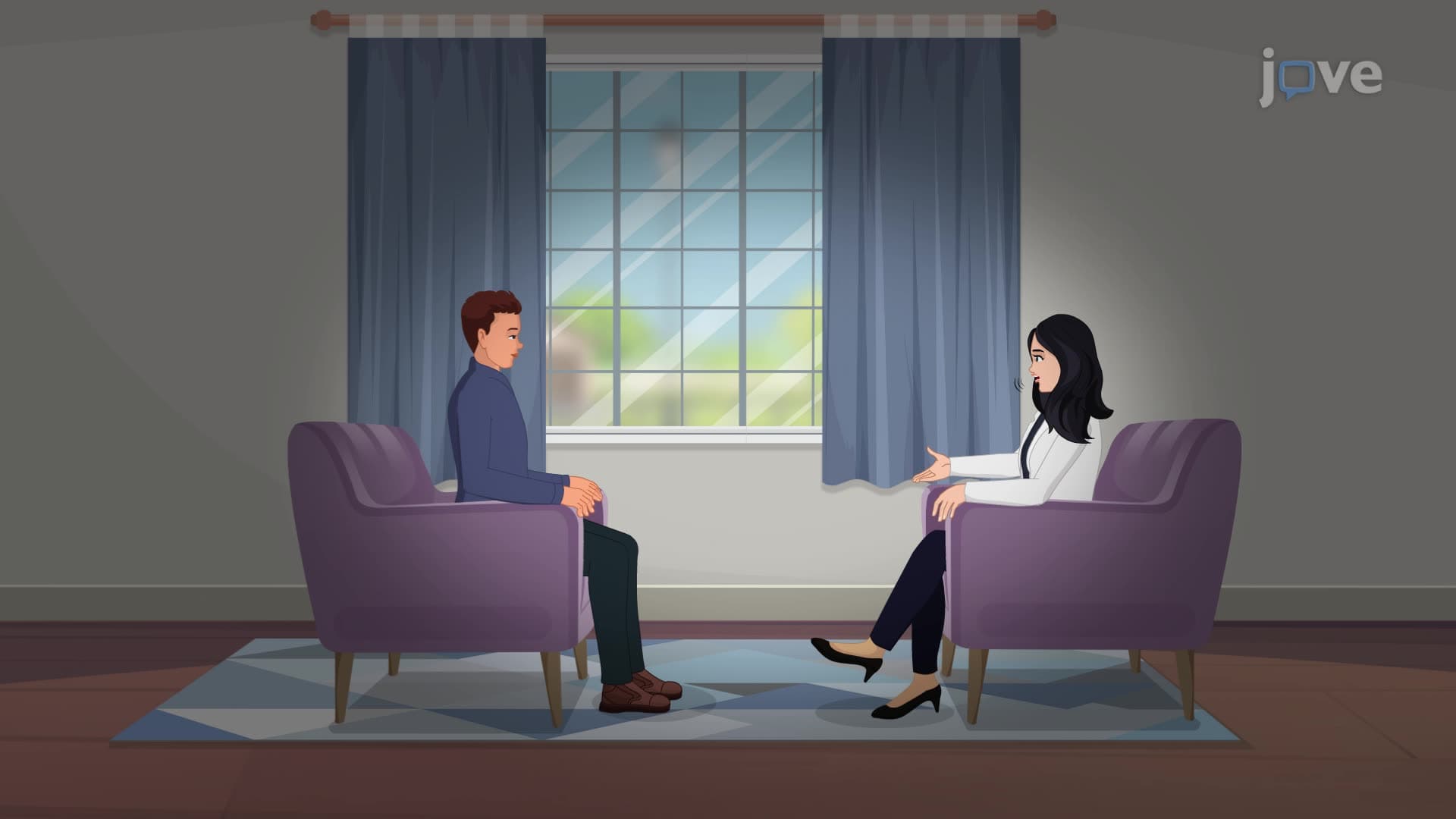
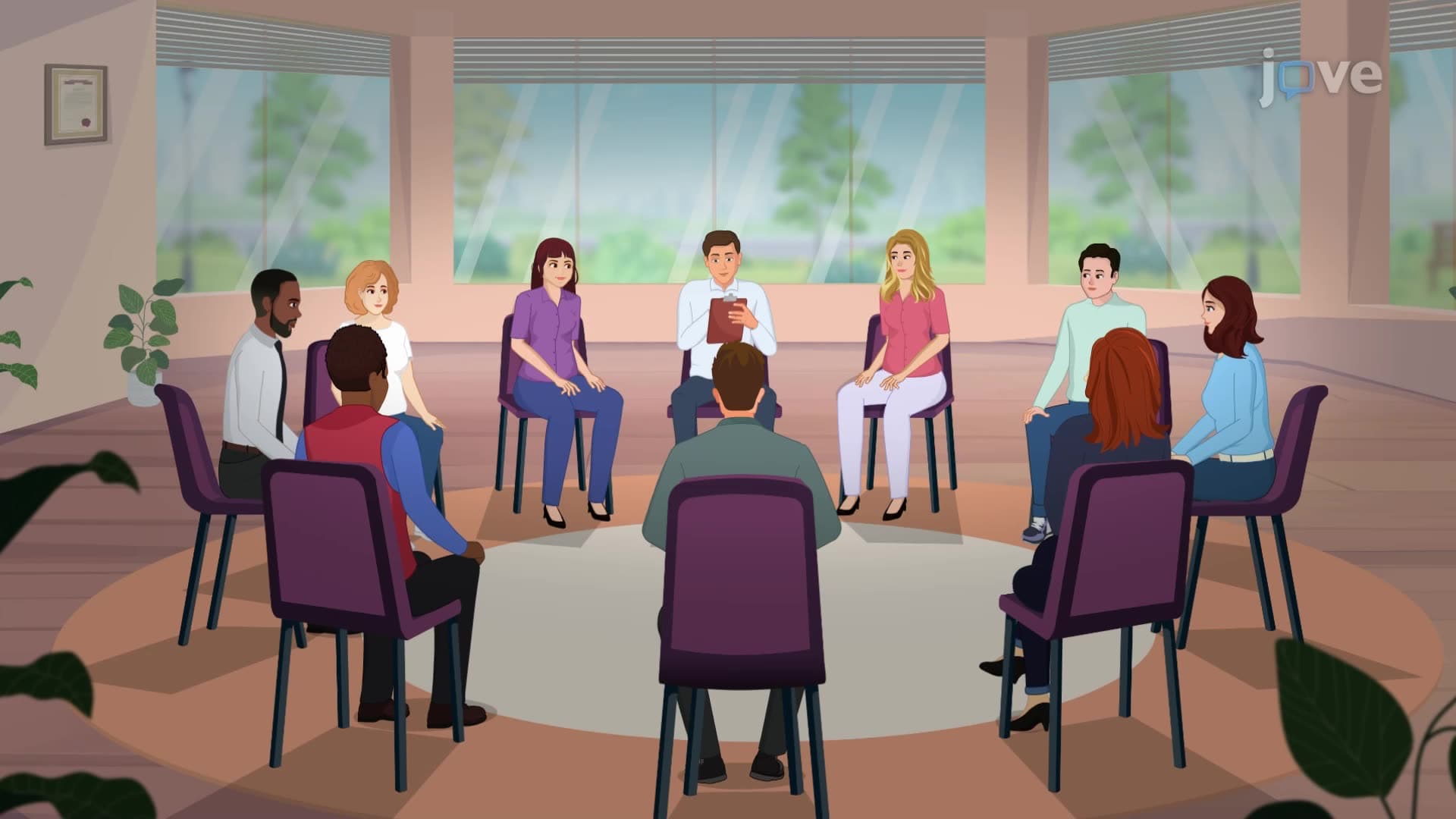
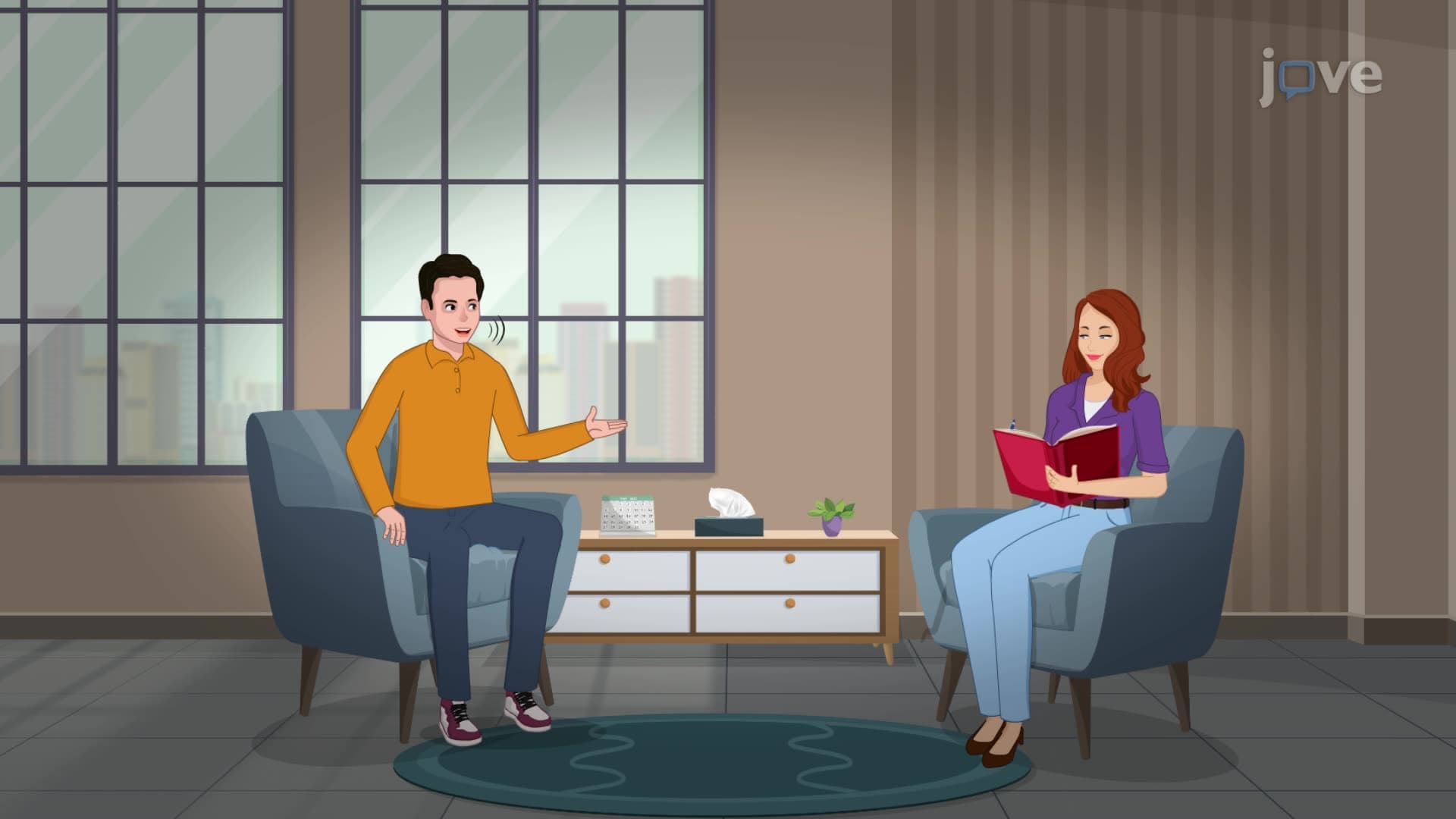
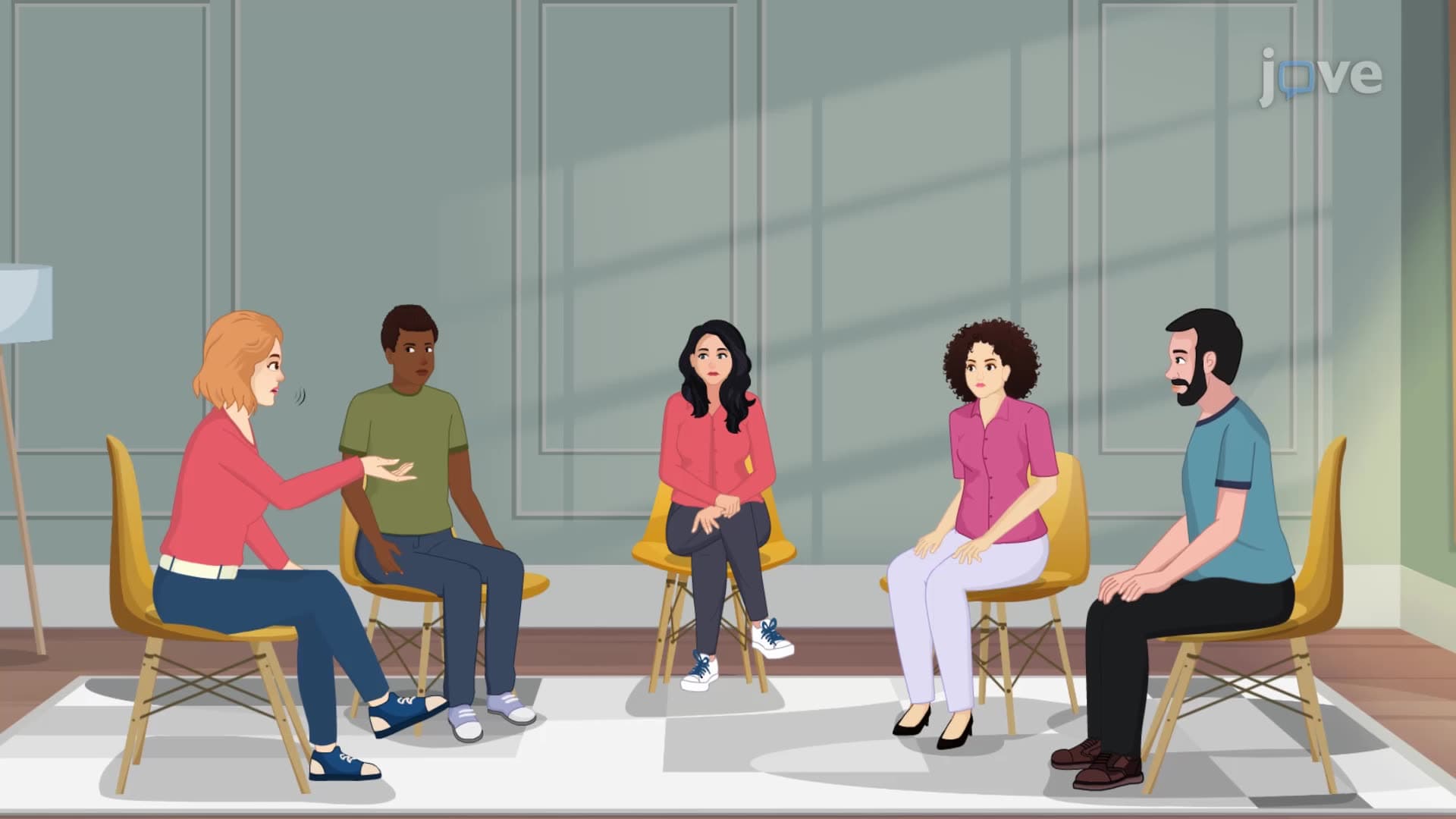
Did you know that over 50 million Americans receive psychotherapy each year to improve their mental health and overall well-being? Psychotherapy is a collaborative, non-medical treatment approach where trained professionals help individuals, couples, or groups address emotional challenges and behavioral patterns. From a college student managing anxiety at UCLA to a family navigating relationship conflicts in therapy sessions, What is Psychotherapy? encompasses diverse techniques including active listening, behavioral modification, and insight-building conversations. Watch the full video on JoVE Coach to master this concept with expert-led visuals and step-by-step explanations.
Psychotherapy represents a evidence-based, non-medical intervention that transforms lives through structured therapeutic relationships. Unlike psychiatric medication, this approach relies on proven psychological techniques delivered by licensed professionals including clinical psychologists, licensed clinical social workers (LCSWs), and marriage and family therapists (MFTs). The psychotherapy definition encompasses collaborative treatment where clients work with trained therapists to identify patterns, develop coping strategies, and create lasting behavioral changes.
Modern psychotherapy divides into two primary categories that shape treatment approaches. Insight therapies-including psychodynamic, humanistic, and existential approaches-help clients understand the "why" behind their thoughts and behaviors. For example, a psychodynamic therapist in New York might help a client explore how childhood experiences influence current relationship patterns. Conversely, action therapies like Cognitive Behavioral Therapy (CBT) focus on immediate behavior change. A behavior therapist in California might use systematic desensitization to help someone overcome public speaking anxiety, applying learning principles without extensive exploration of root causes.
What is psychotherapy in detail involves understanding specific intervention methods. Active listening creates safe spaces for clients to process emotions, while positive reinforcement strengthens healthy behaviors. Role modeling allows therapists to demonstrate effective communication or problem-solving strategies. These techniques appear across diverse settings-from university counseling centers helping students manage academic stress to community mental health centers serving families affected by trauma.
Students preparing for psychology courses or mental health careers encounter psychotherapy concepts across multiple contexts. AP Psychology exams test understanding of major therapeutic approaches, while MCAT psychology sections require knowledge of behavioral interventions. College abnormal psychology courses explore how different therapy types address specific disorders. Future counselors studying for licensing exams must demonstrate competency in therapeutic techniques and ethical considerations. Understanding this psychotherapy overview provides essential foundation knowledge for psychology majors, pre-med students, and anyone interested in mental health careers or personal development through therapeutic interventions.
Related Micro-courses