Loading subject page…


10,303 views

Video Summary: Depressive Disorders Mdd and Dysthymia Explained
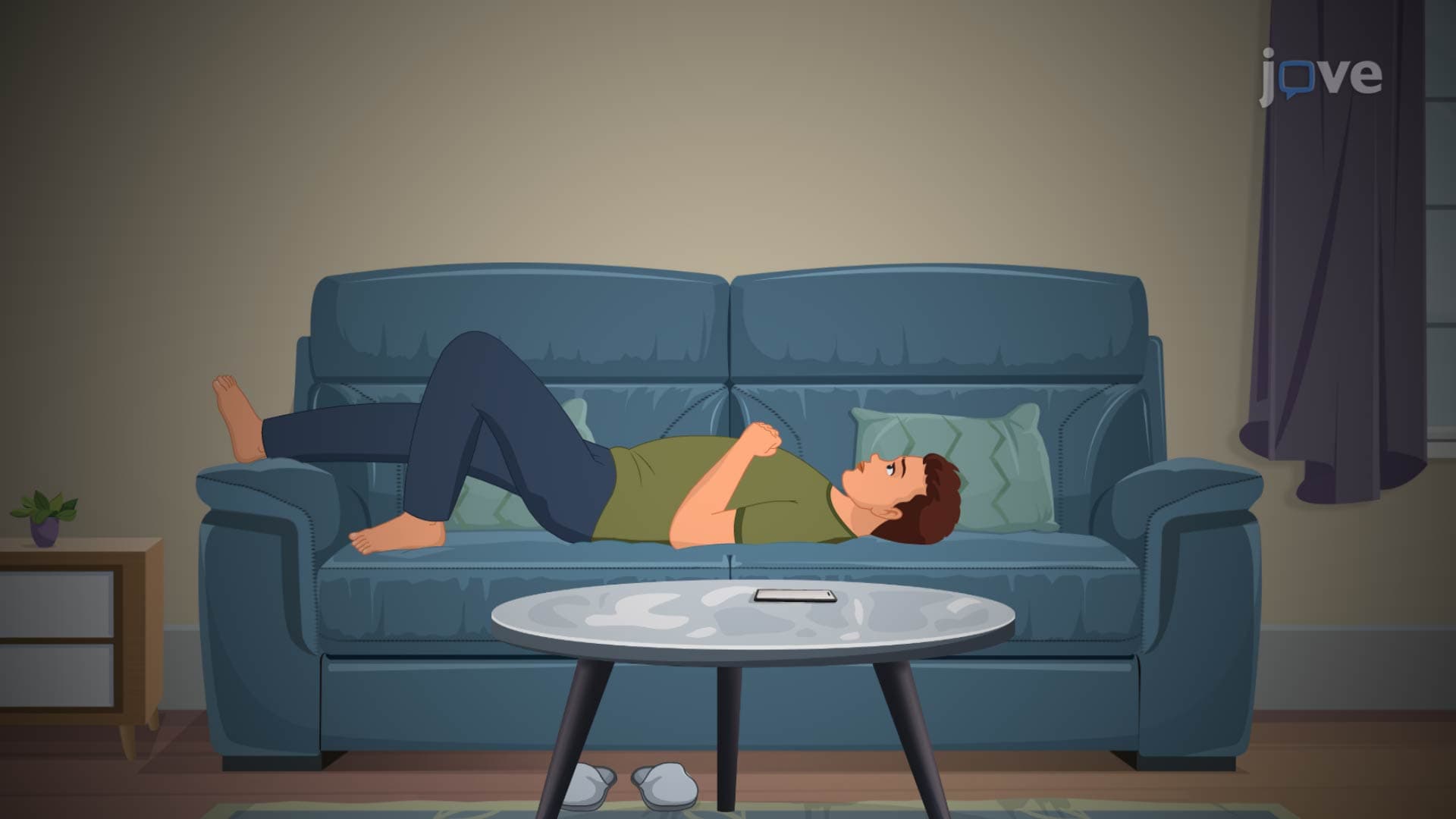
Did you know that depressive disorders etiology affects nearly 1 in 10 American adults, making it as common as diabetes? Understanding depressive disorders etiology requires examining how Major Depressive Disorder (MDD) and dysthymia develop through complex interactions of genetic, environmental, and psychological factors. For instance, research from Johns Hopkins shows that individuals with a family history of depression have a 40% higher risk of developing these conditions. Depressive Disorders MDD And Dysthymia Explained reveals the underlying mechanisms that drive these debilitating mental health conditions. Watch the full video on JoVE Coach to master this concept with expert-led visuals and step-by-step explanations.
Depressive disorders represent a complex category of mental health conditions that extend far beyond temporary sadness or grief. The etiology of these disorders involves intricate interactions between biological predisposition, environmental stressors, and psychological vulnerabilities. Research from the National Institute of Mental Health indicates that approximately 8.5% of American adults experience at least one major depressive episode annually, with significant implications for academic performance, workplace productivity, and overall quality of life.
Major Depressive Disorder stands as the most severe form of unipolar depression, requiring careful diagnostic assessment. The condition manifests through distinct episodes lasting minimum two weeks, though typical episodes persist six months to one year. Key etiological factors include genetic predisposition (family history increases risk by 2-3 times), neurotransmitter imbalances particularly involving serotonin and dopamine, and environmental triggers such as trauma, chronic stress, or significant life changes.
Students preparing for AP Psychology or college-level abnormal psychology courses should understand that MDD diagnosis requires five or more specific symptoms during the same two-week period. These include persistent depressed mood, anhedonia (loss of interest in previously enjoyable activities), significant weight changes, sleep disturbances, psychomotor agitation or retardation, fatigue, inappropriate guilt, concentration difficulties, and recurrent thoughts of death. The Cleveland Clinic reports that untreated MDD episodes can lead to substantial academic decline, with college students showing 40% higher dropout rates.
Dysthymia, now classified as Persistent Depressive Disorder in the DSM-5, represents a milder but more chronic form of depression. The etiology involves similar biological and environmental factors as MDD, but with different expression patterns. This condition requires symptom persistence for at least two years in adults, creating substantial long-term functional impairment despite less acute symptom severity.
Understanding these disorders proves crucial for students pursuing healthcare careers or psychology majors preparing for graduate school admissions tests like the GRE Psychology Subject Test. The key distinction lies not just in symptom severity, but in temporal patterns and functional impact. While MDD creates intense but episodic impairment, dysthymia produces steady, low-grade symptoms that significantly affect academic performance, career advancement, and interpersonal relationships over extended periods.
Related Micro-courses