Loading subject page…


10,303 views


Video Summary: Negative and Cognitive Symptoms of Schizophrenia Explained
Did you know that over 2.2 million Americans live with schizophrenia, yet many people only recognize the dramatic positive symptoms like hallucinations? Understanding the biological causes of schizophrenia reveals why patients also experience subtle but debilitating negative and cognitive symptoms that profoundly impact daily functioning. Consider a college student who gradually withdraws from friends, stops attending classes, and shows no emotional response to previously enjoyed activities-these changes reflect the complex neurobiological underpinnings of the disorder. Watch the full video on JoVE Coach to master this concept with expert-led visuals and step-by-step explanations.
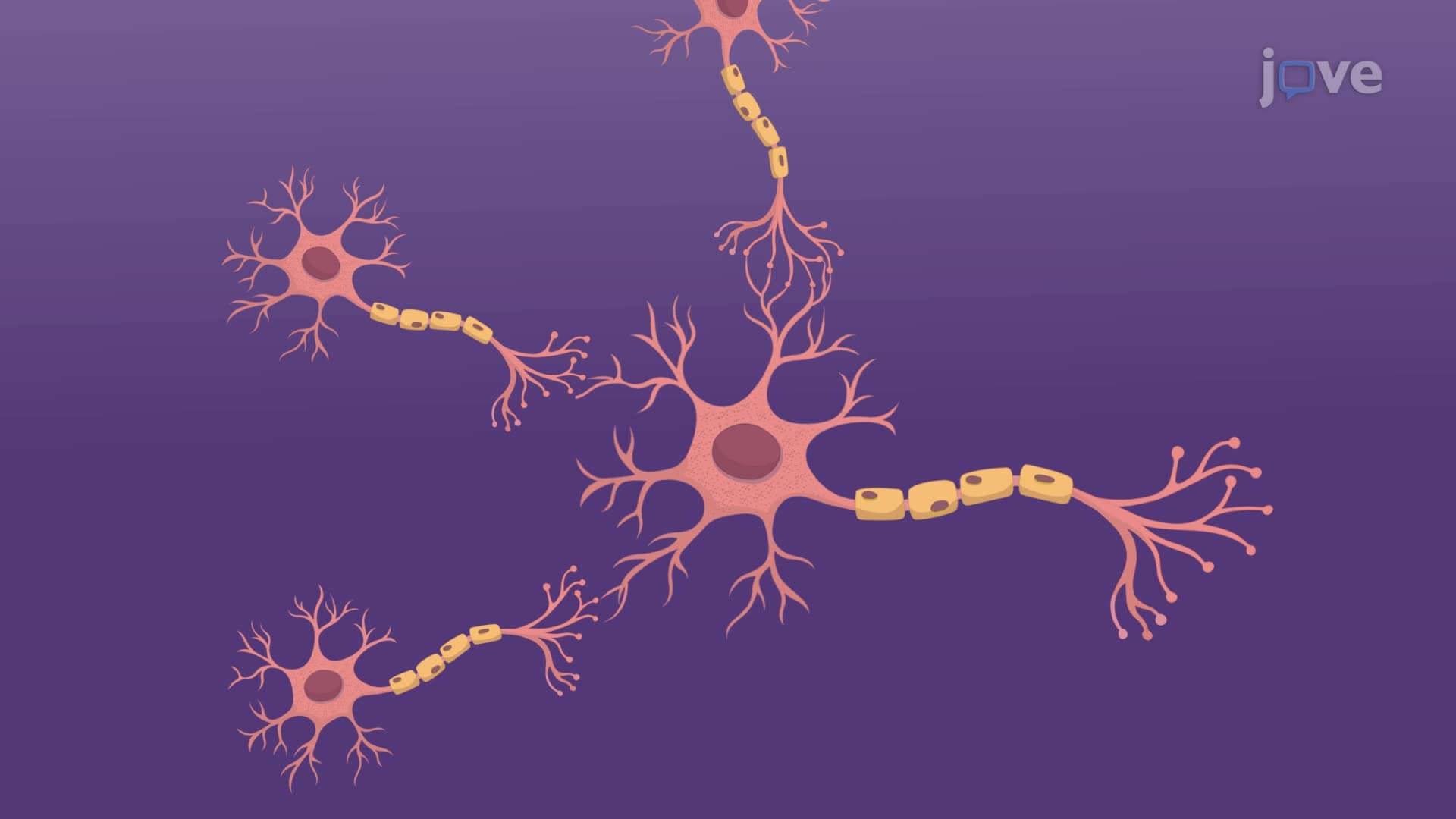
Negative and cognitive symptoms represent the "hidden" face of schizophrenia-less dramatic than hallucinations or delusions, but equally devastating to patients' lives. These symptoms reflect fundamental disruptions in brain circuits controlling motivation, emotion, cognition, and social behavior. Unlike positive symptoms that add abnormal experiences, negative symptoms subtract normal human capacities.
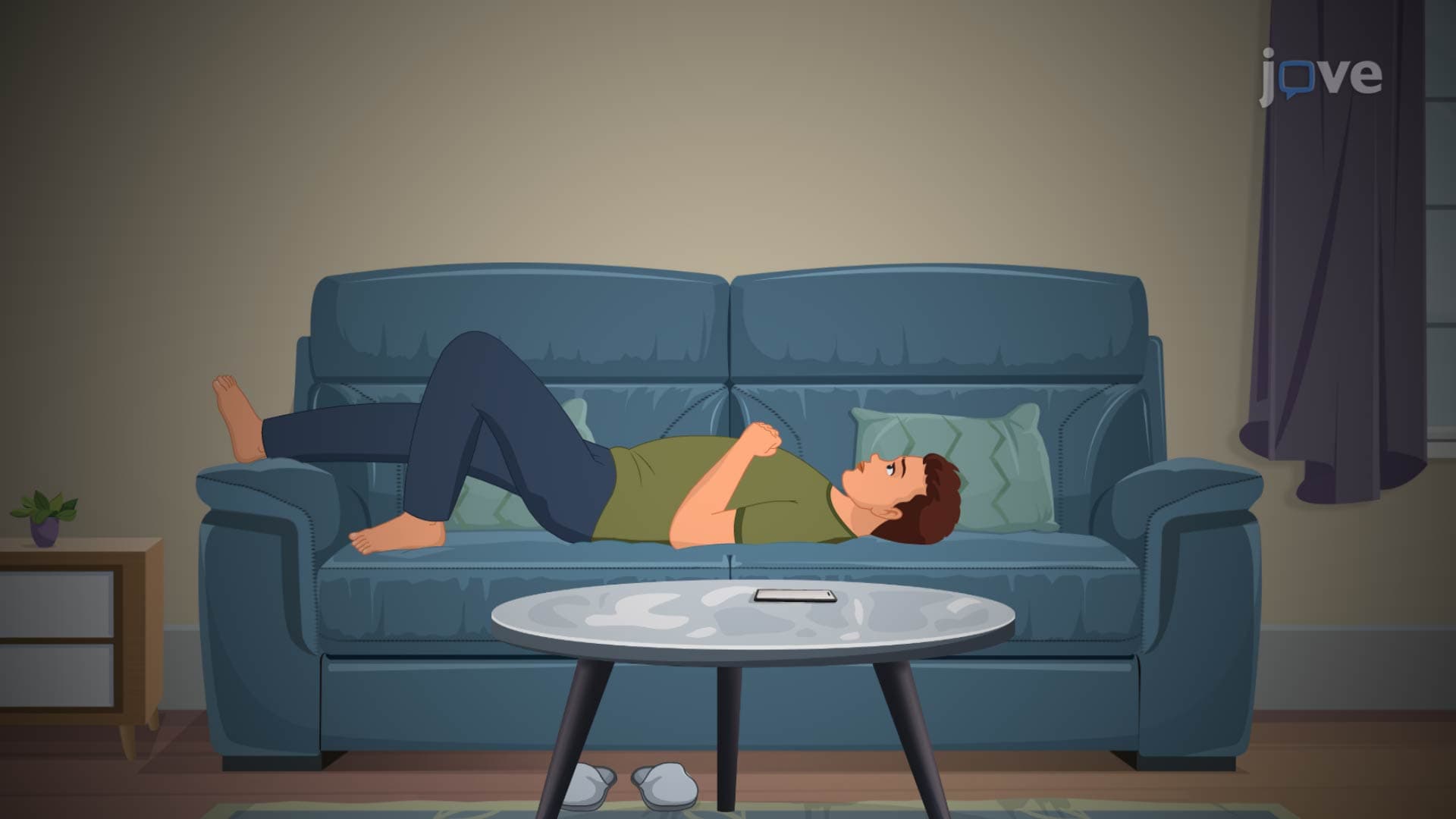
Flat affect manifests as emotional blunting, where patients show minimal facial expressions, monotone speech, and reduced gesturing. Imagine a student receiving acceptance to their dream college but responding with complete indifference-this reflects the profound emotional numbing characteristic of flat affect.
Avolition represents motivational deficit, making even basic self-care overwhelming. Patients may neglect hygiene, skip meals, or abandon previously important goals. Alogia involves impoverished speech, with patients giving minimal responses and showing reduced verbal fluency. Asociality drives social withdrawal, as patients lose interest in relationships and avoid social situations. Finally, anhedonia eliminates the capacity for pleasure, making previously enjoyable activities feel meaningless.
Research from institutions like Harvard Medical School and Stanford University reveals that cognitive symptoms may be the most disabling aspect of schizophrenia. These deficits affect working memory, attention, processing speed, and executive function. Students preparing for the MCAT or taking AP Psychology should understand that these cognitive impairments often precede other symptoms and strongly predict functional outcomes.
Neuropsychological assessments using tools like the MATRICS Consensus Cognitive Battery can detect subtle deficits invisible during routine clinical interviews. These findings have revolutionized treatment approaches, emphasizing cognitive rehabilitation alongside traditional antipsychotic medications.
For students taking the USMLE Step 1 or NCLEX-RN, recognizing these symptoms is crucial for differential diagnosis and treatment planning. In college abnormal psychology courses, understanding the neurobiological basis helps explain why traditional dopamine-blocking medications effectively treat positive symptoms but show limited efficacy for negative and cognitive symptoms. This knowledge gap drives current research into glutamate, GABA, and cholinergic system dysfunction.
Related Micro-courses