Loading subject page…


10,303 views

Video Summary: Personality Disorders Schizotypal and Histrionic Explained
Did you know that approximately 3% of Americans live with personality disorders that dramatically alter how they connect with others? Personality disorders schizotypal and histrionic represent two distinct patterns of thinking and behavior that profoundly impact social relationships. Consider a college student who avoids group projects due to paranoid thoughts versus one who monopolizes class discussions for attention-these scenarios illustrate the contrasting nature of Personality Disorders Schizotypal And Histrionic Explained. Watch the full video on JoVE Coach to master this concept with expert-led visuals and step-by-step explanations.
Personality disorders schizotypal and histrionic represent two fundamentally different approaches to navigating social relationships, yet both create significant interpersonal difficulties. Schizotypal Personality Disorder belongs to Cluster A ("odd, eccentric") disorders, characterized by cognitive distortions, perceptual aberrations, and social anxiety. In contrast, Histrionic Personality Disorder falls under Cluster B ("dramatic, emotional") disorders, marked by attention-seeking behaviors and emotional dysregulation.
Students with schizotypal traits might sit alone in the campus cafeteria, convinced that conversations at nearby tables contain hidden messages about them. This disorder affects approximately 3-4% of the U.S. population and involves five key features: ideas of reference (believing random events have personal significance), magical thinking, unusual perceptual experiences, eccentric appearance or behavior, and paranoid ideation.
These individuals often struggle in traditional academic settings. During AP Psychology courses, they might interpret test questions as having secret meanings, or in college statistics classes, they may believe certain numbers are personally significant. Their peculiar speech patterns-often vague, metaphorical, or overly elaborate-can confuse professors and peers alike.
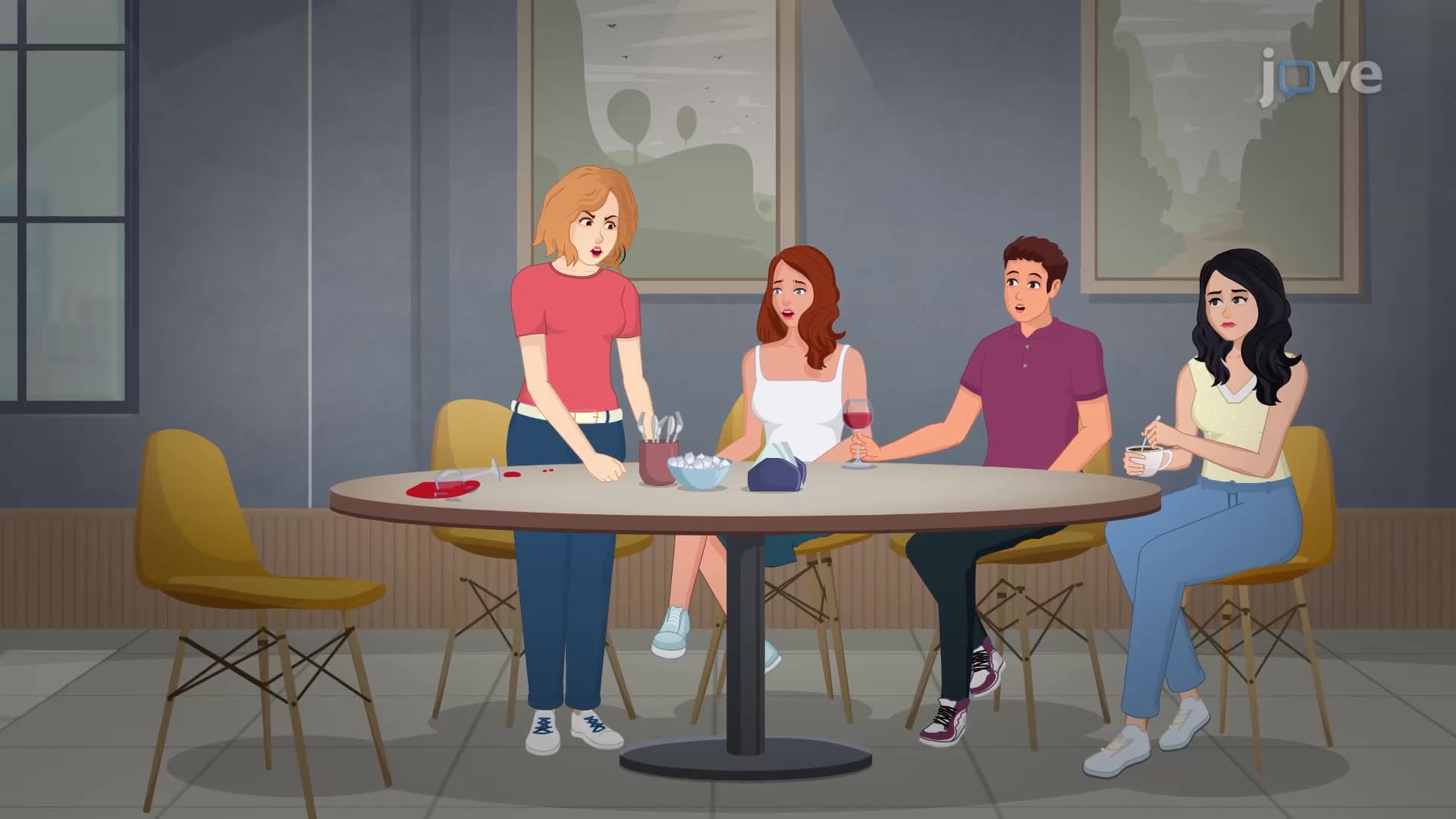
Conversely, histrionic personality disorder manifests as theatrical, attention-seeking behavior affecting 1-3% of Americans. Picture a college student who dramatically throws themselves across a study group table when discussing a "boring" topic, or someone who speaks loudly about personal problems in the library to ensure others notice their distress.
These individuals display shallow, rapidly shifting emotions-laughing hysterically one moment, then sobbing dramatically the next. They often struggle with academic tasks requiring sustained focus, preferring subjects like theater arts or public speaking where their expressive nature can shine. However, their need for constant validation can disrupt classroom environments and strain study partnerships.
Understanding these personality disorders schizotypal and histrionic proves crucial for students pursuing psychology, social work, or healthcare careers. On the MCAT, expect questions comparing Cluster A versus Cluster B personality disorders. AP Psychology exams frequently test diagnostic criteria differentiation, while college abnormal psychology courses explore these conditions' neurobiological underpinnings and treatment approaches.
Both disorders significantly impact therapeutic relationships-schizotypal individuals may view therapists suspiciously, while histrionic patients might attempt to overshare or seek special treatment. Recognition of these patterns helps future clinicians develop appropriate intervention strategies and maintain professional boundaries.
Related Micro-courses