Loading subject page…


10,303 views


Video Summary: Theoretical Approaches to Psychological Disorder Guide
Did you know that the diagnostic and statistical manual of mental disorders recognizes over 300 different psychological conditions, yet experts still debate what causes them? Mental health professionals at institutions like Johns Hopkins use four distinct theoretical frameworks to understand these complex conditions. The Theoretical Approaches To Psychological Disorder Guide reveals how biological, psychological, sociocultural, and biopsychosocial perspectives each offer unique insights into disorders like depression and anxiety. Watch the full video on JoVE Coach to master this concept with expert-led visuals and step-by-step explanations.
The diagnostic and statistical manual of represents decades of research into mental health classification, but understanding *why* disorders develop requires examining different theoretical frameworks. These four approaches-biological, psychological, sociocultural, and biopsychosocial-form the foundation of modern psychiatric and psychological practice across major US medical centers and universities.
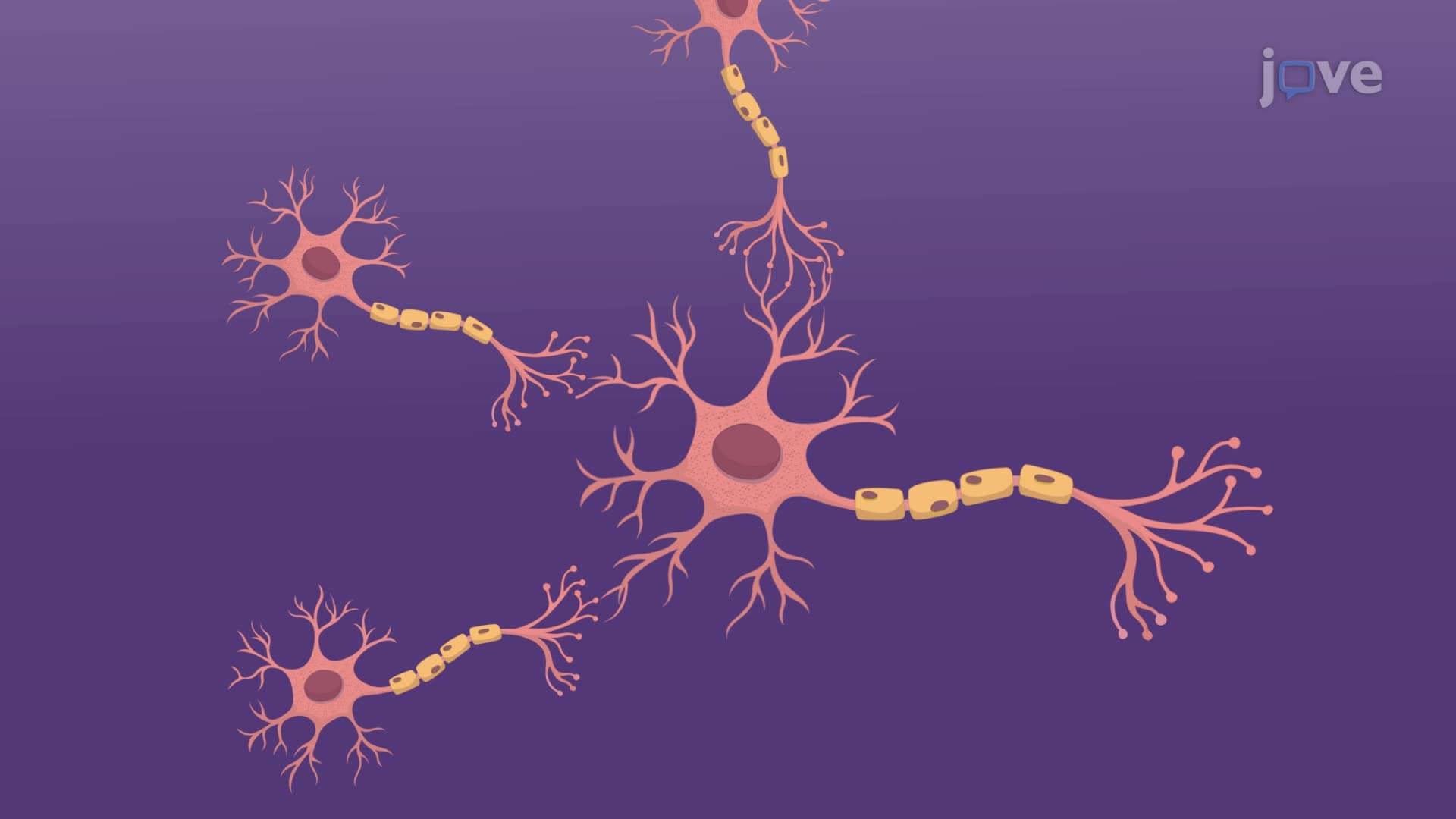
The biological approach treats psychological disorders as medical conditions with identifiable physical causes. This diagnostic and statistical manual of tutorial approach emphasizes genetic predisposition, neurochemical imbalances, and structural brain abnormalities. For example, researchers at Stanford University have identified specific gene variants associated with increased schizophrenia risk, while neuroimaging studies reveal enlarged ventricles in many patients with this condition.
This medical model influences how diagnostic and statistical manual of works in clinical settings. Psychiatrists often prescribe medications targeting neurotransmitter systems-like SSRIs for depression or antipsychotics for schizophrenia. The approach's strength lies in its scientific rigor and measurable treatment outcomes, making it valuable for AP Psychology students studying biological bases of behavior.
The psychological approach focuses on internal factors like learned behaviors, cognitive patterns, and emotional responses. Cognitive-behavioral therapy, developed by researchers like Aaron Beck at the University of Pennsylvania, exemplifies this approach by addressing maladaptive thinking patterns in depression and anxiety.
Meanwhile, the sociocultural approach examines external influences including socioeconomic status, cultural background, and social relationships. Studies consistently show higher rates of psychological disorders in lower-income communities, while cultural factors influence symptom expression-for instance, somatic complaints are more common in certain ethnic groups experiencing depression.
Today's diagnostic and statistical manual of concept increasingly embraces the biopsychosocial model, recognizing that disorders rarely have single causes. Major depressive disorder, for example, might involve genetic vulnerability (biological), negative thought patterns (psychological), and social stressors like job loss (sociocultural). This comprehensive diagnostic and statistical basics approach appears frequently on MCAT psychology sections and college abnormal psychology exams.
Understanding diagnostic and statistical manual of through this integrated lens helps explain why identical twins don't always share the same mental health outcomes despite genetic similarity-environmental and psychological factors create unique individual experiences.
Related Micro-courses