Loading video…


 35 Concepts
 10.3K views

Video Summary: What Is Biological Causes of Schizophrenia
Did you know that identical twins have a 50% chance of both developing schizophrenia if one twin is diagnosed, compared to just 1% risk in the general population? The psychological and sociocultural causes of schizophrenia work alongside these biological factors, creating a complex web of environmental stressors, family dynamics, and cultural influences that can trigger this mental health condition. For instance, research from Johns Hopkins University shows that urban environments and social isolation significantly increase schizophrenia risk. Watch the full video on JoVE Coach to master this concept with expert-led visuals and step-by-step explanations.
While genetic factors create the foundation for schizophrenia risk, psychological and sociocultural causes of schizophrenia serve as the environmental triggers that activate this predisposition. The diathesis-stress model explains how individuals with genetic vulnerability require environmental stressors to develop the full disorder. Research from the National Institute of Mental Health demonstrates that psychological factors like chronic stress, trauma, and social adversity can alter brain chemistry and structure in genetically susceptible individuals.
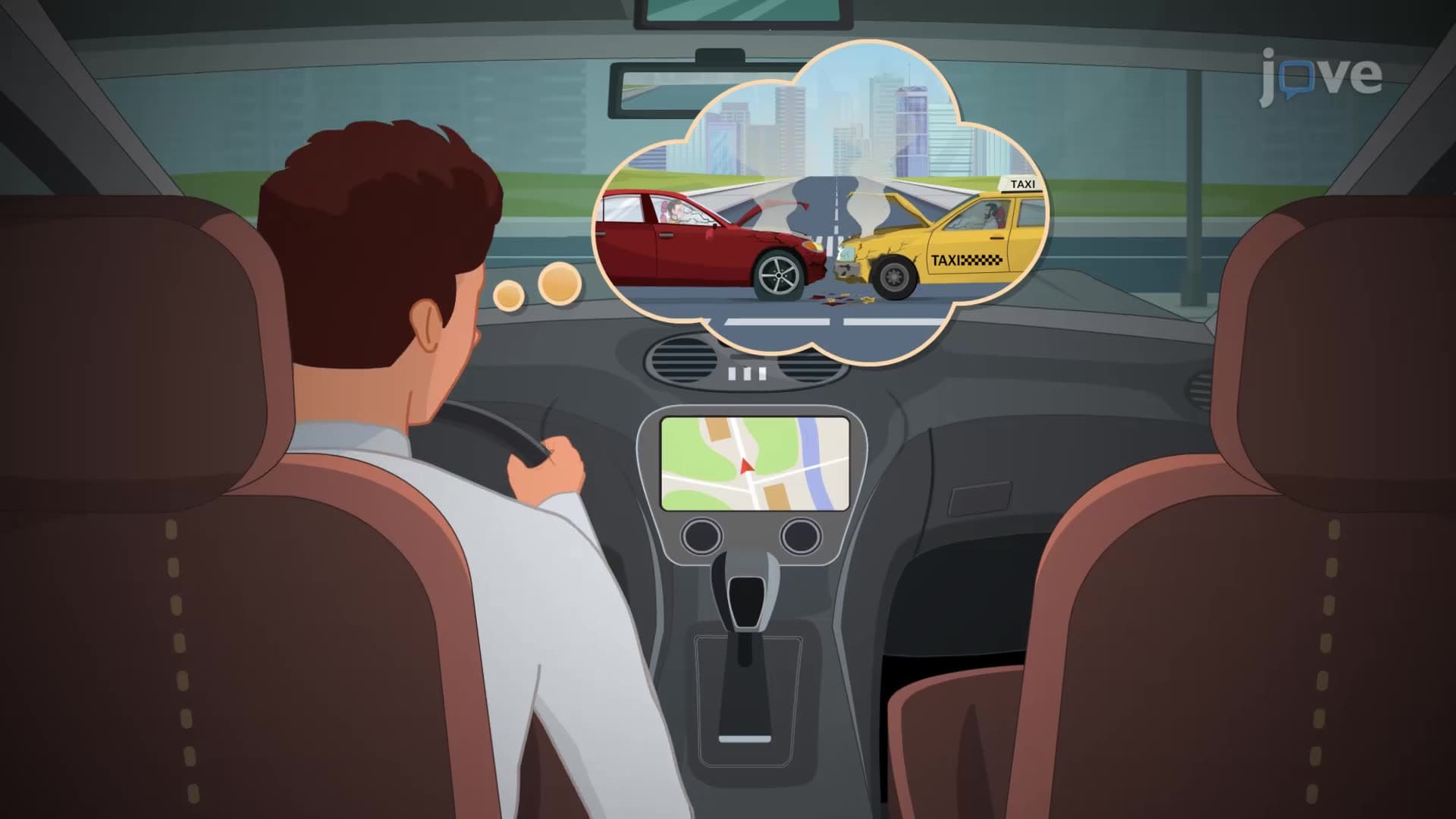
Childhood trauma significantly increases schizophrenia risk, with studies showing that individuals who experienced severe abuse are 2.8 times more likely to develop psychotic disorders. Cognitive vulnerabilities, including attention deficits and working memory problems, often precede schizophrenia onset by several years. These psychological markers, combined with social stressors, create a cascade of neurobiological changes that mirror the brain abnormalities seen in schizophrenia patients.
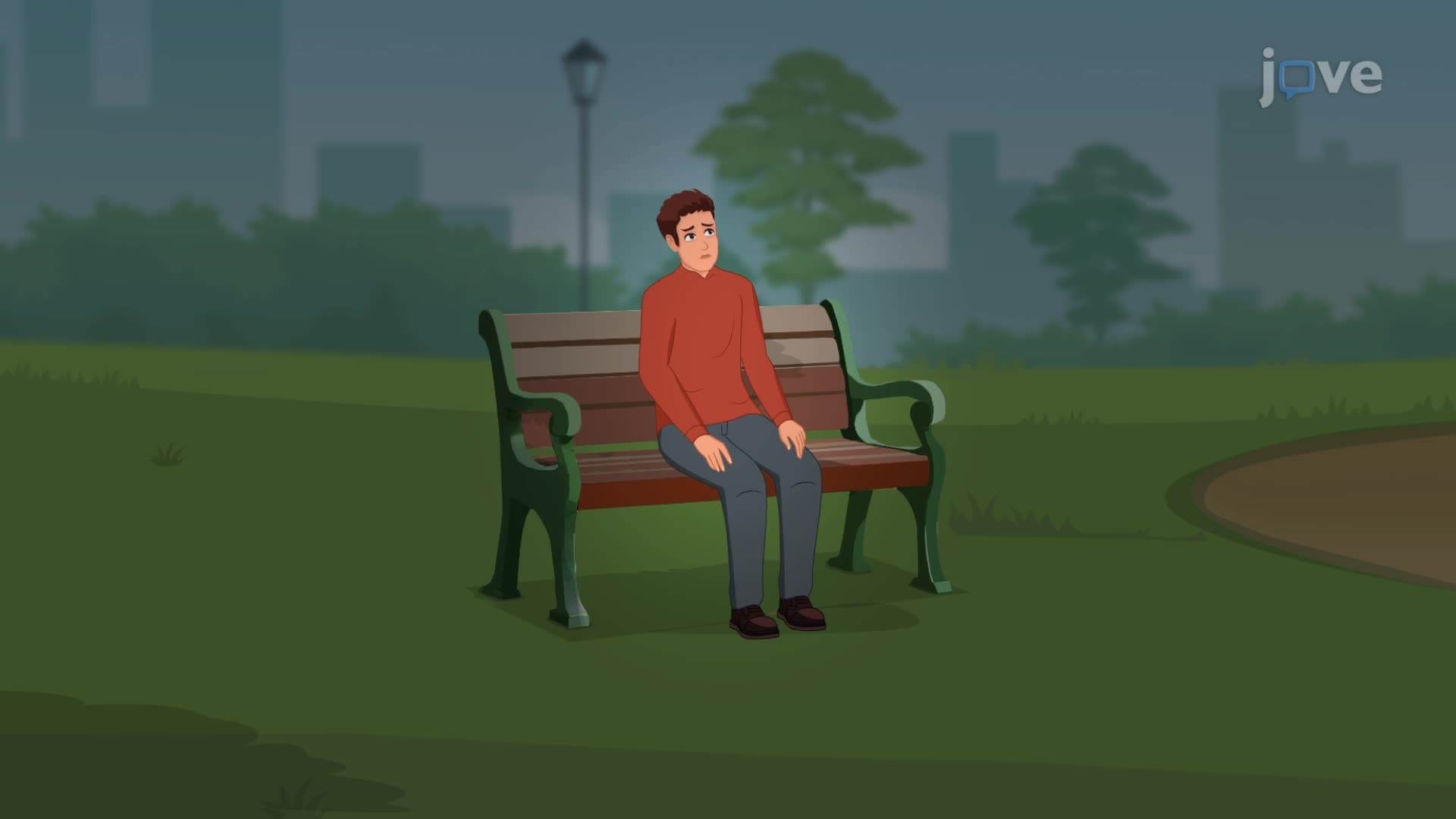
Urban environments show consistently higher schizophrenia rates compared to rural areas, with city-dwelling individuals facing 2-3 times greater risk. Social factors contributing to this disparity include increased social isolation, economic inequality, and reduced social cohesion. Immigration and minority status also elevate risk, particularly for second-generation immigrants who experience cultural identity conflicts and discrimination. The stress of acculturation can trigger psychotic episodes in vulnerable individuals.
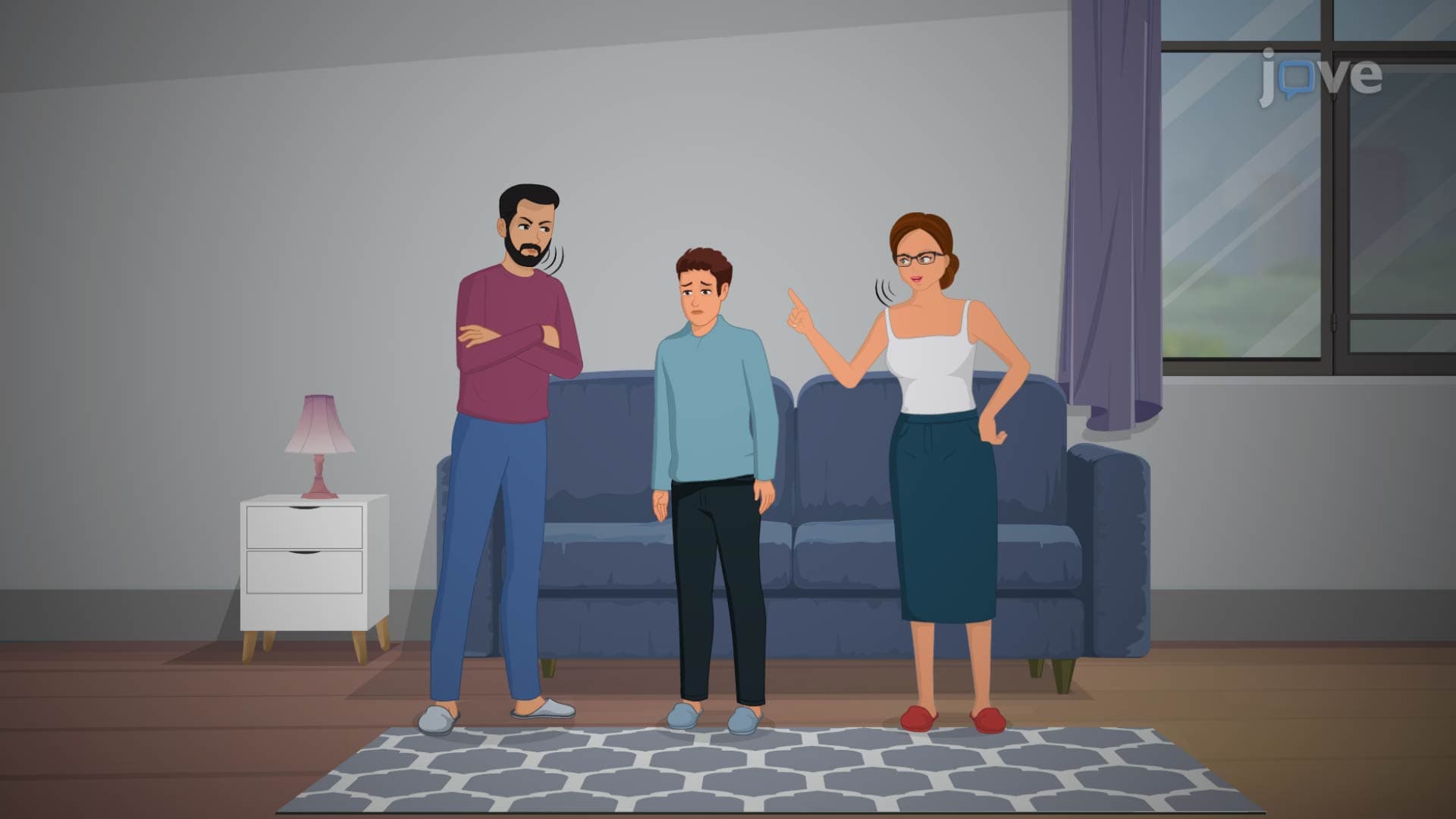
Expressed emotion (EE) research reveals that families with high criticism, hostility, or emotional over-involvement create environments that increase relapse rates by 50-60% in schizophrenia patients. Conversely, supportive family environments with clear communication and appropriate boundaries significantly improve outcomes. These findings directly impact treatment approaches used in US healthcare systems, where family therapy has become a standard component of comprehensive schizophrenia treatment plans.
For students preparing for AP Psychology or college abnormal psychology courses, understanding these environmental factors is crucial for exam success. The MCAT frequently tests knowledge of how biological predisposition interacts with environmental triggers, making this concept essential for pre-med students.
Related Micro-courses