Loading subject page…


10,303 views

Video Summary: What Is Bipolar Disorder
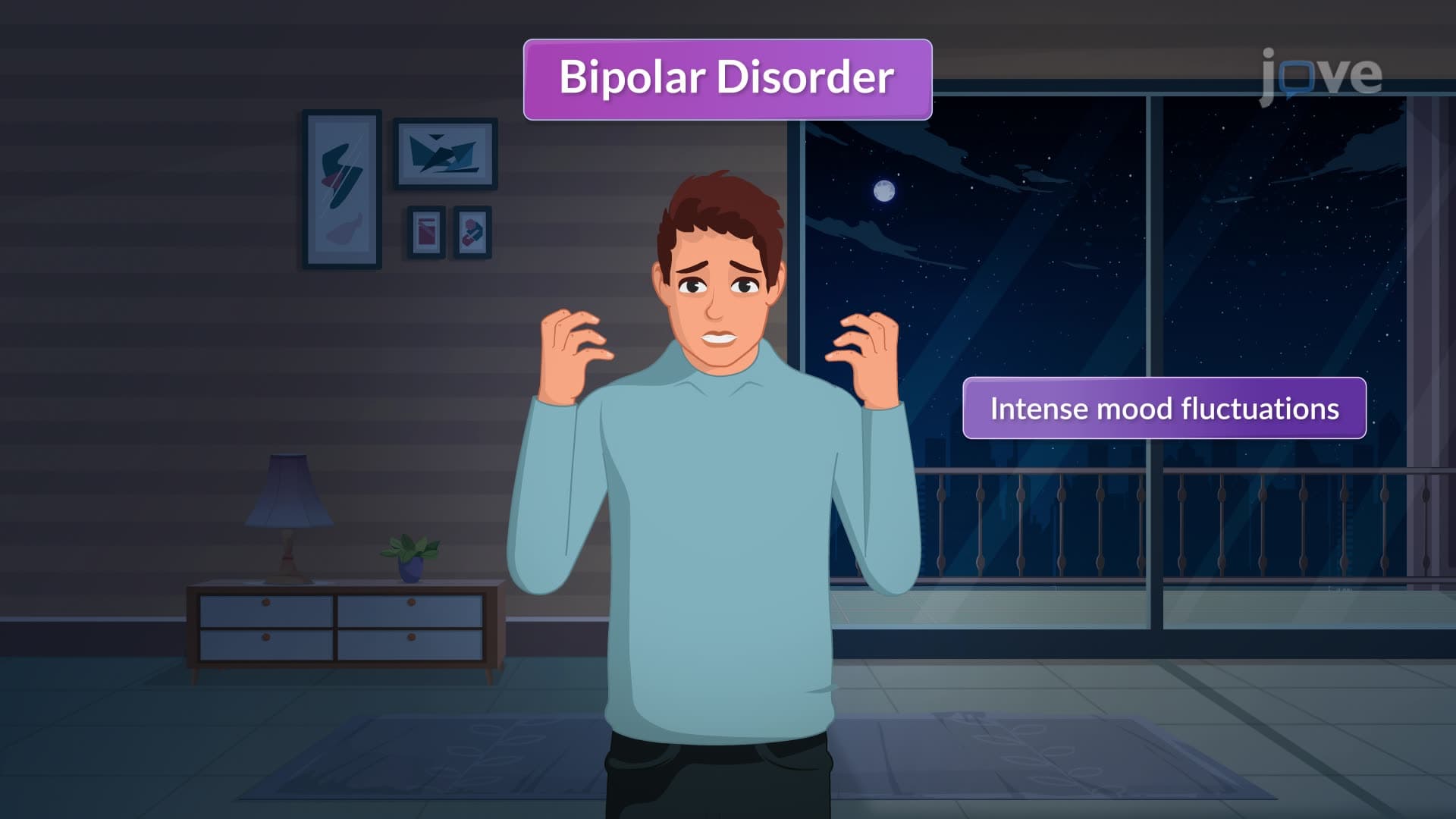
Did you know that nearly 3 million Americans live with bipolar disorder, experiencing dramatic mood swings that can shift from euphoric highs to devastating lows? Anorexia nervosa, while often confused with bipolar disorder due to overlapping psychological components, represents a distinct mental health condition. Consider how celebrities like Mariah Carey have openly discussed their bipolar diagnosis, helping reduce stigma around what is bipolar disorder and its complex symptoms. Watch the full video on JoVE Coach to master this concept with expert-led visuals and step-by-step explanations.
Bipolar disorder stands as one of the most complex psychiatric conditions, characterized by extreme mood episodes that significantly impair daily functioning. Unlike the typical emotional ups and downs everyone experiences, bipolar disorder involves clinically significant manic or hypomanic episodes that alternate with major depressive episodes. The anorexia nervosa definition helps illustrate how distinct mental health conditions can share certain psychological features while maintaining unique diagnostic criteria.
The disorder affects approximately 2.8% of US adults annually, with onset typically occurring in late adolescence or early adulthood. Students preparing for AP Psychology exams should understand that bipolar disorder represents a spectrum, with Bipolar I requiring at least one full manic episode, while Bipolar II involves hypomanic episodes paired with major depression.
The genetic component of bipolar disorder demonstrates remarkable heritability, with studies showing 60-85% genetic influence. This anorexia nervosa overview comparison highlights how different psychiatric conditions exhibit varying genetic contributions. Twin studies reveal that identical twins share a 70% concordance rate, while fraternal twins show only 10% concordance, emphasizing the strong hereditary component.
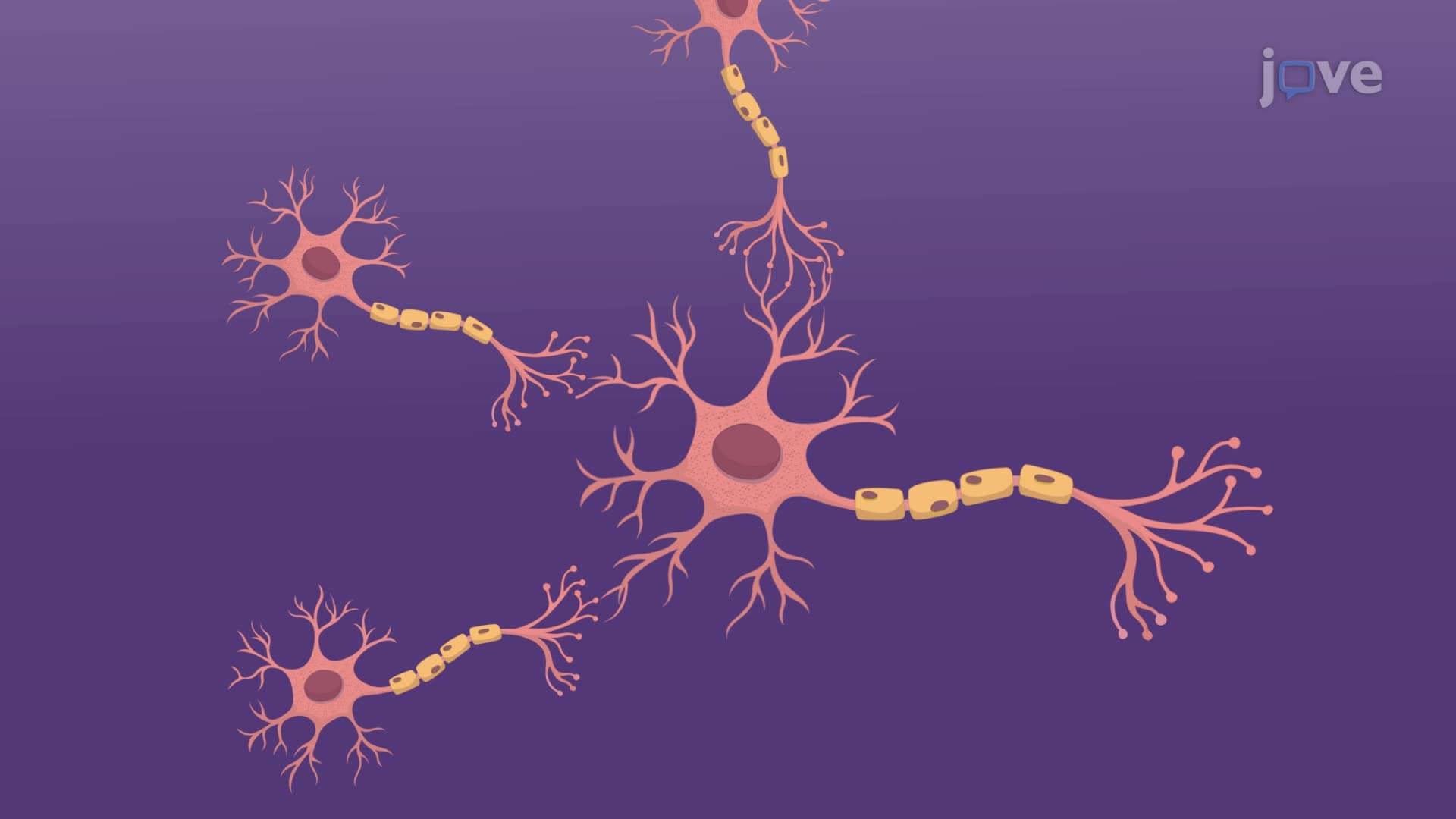
Neurotransmitter dysregulation plays a central role, particularly involving dopamine pathways associated with reward and motivation, serotonin systems governing mood regulation, and norepinephrine networks controlling arousal and attention. Elevated glutamate levels contribute to the excitatory brain state characteristic of manic episodes. For MCAT preparation, students should understand these biochemical mechanisms as fundamental to psychiatric pathophysiology.
Advanced neuroimaging studies conducted at institutions like Johns Hopkins and UCLA reveal specific brain alterations in bipolar disorder. The amygdala, crucial for emotional processing, shows hyperactivity during mood episodes, while the prefrontal cortex exhibits reduced gray matter volume and decreased activity. This prefrontal dysfunction explains the impaired judgment, poor impulse control, and compromised decision-making abilities seen during manic episodes.
These findings contrast with anorexia nervosa basics, where brain changes primarily involve areas controlling body image perception and appetite regulation. Understanding these distinctions proves essential for students pursuing healthcare careers and taking examinations like the USMLE or NCLEX.
Environmental factors significantly influence bipolar disorder course and severity. Stressful life events-such as job loss, relationship problems, or academic pressure-can precipitate manic episodes and increase relapse frequency. Paradoxically, positive events like graduating from college, receiving promotions, or achieving long-term goals can also trigger mania, illustrating the disorder's complex relationship with life changes.
This anorexia nervosa study guide comparison demonstrates how different mental health conditions respond uniquely to environmental stressors, requiring tailored treatment approaches and prevention strategies.
Related Micro-courses