Loading subject page…


10,303 views


Video Summary: What Is Depressive Disorders Etiology
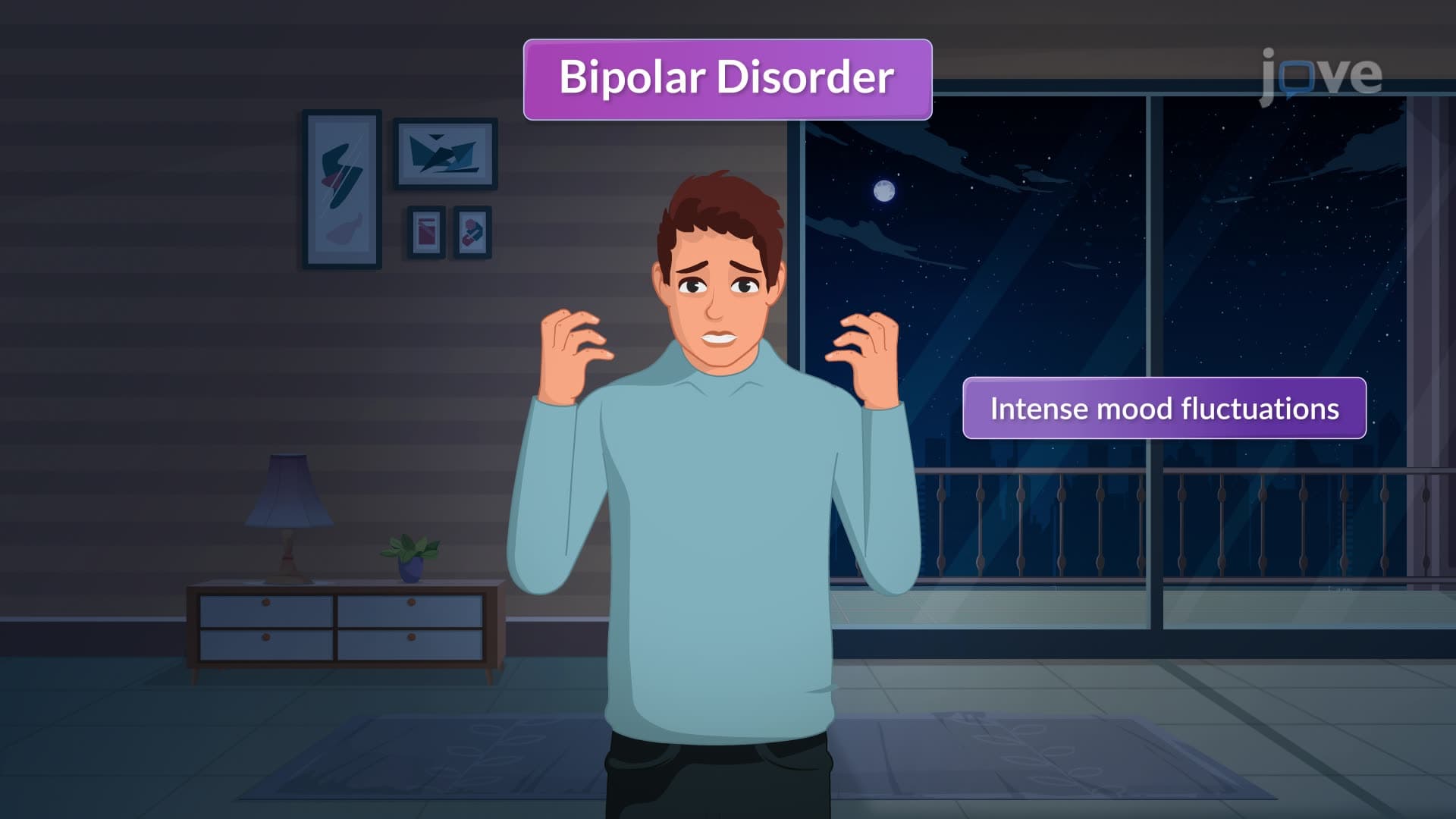
Did you know that major depressive disorder affects over 21 million American adults annually? Understanding bipolar disorder and related mood disorders requires examining their complex origins through biological, psychological, and sociocultural lenses. For instance, the National Institute of Mental Health reports that genetic variations in neurotransmitter systems significantly influence depression risk in college students facing academic stress. What is Depressive Disorders Etiology encompasses this multifaceted approach to understanding mood disorder origins. Watch the full video on JoVE Coach to master this concept with expert-led visuals and step-by-step explanations.
Depressive disorders etiology represents the comprehensive study of factors contributing to mood disorder development. Unlike single-cause diseases, depression emerges from complex interactions between biological predisposition, psychological vulnerability, and sociocultural stressors. This multifactorial model helps explain why some individuals develop depression while others with similar circumstances remain resilient.
The biological etiology of depressive disorders centers on genetic, neurochemical, and structural brain factors. Research from Johns Hopkins University demonstrates that individuals carrying specific variations of the serotonin transporter gene (5-HTTLPR) show 2-3 times higher depression rates when exposed to significant life stressors. This gene-environment interaction exemplifies how bipolar disorder and related conditions emerge.
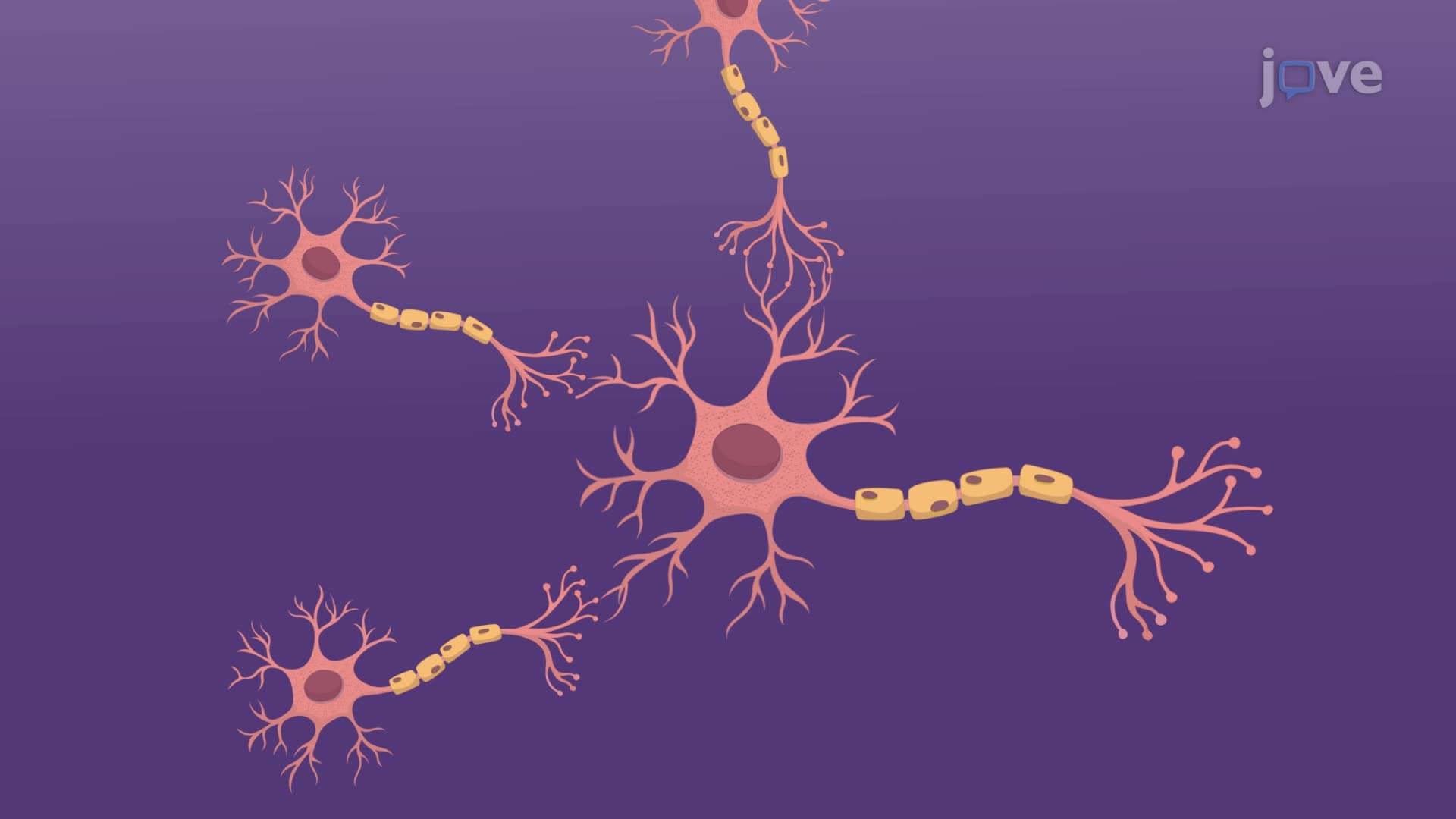
Neurotransmitter dysfunction plays a crucial role in depression etiology. The "monoamine hypothesis" suggests that decreased levels of serotonin, norepinephrine, and dopamine contribute to depressive symptoms. Harvard Medical School studies using neuroimaging reveal that depressed patients show reduced activity in the prefrontal cortex-the brain region responsible for executive function and emotional regulation. Additionally, chronic stress leads to decreased neurogenesis in the hippocampus, explaining memory and concentration difficulties in depression.
For students preparing for the MCAT or AP Psychology exams, understanding these biological mechanisms is essential. The relationship between cortisol elevation, hippocampal volume reduction, and depression severity frequently appears in standardized test questions about mood disorders.
Psychological etiology encompasses learned behavioral patterns and cognitive processes that increase depression risk. Martin Seligman's learned helplessness theory, developed through research at the University of Pennsylvania, demonstrates how repeated exposure to uncontrollable negative events creates a sense of powerlessness that generalizes to controllable situations.
Cognitive distortions represent another crucial psychological factor. Aaron Beck's cognitive triad identifies three negative thought patterns: negative views of self, world, and future. Students facing academic pressure at universities like Stanford often exhibit these patterns-catastrophizing a poor test grade into evidence of personal inadequacy and future failure.
Sociocultural factors significantly impact depression etiology, particularly socioeconomic status and social support systems. Centers for Disease Control data shows depression rates nearly double among Americans living below the poverty line compared to higher-income populations. Environmental stressors like job loss, housing instability, and limited healthcare access create chronic stress that triggers biological vulnerability factors.
Cultural factors also influence depression expression and recognition. Research from UCLA indicates that certain ethnic communities may express depression through somatic symptoms rather than emotional complaints, affecting diagnosis and treatment approaches.
Related Micro-courses