Loading subject page…


10,303 views


Video Summary: What Is Dissociative Amnesia
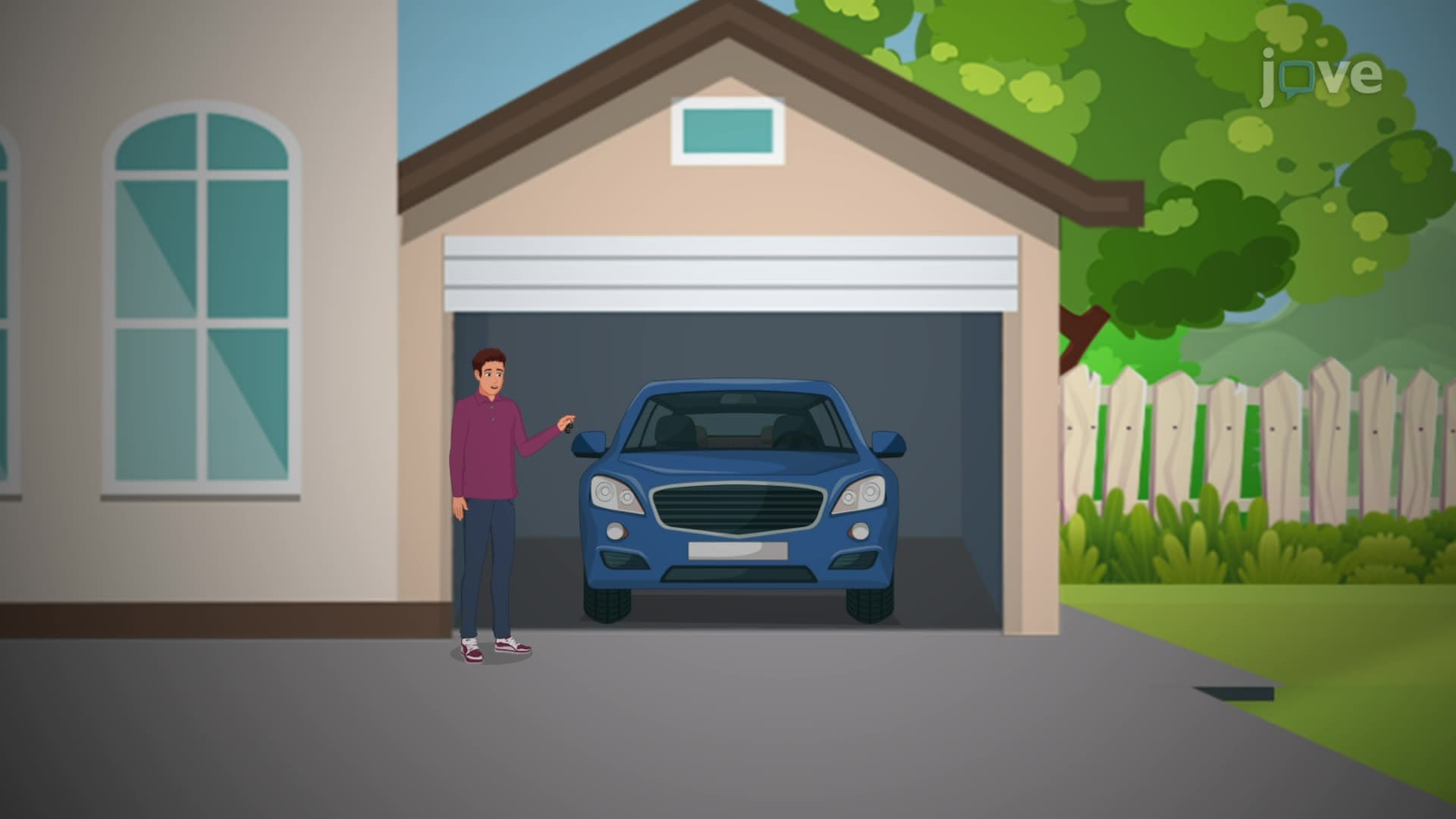
Imagine waking up unable to remember your own name, family, or traumatic experiences, yet still knowing how to drive or use your phone. Dissociative identity disorder and related conditions like dissociative amnesia affect memory in selective, profound ways following severe psychological trauma. In the United States, cases have been documented where individuals completely forget personal histories while retaining everyday skills, creating a puzzling divide in human memory function. What is dissociative amnesia reveals how our minds protect us from overwhelming stress through selective memory loss. Watch the full video on JoVE Coach to master this concept with expert-led visuals and step-by-step explanations.
Dissociative amnesia represents one of the most fascinating paradoxes in psychology-the mind's ability to selectively forget traumatic experiences while preserving everyday functioning. Unlike organic amnesias caused by brain injury or neurological disease, dissociative amnesia stems from psychological mechanisms that protect individuals from overwhelming trauma. This condition demonstrates how our memory systems can compartmentalize information, creating barriers between traumatic experiences and conscious recall.
The disorder typically manifests following severe psychological stressors such as combat exposure, childhood abuse, natural disasters, or violent crimes. Veterans returning from deployment, survivors of mass shootings, or individuals who experienced severe domestic violence represent common presentations in US clinical settings. What makes this condition particularly intriguing is its selectivity-patients may forget their entire personal history yet remember how to perform complex tasks like driving, cooking, or using technology.
Dissociative fugue, classified as a specifier of dissociative amnesia in the DSM-5, adds another layer of complexity to memory disturbance. Individuals experiencing fugue states may suddenly travel hundreds or thousands of miles from home, often assuming new identities or experiencing complete confusion about their previous lives. Cases documented in US emergency departments include patients found in distant states with no memory of their journey or previous identity.
These episodes can range from brief hours-long experiences to extended periods lasting months or even years. The individual might establish a completely new life, complete with different personality traits and behavioral patterns. When the fugue state ends, patients typically have no memory of their time during the dissociative episode, creating gaps within gaps in their personal timeline.
Diagnosing dissociative amnesia requires careful differentiation from medical conditions that can cause memory loss. Neurological evaluations, including brain imaging and cognitive testing, help rule out conditions like traumatic brain injury, stroke, or early-onset dementia. The pattern of memory loss provides crucial diagnostic clues-dissociative amnesia typically affects autobiographical memory while sparing semantic knowledge and procedural skills.
Clinicians must also consider the possibility of malingering, particularly in forensic or legal contexts where individuals might feign memory loss to avoid responsibility. This presents significant challenges for mental health professionals, requiring comprehensive psychological testing and careful observation of symptom patterns. The genuine distress and functional impairment associated with true dissociative amnesia typically distinguishes it from fabricated presentations.
Treatment for dissociative amnesia often involves trauma-focused psychotherapy approaches such as cognitive processing therapy or eye movement desensitization and reprocessing (EMDR). These evidence-based treatments, widely used in US clinical settings, help patients process traumatic memories safely while developing healthy coping mechanisms. Recovery patterns vary significantly, with some individuals experiencing spontaneous memory return while others require intensive therapeutic intervention.
For students preparing for psychology courses, the MCAT, or clinical licensure exams, understanding dissociative amnesia provides insight into the complex relationship between trauma, memory, and psychological adaptation. This knowledge proves essential for future healthcare providers who may encounter these presentations in emergency departments, psychiatric units, or outpatient mental health settings.
Related Micro-courses