Loading subject page…


10,303 views


Video Summary: What Is Panic Disorder
Did you know that panic disorder affects nearly 5 million Americans annually, yet many mistake panic attacks for heart attacks? Social anxiety disorder, while related to panic disorder, involves intense fear in social situations rather than sudden panic episodes. For example, a UCLA student might experience panic disorder through unexpected attacks during finals week, whereas social anxiety disorder would manifest as fear of participating in class discussions. Understanding panic disorder reveals how our brain's fear response can misfire, creating debilitating episodes that feel life-threatening but are actually treatable mental health conditions. Watch the full video on JoVE Coach to master this concept with expert-led visuals and step-by-step explanations.
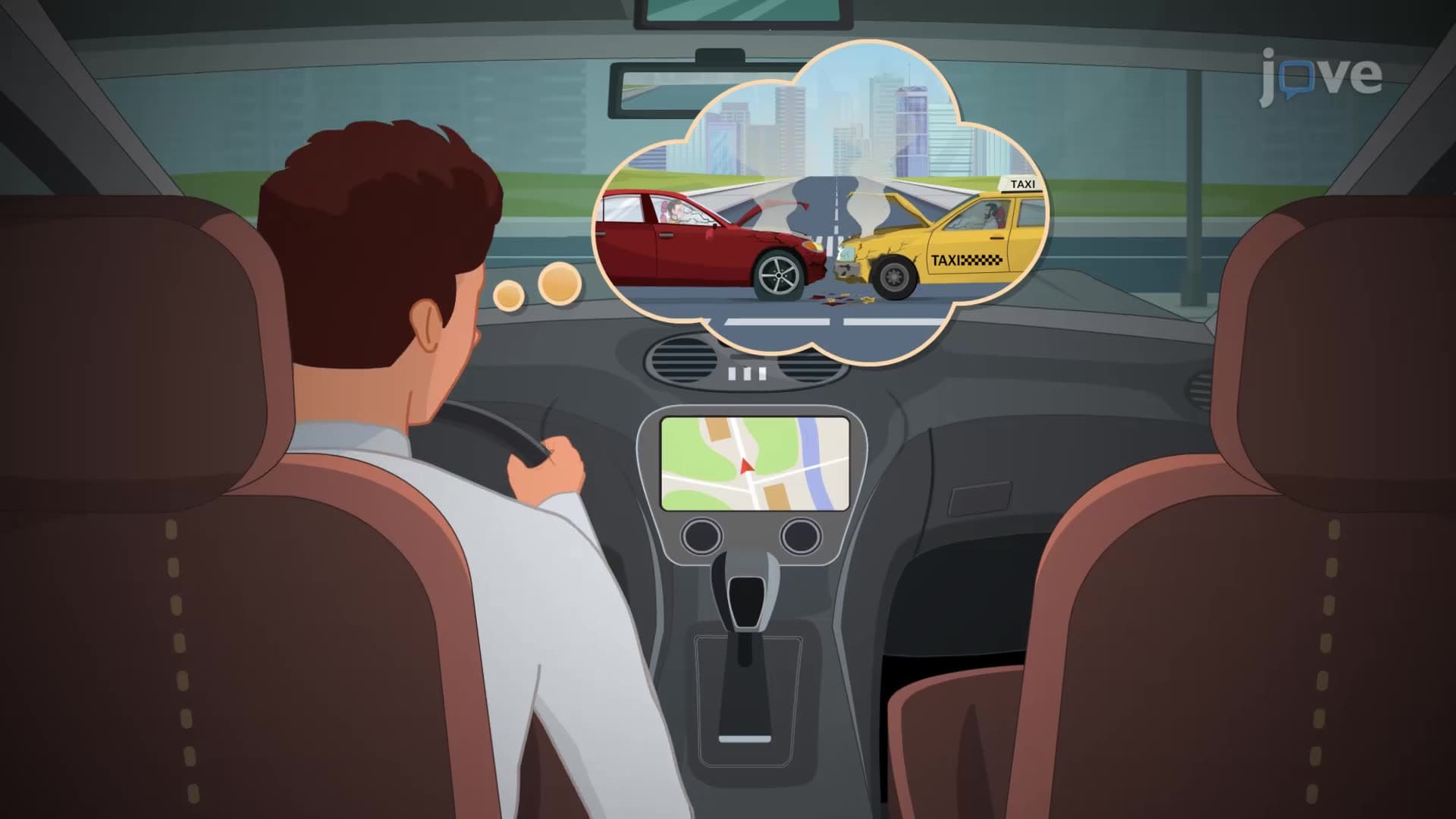
Panic disorder represents one of the most misunderstood anxiety disorders in mental health. Unlike social anxiety disorder, which centers on fear of social evaluation and judgment, panic disorder involves sudden, unexpected episodes of intense terror that seem to come from nowhere. These panic attacks typically peak within minutes and can occur anywhere-during a Harvard Medical School lecture, while driving on Interstate 95, or even during sleep.
The Diagnostic and Statistical Manual of Mental Disorders (DSM-5) defines panic disorder as recurrent, unexpected panic attacks followed by persistent concern about future attacks. Students preparing for the MCAT should note that diagnosis requires at least one month of worry about additional attacks or maladaptive behavioral changes, such as avoiding situations where attacks previously occurred.
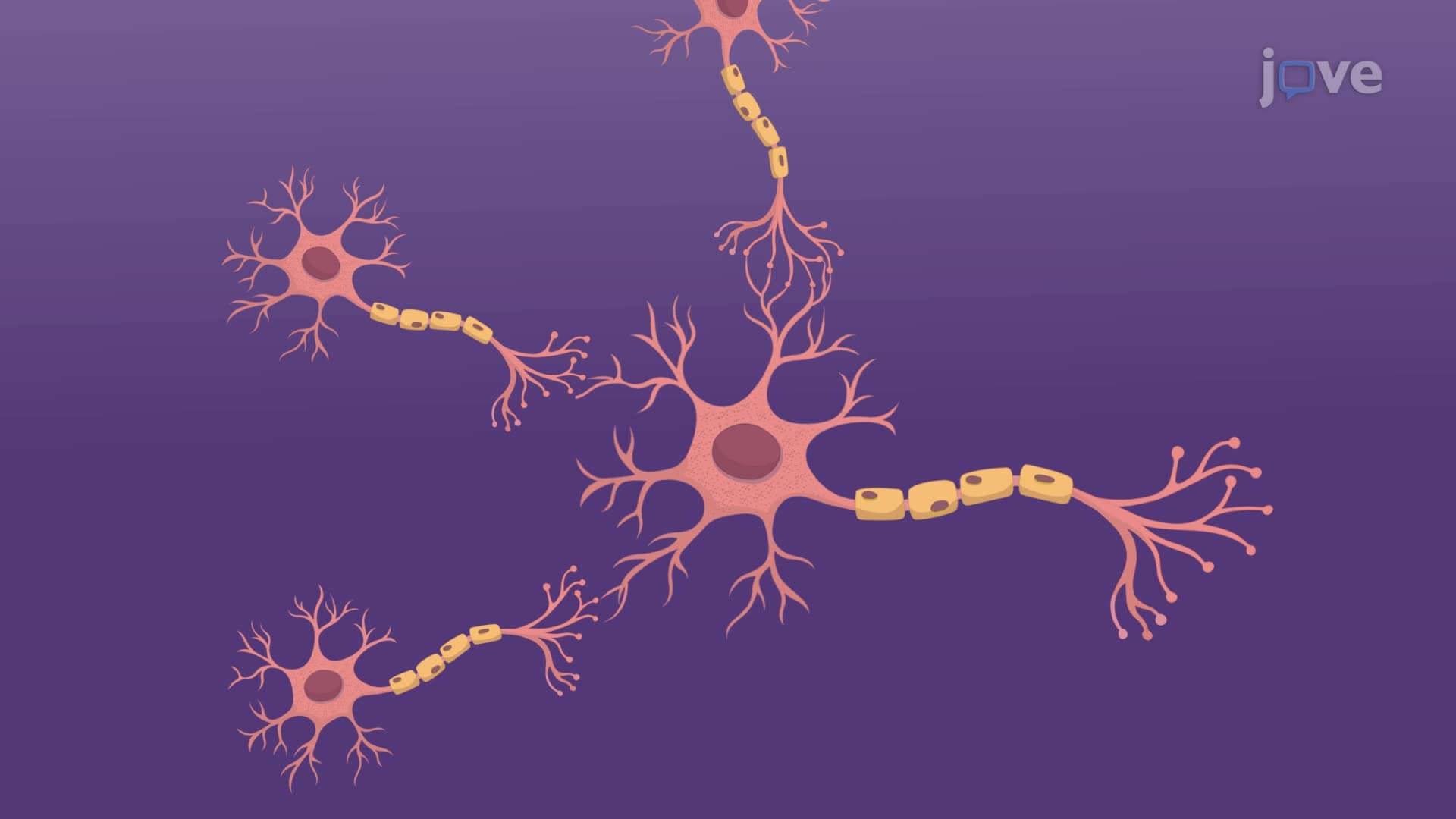
The neurobiological basis of panic disorder involves complex interactions between multiple neurotransmitter systems. Unlike social anxiety disorder, which primarily involves fear of social scrutiny, panic disorder stems from dysregulation in the brain's alarm system. Key neurotransmitters include serotonin (which modulates mood and anxiety), norepinephrine (involved in fight-or-flight responses), and GABA (the brain's primary inhibitory neurotransmitter).
Genetic studies indicate that panic disorder has a heritability rate of approximately 40%, meaning genetics play a significant role. Students at institutions like Johns Hopkins University studying for AP Psychology should understand that having a first-degree relative with panic disorder increases risk by 3-5 times compared to the general population.
While both conditions involve intense anxiety, their triggers and manifestations differ significantly. Social anxiety disorder focuses specifically on social situations where individuals fear negative evaluation-like presenting at Stanford University or networking at professional events. The social anxiety disorder definition emphasizes persistent fear of social or performance situations, whereas panic disorder involves unexpected attacks that aren't necessarily tied to specific social contexts.
Understanding what is social anxiety disorder in detail helps clarify these distinctions. Social anxiety typically builds gradually in anticipation of social events, while panic attacks strike suddenly and unpredictably. College students often experience both conditions, making differential diagnosis crucial for effective treatment.
For students preparing for clinical exams like the USMLE or NCLEX, recognizing panic disorder's impact on academic performance is essential. Research from major US universities shows that untreated panic disorder can lead to class avoidance, decreased participation, and ultimately academic underachievement. The condition affects approximately 2-3% of college students, with women experiencing twice the prevalence of men, possibly due to hormonal fluctuations affecting neurotransmitter sensitivity.
Related Micro-courses