Loading subject page…


10,303 views


Video Summary: What Is Post Traumatic Stress Disorder
Did you know that approximately 3.5% of US adults experience PTSD each year, yet many struggle to understand what dissociative disorders truly entail? Post Traumatic Stress Disorder represents a complex mental health condition that can profoundly impact survivors of traumatic events, from military veterans returning from combat to survivors of natural disasters like Hurricane Katrina. What is Post Traumatic Stress Disorder, and how does it affect the brain's ability to process memories and emotions? Watch the full video on JoVE Coach to master this concept with expert-led visuals and step-by-step explanations.
Post Traumatic Stress Disorder (PTSD) represents a severe anxiety disorder that develops following exposure to or witnessing traumatic events that threaten life or serious injury. Unlike normal stress responses that diminish over time, PTSD creates persistent psychological disturbances that significantly impair daily functioning. The condition affects approximately 6-9% of Americans at some point in their lives, with higher prevalence among veterans, first responders, and survivors of violent crimes.
According to the Diagnostic and Statistical Manual of Mental Disorders (DSM-5), PTSD requires exposure to actual or threatened death, serious injury, or sexual violence through direct experience, witnessing, learning about close family/friend involvement, or repeated professional exposure. This framework helps clinicians distinguish PTSD from other anxiety disorders and ensures accurate diagnosis for treatment planning.
PTSD manifests through four distinct symptom clusters that must persist for more than one month. Intrusive symptoms include recurrent, involuntary memories, distressing dreams, and flashbacks where individuals feel as though the traumatic event is recurring. These episodes can be triggered by seemingly innocuous stimuli that remind the person of their trauma.
Avoidance behaviors represent the second cluster, where individuals actively avoid trauma-related thoughts, feelings, places, people, or activities. A car accident survivor might refuse to drive or even ride as a passenger, significantly limiting their independence and quality of life. Negative alterations in mood and cognition include persistent negative beliefs about oneself or the world, distorted blame, negative emotional states, diminished interest in activities, and feelings of detachment from others.
The fourth cluster involves alterations in arousal and reactivity, including hypervigilance, exaggerated startle response, sleep disturbances, concentration problems, and self-destructive behavior. These symptoms often interfere with academic performance, making PTSD particularly challenging for students preparing for standardized tests like the SAT, MCAT, or AP Psychology exams.
Research has revealed significant neurobiological changes in PTSD patients, particularly affecting the hippocampus, amygdala, and prefrontal cortex. The hippocampus, crucial for memory consolidation and retrieval, often shows reduced volume in PTSD patients. This structural change impairs the brain's ability to properly integrate traumatic memories, leading to fragmented recall and intrusive symptoms.
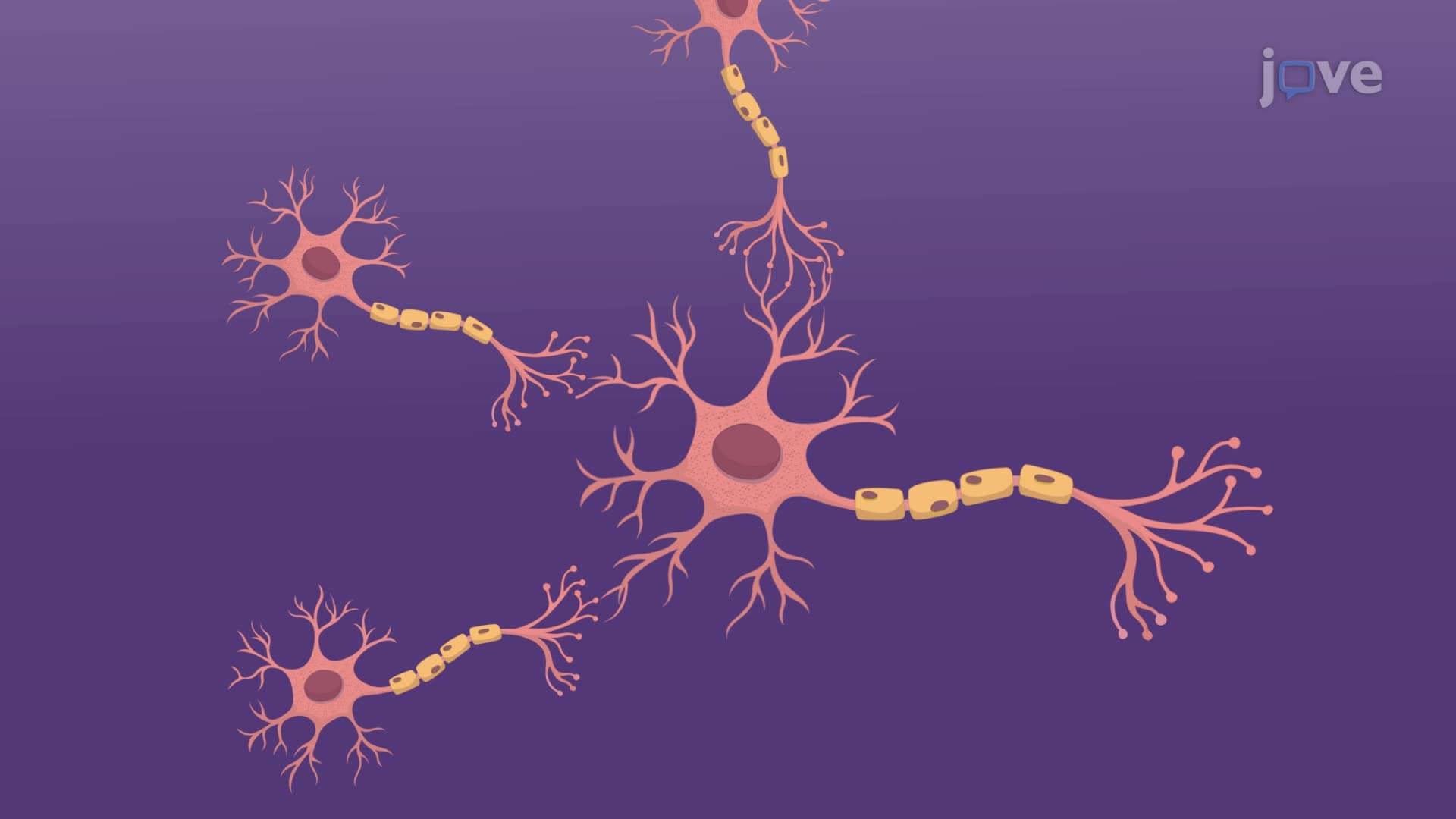
Neurotransmitter systems also become dysregulated, particularly involving serotonin, norepinephrine, and GABA. These chemical imbalances contribute to mood symptoms, sleep disturbances, and heightened anxiety responses. The hypothalamic-pituitary-adrenal (HPA) axis, which governs stress responses, becomes hyperactive, leading to elevated cortisol levels and chronic physiological arousal.
Understanding these biological mechanisms proves essential for students studying for the MCAT or pursuing careers in healthcare, as it demonstrates how psychological trauma creates measurable physical changes in brain structure and function.
Related Micro-courses