Loading video…


 35 Concepts
 10.3K views

Video Summary: What Is Social Anxiety Disorder
Did you know that obsessive compulsive disorder affects millions of Americans, yet it's often confused with social anxiety disorder? While obsessive compulsive disorder involves repetitive thoughts and behaviors, What is Social Anxiety Disorder explores a different mental health condition entirely. Students at UCLA experiencing intense fear before presentations might actually have social anxiety disorder, not OCD as commonly assumed. Watch the full video on JoVE Coach to master this concept with expert-led visuals and step-by-step explanations.
Social anxiety disorder represents one of the most prevalent yet misunderstood mental health conditions affecting American students and adults. Unlike obsessive compulsive disorder, which centers on repetitive thoughts and compulsive behaviors, social anxiety disorder specifically targets social interactions and performance situations. This condition goes far beyond typical nervousness-it involves an overwhelming fear of being judged, embarrassed, or rejected in social contexts that significantly impairs daily functioning.
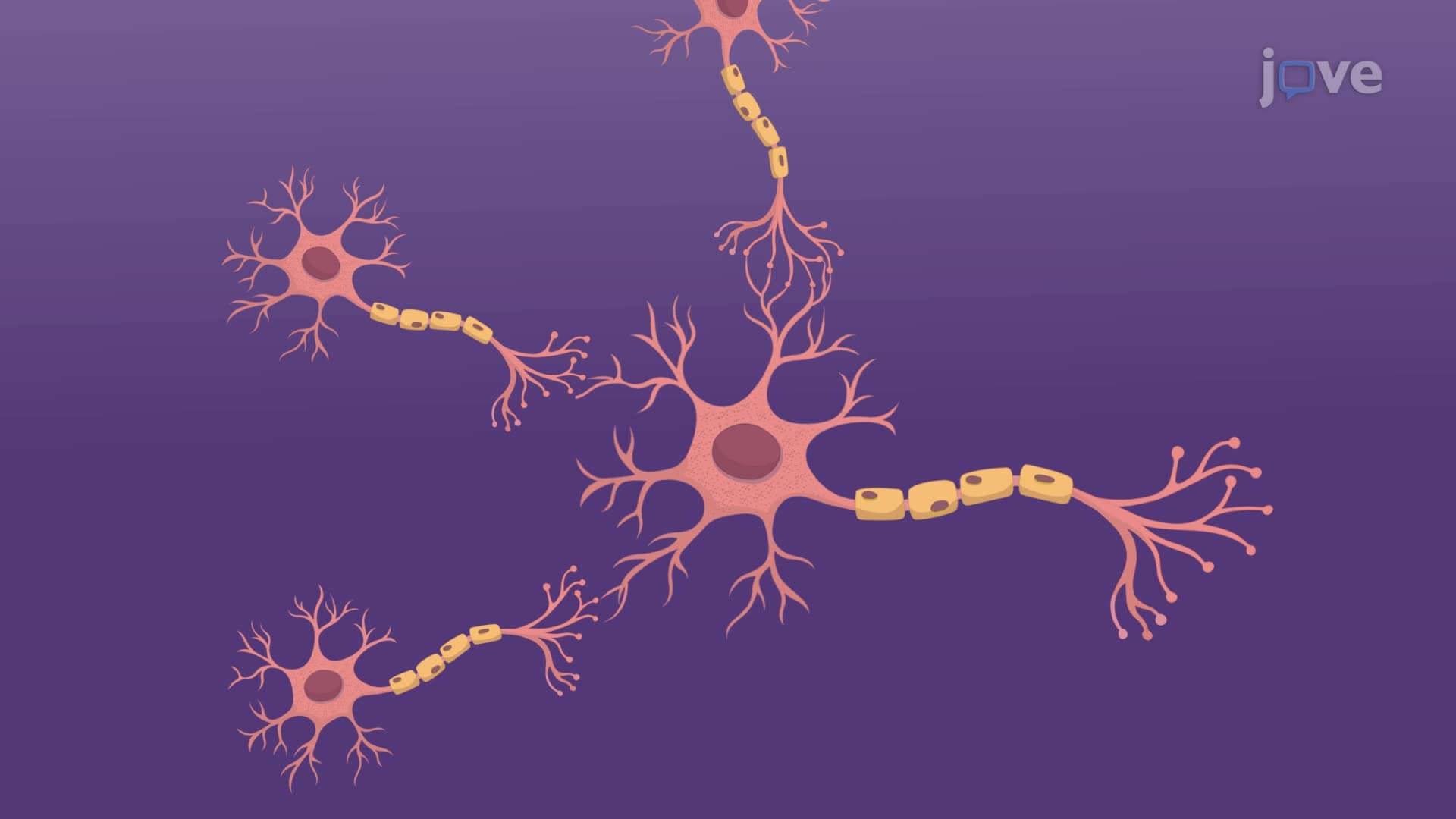
The neurobiological underpinnings of social anxiety disorder reveal fascinating connections to brain structure and function. Research conducted at institutions like Stanford University and Harvard Medical School demonstrates that specific neural circuits involving the amygdala (fear processing center), thalamus (sensory relay), and cerebral cortex (executive function) operate differently in individuals with social anxiety. Genetic studies have identified specific gene locations associated with both social anxiety and reduced extroversion, suggesting hereditary components that distinguish it from obsessive compulsive disorder's genetic markers.
Serotonin imbalances play a crucial role, affecting mood regulation and social behavior. This neurochemical aspect explains why certain medications effective for social anxiety differ from those used for obsessive compulsive disorder treatment, highlighting the importance of accurate diagnosis.
The cognitive component of social anxiety involves systematic thinking errors that maintain the disorder. Students might catastrophize about giving presentations, assuming classmates will judge them harshly based on minimal evidence-like noticing someone checking their phone during a speech. These automatic negative thoughts create anticipatory anxiety, leading to avoidance behaviors that reinforce the fear cycle.
This pattern differs significantly from obsessive compulsive disorder, where intrusive thoughts typically focus on contamination, harm, or symmetry rather than social evaluation. Understanding these distinctions proves essential for psychology students preparing for AP Psychology exams or college abnormal psychology courses.
Social anxiety disorder significantly impacts academic performance, from avoiding class participation to skipping group projects. Students at universities like UCLA or University of Michigan often seek campus counseling services for social anxiety, which can be mistakenly labeled as obsessive compulsive disorder due to overlapping avoidance behaviors. Proper understanding helps distinguish between these conditions, crucial for students pursuing psychology, pre-med tracks, or mental health careers.
Related Micro-courses