Loading subject page…


5,083 views

Video Summary: Major Influences on Business Buyers Explained
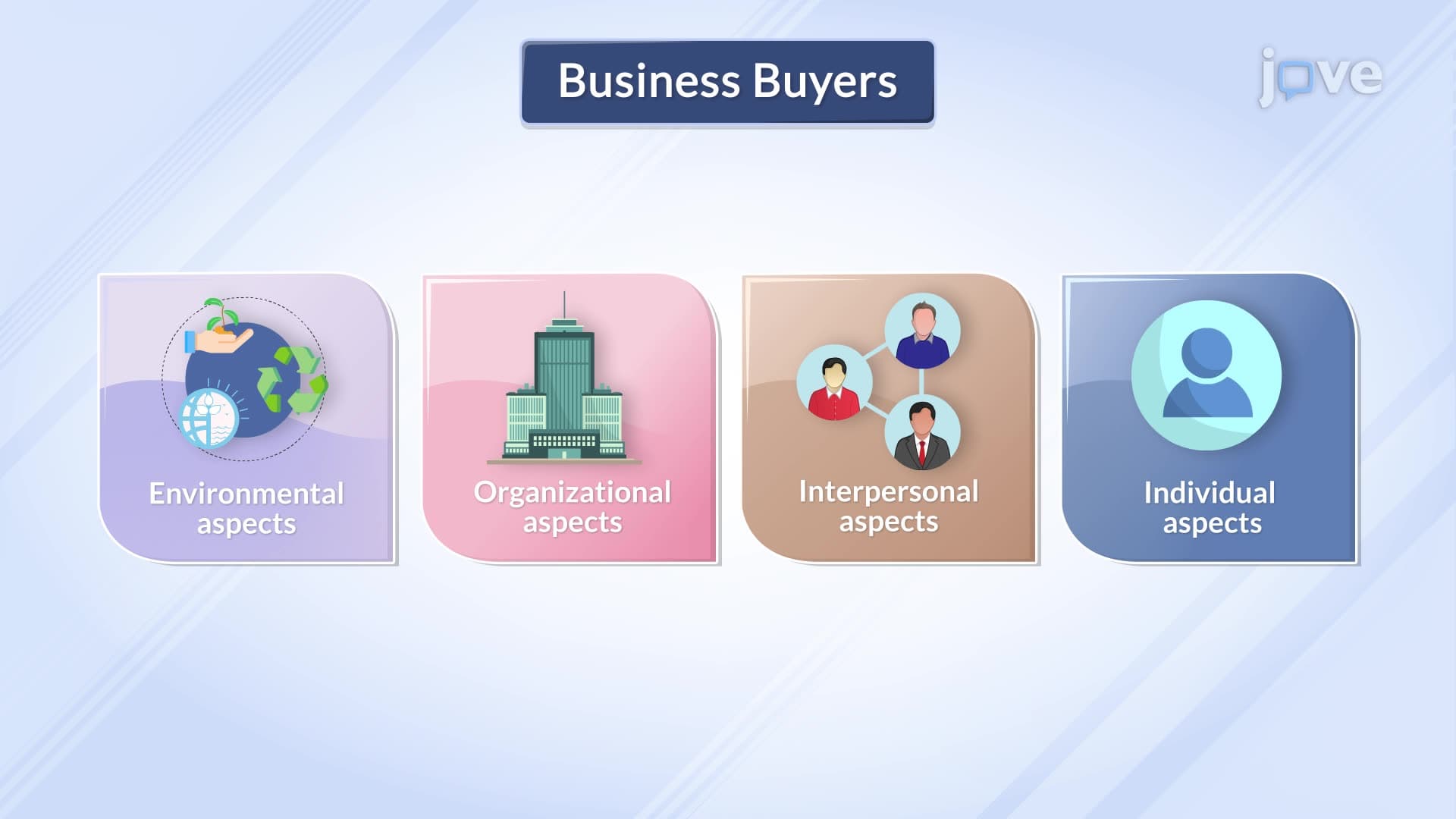
When Amazon's procurement team evaluates enterprise software vendors, they navigate complex organizational dynamics that extend far beyond price comparisons. Understanding the major influences on business buyers requires analyzing how environmental pressures, organizational structures, interpersonal relationships, and individual preferences shape every B2B purchase decision. These Major Influences On Business Buyers Explained framework helps professionals decode why certain vendors win competitive deals while others struggle despite superior products. Watch the full video on JoVE Coach to master this concept with expert-led visuals and step-by-step explanations.
Modern B2B purchasing decisions involve intricate stakeholder ecosystems where multiple forces converge to shape outcomes. Consider Microsoft's recent $68.7 billion Activision Blizzard acquisition-a decision influenced by regulatory environments, organizational growth strategies, interpersonal dynamics between leadership teams, and individual executive visions for the company's future in gaming and metaverse technologies.
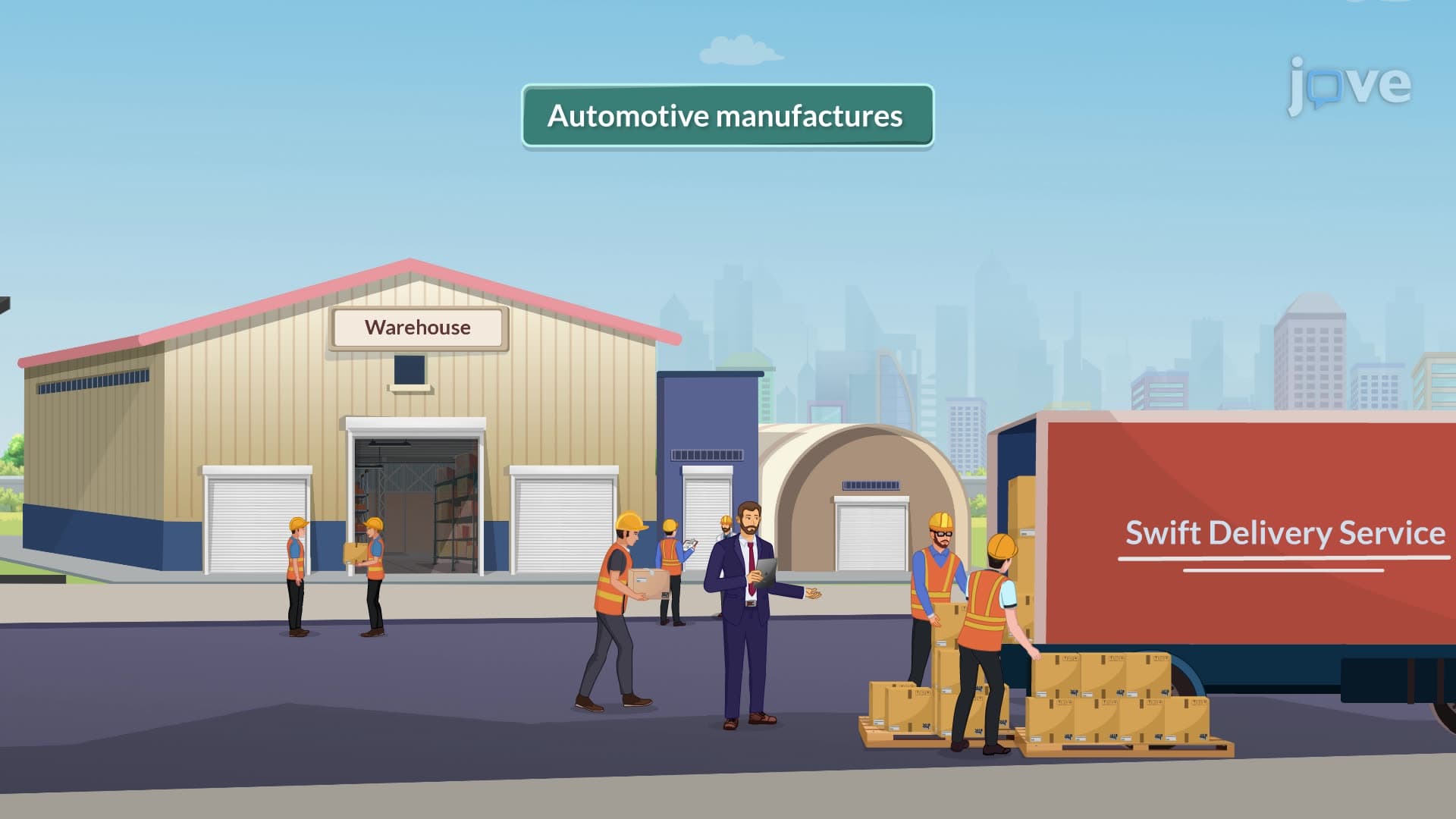
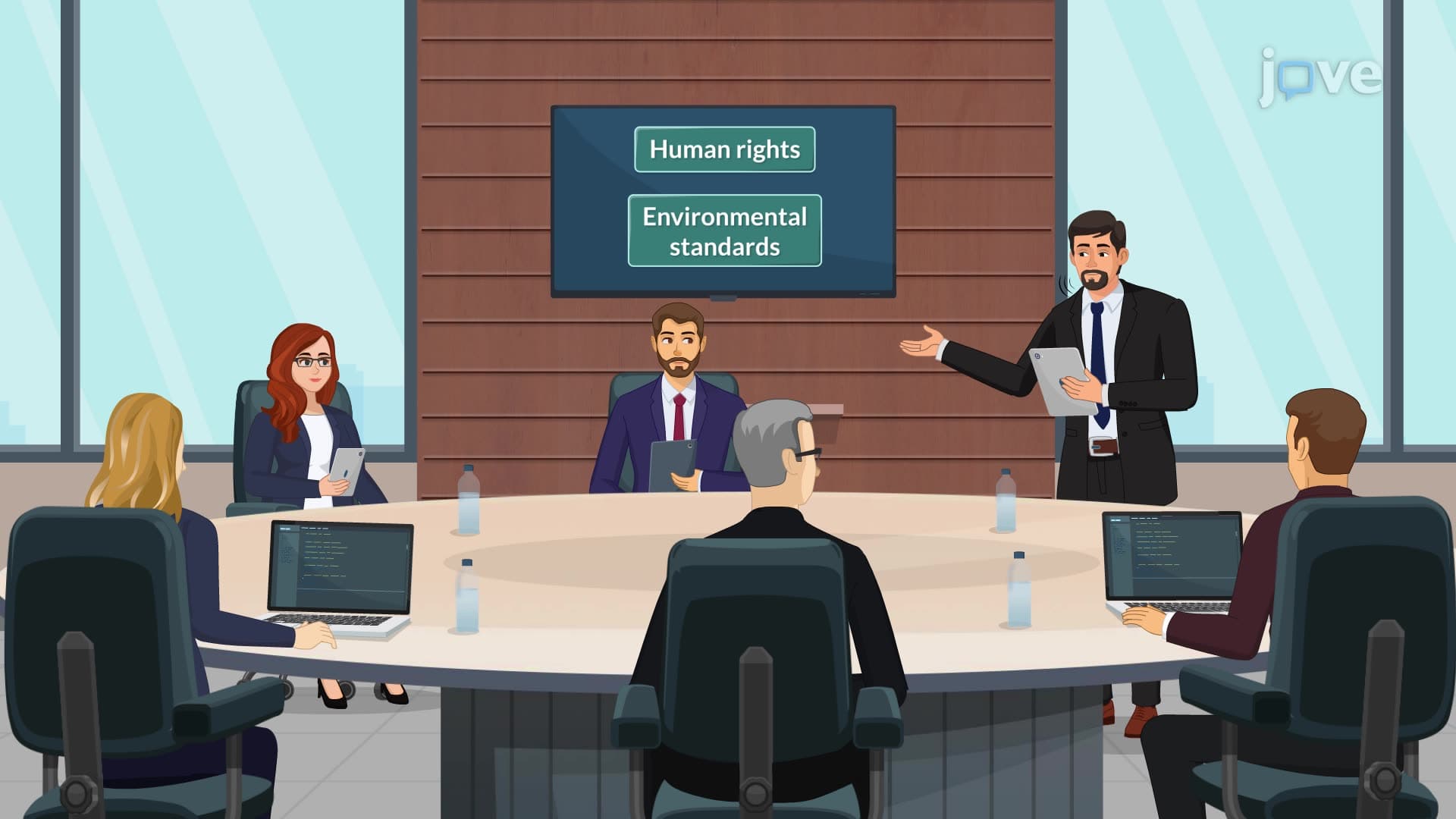
Environmental influences create the macro-context for all business buying behavior. Economic indicators drive capital expenditure timing-companies like General Electric delay equipment purchases during economic uncertainty while accelerating technology investments during growth periods. Regulatory changes force compliance-driven purchases, as seen when GDPR implementation triggered massive cybersecurity software acquisitions across Fortune 500 companies. Technological disruption creates urgency around digital transformation initiatives, evidenced by the enterprise cloud migration surge following remote work adoption.
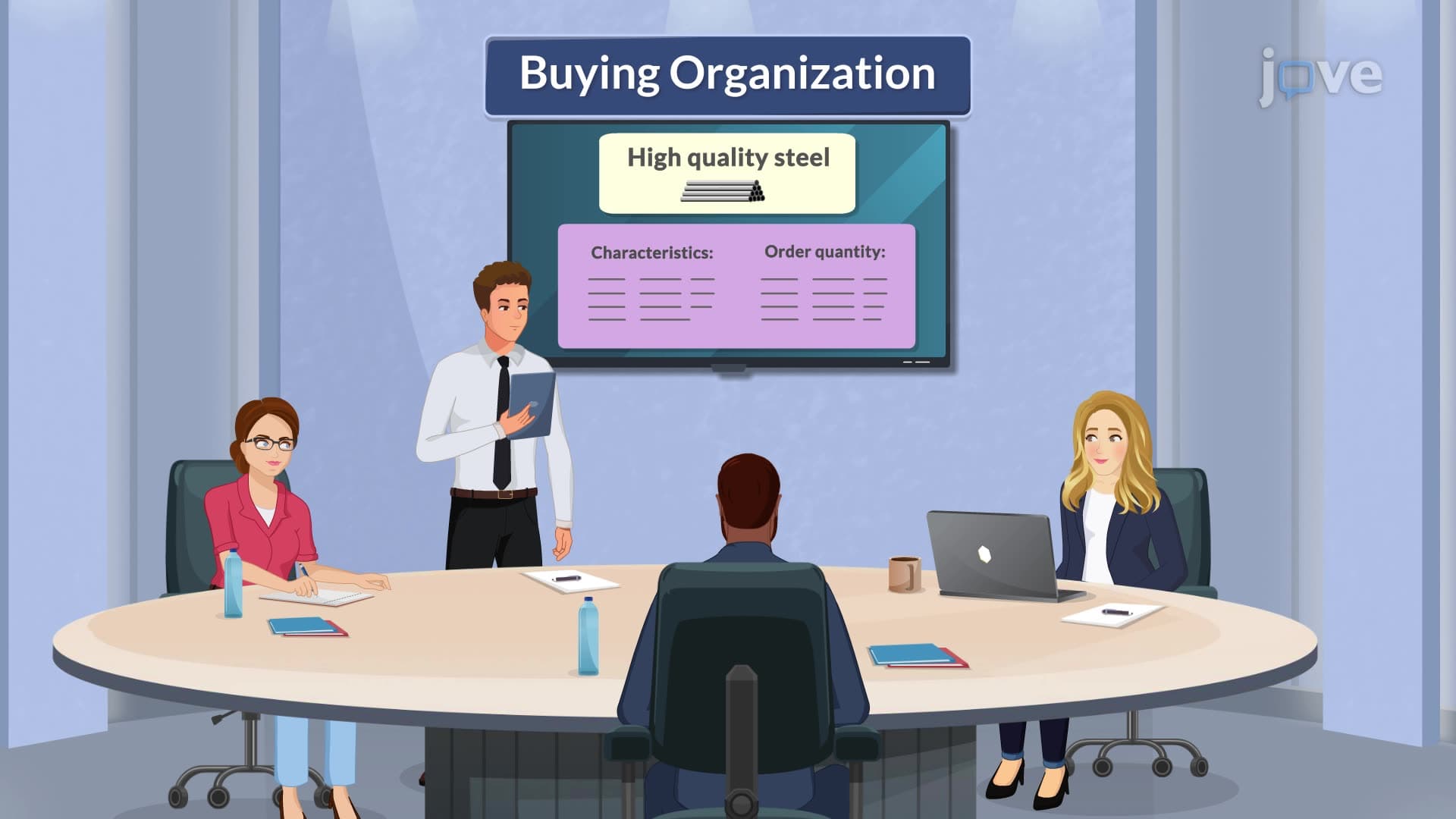
Organizational factors determine how companies structure their buying processes and allocate decision-making authority. Tesla's innovative culture drives aggressive adoption of cutting-edge manufacturing technologies, while traditional automotive companies like Ford maintain more conservative procurement approaches with extensive approval hierarchies. Company size influences buying behavior-startups make rapid purchasing decisions through small teams, while enterprises like IBM require cross-functional committee approvals that extend procurement cycles but ensure comprehensive risk assessment.
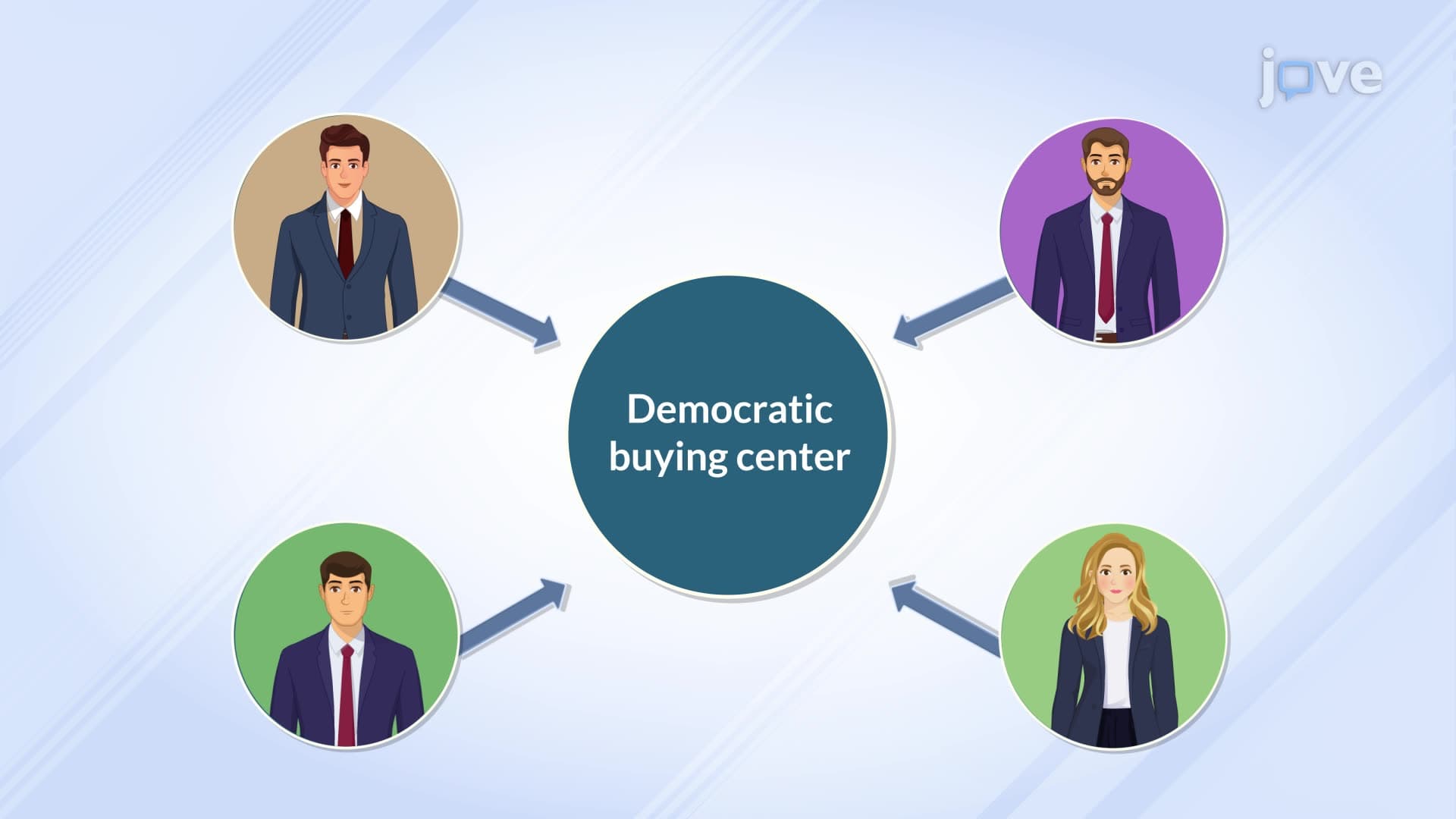
B2B purchases rarely involve single decision-makers. Instead, buying centers include influencers, users, gatekeepers, and ultimate decision authorities. At companies like Salesforce, technical teams evaluate software functionality, procurement manages vendor negotiations, finance approves budget allocations, and C-suite executives make final strategic decisions. Understanding these interpersonal dynamics helps suppliers navigate complex approval processes and build consensus among diverse stakeholder groups with competing priorities and success metrics.
Personal factors significantly impact professional purchasing decisions. Younger executives often champion innovative solutions and emerging technologies, while experienced managers may prioritize proven vendors with established support infrastructures. Educational backgrounds influence evaluation criteria-MBAs from top-tier schools like Wharton or Stanford often emphasize strategic fit and competitive advantage, while technical professionals focus on functionality and integration capabilities. Risk tolerance varies dramatically between individuals, affecting willingness to engage with startup vendors versus established market leaders.
Related Micro-courses