Loading subject page…


5,083 views

Video Summary: Marketing Strategies Specific to Capital Explained
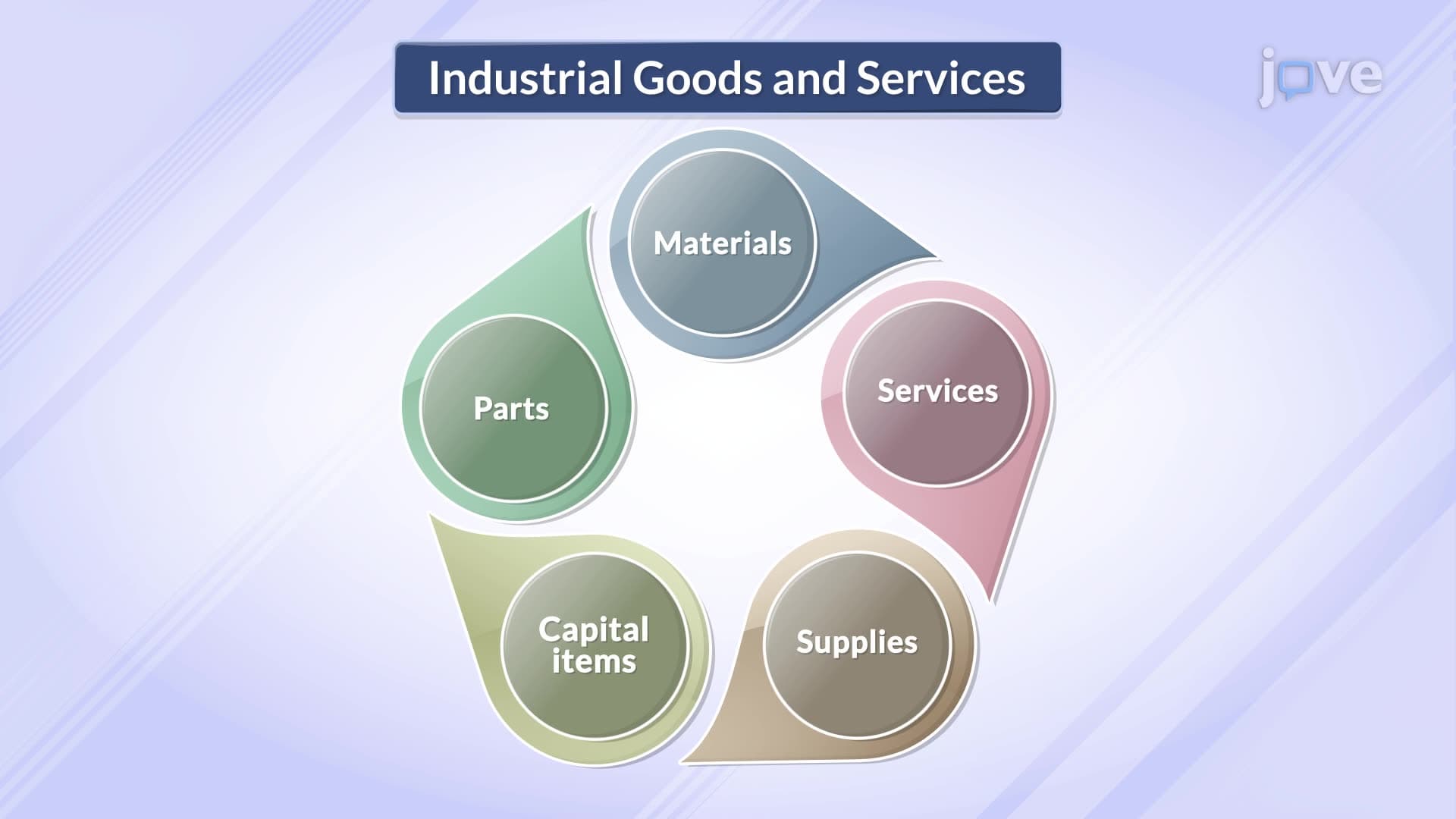
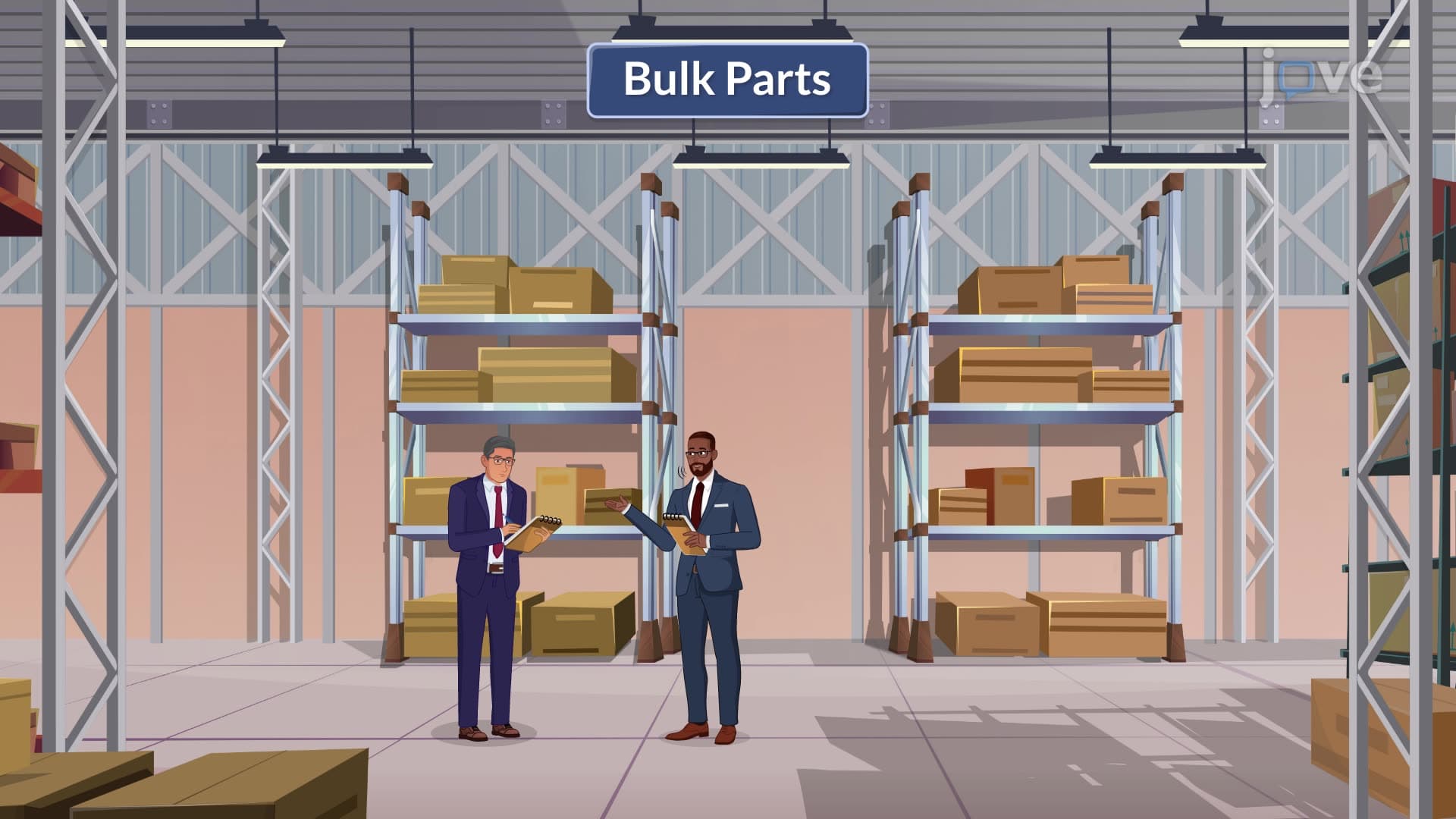
When Caterpillar sells a $2M excavator versus selling replacement filters, the marketing strategies specific to capital must fundamentally differ based on product characteristics and buyer behavior. Marketing strategies specific to capital explained reveals how B2B companies strategically align their go-to-market approach with capital goods versus supplies, from direct executive negotiations for heavy machinery to distributor networks for bulk parts. Understanding these strategic frameworks enables professionals to optimize sales channels, pricing models, and customer relationship investments for maximum ROI. Watch the full video on JoVE Coach to master this concept with expert-led visuals and step-by-step explanations.
When General Electric sells a $50M gas turbine to a utility company versus selling maintenance parts, the strategic approach must fundamentally shift. The complexity, cost, and strategic importance of capital goods demand marketing strategies that prioritize relationship depth over transaction volume. This strategic differentiation forms the foundation of effective B2B marketing in capital-intensive industries.
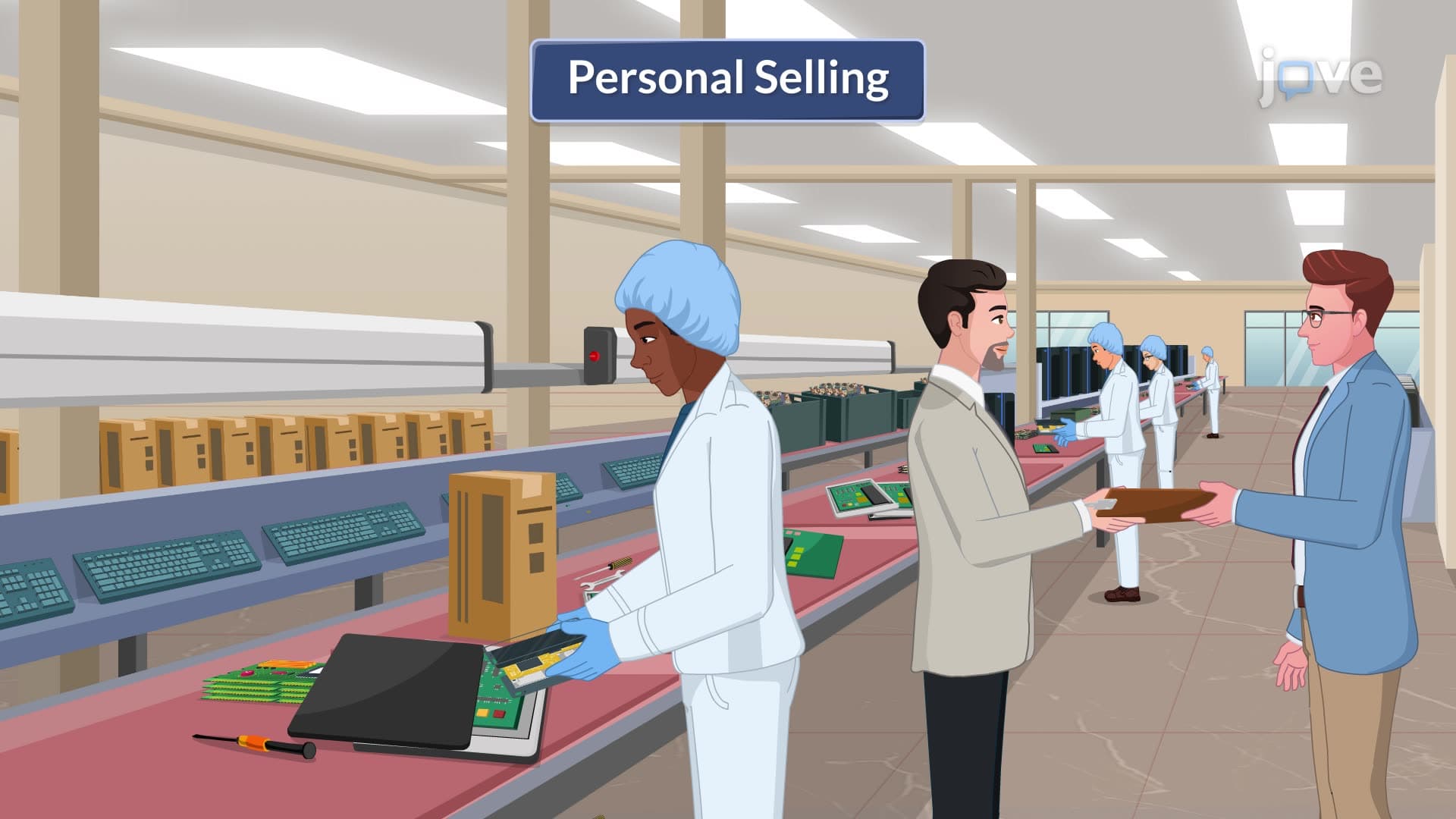
For heavy machinery and installations, companies like John Deere and Caterpillar employ sophisticated personal selling approaches that can span months or years. These marketing strategies specific to capital emphasize technical expertise, comprehensive service packages, and executive-level relationship building. The sales process involves multiple stakeholders, detailed ROI analysis, and often board-level approval. Direct selling becomes essential because intermediaries typically lack the technical knowledge and relationship capacity required for complex capital decisions.
Customized capital equipment demands even more intensive marketing approaches. When Boeing sells a commercial aircraft, the marketing process involves extensive customization discussions, financing arrangements, and long-term service agreements. The relationship often extends beyond the initial sale into decades-long partnerships encompassing maintenance, upgrades, and fleet management services.
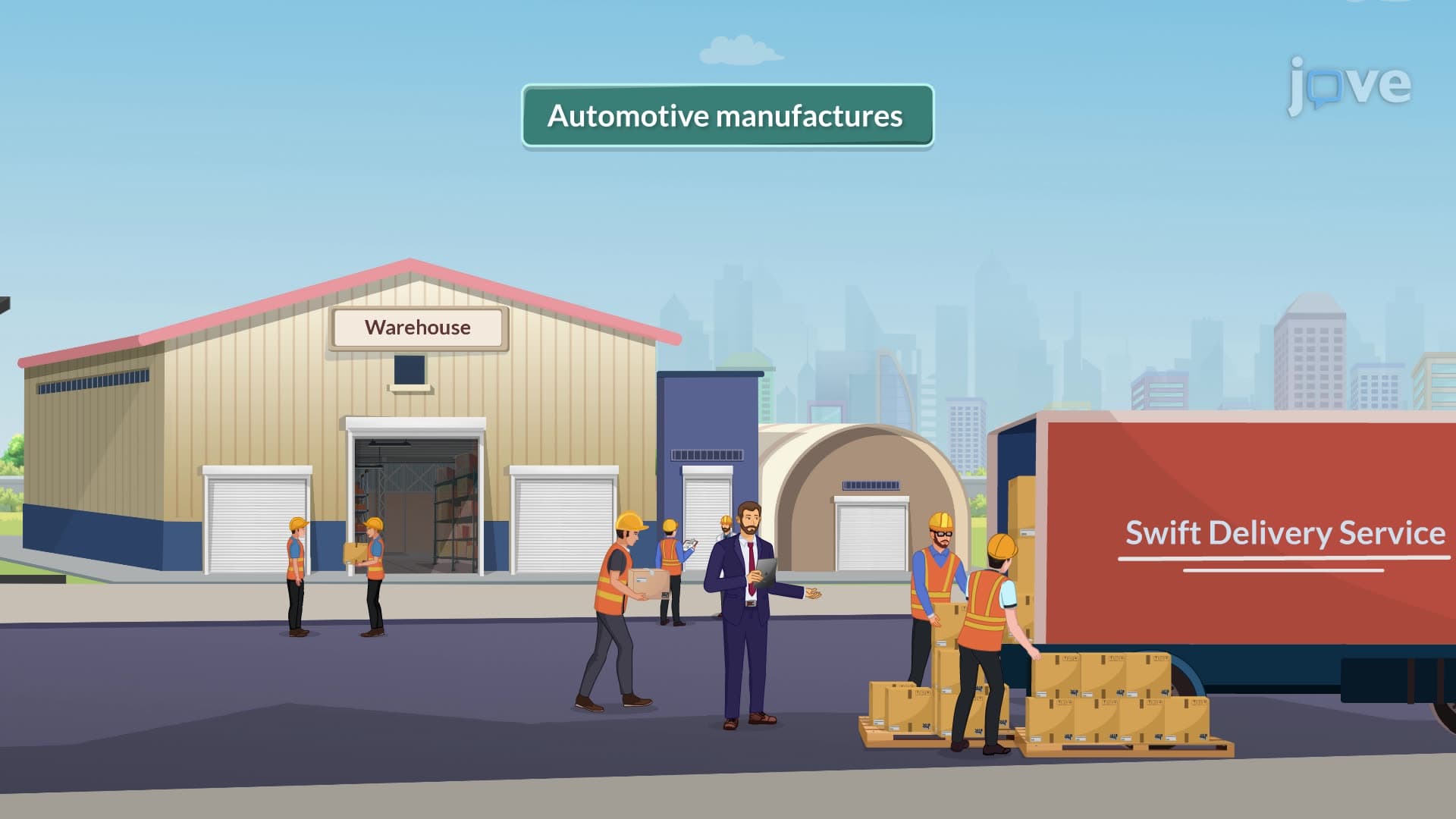
Component manufacturers like Intel or suppliers to automotive companies focus on reliability, quality consistency, and supply chain integration. These marketing strategies emphasize technical specifications, delivery reliability, and cost optimization. The relationship marketing approach centers on becoming an indispensable supply chain partner rather than merely a vendor. Personal selling remains important, but the focus shifts to operational efficiency and supply chain risk mitigation.
Office supplies, maintenance materials, and consumables require fundamentally different approaches. Companies like W.W. Grainger leverage digital platforms, catalog marketing, and distributor networks to achieve broad market reach efficiently. The marketing strategy emphasizes convenience, competitive pricing, and streamlined procurement processes. E-procurement integration and automated reordering systems become key differentiators in building customer loyalty and reducing acquisition costs.
Related Micro-courses