Loading subject page…


5,083 views


Video Summary: Model of Business Buyer Behavior Explained
The model business buyer behavior framework reveals why companies like Amazon Web Services secure multi-million-dollar enterprise contracts while competitors struggle. Understanding the model of business buyer behavior explained through environmental influences, organizational dynamics, and buyer responses gives professionals strategic advantages in B2B sales, procurement, and partnership decisions. This systematic approach shows how internal factors like budget constraints interact with external market pressures to drive purchasing decisions across Fortune 500 boardrooms. Watch the full video on JoVE Coach to master this concept with expert-led visuals and step-by-step explanations.
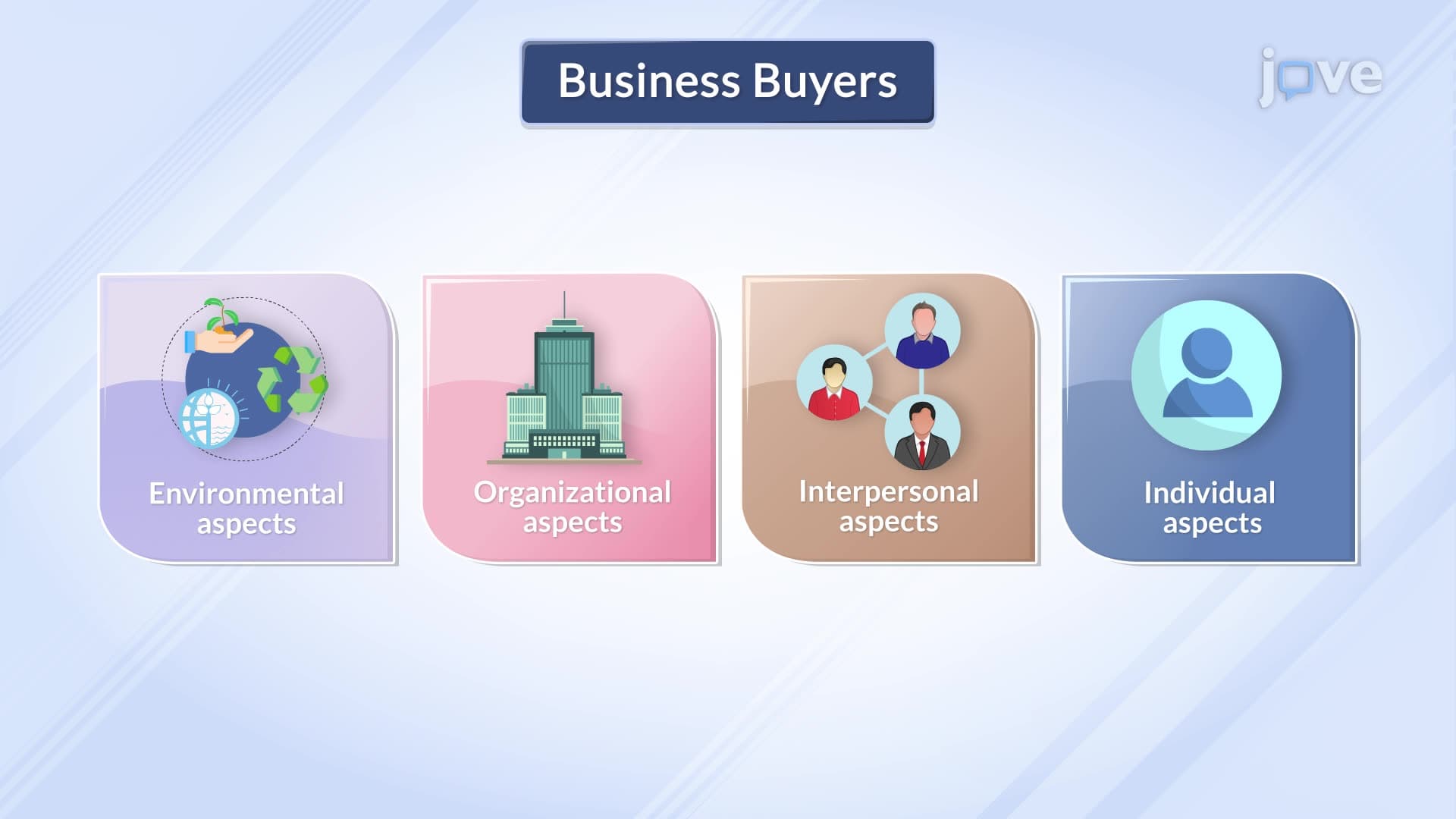
When Microsoft secured its $10 billion Pentagon cloud contract, it wasn't just about having superior technology-it demonstrated mastery of the business buyer behavior model. This framework explains how organizations make complex purchasing decisions by examining three interconnected components that drive every B2B transaction from software acquisitions to industrial equipment purchases.
The external environment creates the context for all business buying decisions. Marketing stimuli, economic conditions, technological advances, and competitive pressures form a complex web of influences that shape how organizations approach major purchases. For instance, the 2020 shift to remote work dramatically altered how companies evaluated collaboration software, with Zoom and Microsoft Teams benefiting from environmental changes that prioritized video conferencing capabilities.
Economic factors particularly drive buying behavior in capital-intensive industries. When Federal Reserve interest rates rise, manufacturing companies like Caterpillar often delay equipment purchases, while falling rates trigger investment cycles. Smart procurement professionals monitor these environmental signals to time major acquisitions strategically.
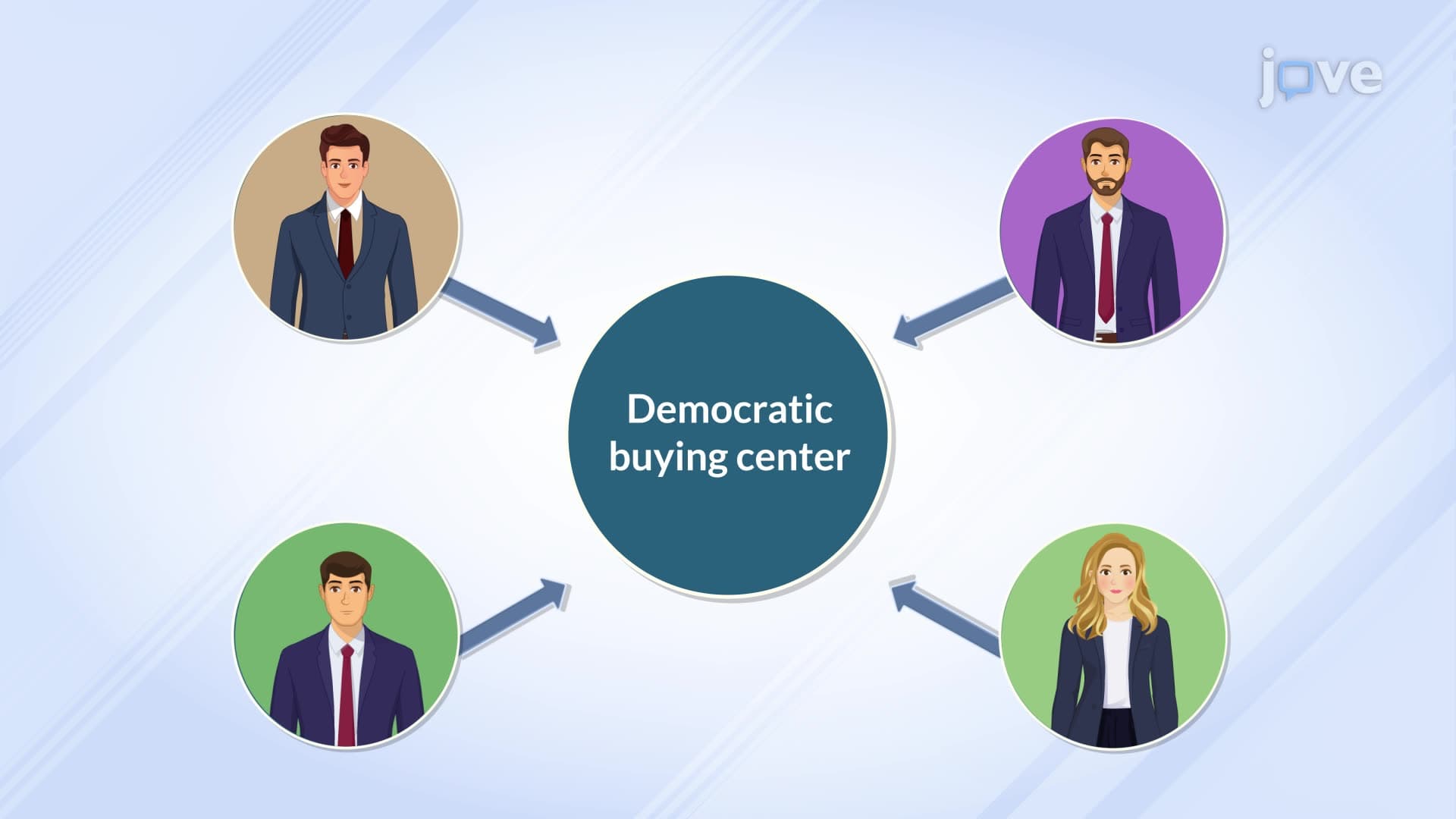
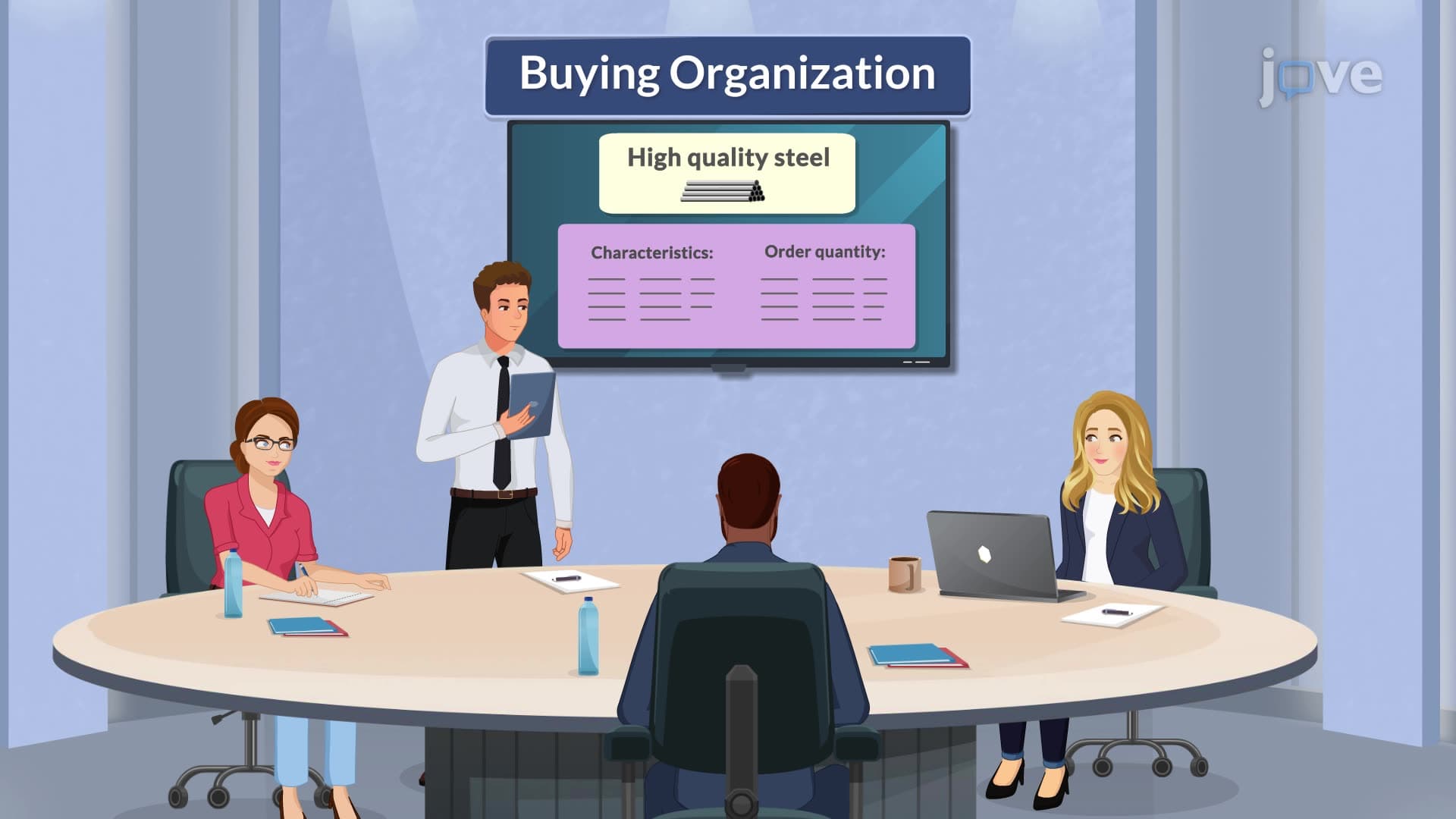
The buying organization component reveals why identical proposals receive different responses across companies. The buying center-comprising users, influencers, buyers, deciders, and gatekeepers-creates a complex decision-making matrix where technical specifications compete with budget constraints and political considerations.
Consider how enterprise software decisions unfold at companies like General Electric. IT directors influence technical requirements, CFOs control budget approvals, end-users determine functionality needs, and procurement teams negotiate contracts. Each stakeholder brings different priorities, creating opportunities for vendors who understand these internal dynamics.
The buying decision process follows predictable stages from problem recognition through vendor selection and performance evaluation. Successful business leaders map these stages to identify intervention points where strategic influence can shift outcomes.
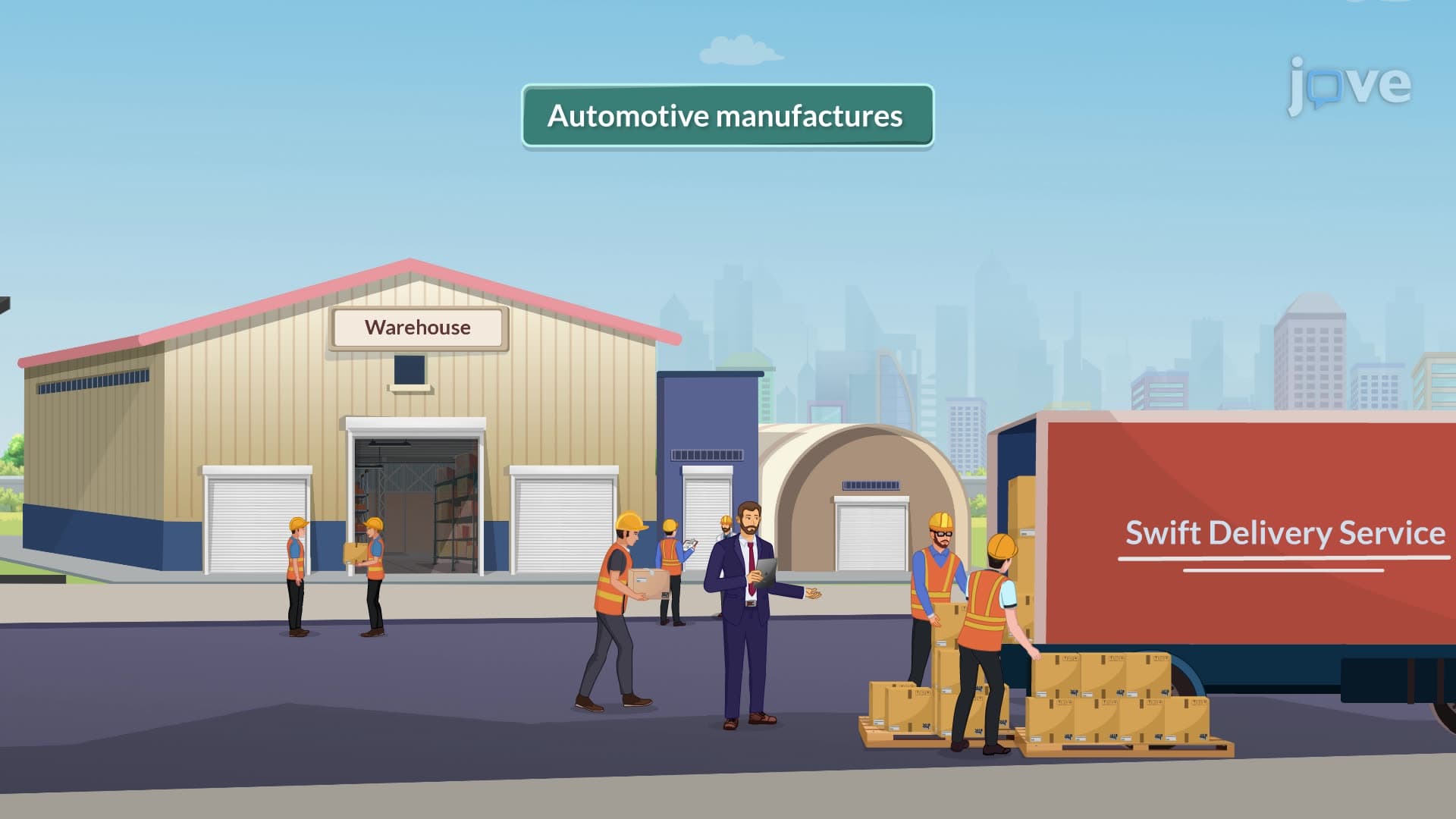
Buyer responses encompass not just which vendor wins, but also contract terms, implementation timelines, and ongoing relationship structures. These decisions reveal organizational priorities and future partnership opportunities. When companies choose premium suppliers despite higher costs, they're signaling that quality, reliability, or strategic alignment outweighs price considerations.
Related Micro-courses