Loading subject page…

- Marketing
- B2b Marketing
- Organization Culture and the Buying Process
Micro-course: B2B Marketing
5,083 views
Learn key concepts and earn your certificate.
















Organization Culture and the Buying Process

00:00
01:25
Video Summary: Organization Culture and the Buying Process Explained
When Amazon's procurement team makes billion-dollar vendor decisions, their organization culture buying process directly shapes whether choices happen through executive mandate or cross-functional consensus. Understanding how organization culture and the buying process explained through different decision-making styles-autocratic, democratic, consultative, and consensus-enables leaders to optimize purchasing strategies, reduce decision delays, and align procurement with company values. Watch the full video on JoVE Coach to master this concept with expert-led visuals and step-by-step explanations.
- Apply cultural assessment frameworks to identify your organization's dominant buying center style and optimize procurement workflows accordingly
- Evaluate when autocratic decisions accelerate critical purchases versus when democratic approaches improve stakeholder buy-in and implementation success
- Analyze decision-making bottlenecks in your current procurement process to determine if cultural misalignment is causing delays or poor vendor relationships
- Implement consultative buying approaches for complex technology purchases where subject matter expertise from multiple departments drives better ROI
- Compare consensus-building strategies against speed-to-market requirements to balance thorough vetting with competitive timing pressures
- Leverage organizational culture insights to predict and influence how purchasing committees will respond to vendor proposals and budget requests
- Identify cultural red flags in cross-functional buying centers that signal potential conflicts between departments during major procurement initiatives
- Assess vendor alignment with your company's cultural values to ensure long-term partnership success beyond initial contract negotiations
Understanding Organization Culture and the Buying Process Framework
When Microsoft restructured its procurement strategy in 2018, the company recognized that their engineering-driven culture required buying processes that balanced technical expertise with collaborative input. This insight reflects a fundamental business principle: successful procurement isn't just about finding the best vendor-it's about aligning purchasing decisions with organizational DNA.
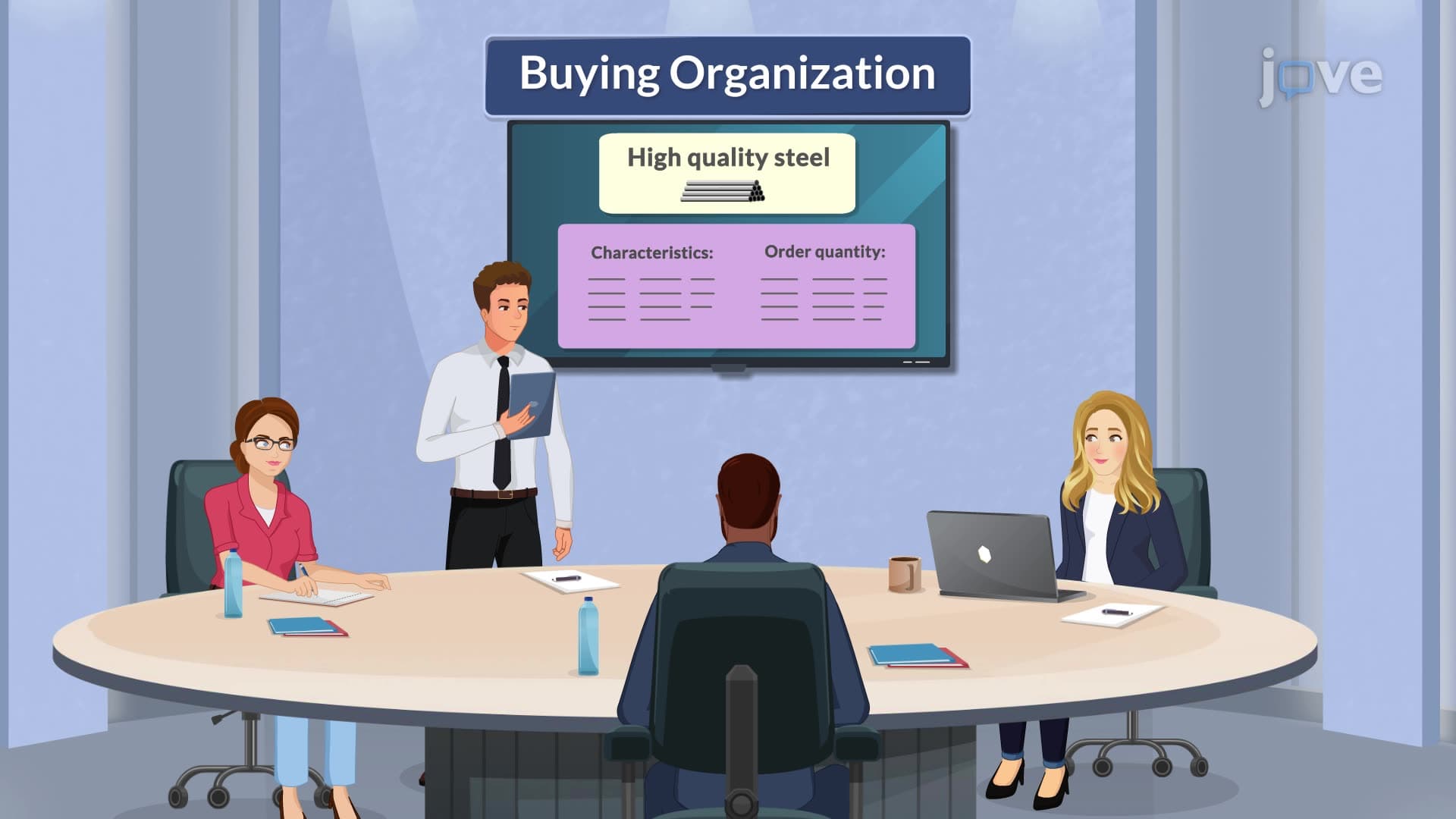
The organization culture buying process concept explains how company values, traditions, and operational norms directly influence procurement decision-making styles. This framework helps business leaders optimize their buying centers for both efficiency and cultural fit.
Four Strategic Buying Center Models
Autocratic buying centers excel in crisis situations where speed and expertise trump consensus. When Equifax faced their 2017 data breach, cybersecurity decisions required immediate executive action without lengthy committee reviews. This model works best for: urgent technology implementations, compliance-driven purchases, and situations where specialized knowledge outweighs collaborative input.
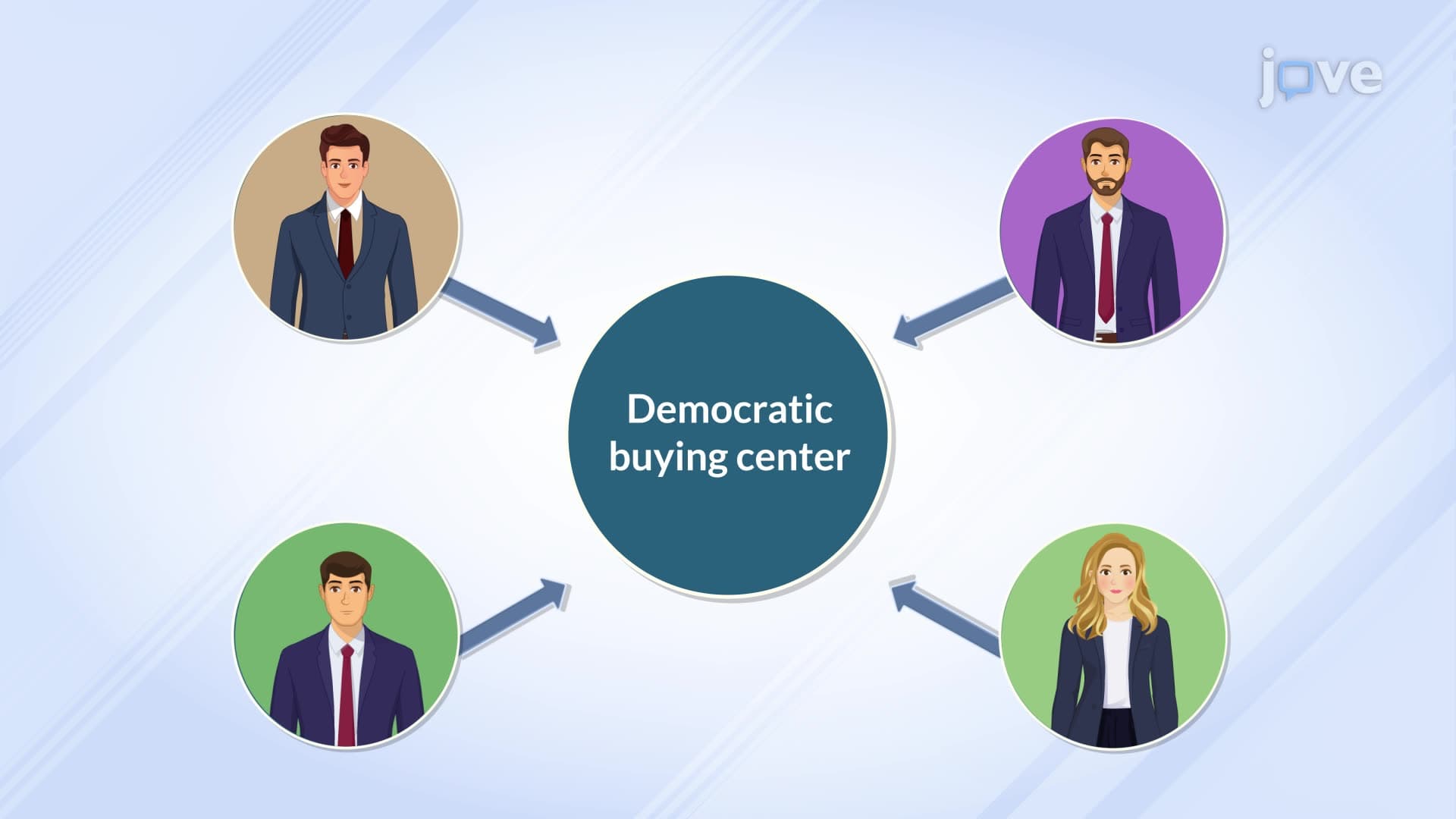
Democratic buying centers leverage collective wisdom for decisions affecting multiple stakeholders. Target's inventory management system selection involves store managers across regions because implementation success depends on field-level adoption. This approach suits: software rollouts, policy changes affecting multiple departments, and purchases where user acceptance drives ROI.
Consultative buying centers combine executive authority with expert input. When JPMorgan Chase evaluates trading platform upgrades, the CTO makes final decisions after consulting risk management, compliance, and trading desk leaders. This model optimizes: complex technology purchases, regulatory compliance tools, and strategic vendor partnerships requiring specialized knowledge.
Consensus buying centers ensure unanimous support before major commitments. Tesla's executive team historically required agreement on supply chain partnerships because automotive manufacturing depends on synchronized operations across engineering, production, and quality control.
Strategic Implementation for Business Leaders
Successful procurement leaders assess their organization's cultural profile before structuring buying committees. Companies with hierarchical cultures may struggle with consensus models, while flat organizations might resist autocratic approaches. The key is matching decision-making style to both cultural norms and purchase complexity.
Smart organizations also adapt their buying center model based on purchase type and market conditions. Emergency situations call for autocratic speed, while strategic partnerships benefit from consultative expertise and democratic buy-in.
Frequently Asked Questions
Organization culture buying process refers to how a company's values and traditions shape procurement decision-making styles through different buying center approaches. It matters because misaligned purchasing processes create delays, stakeholder conflicts, and poor vendor relationships that impact bottom-line results. Companies with clear cultural alignment in procurement see 23% faster implementation times and higher vendor satisfaction scores.
Assess your company's communication patterns, hierarchy levels, and past successful decisions to identify natural tendencies. Autocratic suits crisis-driven or highly specialized firms, democratic works for collaborative cultures, consultative fits expert-heavy organizations, and consensus serves partnership-focused companies. Most organizations actually use hybrid approaches depending on purchase complexity and stakeholder impact.
Override cultural defaults when purchase urgency, complexity, or stakeholder impact demands it. Use autocratic approaches for crisis situations regardless of culture, employ consensus for decisions affecting company strategy, and apply consultative methods when technical expertise outweighs cultural preferences. Smart leaders explain these exceptions to maintain cultural trust while optimizing outcomes.
Walmart's cost-leadership culture drives highly systematic, data-driven buying processes that prioritize efficiency and vendor negotiations over consensus-building. Their procurement teams use consultative approaches for complex technology purchases but maintain autocratic speed for routine inventory decisions. This cultural alignment enables their famous supply chain efficiency and vendor relationship management at scale.
No extensive procurement background is required, but understanding your organization's decision-making patterns helps significantly. Focus on observing how your company currently makes important decisions, identifying stakeholder influence patterns, and matching buying processes to cultural comfort zones. Most successful implementations start with small pilot purchases before scaling to major procurement initiatives.
Leaders who optimize procurement through cultural alignment demonstrate strategic thinking, cross-functional leadership, and operational excellence that senior management values. These skills translate directly to budget management, vendor relationship building, and change management capabilities that accelerate promotion opportunities. Many executives cite procurement optimization as key experience for C-suite advancement.
Explore vendor relationship management, strategic sourcing frameworks, and cross-functional team leadership to build comprehensive procurement expertise. Understanding stakeholder analysis, change management principles, and supply chain risk assessment also enhances your ability to lead complex organizational buying decisions effectively.
Related Micro-courses

15 Concepts

10 Concepts

12 Concepts