Loading subject page…

- Marketing
- B2b Marketing
- Institutional Markets
Micro-course: B2B Marketing
5,083 views
Learn key concepts and earn your certificate.




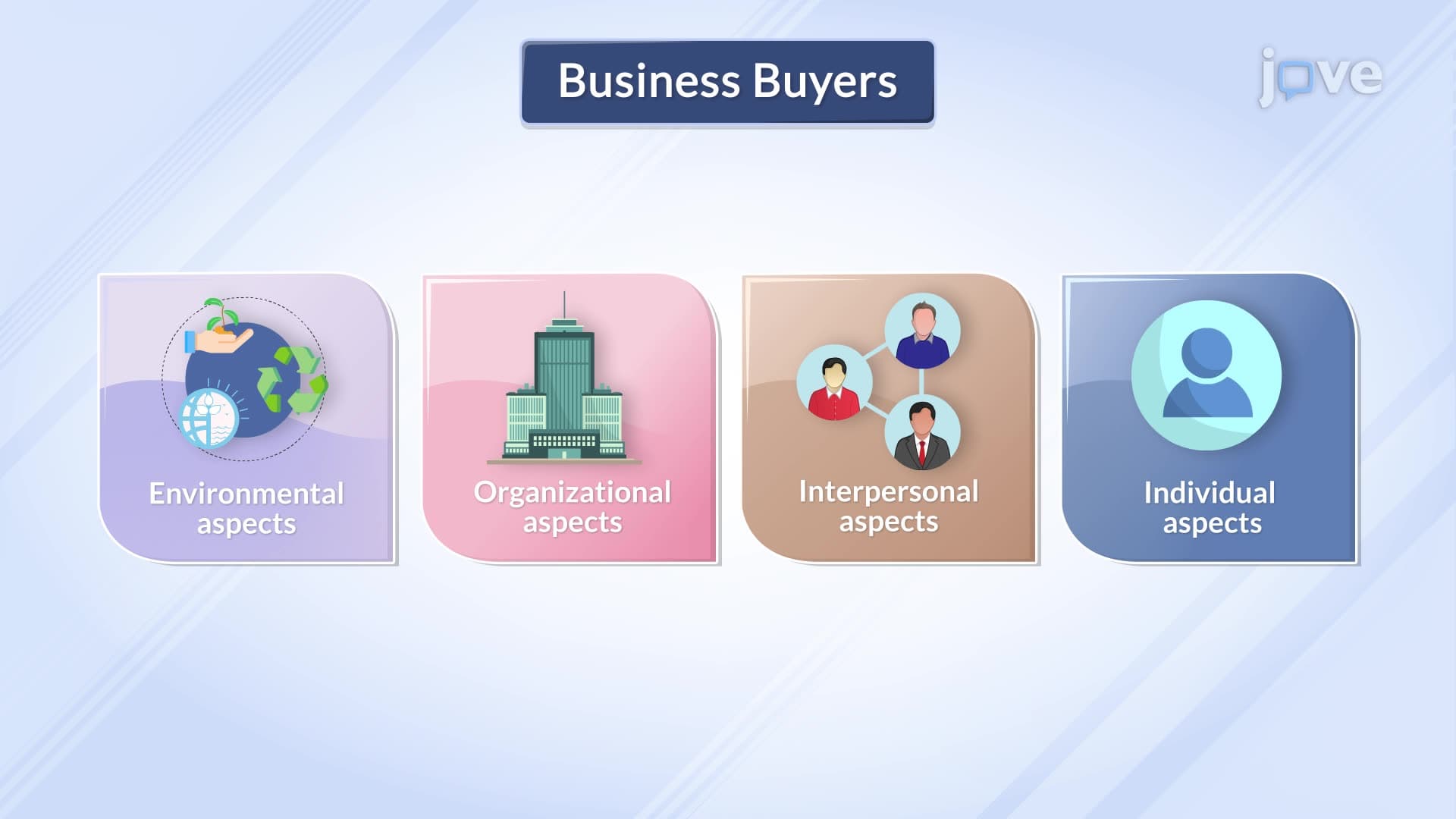


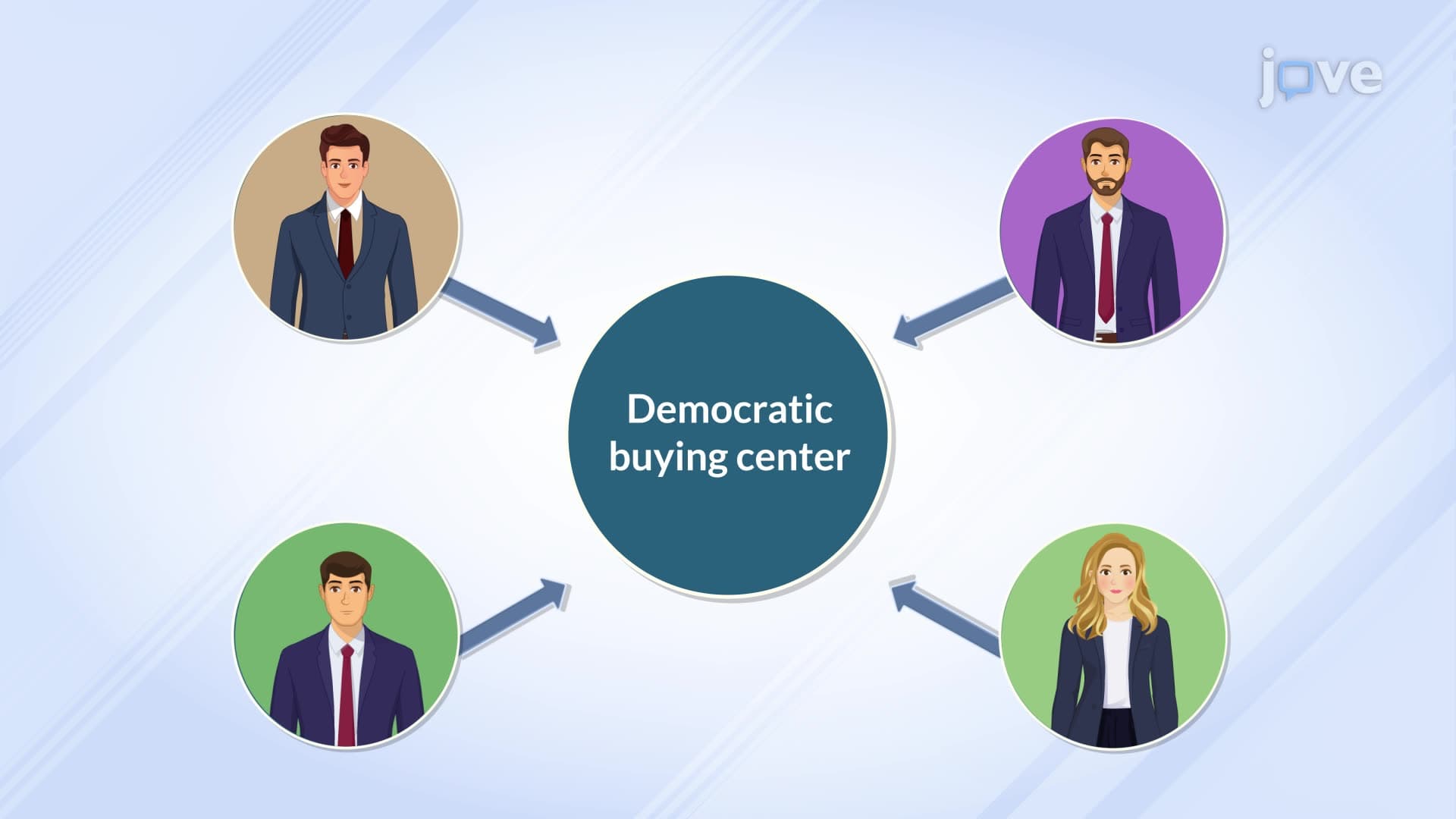

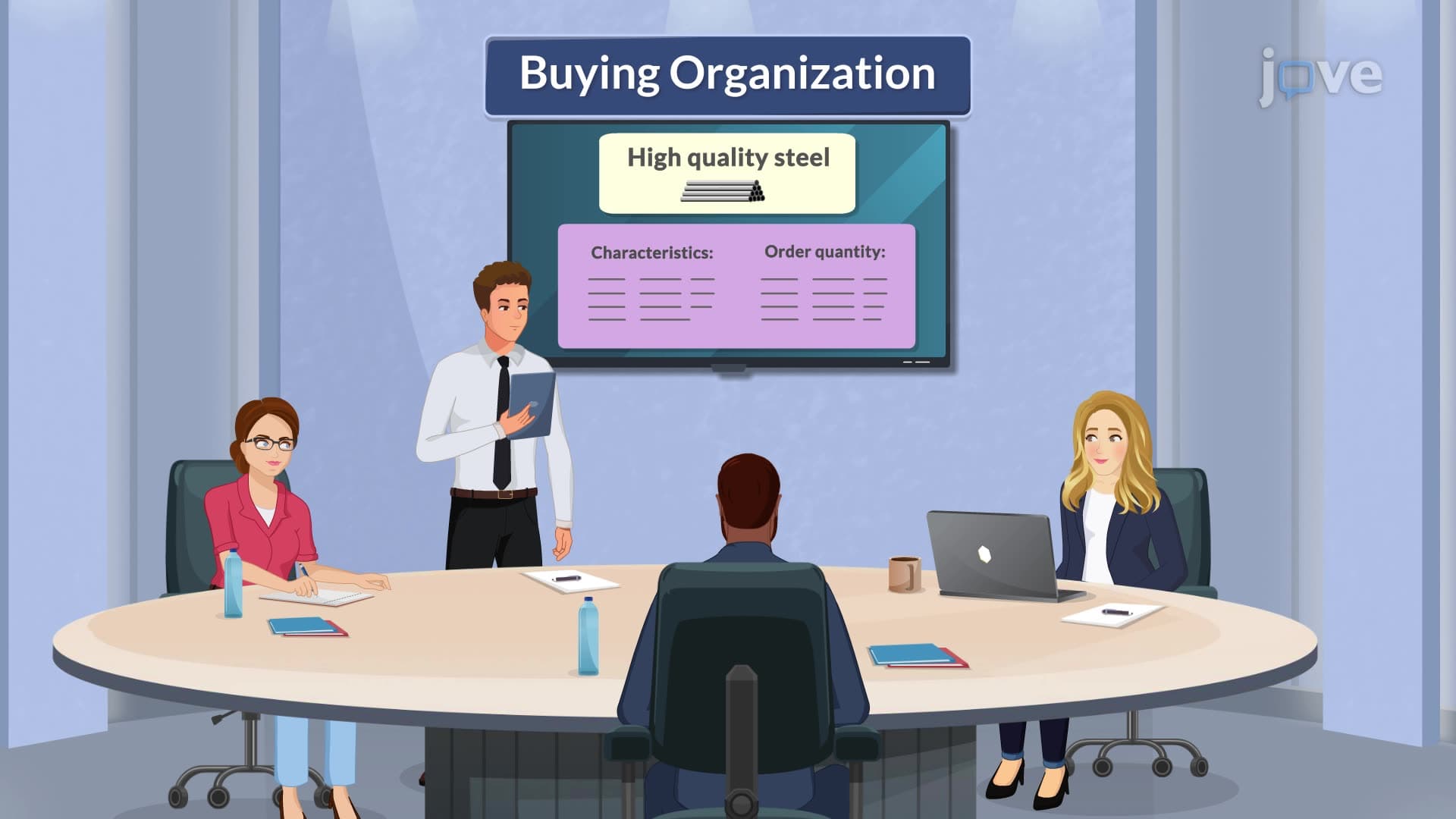








Institutional Markets

00:00
01:29
Video Summary: What are Institutional Markets
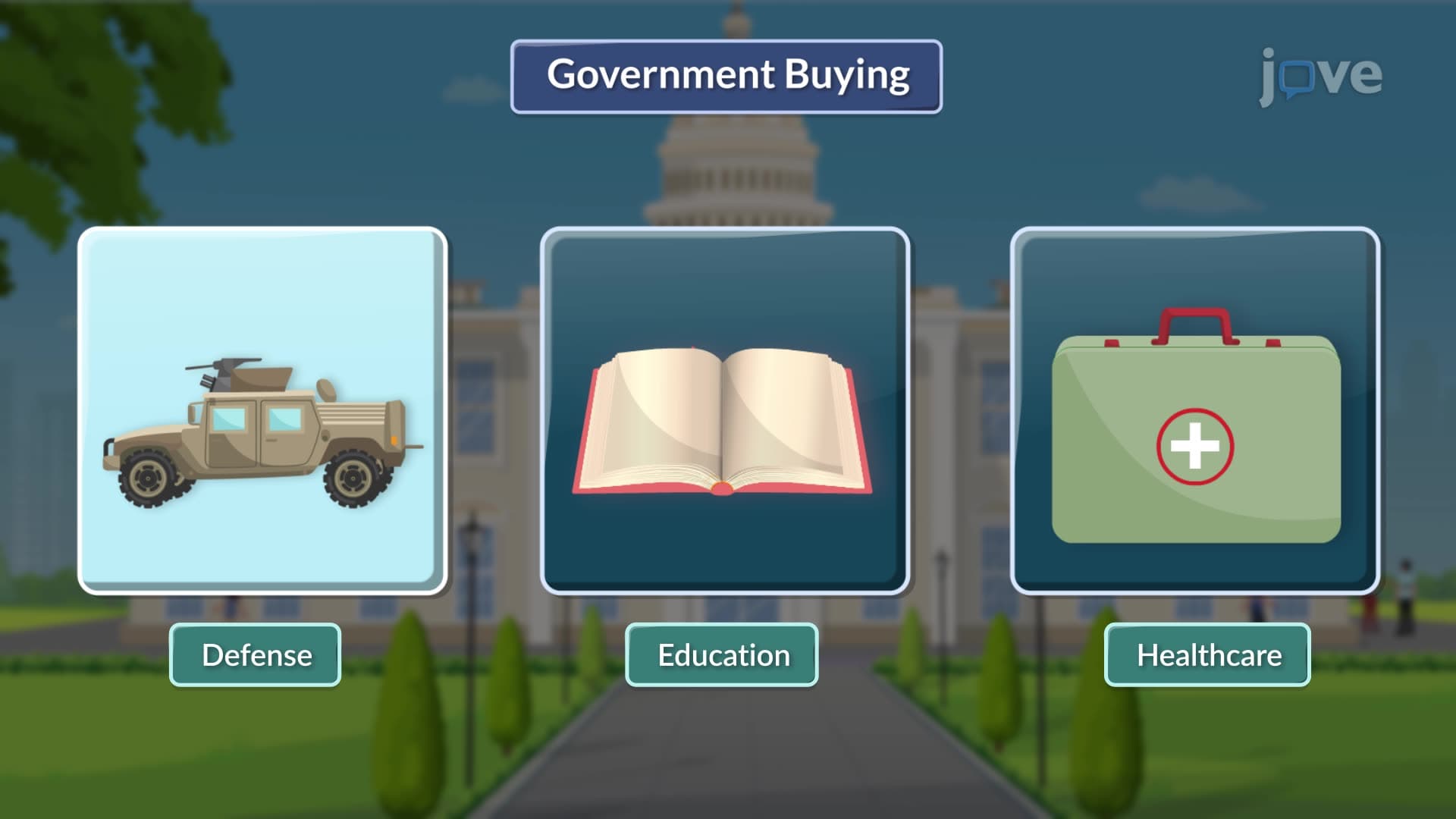
Understanding institutional markets becomes crucial when B2B sales professionals discover that government agencies, healthcare systems, and educational institutions control over $2 trillion in annual procurement spending nationwide. These institutional markets represent a complex ecosystem where organizations like Kaiser Permanente, the Department of Veterans Affairs, and major university systems operate under unique purchasing constraints driven by regulations, funding structures, and multi-stakeholder decision processes. Unlike traditional corporate buyers, institutional purchasers prioritize long-term supplier relationships, compliance adherence, and cost-effectiveness over quick transactions. Watch the full video on JoVE Coach to master this concept with expert-led visuals and step-by-step explanations.
- Apply targeted marketing strategies that address both professional staff requirements and procurement department compliance needs within institutional environments
- Evaluate the impact of political and legal regulations on purchasing decisions, particularly when selling to government-managed versus privately-operated institutions
- Analyze complex multi-stakeholder buying processes to identify key decision influencers and streamline your sales approach
- Implement digital procurement solutions and e-commerce platforms to meet institutional buyers' preference for structured, auditable purchasing systems
- Leverage supply chain management insights to position your products as cost-control and efficiency-enhancement solutions for large institutional buyers
- Identify funding source variations across institutional types to tailor pricing strategies and payment terms appropriately
- Assess long-term relationship potential with institutional clients to maximize lifetime customer value and reduce acquisition costs
- Compare government-operated institutions' regulatory constraints with privately-managed institutions' operational flexibility when developing account strategies
Understanding Institutional Markets in Today's Economy
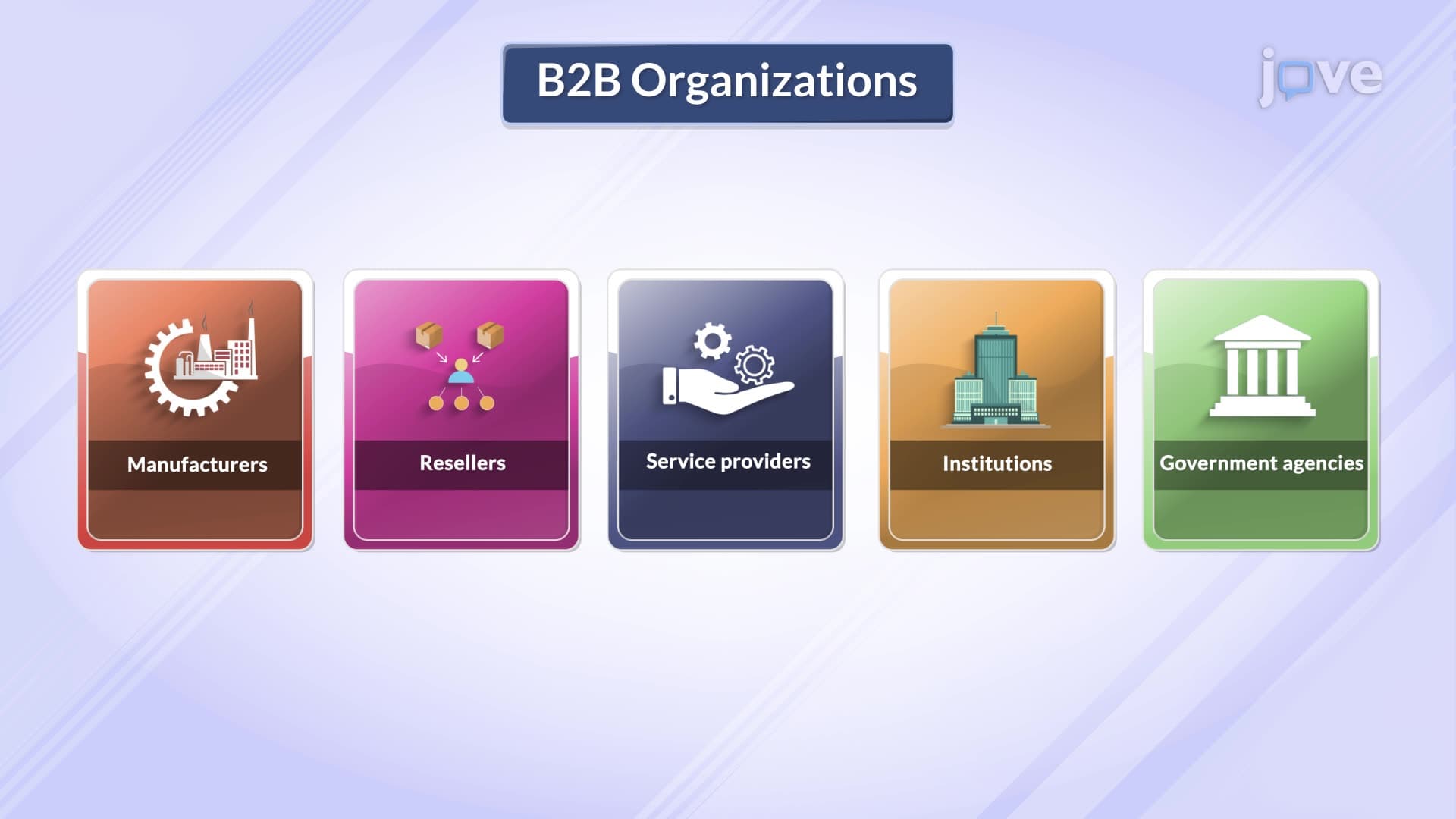
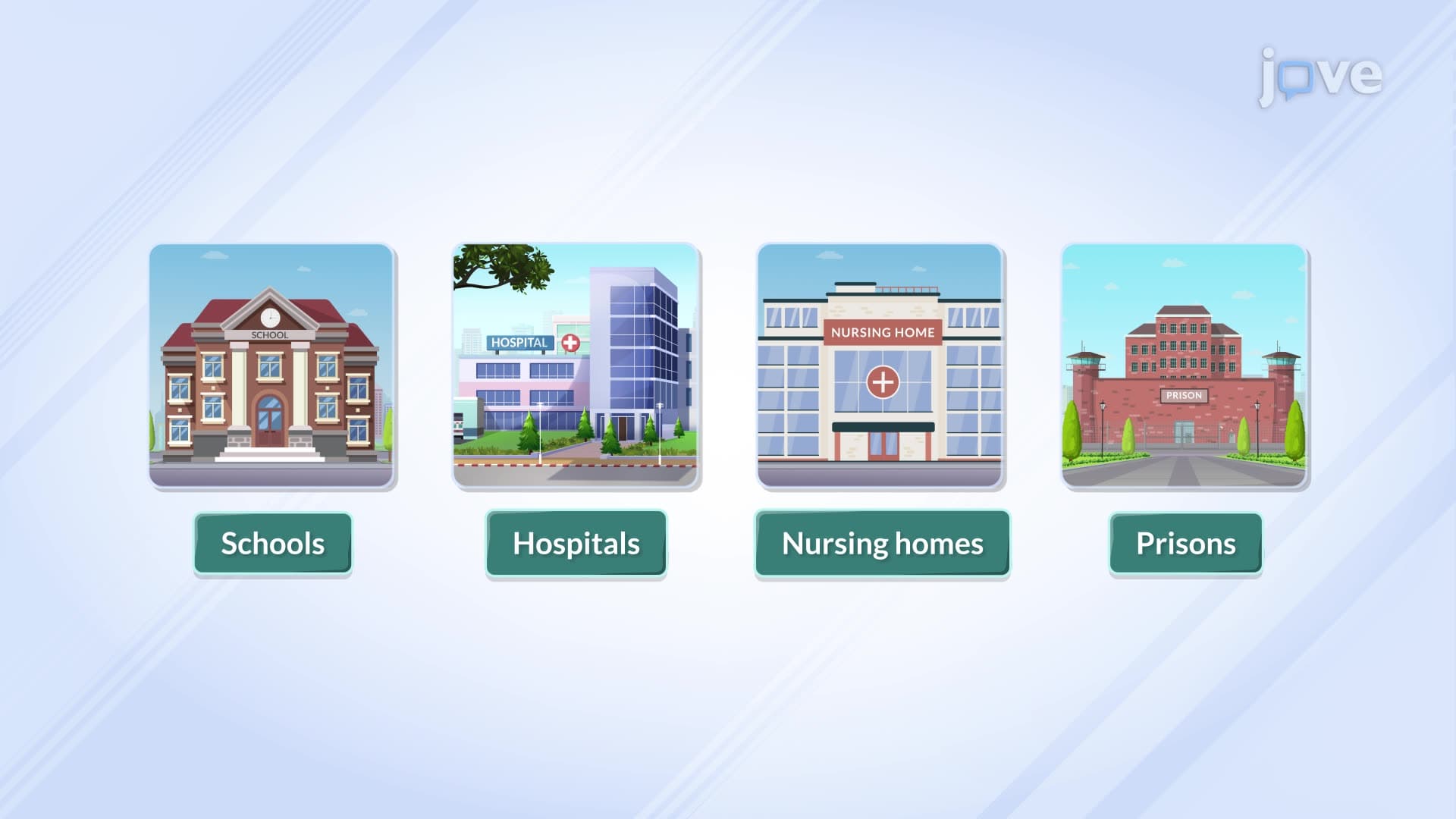
Consider this scenario: Your company just received an RFP from a major health system worth $50 million over three years, but the procurement process involves 12 stakeholders, requires compliance with federal regulations, and demands a six-month implementation timeline. This exemplifies the complexity and opportunity within institutional markets-a sector encompassing schools, hospitals, government agencies, and correctional facilities that collectively spend trillions annually on goods and services.
Distinctive Characteristics of Institutional Buyers
Institutional markets operate fundamentally differently from traditional B2B corporate markets. Where private companies prioritize ROI and competitive advantage, institutions focus on compliance, accountability, and mission fulfillment. Take the Veterans Affairs health system, America's largest integrated healthcare network-their purchasing decisions must balance cost-effectiveness with veteran care quality while adhering to federal procurement regulations. This creates longer sales cycles but often results in higher-value, more stable customer relationships.
The funding mechanisms also differentiate institutional markets significantly. Public universities rely on state appropriations and federal grants, creating budget constraints tied to political cycles. Meanwhile, private healthcare systems like HCA Healthcare operate more like corporations, allowing greater procurement flexibility. Understanding these funding dynamics enables more effective pricing and payment term strategies.
Strategic Approaches for Institutional Market Success
Successful institutional market penetration requires specialized organizational capabilities. Companies like Johnson & Johnson have developed dedicated institutional sales teams that understand regulatory environments, procurement processes, and stakeholder dynamics across different institutional types. These teams recognize that selling to institutions often means satisfying both end-users (doctors, teachers, administrators) and procurement professionals simultaneously.
Digital transformation has revolutionized institutional purchasing, with organizations increasingly adopting e-procurement platforms and supply chain management systems. Companies that provide integrated digital catalogs, automated ordering systems, and compliance tracking tools gain significant competitive advantages. This shift particularly benefits institutions managing complex inventories, such as large hospital systems coordinating supplies across multiple facilities.
Competitive Implications and Market Positioning
The institutional market's emphasis on long-term relationships creates both opportunities and challenges. Once established, supplier relationships tend to be sticky due to switching costs, integration complexity, and risk aversion. However, initial market entry requires substantial investment in relationship building, compliance understanding, and process customization. Companies must balance the higher customer acquisition costs against the potential for multi-year contracts and predictable revenue streams.
Frequently Asked Questions
Institutional markets encompass organizations like hospitals, schools, government agencies, and correctional facilities that purchase goods and services for operational rather than resale purposes. These buyers operate under unique constraints including regulatory compliance, multi-stakeholder approval processes, and mission-driven rather than profit-driven decision-making. They typically seek long-term supplier relationships and prioritize reliability over lowest initial cost.
Focus on compliance, risk mitigation, and total cost of ownership rather than pure ROI metrics. Prepare materials addressing regulatory requirements, implementation timelines, and stakeholder concerns across different departments. Include case studies from similar institutions and emphasize your company's track record with institutional clients. Be ready to discuss contract terms that accommodate institutional budgeting cycles and procurement policies.
Map all stakeholders early, identifying both formal decision-makers and informal influencers within different departments. Develop tailored messaging for each group-technical specifications for end-users, compliance documentation for procurement, and budget impact analysis for finance teams. Create consensus-building materials that help internal champions advocate for your solution across departments.
Sysco Corporation built its institutional foodservice dominance by creating specialized divisions for healthcare, education, and government clients. Each division understands sector-specific regulations, dietary requirements, and procurement processes. Their healthcare division, for instance, provides nutrition analysis software and menu planning tools that help hospitals meet patient care standards while managing food costs-addressing both operational and compliance needs simultaneously.
While helpful, sector-specific experience isn't mandatory if you understand fundamental institutional market dynamics. Focus on learning procurement regulations, budget cycles, and stakeholder structures relevant to your target institutions. Many successful institutional salespeople transition from corporate sales by developing expertise in compliance requirements and relationship management across multiple organizational levels.
Institutional market expertise opens doors to high-value, long-term client relationships that provide stable revenue streams and career advancement opportunities. These skills are particularly valuable as more companies recognize institutions' growing purchasing power and seek specialized talent to capture this market share. Many senior sales leaders and business development executives built their careers on institutional market success.
Dive deeper into government contracting procedures, healthcare supply chain management, and educational technology procurement processes. Understanding B2B relationship marketing, consultative selling techniques, and public sector budget cycles will enhance your institutional market effectiveness and open additional career opportunities in specialized industries.
Related Micro-courses

15 Concepts

10 Concepts
12 Concepts