Loading subject page…


5,083 views

Video Summary: What are Types of B2b Organizations
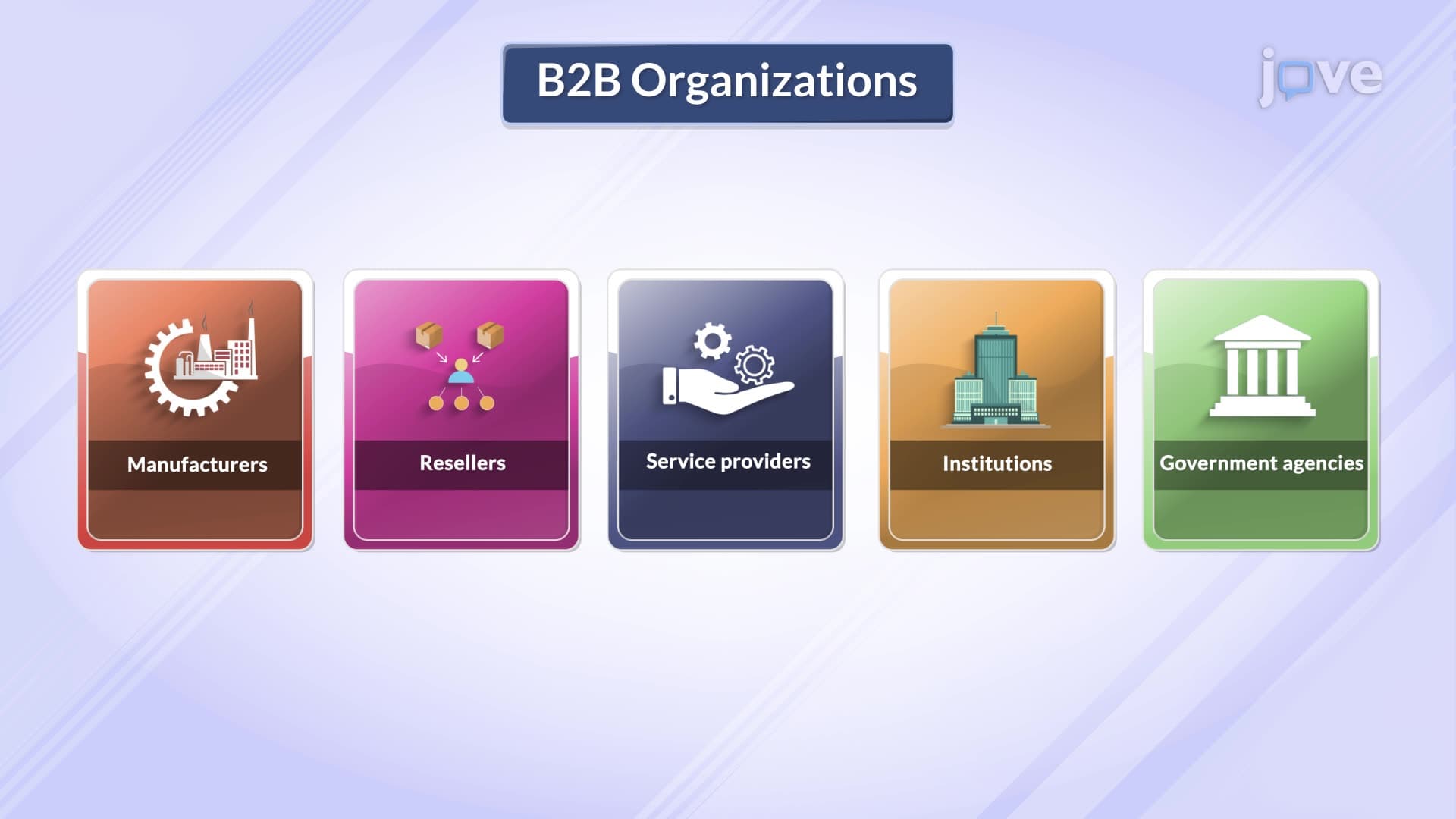
Understanding the types of B2B organizations is critical when developing market entry strategies, evaluating supply chain partnerships, or making procurement decisions. Companies like General Electric demonstrate how manufacturers operate across multiple B2B segments, from aerospace to healthcare equipment. The five primary types of B2B organizations-manufacturers, resellers, service providers, institutions, and government agencies-each present distinct buying patterns, decision-making processes, and revenue opportunities that directly impact your business strategy and competitive positioning. Watch the full video on JoVE Coach to master this concept with expert-led visuals and step-by-step explanations.
When Lockheed Martin secured a $7.3 billion contract with the Pentagon, it highlighted the massive scale and complexity of government B2B procurement-just one of five distinct organizational types that drive the $6 trillion B2B marketplace. For executives and managers, understanding these organizational categories isn't academic theory; it's essential intelligence for market positioning, partnership development, and revenue growth strategies.
Manufacturers represent the foundation of B2B commerce, transforming raw materials into finished goods for business customers. Companies like General Electric exemplify this category's complexity, operating across aerospace (jet engines for Boeing), healthcare (MRI machines for hospitals), and energy (turbines for utilities). Manufacturing organizations typically feature longer sales cycles, technical decision-making committees, and substantial capital expenditure budgets. Their procurement processes often involve detailed specifications, quality certifications, and multi-year contracts that can make or break supplier relationships.
Reseller organizations like Sysco demonstrate how distribution companies create value beyond simple product movement. With $68 billion in annual revenue, Sysco doesn't just deliver food products-they provide inventory management, menu consulting, and supply chain optimization for restaurant chains and institutional kitchens. Service providers like Accenture operate differently, selling expertise and solutions rather than tangible products. These organizations often feature consultative selling approaches, outcome-based pricing models, and relationship-driven business development strategies.
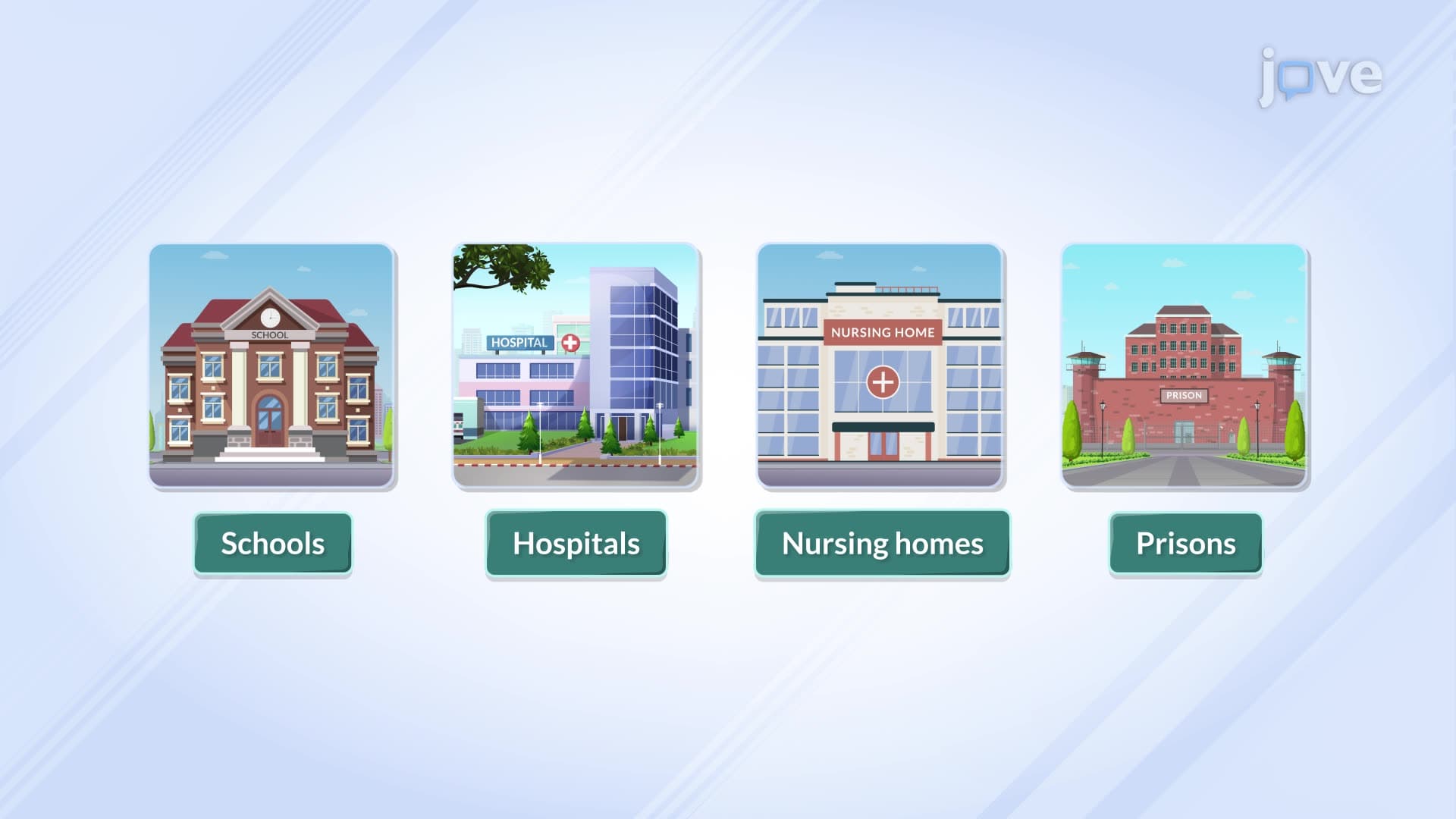
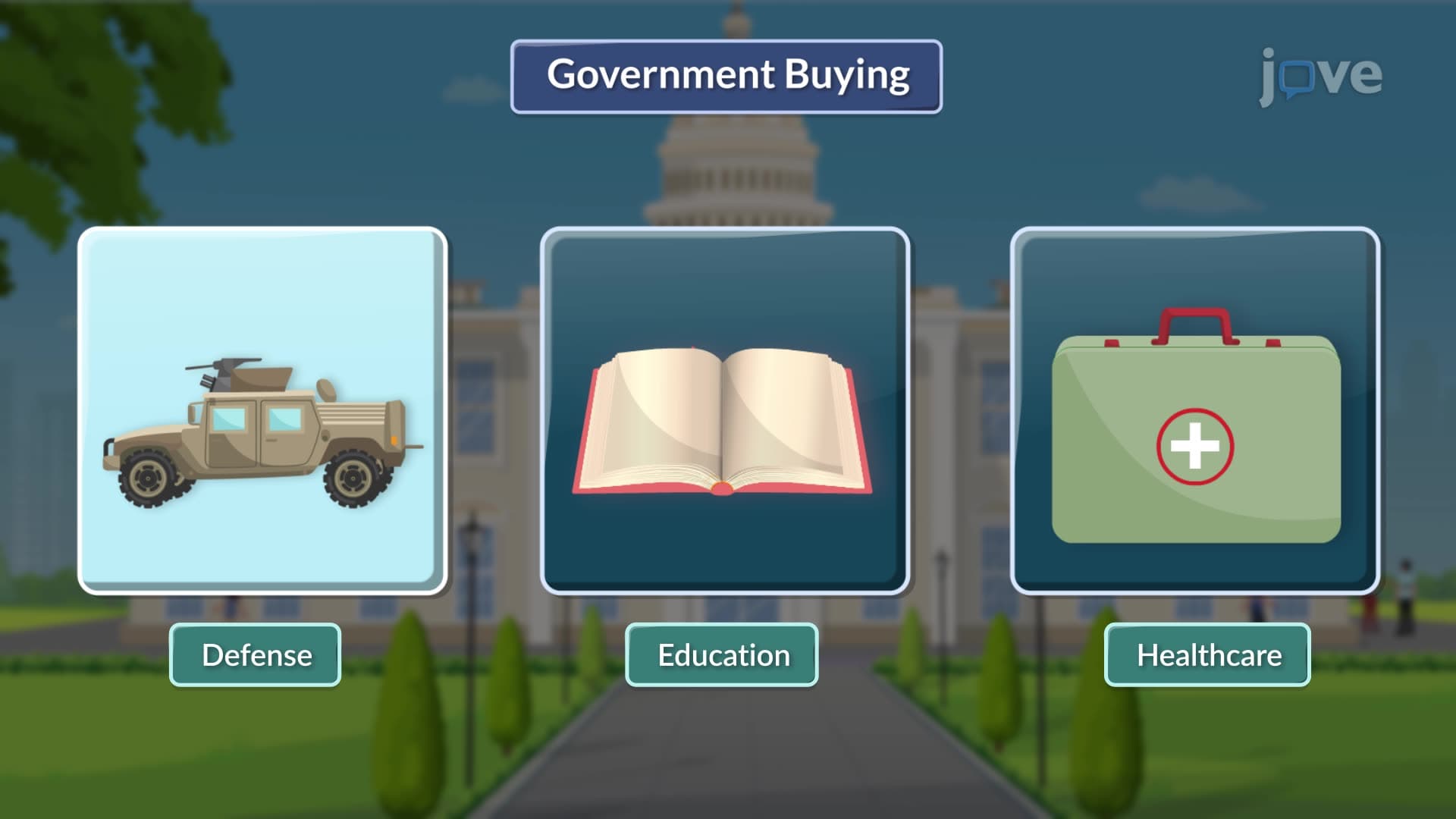
Institutional buyers-including healthcare systems like Kaiser Permanente, educational institutions like the University of California system, and nonprofits-offer unique B2B opportunities characterized by budget cycles, committee-based purchasing, and social responsibility considerations. Government agencies represent the largest single customer category, with federal procurement alone exceeding $630 billion annually. Companies like McKesson Corporation have built entire business models around serving these markets, developing specialized compliance capabilities, security clearances, and relationship management approaches that create sustainable competitive advantages.
Related Micro-courses