Loading subject page…


5,084 views


Video Summary: What are Types of Decisions And
Understanding the various types decisions that drive organizational success has become critical as Fortune 500 companies like General Electric navigate complex market disruptions and technological shifts. Business leaders must master different decision-making frameworks, from routine operational choices to strategic pivots that reshape entire industries. The types of decisions and their systematic evaluation processes directly impact competitive positioning and shareholder value. Watch the full video on JoVE Coach to master this concept with expert-led visuals and step-by-step explanations.
Modern executives face an increasingly complex landscape of business decisions that can make or break competitive advantage. When Microsoft decided to pivot from software licensing to cloud-first services, CEO Satya Nadella demonstrated how strategic decision-making fundamentally differs from operational choices in scope, stakeholder involvement, and long-term consequences.
Strategic decisions represent the highest-stakes choices that define corporate direction and competitive positioning. These decisions typically involve substantial capital commitments, affect multiple business units, and require board-level approval. Consider Amazon's 2006 decision to launch Amazon Web Services, what began as internal infrastructure became a $70 billion annual revenue stream. Strategic decisions demand extensive market analysis, competitive intelligence, and scenario planning because they're often irreversible and shape industry dynamics.
Operational decisions focus on executing established strategies efficiently and maintaining competitive performance standards. These choices typically fall within departmental budgets and established protocols. For instance, when Walmart optimizes inventory levels across its 4,700 US stores, regional managers make operational decisions based on local demand patterns while adhering to corporate efficiency standards. These decisions are frequent, data-driven, and directly impact quarterly metrics.
Tactical decisions bridge strategic vision with operational execution, requiring mid-level management expertise and cross-functional coordination. When Apple launches a new iPhone model, tactical decisions around pricing, distribution channels, and marketing campaigns determine whether strategic objectives translate into market success. These decisions require balancing immediate performance pressures with longer-term strategic alignment.
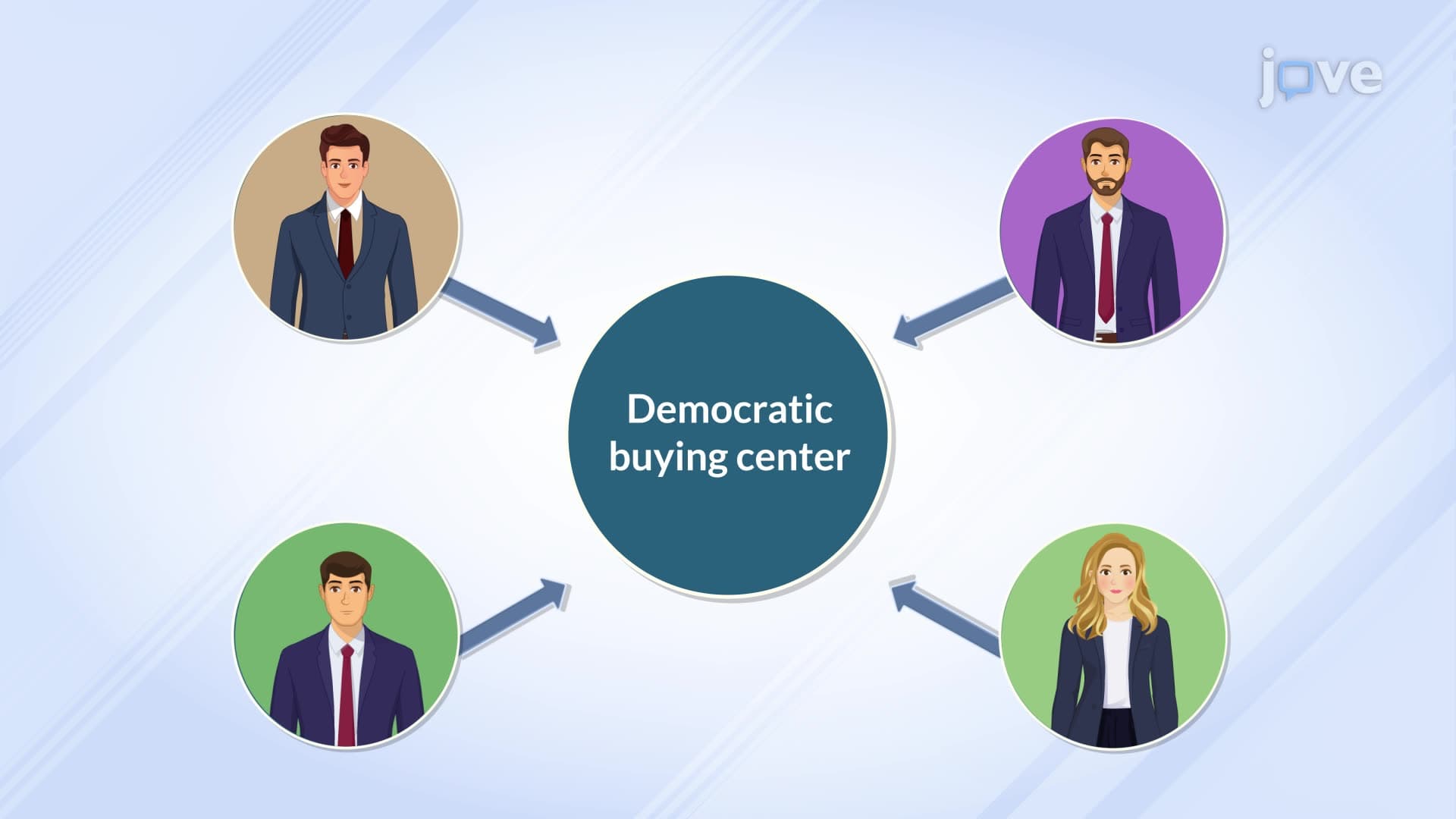
Today's business environment increasingly demands collaborative decision-making processes that leverage diverse expertise while maintaining execution speed. Goldman Sachs' investment committee structure exemplifies this approach, combining senior partner oversight with sector-specific expertise to evaluate complex deals. This collaborative architecture reduces individual bias while ensuring decisions align with firm-wide risk parameters and client relationship strategies.
Related Micro-courses