Loading subject page…

- Marketing
- B2b Marketing
- Pricing: Competitive Bidding
Micro-course: B2B Marketing
5,083 views
Learn key concepts and earn your certificate.
















Pricing: Competitive Bidding

00:00
01:22
Video Summary: What Is Pricing Competitive Bidding
Pricing competitive bidding drives billions in corporate procurement decisions across industries, from Tesla's supplier selection to Goldman Sachs' technology vendor contracts. This strategic procurement process enables buyers to leverage market competition for optimal pricing and value delivery. Understanding pricing competitive bidding mechanics-including closed bidding, open bidding, and reverse auctions-gives business leaders essential negotiation leverage and cost management capabilities. Modern digital platforms have transformed traditional bidding processes, creating new competitive dynamics that impact supplier relationships and long-term partnership strategies. Watch the full video on JoVE Coach to master this concept with expert-led visuals and step-by-step explanations.
- Apply closed bidding strategies to maintain supplier confidentiality while securing competitive pricing for high-stakes procurement decisions
- Evaluate the trade-offs between open bidding cost savings and potential damage to strategic supplier relationships in your industry
- Analyze reverse auction dynamics to determine when aggressive price competition aligns with your company's procurement objectives
- Implement minimum price thresholds and cost calculation frameworks to avoid unprofitable bids when participating as a supplier
- Compare online versus offline bidding platforms based on transparency requirements and relationship management priorities
- Leverage competitive bidding intelligence to strengthen negotiation positions in both buyer and supplier roles
- Identify scenarios where traditional procurement approaches may deliver better long-term value than competitive bidding
- Assess the impact of bidding transparency on your organization's supplier ecosystem and partnership strategy
Understanding Pricing Competitive Bidding in Modern Business
When Amazon selects logistics providers or when JPMorgan Chase chooses cybersecurity vendors, they're engaging in pricing competitive bidding-a strategic procurement process where multiple suppliers compete to deliver goods or services. This methodology has evolved far beyond simple price comparison, becoming a sophisticated tool for value optimization and supplier relationship management.
Closed Bidding: Maximizing Confidentiality and Competition
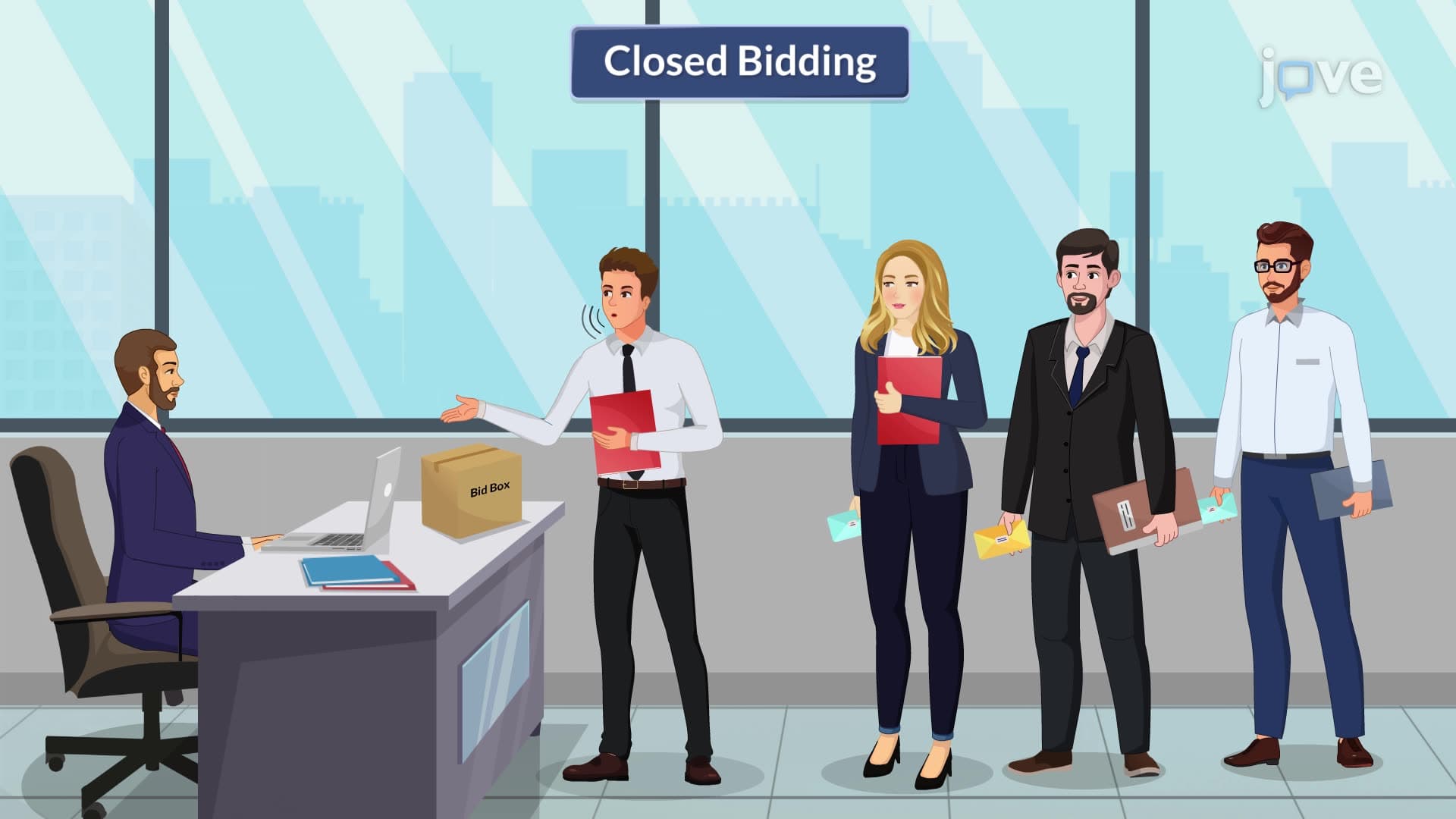
Closed bidding represents the gold standard for high-stakes procurement decisions. Suppliers submit sealed proposals without visibility into competitors' offers, creating pure price discovery mechanisms. Major corporations like Boeing use closed bidding for component sourcing, ensuring suppliers focus on their best possible offer rather than undercutting visible competition. This approach typically awards contracts to the lowest qualified bidder, provided they meet technical specifications and delivery requirements. The buyer maintains complete control over information flow, protecting both supplier relationships and proprietary pricing intelligence.
Open Bidding: Transparency Versus Relationship Management
Open bidding transforms procurement into visible competition, where suppliers can observe and respond to competitor offers in real-time. While this drives aggressive pricing, it creates strategic challenges for relationship-focused industries. Companies like Walmart leverage open bidding for commodity purchases where price optimization outweighs supplier partnership concerns. However, this transparency can commoditize supplier relationships and encourage race-to-the-bottom pricing that may compromise long-term service quality or innovation partnerships.
Reverse Auctions: Digital Transformation of Procurement
Digital reverse auctions represent procurement's evolution toward dynamic pricing models. Buyers post requirements while suppliers compete through progressive price reductions until market equilibrium emerges. General Electric pioneered reverse auction adoption for industrial components, achieving significant cost reductions while maintaining quality standards. Success requires sophisticated supplier qualification processes and clear minimum acceptable pricing thresholds to prevent unprofitable bid submissions that could compromise project delivery.
Frequently Asked Questions
Pricing competitive bidding is a strategic procurement process where multiple vendors compete to provide goods or services, with selection based on price, quality, and delivery criteria. This approach leverages market competition to optimize value while maintaining supplier accountability through transparent evaluation processes.
Choose closed bidding for strategic partnerships, proprietary projects, or when maintaining supplier relationships matters more than absolute lowest cost. Select open bidding when price optimization is paramount, suppliers are commoditized, or when you need maximum market price discovery for budget planning purposes.
Participate when you have clear cost advantages, excess capacity, or when the contract represents significant volume opportunity. Always establish minimum acceptable pricing before participating to avoid unprofitable commitments that could damage your business sustainability.
Microsoft leveraged competitive bidding to select data center construction partners across multiple regions, using closed bidding to maintain confidentiality around expansion plans while ensuring competitive pricing. Their structured evaluation process balanced cost considerations with technical capabilities and project delivery timelines.
No specialized background is required, though understanding basic cost accounting and contract evaluation helps. The core concepts apply across industries and company sizes, making this knowledge valuable for any business leader involved in vendor selection or supplier management decisions.
Mastering competitive bidding enhances your strategic procurement capabilities, cost management skills, and vendor relationship expertise-all highly valued in executive roles. This knowledge directly impacts P&L performance and demonstrates your ability to optimize organizational spending and supplier partnerships.
Consider studying supplier relationship management (SRM) strategies and total cost of ownership (TCO) analysis. These complementary approaches help you evaluate when competitive bidding serves your long-term business objectives versus when strategic partnerships might deliver superior value.
Related Micro-courses

15 Concepts

10 Concepts
12 Concepts