Loading subject page…

- Marketing
- B2b Marketing
- The Business Buying Process
Micro-course: B2B Marketing
5,083 views
Learn key concepts and earn your certificate.







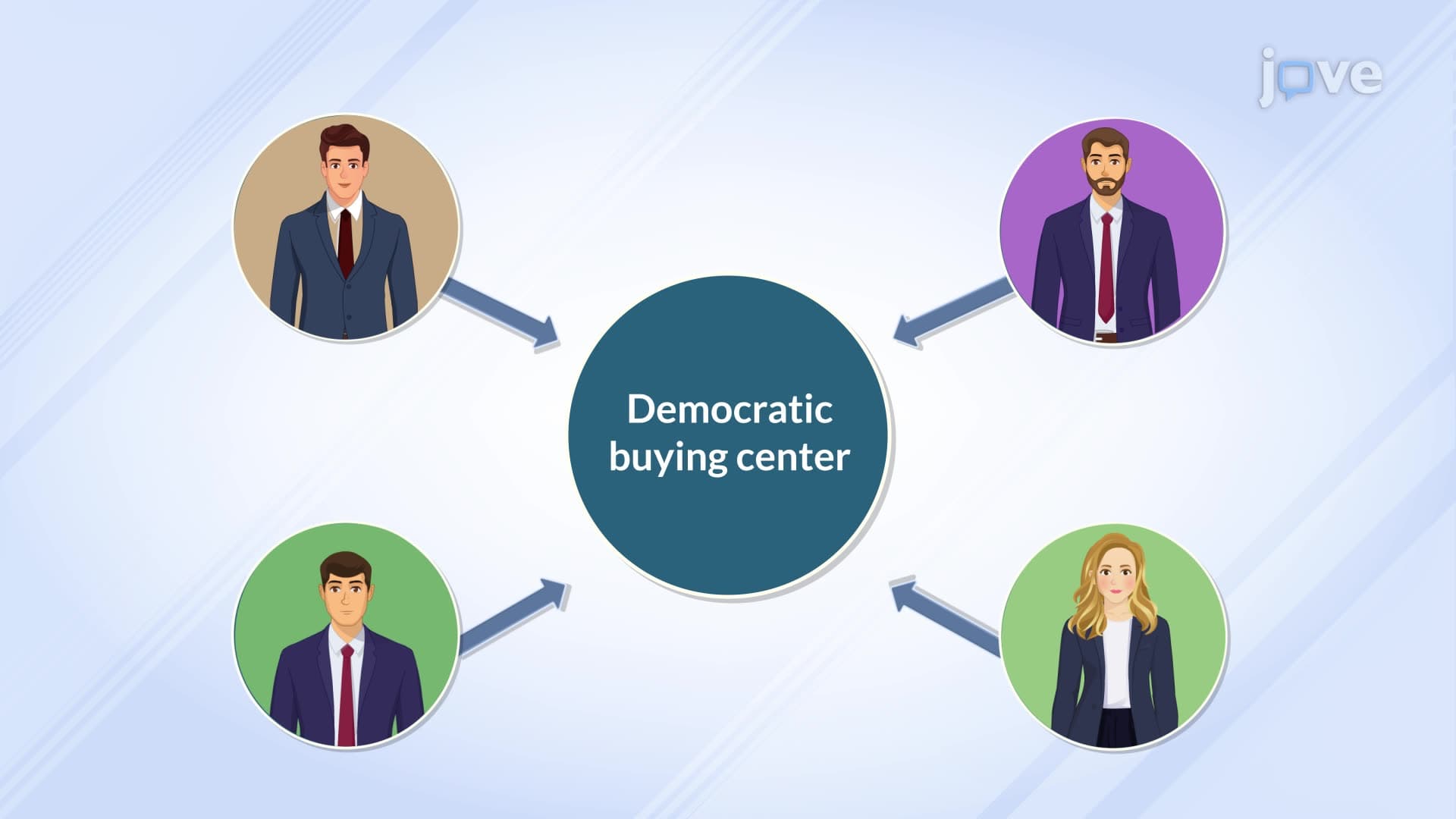


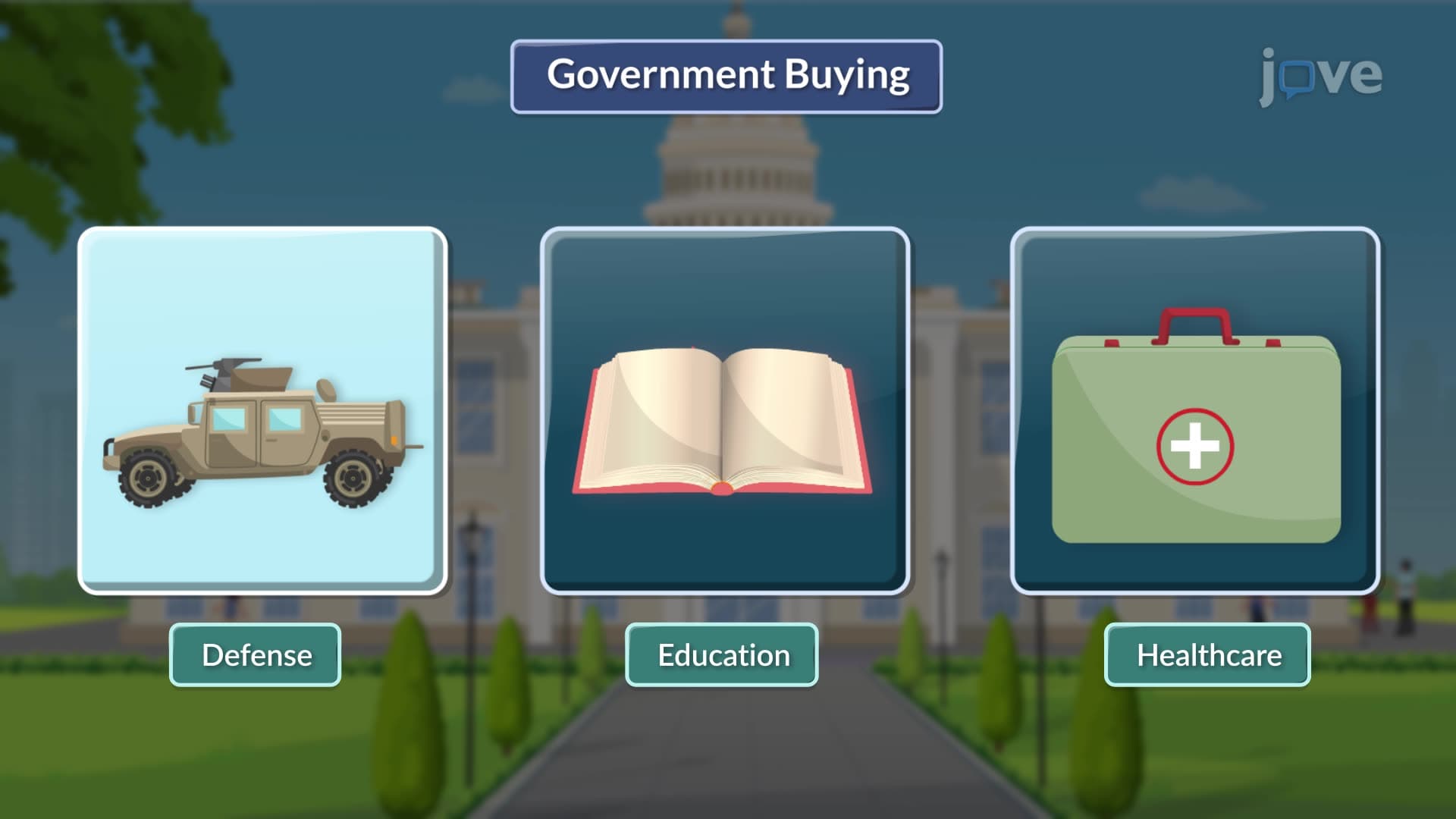


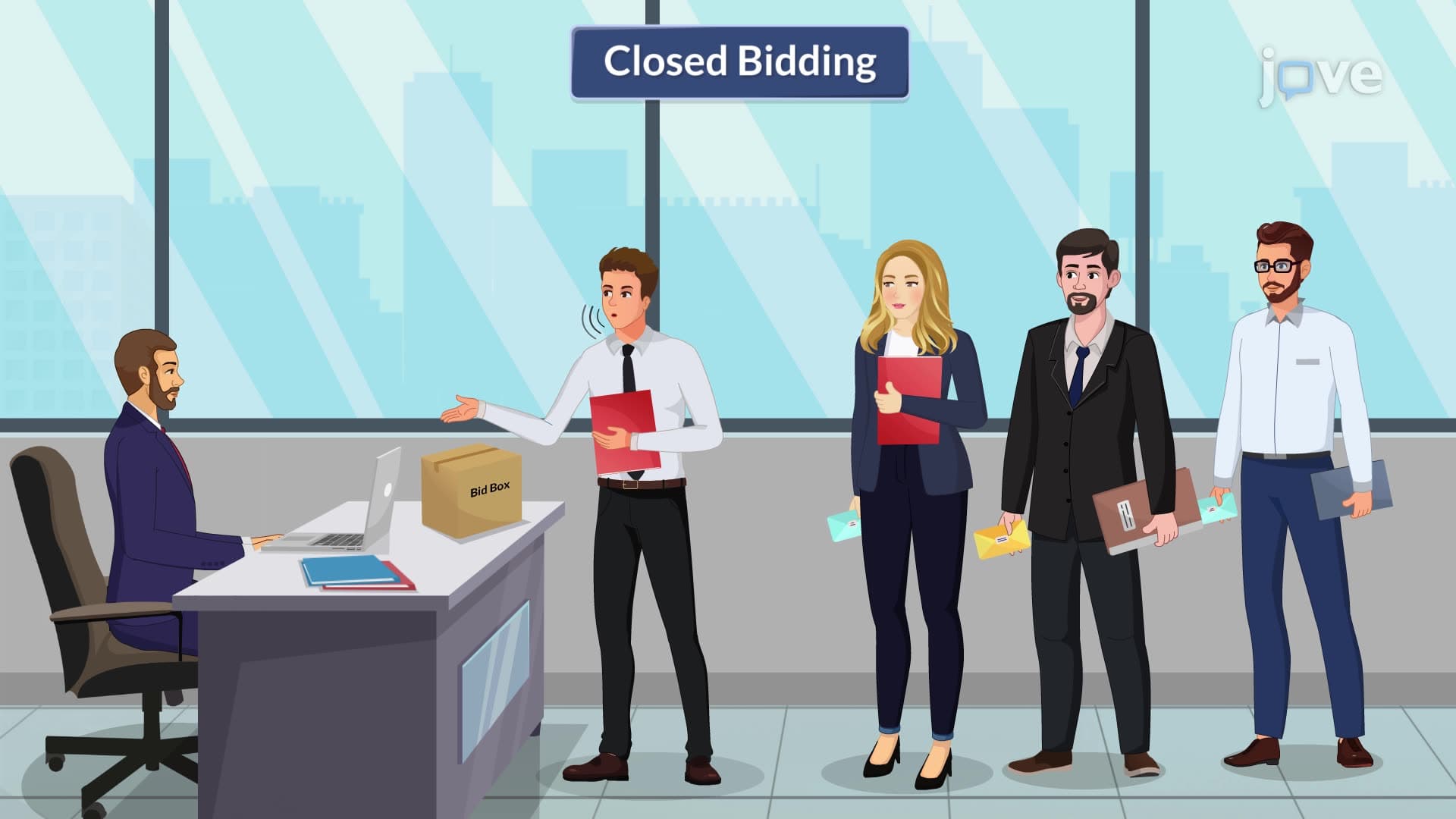




The Business Buying Process

00:00
01:25
Video Summary: What Is the Business Buying Process
When Apple sources semiconductor chips from suppliers like Taiwan Semiconductor or when General Electric procures industrial components, they follow a structured business buying process that directly impacts their operational efficiency and bottom line. Understanding the business buying process enables professionals to optimize vendor relationships, negotiate better contracts, and reduce procurement costs across their organizations. This systematic approach transforms ad-hoc purchasing into strategic advantage, affecting everything from supply chain resilience to competitive positioning. Watch the full video on JoVE Coach to master this concept with expert-led visuals and step-by-step explanations.
- Apply systematic procurement methodologies to reduce costs and improve supplier quality in your organization's purchasing decisions
- Evaluate supplier proposals using multi-criteria frameworks that balance cost, quality, and strategic alignment with business objectives
- Analyze internal requirements and technical specifications to prevent costly purchasing mistakes and ensure operational continuity
- Implement structured vendor selection processes that minimize risk and maximize value creation across procurement functions
- Leverage performance assessment data to build stronger supplier relationships and inform future purchasing strategies
- Identify optimal timing for procurement initiatives that align with budget cycles and operational demands
- Assess total cost of ownership beyond initial purchase price to make more informed business investment decisions
Understanding the Business Buying Process Framework
The modern business buying process has evolved from simple transactional exchanges into sophisticated strategic initiatives that can make or break organizational performance. When Walmart revolutionized retail through its supplier management systems, or when Amazon built its logistics empire through strategic vendor partnerships, they demonstrated how procurement excellence drives competitive advantage. This systematic approach to organizational purchasing encompasses seven critical stages that transform business needs into strategic supplier relationships.
Stage 1: Problem Recognition and Need Assessment
Successful procurement begins with precise problem identification. Consider how Southwest Airlines recognized the need for fuel-efficient aircraft to maintain cost leadership, leading to their strategic Boeing partnership. Organizations must distinguish between reactive purchases (emergency replacements) and proactive investments (capacity expansion or efficiency improvements). This stage requires cross-functional collaboration between operations, finance, and strategy teams to ensure purchasing decisions align with broader business objectives and budget constraints.
Stage 2: Specification Development and Technical Requirements
Converting business needs into technical specifications demands deep operational understanding. When Tesla designs battery specifications for its Gigafactories, they must balance performance requirements with cost constraints and supplier capabilities. Effective specification development involves engineering teams, quality assurance, and procurement professionals working together to create requirements that are ambitious yet achievable. This collaborative approach prevents the common pitfall of over-specification, which inflates costs without delivering proportional value.
Stage 3: Supplier Identification and Evaluation
Strategic supplier selection extends far beyond lowest-cost bidding. Amazon Web Services' approach to hardware procurement exemplifies best practices: they evaluate suppliers based on technological capability, financial stability, geographic footprint, and cultural alignment. Smart organizations develop supplier scorecards incorporating quality metrics, delivery performance, innovation capacity, and risk factors. This comprehensive evaluation framework ensures long-term partnership success while mitigating supply chain vulnerabilities that could disrupt operations.
Stage 4: Contract Negotiation and Performance Management
The final procurement stages focus on relationship optimization and continuous improvement. Microsoft's supplier development programs demonstrate how leading organizations create mutual value through performance monitoring, feedback mechanisms, and collaborative improvement initiatives. Effective performance management systems track key metrics including delivery reliability, quality consistency, and responsiveness to changing requirements, creating data-driven insights that inform future purchasing decisions and supplier relationship strategies.
Frequently Asked Questions
The business buying process is a systematic organizational approach to procurement that involves multiple stakeholders, formal evaluation criteria, and strategic considerations beyond price. Unlike consumer purchases, business buying requires cross-functional collaboration, formal approval processes, and long-term relationship management. It emphasizes total cost of ownership, supplier capability assessment, and alignment with organizational objectives rather than individual preferences.
Implement a structured supplier evaluation framework that goes beyond initial pricing to include total cost of ownership, quality metrics, delivery reliability, and strategic fit. Develop standardized scorecards, conduct thorough financial stability assessments, and negotiate performance-based contracts with clear metrics and penalties. Consider supplier consolidation opportunities and long-term partnership agreements that provide volume discounts and improved service levels.
Create cross-functional buying committees with clearly defined roles: operations defines technical requirements, finance sets budget parameters and evaluates total cost impact, procurement manages supplier relationships and negotiations, and quality assurance establishes performance standards. Senior leadership should provide strategic direction and final approval for significant purchases. This collaborative approach ensures comprehensive evaluation while maintaining accountability and decision-making efficiency.
Amazon employs a data-driven supplier selection process focusing on scalability, technological integration capabilities, and performance reliability. They evaluate suppliers based on their ability to integrate with Amazon's systems, meet strict delivery timeframes, maintain consistent quality standards, and scale operations during peak demand periods. Amazon also emphasizes suppliers' innovation capacity and willingness to collaborate on operational improvements and cost reduction initiatives.
While procurement expertise helps, the fundamental principles are accessible to any business professional with analytical skills and strategic thinking ability. Start by documenting your current process, identifying bottlenecks and cost drivers, then gradually implement structured evaluation criteria and performance metrics. Focus on building cross-functional collaboration and establishing clear decision-making frameworks rather than complex procurement technologies or advanced negotiation tactics.
Procurement expertise demonstrates strategic thinking, cost management capability, and cross-functional leadership skills that are highly valued across industries. Professionals who can optimize supplier relationships, negotiate favorable contracts, and implement cost-saving initiatives often advance to senior operations roles, general management positions, or strategic consulting careers. This skill set is particularly valuable in manufacturing, retail, technology, and consulting sectors where procurement excellence drives competitive advantage.
Consider studying strategic supplier relationship management, including supplier development programs, risk management frameworks, and collaborative innovation initiatives. Explore category management approaches that segment purchases by strategic importance and market dynamics. Advanced topics include global sourcing strategies, sustainability considerations in procurement decisions, and technology-enabled procurement transformation including e-sourcing platforms and predictive analytics applications.
Related Micro-courses

15 Concepts

10 Concepts
12 Concepts