Loading subject page…


2,230 views


Video Summary: Industry 4 0 to Industry Explained
Modern manufacturing leaders face mounting pressure to balance technological advancement with sustainable growth strategies. Industry 4.0 to Industry evolution represents a critical shift from automation-focused production to human-centered operations that prioritize environmental responsibility alongside efficiency. Companies like General Electric have successfully navigated this transformation by integrating IoT and AI-driven smart factories while maintaining workforce collaboration and sustainability goals. The transition from Industry 4.0's pure technology focus to Industry 5.0's human-centric approach requires strategic understanding of both paradigms. Watch the full video on JoVE Coach to master this concept with expert-led visuals and step-by-step explanations.
Manufacturing executives today confront a strategic inflection point: how to evolve beyond Industry 4.0's automation achievements while addressing growing demands for sustainability and human-centered operations. This transformation directly impacts competitive positioning, operational efficiency, and long-term profitability.
Industry 4.0 revolutionized manufacturing through interconnected systems that transformed traditional production lines into intelligent ecosystems. Smart factories emerged as competitive differentiators, where IoT sensors, artificial intelligence, and robotics created seamless data flows enabling predictive maintenance and real-time optimization. Ford Motor Company exemplifies this evolution, implementing AI-driven quality control systems that reduced defect rates by 40% while increasing production speed.
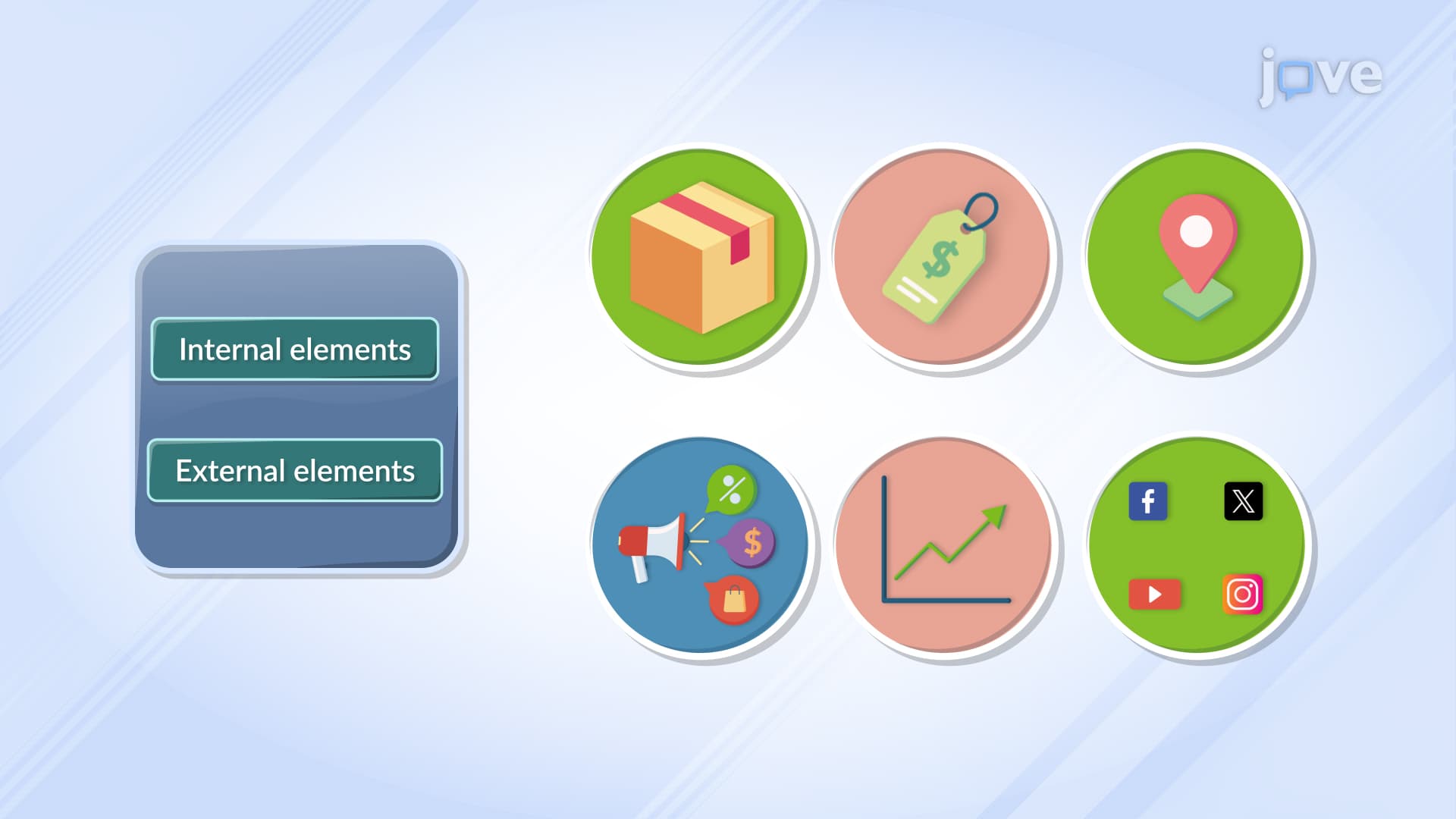
Marketing strategies paralleled manufacturing transformation, with companies like Procter & Gamble leveraging big data analytics to achieve unprecedented targeting precision. Automation enabled personalized content delivery at scale, fundamentally changing customer acquisition costs and lifetime value calculations.
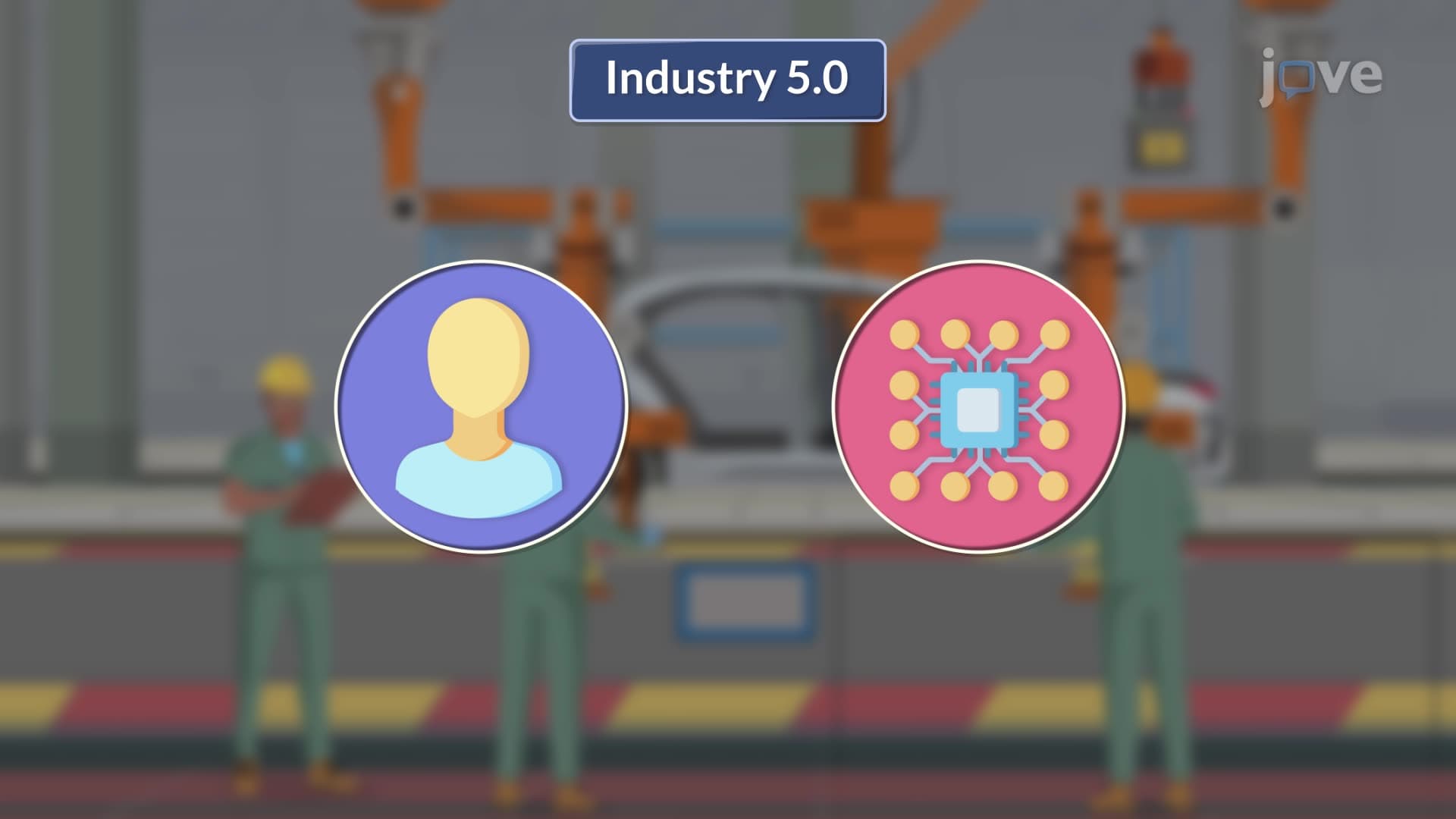
Industry 5.0 addresses Industry 4.0's limitations by reintroducing human expertise alongside advanced technology. This approach recognizes that sustainable competitive advantage requires balancing automation efficiency with workforce creativity and environmental stewardship. Boeing's recent manufacturing initiatives demonstrate this philosophy, combining robotic precision with skilled craftsperson oversight to enhance both quality and job satisfaction.
The sustainability imperative drives this evolution, as stakeholders increasingly demand environmental accountability. Companies must now optimize for triple bottom line performance: people, planet, and profit. This requires sophisticated decision-making frameworks that evaluate technology investments against social and environmental impact metrics.
Successful Industry 5.0 transformation demands comprehensive change management addressing technology integration, workforce development, and stakeholder expectations. Leaders must navigate data privacy regulations while maintaining personalization capabilities, requiring sophisticated governance frameworks that build customer trust without sacrificing competitive advantages.
Related Micro-courses