Loading subject page…


2,230 views

Video Summary: What Is Phygital
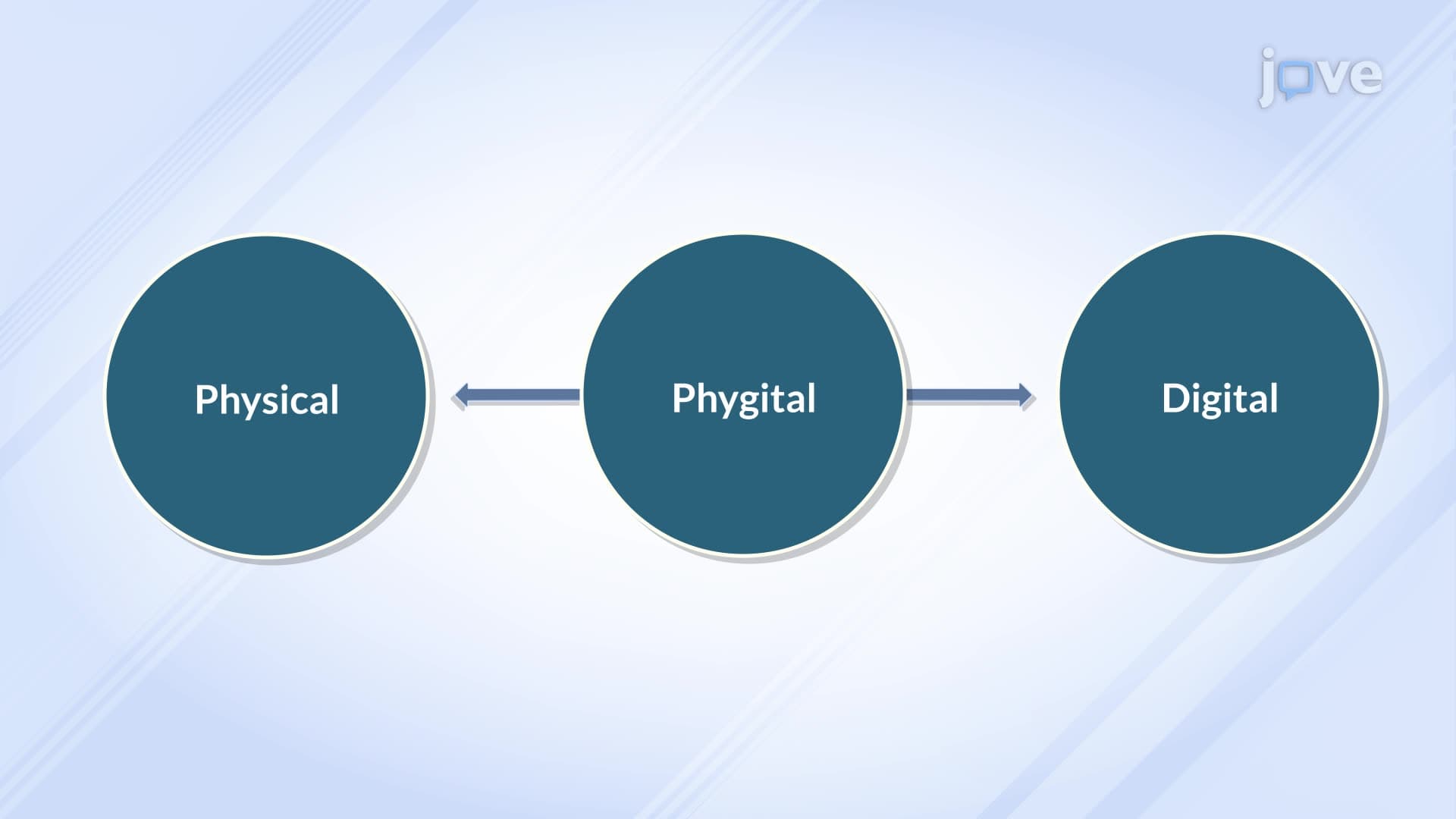
Modern retailers are losing $75 billion annually to customer experience gaps between their physical and digital touchpoints. Phygital strategies merge physical and digital customer interactions to create seamless, revenue-driving experiences that meet today's consumer expectations. Companies like Target successfully implement phygital approaches through their mobile app's in-store navigation and curbside pickup integration, boosting both customer satisfaction and operational efficiency. Watch the full video on JoVE Coach to master this concept with expert-led visuals and step-by-step explanations.
When Best Buy faced extinction from Amazon's digital dominance in 2012, they didn't just survive-they thrived by pioneering phygital retail. Their strategy of price-matching online competitors while offering hands-on product demonstrations and same-day pickup transformed potential showrooming losses into competitive advantages. This exemplifies how phygital transcends mere technology integration to become a fundamental business model that addresses the modern consumer's expectation for seamless omnichannel experiences.
Phygital strategies directly influence your bottom line through multiple revenue streams. Companies implementing comprehensive phygital approaches typically see 15-20% increases in customer retention rates and 25% higher average transaction values. The strategy works by eliminating conversion friction-customers can research online, experience products physically, and complete purchases through their preferred channel without starting over. This continuity reduces abandoned cart rates and increases customer confidence, particularly for high-consideration purchases like electronics, furniture, and automotive components.
Forward-thinking organizations use phygital approaches to optimize operational costs while enhancing customer value. Walmart's integration of mobile apps with in-store pickup reduces last-mile delivery costs while providing customers faster fulfillment options. Their scan-and-go technology decreases checkout labor costs while improving customer experience. This dual benefit-cost reduction and experience enhancement-makes phygital initiatives particularly attractive to CFOs and operations leaders focused on margin improvement.
Successful phygital implementation requires three core components: technology infrastructure, staff training, and data integration capabilities. Companies must invest in robust customer data platforms that unify online and offline behavioral data, enabling personalized experiences across touchpoints. Staff training ensures consistent brand experience whether customers interact digitally or physically. The most successful implementations start with high-impact, low-complexity initiatives like mobile inventory lookup or digital loyalty programs before advancing to sophisticated AR/VR experiences or autonomous store technologies.
Related Micro-courses