Loading subject page…

- Marketing
- Global Marketing
- Assessing the Global Marketing Environment I
Micro-course: Global Marketing
2,794 views
Learn key concepts and earn your certificate.


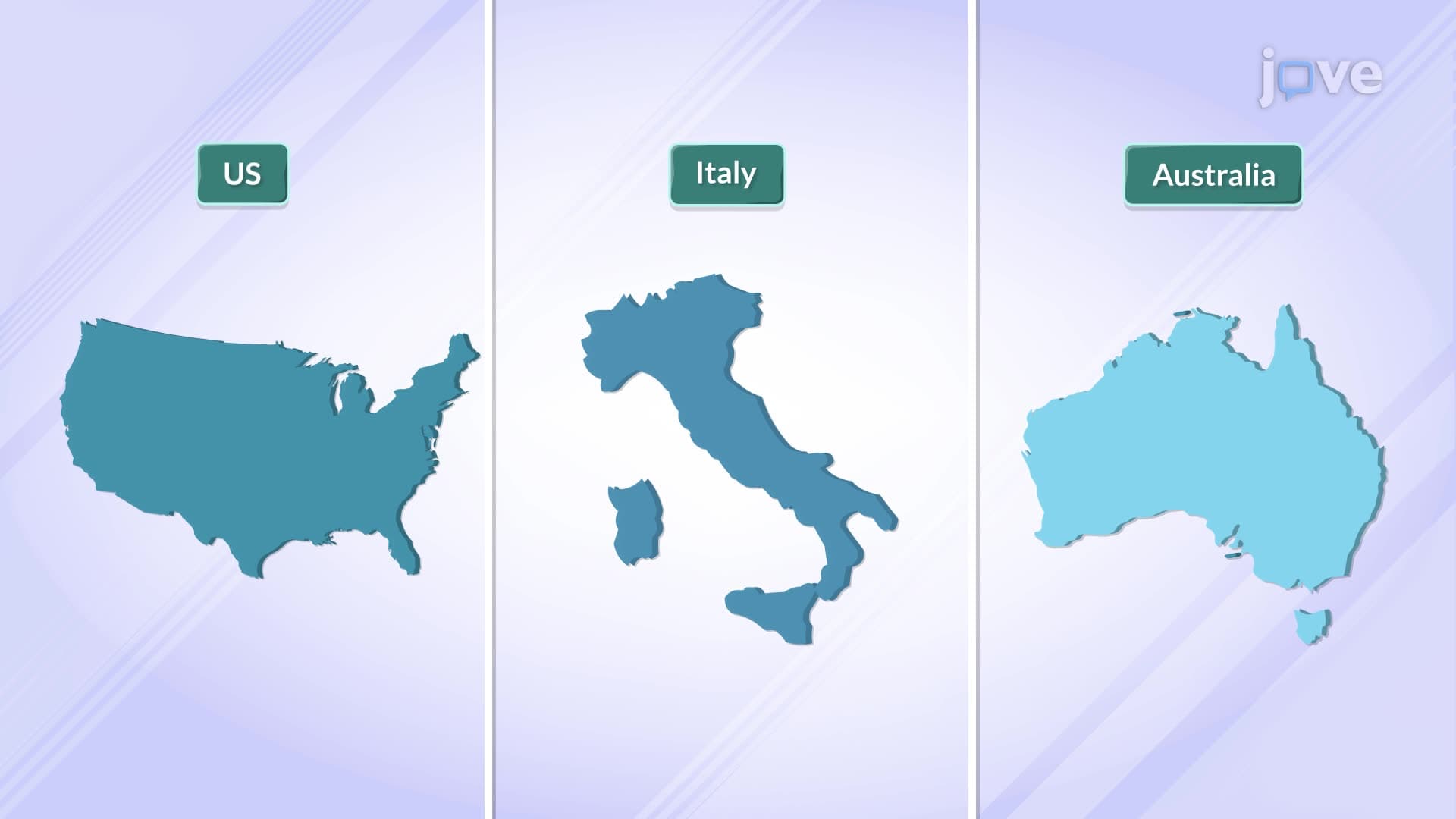

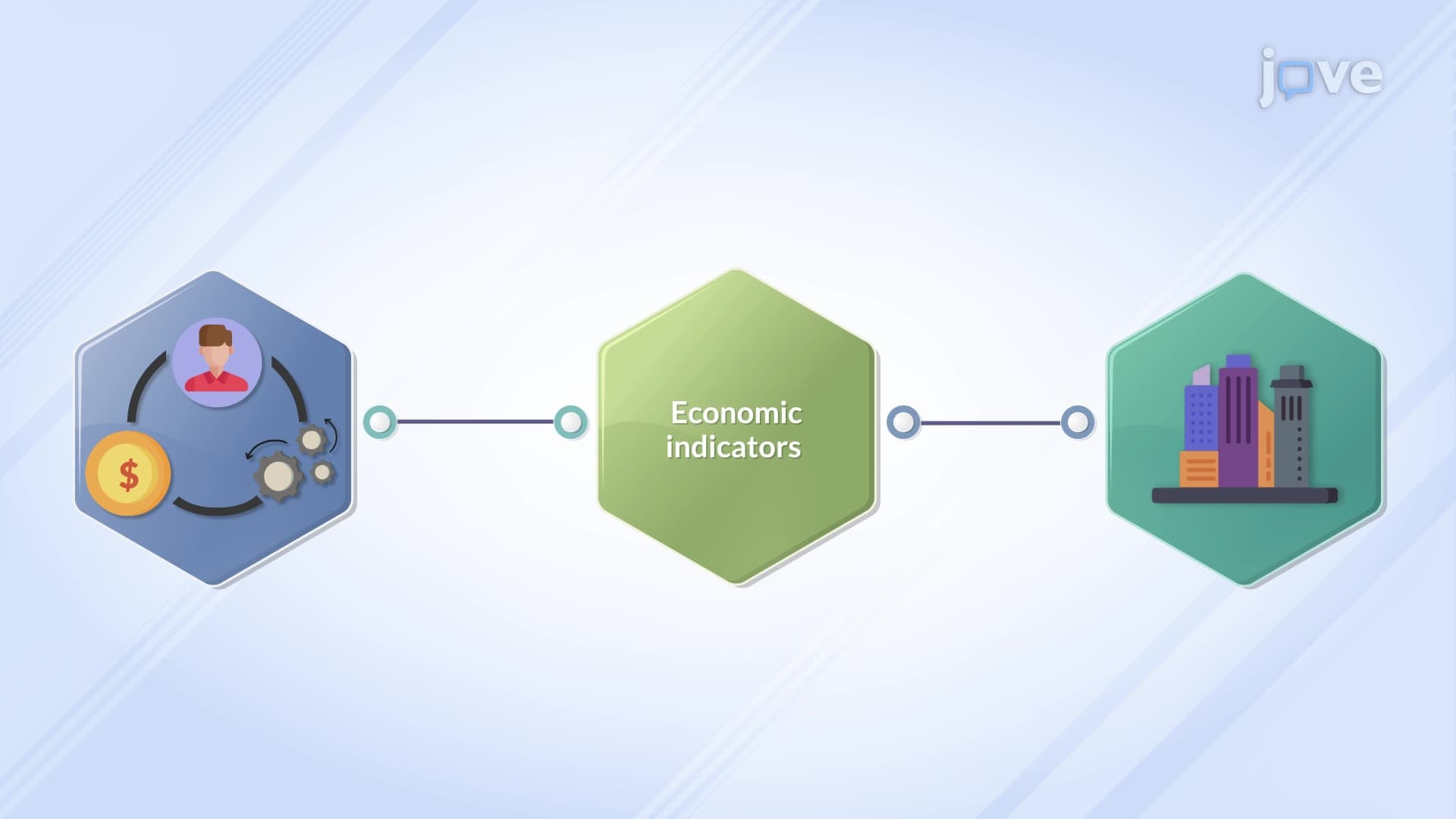



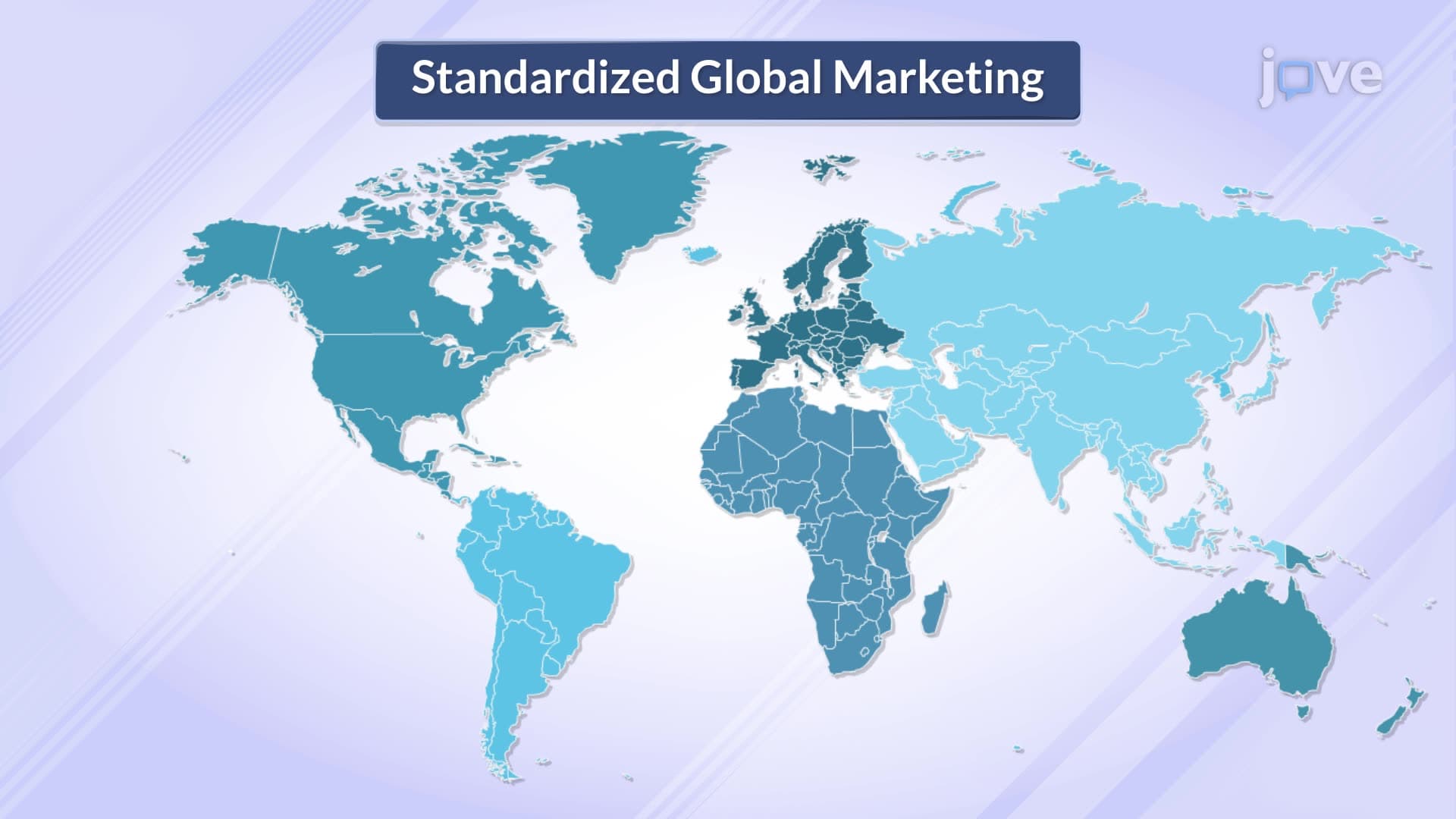






Assessing the Global Marketing Environment I

00:00
01:25
Video Summary: Assessing the Global Marketing Environment I Explained
When Coca-Cola navigates pricing strategies across 200+ countries or Apple adjusts product launches based on regulatory changes, they're actively assessing the global marketing environment. This critical business capability involves analyzing economic fluctuations, political regulations, and geopolitical events that directly impact costs, profits, and competitive positioning. Smart executives understand that GDP shifts, currency volatility, and trade policies can make or break international expansion plans. Watch the full video on JoVE Coach to master this concept with expert-led visuals and step-by-step explanations.
- Analyze economic indicators like GDP growth, inflation rates, and exchange rate fluctuations to inform pricing strategies and market entry decisions
- Evaluate political and regulatory frameworks across target markets to ensure compliance and minimize operational disruptions
- Assess geopolitical risks and their potential impact on supply chain operations, trade relations, and market accessibility
- Apply currency volatility analysis to protect profit margins and optimize financial performance in international markets
- Identify local purchasing power variations to tailor product positioning and pricing for maximum market penetration
- Leverage regulatory intelligence to navigate complex legal requirements, from labor laws to environmental standards
- Implement risk mitigation strategies for trade policy changes, tariffs, and international relations shifts
- Compare market opportunities using comprehensive environmental assessments to prioritize resource allocation
Understanding Global Marketing Environment Assessment
Modern business leaders face unprecedented complexity when expanding internationally or managing global operations. The global marketing environment encompasses all external factors that influence business decisions across borders-from macroeconomic conditions to regulatory landscapes. When Amazon evaluates new market entries, or when General Electric restructures international operations, they're applying systematic environmental assessment frameworks that can determine success or failure.
Economic Environment Analysis: The Foundation of Global Strategy
Economic factors form the backbone of international business planning. GDP growth rates signal market potential, while inflation trends affect pricing strategies and profit margins. Exchange rate volatility directly impacts the bottom line-a 10% currency swing can eliminate entire profit margins for companies like Ford Motor Company operating across multiple currencies. Smart executives monitor purchasing power parity to understand real consumer capacity, enabling more accurate demand forecasting and competitive positioning.
Interest rate differentials between countries influence capital allocation decisions and financing costs for international projects. When the Federal Reserve adjusts rates, multinational corporations must recalibrate their global investment priorities and hedging strategies.
Political and Regulatory Landscape Navigation
Political stability and regulatory frameworks create the operating parameters for international business. Companies like Microsoft must navigate varying data privacy laws, antitrust regulations, and taxation policies across jurisdictions. Trade policies, including tariffs and trade agreements, directly affect supply chain costs and competitive dynamics.
Regulatory compliance requires significant investment in legal infrastructure, licensing, and employee training. Boeing's experience with international aviation regulations demonstrates how regulatory changes can impact product development timelines, certification costs, and market access strategies.
Geopolitical Risk Management and Strategic Planning
Geopolitical tensions create both risks and opportunities for global businesses. The ongoing US-China trade relationship volatility has forced companies like Apple to diversify manufacturing locations and reconsider supply chain strategies. Regional conflicts can disrupt established trade routes, while diplomatic improvements can unlock new market opportunities.
Successful global marketing environment assessment requires continuous monitoring of international relations, trade negotiations, and regional stability indicators. Companies that excel in this area, such as JPMorgan Chase in international banking, maintain dedicated teams to analyze geopolitical developments and their business implications.
Frequently Asked Questions
It's the systematic analysis of economic, political, and geopolitical factors that affect international business operations. This process helps executives make informed decisions about market entry, pricing, supply chains, and competitive positioning across different countries and regions.
Present economic indicators, regulatory changes, and geopolitical risks that directly impact your business objectives. Use specific data points like exchange rate trends, trade policy updates, or market growth projections to support expansion recommendations or operational adjustments.
Environmental assessment directly impacts revenue forecasts and cost projections for international operations. Currency fluctuations affect profit margins, while regulatory changes can increase compliance costs or create new market opportunities that influence budget allocations.
Starbucks uses comprehensive environmental assessment when entering new international markets, analyzing local purchasing power, regulatory requirements for food service, real estate costs, and cultural preferences. This analysis determines store formats, menu adaptations, and pricing strategies for each market.
While helpful, extensive international experience isn't required. The key is understanding how external factors affect business metrics you already track-costs, revenues, and competitive position. Start by analyzing how currency changes or trade policies impact your current operations.
Global environmental assessment skills are essential for senior management roles, especially as companies expand internationally. This expertise positions you for strategic planning roles, international business development, and executive positions requiring cross-border decision-making capabilities.
International market segmentation and targeting strategies build naturally on environmental assessment. Once you understand the external environment, the next step is identifying and prioritizing specific customer segments within those global markets.
Leading companies perform continuous monitoring with formal quarterly reviews and immediate assessments when significant events occur. Major geopolitical developments, economic announcements, or regulatory changes trigger real-time analysis to protect operations and identify opportunities.
Focusing solely on economic indicators while ignoring political and regulatory factors. Successful assessment requires balanced analysis-a growing economy means little if political instability or regulatory barriers prevent market access or profitable operations.
Related Micro-courses

10 Concepts

12 Concepts

16 Concepts