Loading subject page…


2,794 views

Video Summary: Factors Influencing Decisions Regarding Global Markets Explained
When Amazon expanded into India or Tesla entered the Chinese market, the factors influencing decisions regarding global expansion required careful analysis of multiple variables that could make or break multi-billion-dollar investments. Understanding the factors influencing decisions regarding global markets enables executives to evaluate market entry opportunities, assess competitive positioning, and allocate resources effectively across international operations. Watch the full video on JoVE Coach to master this concept with expert-led visuals and step-by-step explanations.
When Starbucks expanded to 84 countries or McDonald's adapted menus across 100+ markets, their success depended on systematically evaluating the factors influencing decisions regarding global markets. For working professionals managing international growth, mergers and acquisitions, or competitive strategy, understanding these decision factors directly impacts P&L performance and career advancement opportunities.
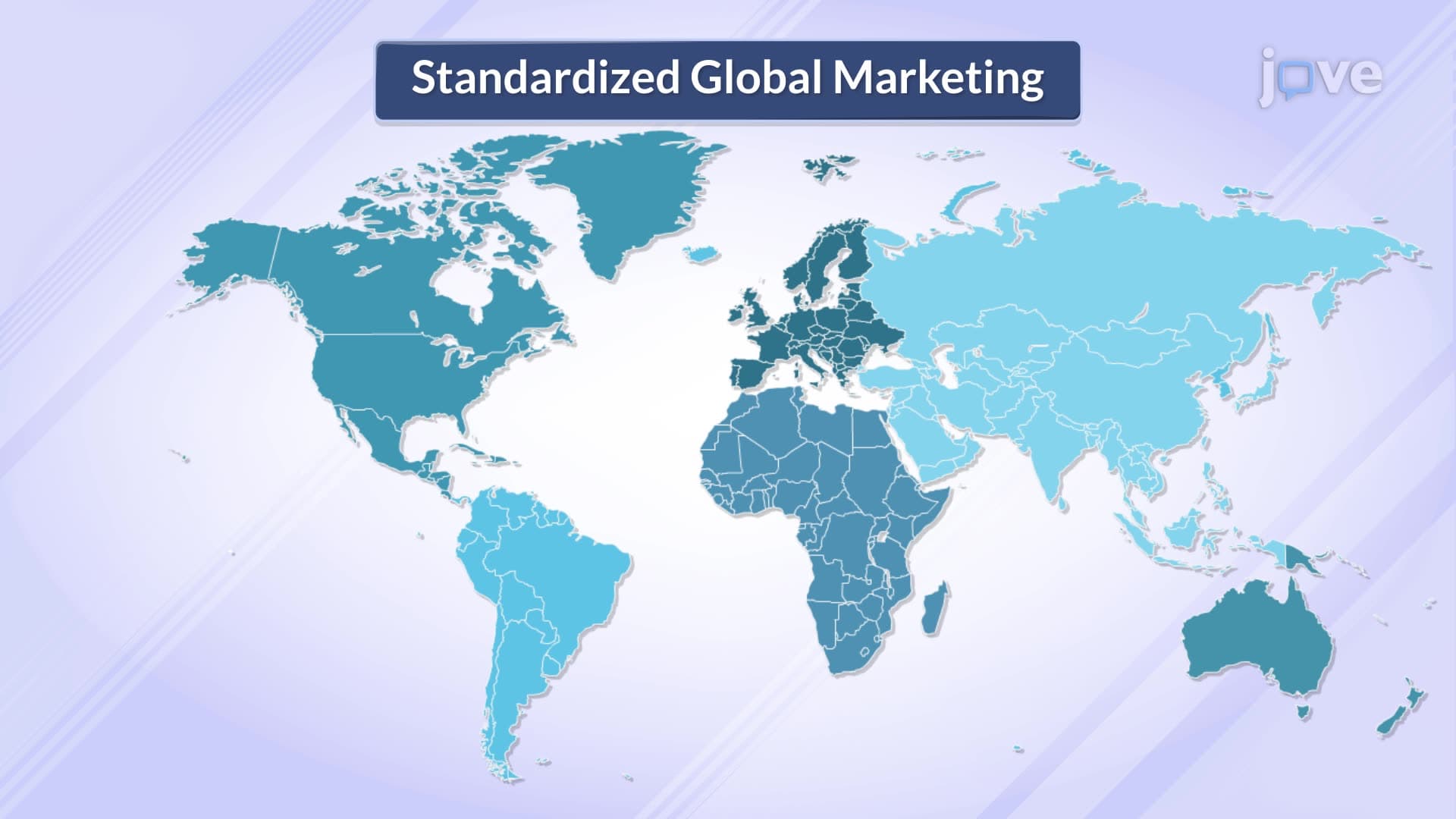
Market size and growth rate form the foundation of any global expansion business case. Netflix's aggressive international expansion strategy prioritized markets with large addressable audiences and high broadband penetration rates. Finance professionals use total addressable market (TAM) calculations, while marketing leaders analyze growth trajectories to forecast revenue potential. This quantitative analysis helps executive teams allocate resources between established markets offering steady returns versus emerging markets with higher growth but increased volatility.
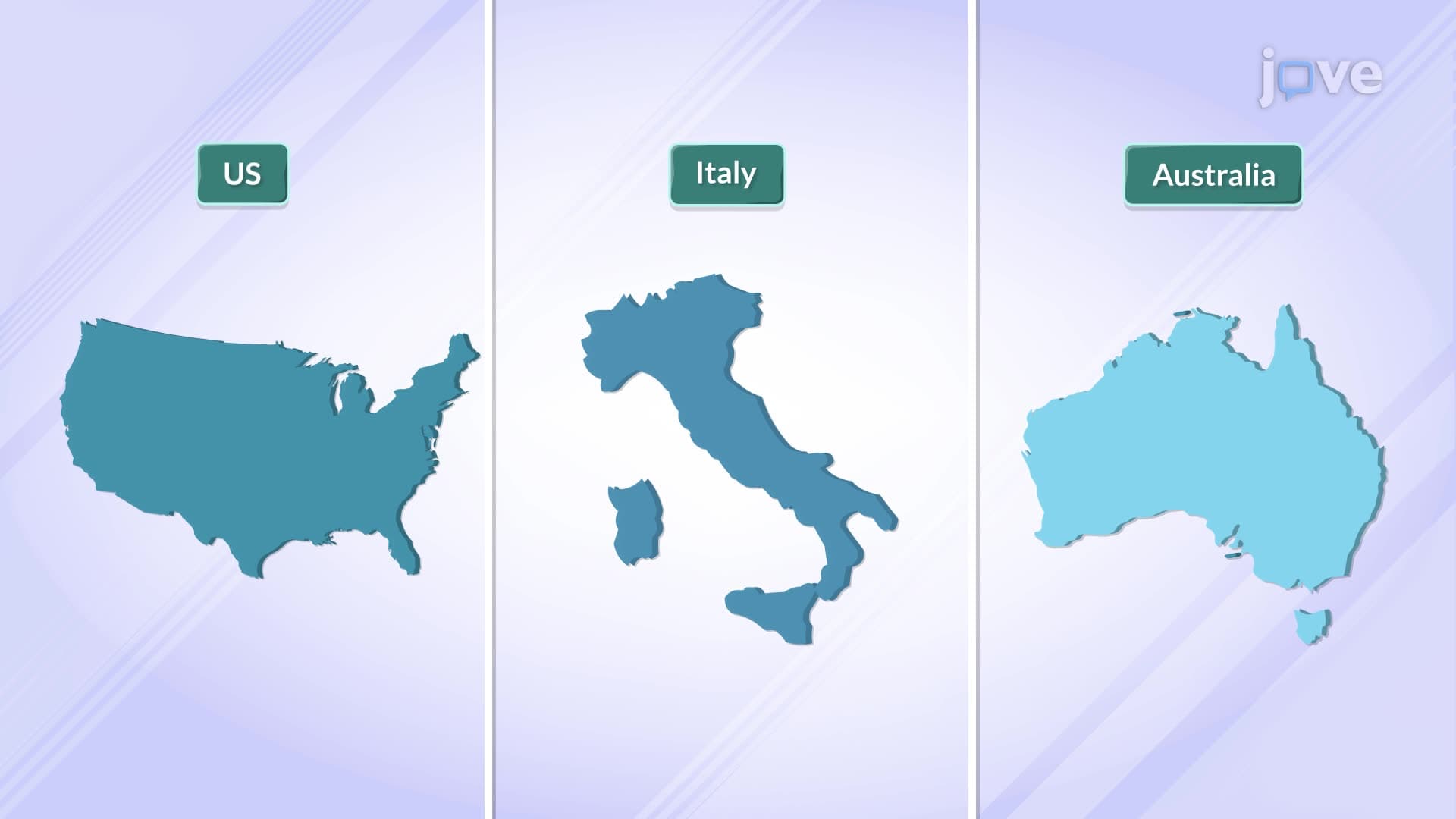
Demographics drive consumer behavior patterns that determine product-market fit across regions. Apple's iPhone pricing strategy varies significantly between markets based on average income levels, age distributions, and technology adoption rates. Geographic factors influence supply chain costs, distribution complexity, and operational scalability. FedEx's hub-and-spoke model leverages geographic advantages like Memphis's central US location, while companies entering markets like Alaska or Hawaii must account for increased logistics costs that impact gross margins.
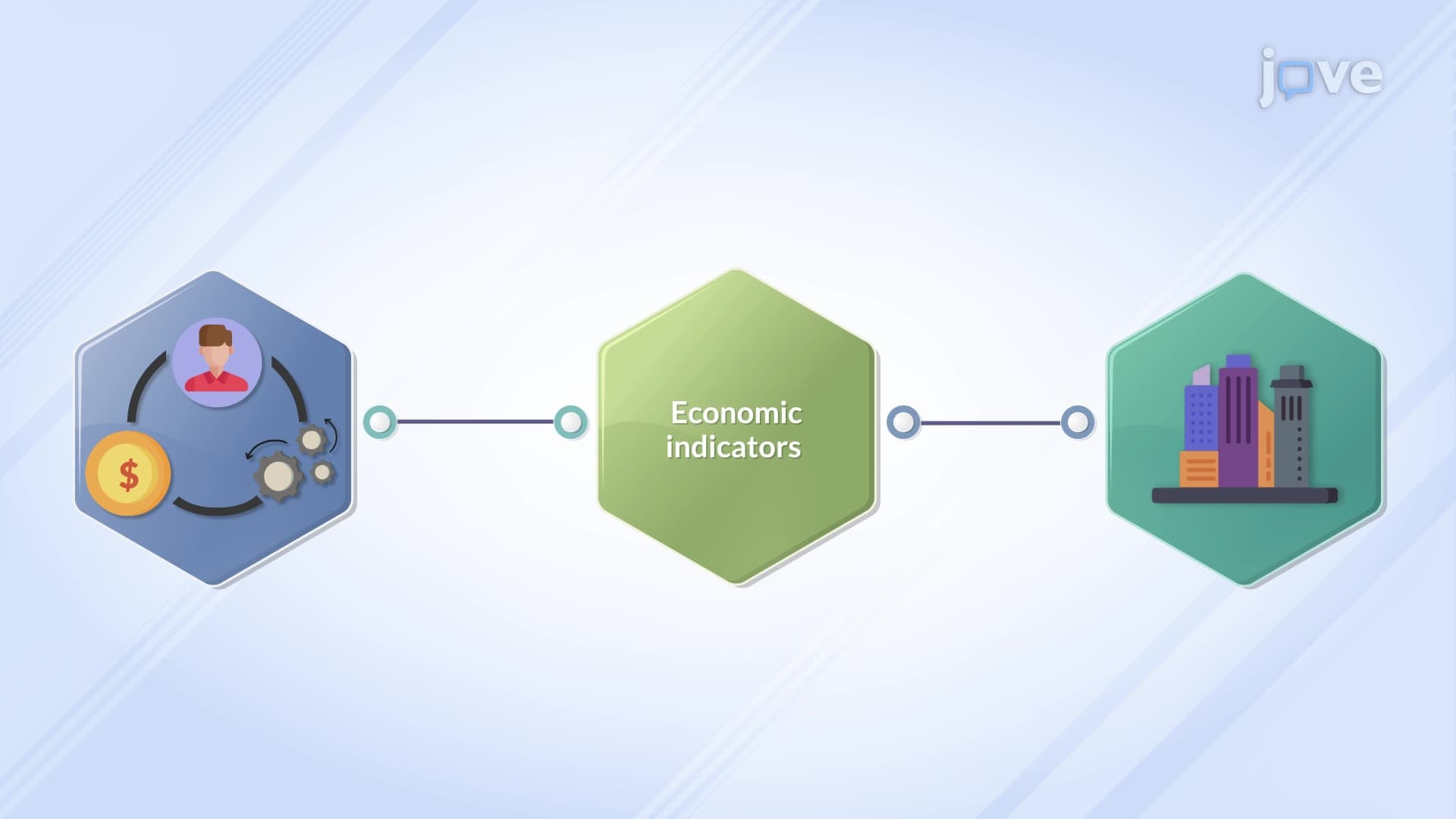
Economic indicators including GDP growth, currency stability, and infrastructure development determine both market opportunity and operational feasibility. Goldman Sachs uses economic data to advise corporate clients on market entry timing and investment structures. Political stability and regulatory environments directly impact market entry costs, ongoing compliance expenses, and exit strategy options. Companies like Google have exited certain markets due to regulatory constraints, while others like Uber have adapted business models to meet local regulations while maintaining core value propositions.
Related Micro-courses