Loading subject page…


2,794 views


Video Summary: The Global Marketing Mix Ii Price Explained
When Apple prices its iPhone 15 Pro at $999 in the U.S. but €1,199 in Europe, that's the global marketing mix ii price strategy at work-balancing local market conditions with profitability goals. The Global Marketing Mix II Price Explained demonstrates how tariffs, taxes, competition, and purchasing power create complex pricing decisions across international markets. Watch the full video on JoVE Coach to master this concept with expert-led visuals and step-by-step explanations.
When Netflix launched internationally, executives faced a critical decision: price their streaming service uniformly worldwide or adapt to local market conditions. This challenge exemplifies the complexity of global pricing strategy within the broader marketing mix framework. Unlike domestic pricing, global pricing requires balancing multiple variables simultaneously-from regulatory costs to competitive dynamics-while maintaining brand consistency and profitability targets.
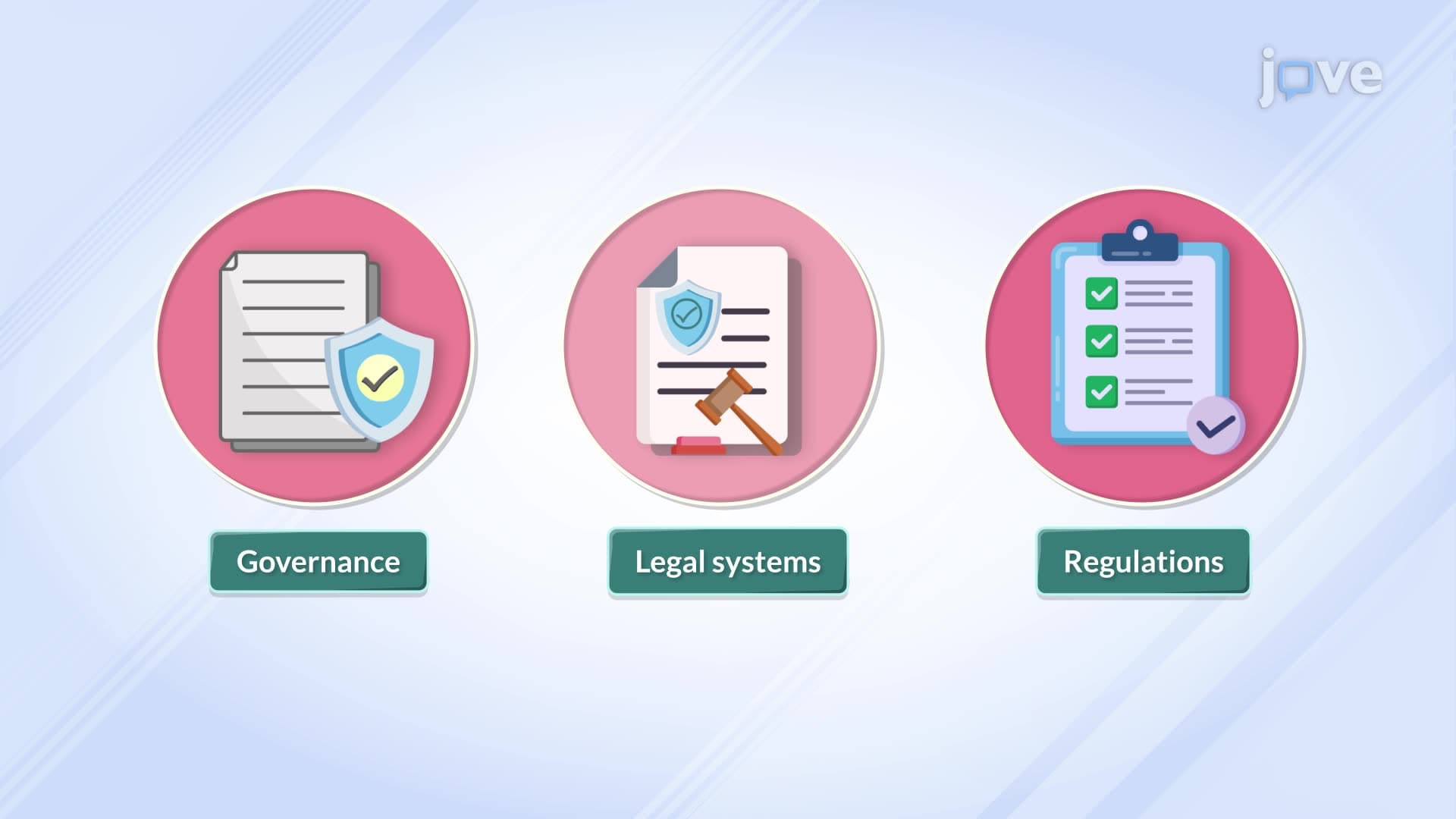
The most immediate challenge in global pricing stems from government-imposed costs. When Harley-Davidson faced retaliatory tariffs from the European Union, the company confronted a stark reality: absorb the additional costs and reduce margins, or pass them to consumers and risk market share loss. The company ultimately shifted production to avoid tariffs entirely, demonstrating how pricing pressures can reshape entire operational strategies. For most companies lacking Harley's flexibility, tariff costs directly translate to consumer prices-explaining why luxury goods often carry premium prices in certain markets despite identical manufacturing costs.
Local market conditions create unique pricing opportunities and constraints. Consider how streaming services price differently across markets: Disney+ charges $7.99 monthly in the U.S. but significantly less in India, reflecting local purchasing power and competitive intensity from regional players. This isn't simply cost-plus pricing-it's strategic positioning based on value perception, competitive benchmarking, and market penetration goals. Companies must evaluate whether they're competing on premium positioning or market accessibility, as this choice fundamentally shapes pricing architecture.
The shortened product lifecycles in technology sectors create unique pricing pressures. When Microsoft launches new Surface devices, pricing must recover development investments within compressed timeframes before competitors introduce alternatives. This creates a "pricing velocity" challenge: charge premium prices early to maximize revenue from early adopters, then adjust pricing to maintain competitiveness as markets mature. Companies in high-innovation sectors often implement planned obsolescence pricing-deliberately pricing current generation products to encourage upgrades when newer versions launch.
Related Micro-courses